
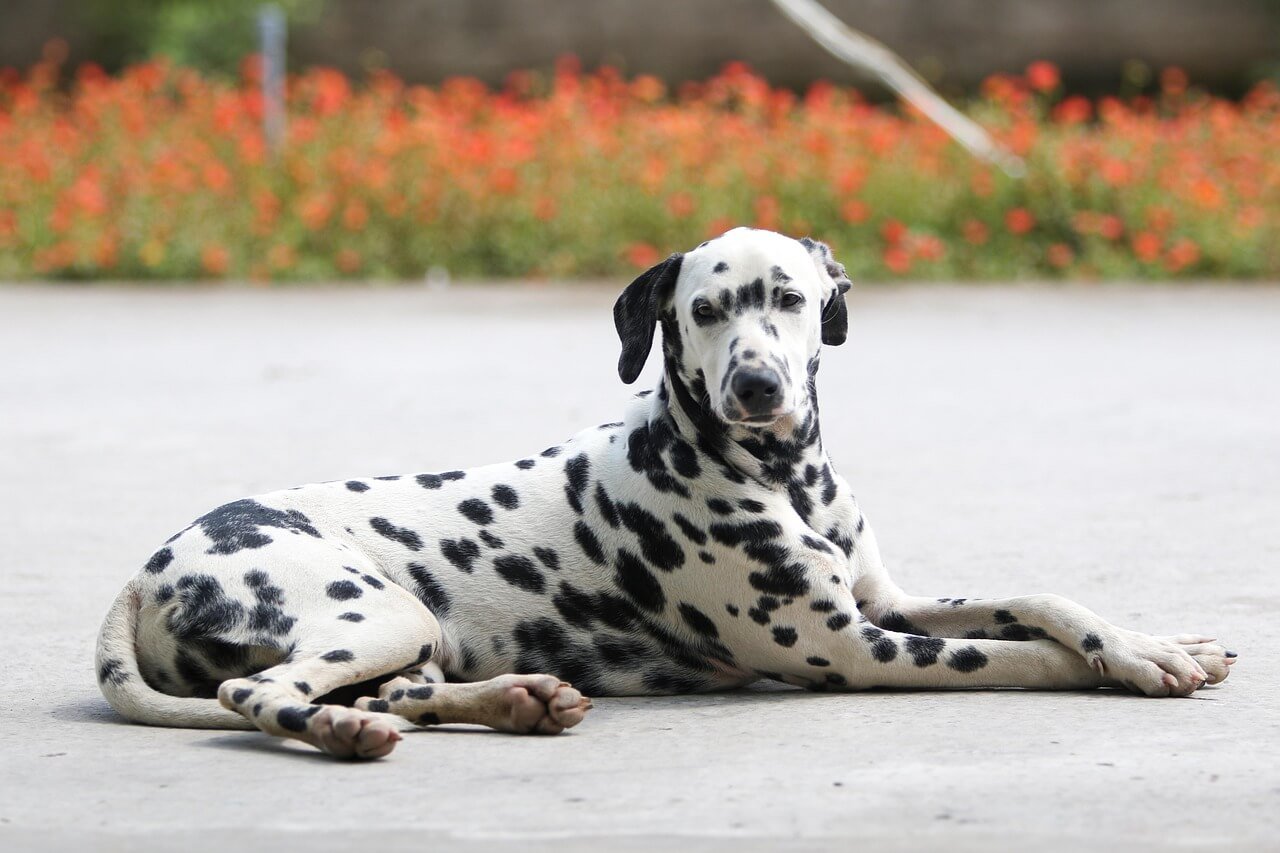


Are Dalmatians Hypoallergenic? Best 7 Expert Tips!

Are Dalmatians Hypoallergenic? Best 7 Expert Tips!

Are Dalmatians Hypoallergenic?


Dalmatians, with their iconic black-and-white spotted coats and playful personalities, are one of the most recognizable dog breeds. However, for allergy sufferers considering adding a Dalmatian to their family, the question arises: Are Dalmatians hypoallergenic? While no dog is completely allergen-free, some breeds produce fewer allergens than others, making them better suited for people with sensitivities. In this blog post, we’ll explore whether Dalmatians fall into this category, examine their shedding habits, grooming needs, and other factors that contribute to allergies, and provide tips for managing life with a Dalmatian if you’re prone to reactions.

Understanding Hypoallergenic Dogs and Dalmatians


Before determining whether Dalmatians are hypoallergenic, it’s important to understand what “hypoallergenic” means in the context of dogs. Hypoallergenic breeds are those that are less likely to trigger allergic reactions due to reduced shedding and lower production of certain allergens.

 
  • What Causes Dog Allergies?
    Most allergies stem from proteins found in a dog’s dander (dead skin flakes), saliva, and urine—not just their fur.

  • Dalmatians and Shedding:
    Dalmatians have a short, dense coat that sheds moderately year-round and heavily during seasonal changes. This shedding can spread allergens around the home.

  • Dander Production:
    Like all dogs, Dalmatians produce dander, which can accumulate and cause allergic reactions in sensitive individuals.

  • Saliva and Allergens:
    Frequent licking or drooling can transfer allergens from a Dalmatian’s saliva onto surfaces or directly onto people.

  • Conclusion on Hypoallergenic Status:
    Unfortunately, Dalmatians are not considered hypoallergenic due to their shedding tendencies and dander production.


While Dalmatians may not be ideal for allergy sufferers, there are ways to mitigate allergens and enjoy life with these lovable spotted companions.

Managing Dalmatian Allergens in Your Home


If you’re set on owning a Dalmatian despite allergies, there are practical steps you can take to minimize allergens and create a more comfortable living environment.

 
  • Regular Grooming:
    Brush your Dalmatian frequently to remove loose hair and reduce the amount of dander floating around your home.

  • Bathing Routine:
    Bathe your Dalmatian every few weeks to clean their coat and reduce allergens trapped in their fur.

  • Air Purifiers:
    Use high-efficiency particulate air (HEPA) purifiers to capture airborne dander and other allergens.

  • Frequent Cleaning:
    Vacuum carpets, rugs, and upholstery regularly using a vacuum cleaner designed for pet hair to keep allergens at bay.

  • Designated Pet-Free Zones:
    Create allergy-friendly zones in your home, such as bedrooms, where your Dalmatian is not allowed.


By implementing these strategies, you can significantly reduce the impact of allergens while enjoying the company of your Dalmatian.

Are Dalmatians Hypoallergenic? Best 7 Expert Tips!
Tips for Reducing Dalmatian Allergens
Potential Challenges with Dalmatians
Regular brushing to control shedding
Moderate to heavy shedding year-round
Bathing every 2-3 weeks
Dander accumulation in the home
Using HEPA air purifiers
Saliva-based allergens from licking
Vacuuming with pet-specific tools
Difficulty for severe allergy sufferers
Creating pet-free zones
Seasonal shedding spikes

Other Factors That Affect Allergies Around Dalmatians


Beyond shedding and dander, several additional factors influence how allergenic a Dalmatian may be. Understanding these elements can help you make informed decisions about cohabiting with this breed.

 
  • Individual Sensitivity Levels:
    Allergy severity varies from person to person; some may tolerate Dalmatians better than others.

  • Home Environment:
    The cleanliness and ventilation of your living space can either exacerbate or alleviate allergy symptoms.

  • Dog Size and Activity Level:
    Larger, active dogs like Dalmatians may spread more allergens through movement and play.

  • Frequency of Interaction:
    Close contact, such as cuddling or allowing your Dalmatian on furniture, increases exposure to allergens.

  • Outdoor Time:
    Spending more time outdoors reduces the concentration of allergens inside your home.


Considering these factors helps tailor solutions to your specific situation and improve comfort levels.

Alternatives for Allergy Sufferers Who Love Dalmatians


If a Dalmatian’s shedding proves too challenging for your allergies, there are alternative options to consider without giving up on canine companionship entirely.

 
  • Hypoallergenic Breeds:
    Explore breeds like Poodles, Bichon Frises, or Portuguese Water Dogs, which are known for being low-shedding and hypoallergenic.

  • Mixed Breeds with Low Shedding:
    Some mixed-breed dogs inherit traits from hypoallergenic parents, making them suitable for allergy sufferers.

  • Adopting an Older Dog:
    Adult dogs often shed less than puppies, and their personalities are already developed, making it easier to assess compatibility.

  • Professional Grooming Services:
    Outsource grooming tasks to professionals who specialize in reducing allergens from pets’ coats.

  • Temporary Fostering:
    Test your tolerance by fostering a Dalmatian or similar breed before committing to full-time ownership.


These alternatives ensure you find a furry friend that fits both your lifestyle and allergy needs.


Signs You Might Be Allergic to Your Dalmatian


Allergic reactions to dogs can manifest in various ways. Recognizing these signs early allows you to address issues promptly and seek solutions.

 
  • Sneezing and Runny Nose:
    These symptoms indicate respiratory irritation caused by airborne allergens.

  • Itchy Eyes and Watery Discharge:
    Allergens can irritate the eyes, leading to discomfort and redness.

  • Skin Rashes or Hives:
    Direct contact with your Dalmatian’s fur or saliva may cause localized skin reactions.

  • Coughing or Wheezing:
    Severe cases may involve difficulty breathing, especially in individuals with asthma.

  • Fatigue or Congestion:
    Constant exposure to allergens can leave you feeling tired or congested.


Identifying these symptoms ensures timely intervention and improved quality of life.

Benefits of Owning a Dalmatian Despite Allergies


Despite the challenges posed by allergens, many people choose to share their lives with Dalmatians because of the unique joys they bring.

 
  • Loyal Companionship:
    Dalmatians form strong bonds with their owners, offering unwavering loyalty and affection.

  • High Energy and Playfulness:
    Their energetic nature makes them excellent partners for outdoor activities like running or hiking.

  • Intelligence and Trainability:
    Dalmatians excel in obedience training and thrive when given mental stimulation.

  • Protective Instincts:
    Known for their watchful nature, Dalmatians make reliable guard dogs for families.

  • Unique Appearance:
    Their striking spotted coat sets them apart, drawing admiration wherever they go.


These qualities make Dalmatians worth the extra effort for dedicated owners.

Tips for Choosing the Right Dog for Allergy Sufferers


If you’re exploring dog breeds beyond Dalmatians, consider these tips to find a pet that aligns with your allergy needs and lifestyle preferences.

 
  • Research Breed Characteristics:
    Look for breeds with minimal shedding and low dander production to reduce allergen exposure.

  • Visit Breeders or Shelters:
    Spend time interacting with potential pets to gauge your reaction before committing.

  • Consult an Allergist:
    Discuss your options with a healthcare professional who can recommend strategies for cohabiting with pets.

  • Consider Size and Coat Type:
    Smaller dogs with single-layer coats often produce fewer allergens compared to larger, double-coated breeds.

  • Evaluate Lifestyle Compatibility:
    Ensure the breed’s energy level, grooming needs, and temperament match your daily routine.


Taking these steps ensures you find a furry companion that brings joy without compromising your well-being.

Frequently Asked Questions About Dalmatians and Allergies

 
Do Dalmatians shed a lot?

Yes, Dalmatians shed moderately year-round and heavily during seasonal changes.

It depends on the severity of your allergies and how much effort you’re willing to put into managing allergens.

Bathing every 2-3 weeks is recommended to reduce allergens and maintain coat health.

No dog is completely allergen-free, but some breeds produce fewer allergens than others.

Grooming helps but won’t fully eliminate allergens; combining multiple strategies works best.

Finding Balance Between Loving Dalmatians and Managing Allergies


While Dalmatians are not hypoallergenic, they remain beloved companions for countless families worldwide. For allergy sufferers, the key lies in understanding the breed’s characteristics and taking proactive measures to minimize allergens. With proper care, regular cleaning, and thoughtful adjustments to your lifestyle, you can enjoy the unique charm of a Dalmatian without compromising your health. Remember, preparation and commitment go a long way in creating a happy, allergy-friendly home for both you and your spotted friend.

Understanding Cryptosporidium in Cats: Best 7 Expert Tips!

Understanding Cryptosporidium in Cats: Best 7 Expert Tips! – Spot symptoms, treat safely, and stop parasite spread in your home.

Understanding Cryptosporidium in Dogs: Best 7 Expert Tips!

Understanding Cryptosporidium in Dogs: Best 7 Expert Tips! – Learn symptoms, treatment & prevention for this stubborn gut parasite.

Understanding Syringomyelia in Cats: Best 7 Expert Tips!

Understanding Syringomyelia in Cats: Best 7 Expert Tips! – Recognize signs, manage pain, and support your cat’s neurological health with vet-backed guidance.

Understanding Syringomyelia in Dogs: Best 7 Expert Tips!

Understanding Syringomyelia in Dogs: Best 7 Expert Tips! – Expert insights on symptoms, MRI diagnosis, pain management & quality of life.

Leave a Reply

Your email address will not be published. Required fields are marked *


