
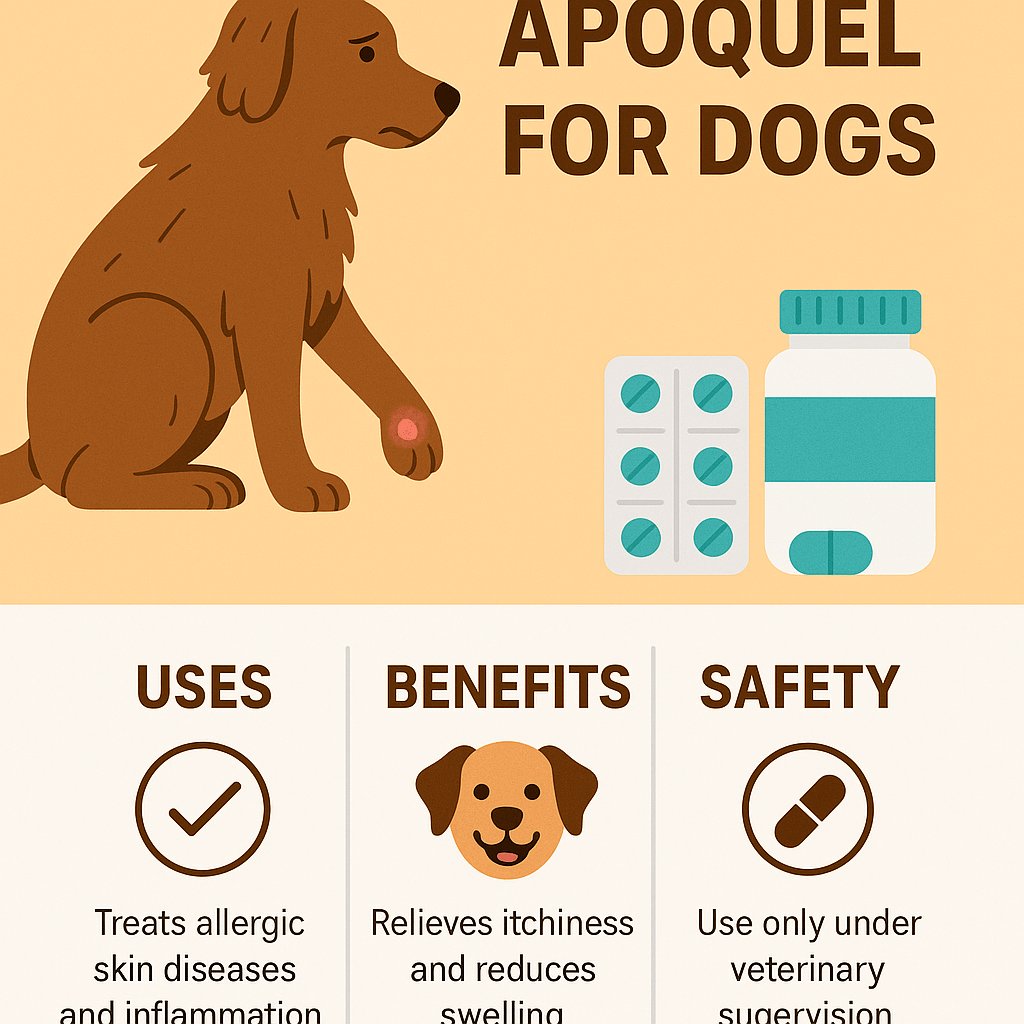

Apoquel for Dogs: What You Need to Know
If your dog suffers from allergies or chronic itching, you’ve likely heard of Apoquel. This medication has become a popular choice among veterinarians and pet owners for managing allergic reactions and skin conditions in dogs. But what exactly is Apoquel, how does it work, and is it the right solution for your furry friend? In this blog post, we’ll explore everything you need to know about Apoquel, including its benefits, potential side effects, and alternatives. Whether you’re considering this treatment or simply want to learn more, this guide will help you make informed decisions about your dog’s health.
Expert Insight
“Apoquel® (active ingredient oclacitinib) is an FDA-approved veterinary prescription allergy medication used to treat itching and inflammation associated with allergic dermatitis in dogs, including flea allergy (allergy to flea bite saliva) and atopic dermatitis, a common long-term inflammatory skin disease triggered by environmental allergies.”
How Apoquel Works to Relieve Allergies in Dogs
Apoquel is designed to target the root cause of itching and inflammation caused by allergies. Understanding how it works can help you appreciate its effectiveness and limitations.
Blocks Itch Signals:
Apoquel inhibits specific enzymes (JAK enzymes) that trigger itching and inflammation, providing rapid relief for dogs with allergic dermatitis.Fast-Acting Relief:
Unlike some treatments that take days or weeks to show results, Apoquel often begins working within hours, making it ideal for acute flare-ups.Non-Steroidal Formula:
Unlike corticosteroids, Apoquel doesn’t suppress the immune system, reducing the risk of long-term side effects associated with steroids.Targeted Action:
The medication focuses on specific pathways in the body, minimizing interference with other bodily functions.Suitable for Chronic Use:
Many veterinarians recommend Apoquel for long-term management of chronic allergies, as it provides consistent relief without systemic damage.
By addressing the underlying causes of itching, Apoquel offers a safe and effective way to improve your dog’s quality of life.
Potential Side Effects of Apoquel in Dogs
While Apoquel is generally well-tolerated, like any medication, it can have side effects. Being aware of these potential issues allows you to monitor your dog’s health closely.
Mild Gastrointestinal Upset:
Some dogs may experience vomiting, diarrhea, or loss of appetite after starting Apoquel. These symptoms are usually temporary.Increased Risk of Infections:
Apoquel’s immune-modulating effects may slightly increase susceptibility to infections, such as respiratory or urinary tract issues.Lethargy or Fatigue:
A small percentage of dogs may exhibit signs of tiredness or reduced energy levels during the initial days of treatment.Skin Irritation or Redness:
Rarely, dogs may develop localized skin reactions, such as redness or swelling, which should be reported to your vet.Long-Term Monitoring:
Prolonged use requires regular check-ups to ensure your dog’s liver and kidney function remain healthy.
Most side effects are mild and resolve on their own, but always consult your veterinarian if you notice anything unusual.
Check this guide 👉Cetirizine for Dogs: Best 7 Expert Tips!
Check this guide 👉Acepromazine for Dogs: Best 7 Expert Tips!
Check this guide 👉Rimadyl for Dogs: Best 7 Expert Tips!
Benefits of Apoquel for Dogs | Considerations Before Using Apoquel |
|---|---|
Fast-acting relief for itching | Potential for mild gastrointestinal upset |
Non-steroidal formula reduces risks | Requires veterinary prescription |
Effective for chronic allergy management | Long-term use needs regular monitoring |
Minimal impact on immune system | Not suitable for all dogs (e.g., puppies) |
Improves overall skin and coat health | Cost may be higher than other treatments |
When to Consider Alternatives to Apoquel
While Apoquel is highly effective, it may not be the best option for every dog. Certain situations call for alternative treatments to address allergies and skin issues.
Puppies Under 12 Months Old:
Apoquel is not approved for use in young dogs, so other treatments like antihistamines or topical solutions may be safer.Dogs with Liver or Kidney Issues:
Pets with pre-existing organ conditions may require gentler medications to avoid complications.Severe Reactions to Apoquel:
If your dog experiences significant side effects, your vet may recommend switching to a different medication.Budget Constraints:
Apoquel can be expensive, prompting some owners to explore cost-effective alternatives like dietary changes or supplements.Holistic Approaches:
Natural remedies, such as omega-3 fatty acids or herbal supplements, may complement or replace traditional medications.
Exploring alternatives ensures your dog receives the most appropriate care based on their unique needs.
Tips for Managing Your Dog’s Allergies Alongside Apoquel
Using Apoquel effectively involves more than just administering the medication. Combining it with proactive measures can enhance its benefits and support your dog’s overall health.
Identify and Avoid Triggers:
Work with your vet to determine allergens (e.g., pollen, food, fleas) and minimize exposure to them.Maintain a Healthy Diet:
High-quality, hypoallergenic diets can reduce inflammation and support skin health in allergic dogs.Regular Bathing and Grooming:
Frequent baths with medicated shampoos remove allergens from your dog’s coat and soothe irritated skin.Flea Prevention:
Even a single flea bite can trigger an allergic reaction, so consistent flea control is essential.Monitor Progress Regularly:
Keep track of your dog’s symptoms and report any changes to your veterinarian promptly.
By combining Apoquel with these strategies, you can maximize its effectiveness and keep your dog comfortable.
Common Misconceptions About Apoquel
There are several myths surrounding Apoquel that can lead to confusion among pet owners. Clarifying these misconceptions helps ensure you’re using the medication safely and effectively.
Myth: Apoquel Cures Allergies Completely:
Apoquel manages symptoms but doesn’t eliminate the underlying cause of allergies. Identifying triggers remains crucial.Myth: It Weakens the Immune System:
Unlike steroids, Apoquel targets specific pathways and has minimal impact on overall immunity.Myth: It’s Only for Severe Cases:
Apoquel can be used for both acute flare-ups and long-term management, depending on your dog’s condition.Myth: All Dogs Experience Side Effects:
Most dogs tolerate Apoquel well, and serious side effects are rare when used as directed.Myth: It’s Unsafe for Older Dogs:
Age alone isn’t a barrier to using Apoquel, though underlying health issues should be evaluated first.
Understanding the truth behind these myths ensures you use Apoquel confidently and responsibly.
Signs Your Dog May Benefit from Apoquel
Not sure if Apoquel is right for your dog? Look out for these signs that indicate your pup might benefit from this medication.
Excessive Scratching or Licking:
Persistent scratching, especially around the paws, ears, or belly, is a common sign of allergic dermatitis.Red, Inflamed Skin:
Visible irritation, hot spots, or scabs suggest your dog is struggling with an allergic reaction.Hair Loss or Bald Patches:
Constant licking and chewing can lead to patchy fur, signaling discomfort and stress.Chronic Ear Infections:
Recurring ear problems often accompany allergies and may improve with Apoquel.Difficulty Sleeping Due to Itching:
If your dog seems restless at night because of itching, it’s a strong indicator they need relief.
Recognizing these symptoms early can help you address your dog’s discomfort before it worsens.
How to Administer Apoquel Safely
Proper administration is key to ensuring Apoquel works effectively and safely for your dog. Follow these tips to give your pup the best care possible.
Follow Dosage Instructions Carefully:
Always administer the exact dose prescribed by your vet, even if symptoms improve quickly.Give with Food:
Offering Apoquel with a meal can reduce the risk of stomach upset and improve absorption.Stick to a Routine:
Administer the medication at the same time each day to maintain consistent levels in your dog’s system.Watch for Behavioral Changes:
Monitor your dog closely for any unusual behavior or side effects, reporting them to your vet promptly.Keep Records of Symptoms:
Document your dog’s progress to help your vet assess whether adjustments are needed over time.
By following these guidelines, you can ensure Apoquel provides maximum benefit with minimal risks.
Frequently Asked Questions About Apoquel for Dogs
How quickly does Apoquel start working?
Most dogs experience relief within 4-24 hours after taking Apoquel.
Can Apoquel be used long-term?
Yes, many veterinarians prescribe Apoquel for ongoing allergy management, but regular check-ups are necessary.
Is Apoquel safe for all dogs?
While generally safe, it’s not recommended for puppies under 12 months or dogs with certain health conditions.
Are there natural alternatives to Apoquel?
Supplements like omega-3 fatty acids and coconut oil can help, but they may not provide the same level of relief.
What should I do if my dog vomits after taking Apoquel?
Contact your vet immediately to determine whether to adjust the dosage or switch treatments.
Making Informed Decisions About Apoquel for Your Dog
Apoquel offers a powerful solution for dogs suffering from allergies and chronic itching, providing fast and reliable relief. However, it’s important to weigh its benefits against potential risks and consider your dog’s individual needs. By staying informed, working closely with your veterinarian, and exploring complementary strategies, you can ensure your dog enjoys a happy, itch-free life. Remember, every dog is unique, and finding the right approach takes time—but the effort is worth it to see your furry companion thrive.
Understanding Cryptosporidium in Cats: Best 7 Expert Tips! – Spot symptoms, treat safely, and stop parasite spread in your home.
Understanding Cryptosporidium in Dogs: Best 7 Expert Tips! – Learn symptoms, treatment & prevention for this stubborn gut parasite.
Understanding Syringomyelia in Cats: Best 7 Expert Tips! – Recognize signs, manage pain, and support your cat’s neurological health with vet-backed guidance.
Understanding Syringomyelia in Dogs: Best 7 Expert Tips! – Expert insights on symptoms, MRI diagnosis, pain management & quality of life.


