
Recognizing Anxious Dog Body Language: Best 7 Expert Tips
Common Signs of Anxiety in Dog Body Language
- Lip Licking or Tongue Flicking:
This repetitive behavior involves flicking the tongue in and out or licking the lips without food present. It’s one of the earliest signs of mild anxiety, often seen in unfamiliar or stressful environments. - Yawning When Not Tired:
Excessive yawning, especially when your dog isn’t sleepy, indicates nervousness or an attempt to self-soothe during tense situations. This behavior is particularly noticeable in crowded or noisy settings. - Panting Without Exercise or Heat:
Dogs may pant heavily even when they haven’t been active or exposed to high temperatures. This type of panting is shallow and rapid, signaling stress rather than physical exertion or overheating. - Whale Eye (Showing the Whites of Eyes):
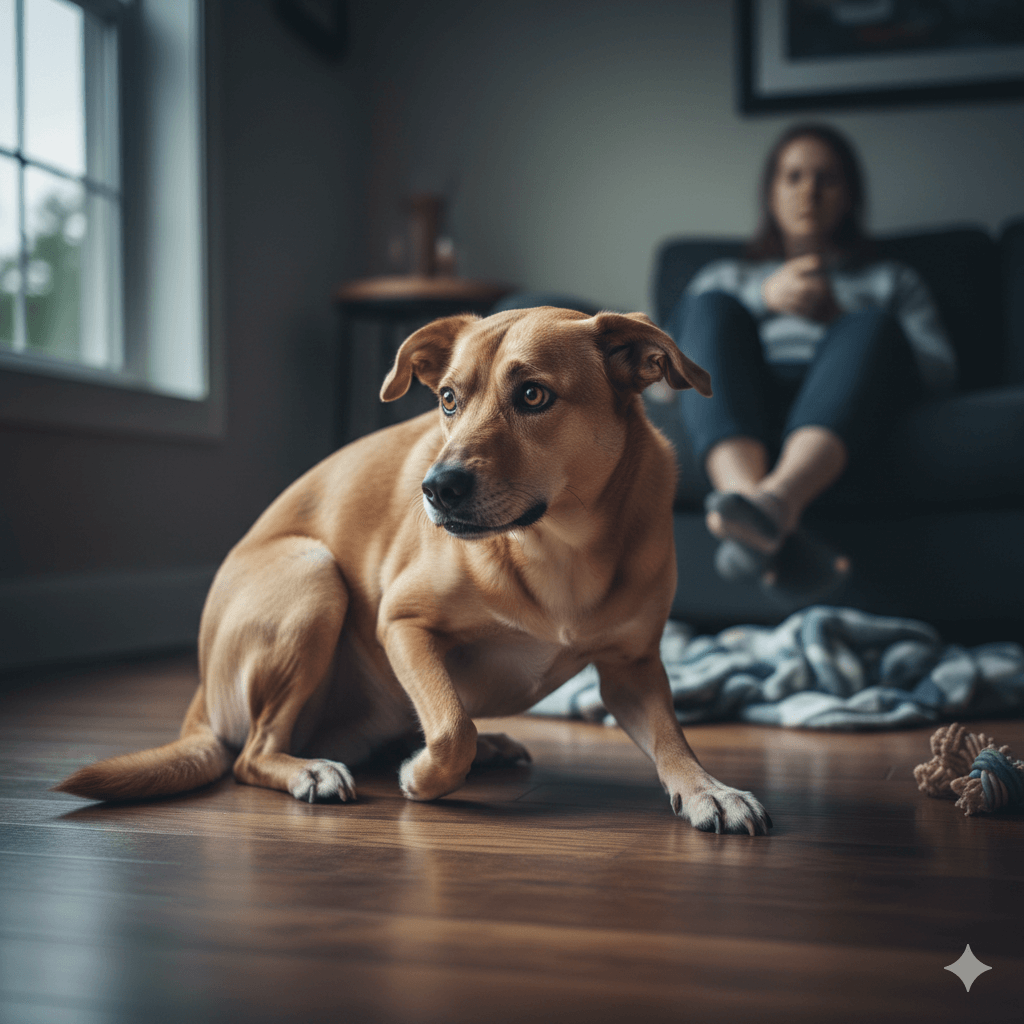
When a dog shows the whites of their eyes while turning their head away, it’s called “whale eye.” This occurs when they feel threatened but are trying to avoid direct confrontation. - Tucked Tail or Lowered Body Posture:
A tucked tail close to the belly or a lowered body posture reflects fear or submission. Dogs adopt this stance to appear smaller and less threatening in uncomfortable situations.
Subtle Behavioral Cues of Anxiety in Dogs
- Avoidance of Eye Contact:
Dogs naturally avoid eye contact when feeling uneasy or submissive. If your dog consistently looks away from people or other animals, it could indicate discomfort. - Freezing in Place:
A sudden stillness or “freeze” is a defensive reaction to perceived threats. Freezing often precedes fight-or-flight responses, making it a critical warning sign. - Shaking or Trembling:
Unexplained shaking, especially in the absence of cold weather, suggests heightened anxiety. This involuntary response mirrors how humans might tremble under stress. - Pacing or Restlessness:
Repeatedly walking back and forth without purpose signals inner turmoil. Pacing is a displacement activity that helps dogs release pent-up energy caused by stress. - Excessive Scratching or Grooming:
Dogs may scratch themselves or lick their paws excessively as a way to cope with anxiety. This behavior serves as a distraction from whatever is causing their unease.
Check this guide 👉Normal Dog Body Temperature: Best 7 Expert Tips!
Check this guide 👉Signs of a Foreign Body in Dogs: Best 7 Expert Tips!
Check this guide 👉Understanding Dog Body Language: Best 7 Expert Tips!
Common Signs of Anxiety | Immediate Actions to Take |
|---|---|
Lip licking or yawning excessively | Remove your dog from the stressful environment |
Whale eye or tucked tail | Avoid direct eye contact and give them space |
Panting without heat or exercise | Offer fresh water and monitor breathing |
Pacing or trembling uncontrollably | Calmly redirect attention to a familiar activity |
Hiding or seeking isolation | Respect their need for space; provide a safe retreat |
Physical Changes During Episodes of Anxiety
- Dilated Pupils:
Enlarged pupils occur when a dog feels scared or overstimulated. This reaction increases visual awareness but reduces depth perception, adding to their stress. - Raised Hackles (Piloerection):
The hair along a dog’s back may stand up due to adrenaline release. Raised hackles don’t always mean aggression; they can also reflect fear or uncertainty. - Excessive Drooling:
Unusual drooling, especially indoors or without food nearby, indicates nervousness. Saliva production increases as part of the body’s stress response. - Rapid Heart Rate or Panting:
You may notice your dog’s heartbeat quickening or hear heavy panting. Both are physiological reactions triggered by the “fight or flight” mechanism. - Loss of Appetite:
Stress suppresses hunger, leading anxious dogs to refuse food despite being hungry. Temporary appetite loss is common during periods of anxiety.
Contextual Triggers for Anxious Body Language
- Loud Noises Such as Thunderstorms or Fireworks:
Sudden, unpredictable sounds overwhelm a dog’s senses, causing them to exhibit fearful behaviors like hiding or trembling. - Unfamiliar People or Animals:
Meeting new individuals or encountering unknown pets can provoke anxiety, especially if introductions aren’t handled gradually. - Veterinary Visits or Grooming Sessions:
Medical examinations or grooming procedures can evoke stress due to past negative experiences or lack of familiarity. - Changes in Routine or Environment:
Moving homes, rearranging furniture, or altering daily schedules disrupts a dog’s sense of security, leading to anxious behavior. - Confinement or Crating Issues:
Some dogs associate crates or small spaces with punishment, triggering claustrophobic reactions or panic attacks.
How to Respond to Anxious Body Language
- Provide a Safe Space:
Create a quiet area where your dog can retreat when feeling overwhelmed. Equip it with cozy bedding, toys, and familiar scents for comfort. - Use Calming Signals:
Mimic calming gestures like slow blinks or turning sideways to communicate non-threatening intentions and soothe your dog. - Avoid Punishment:
Never scold or punish anxious behaviors, as this intensifies fear and damages trust between you and your pet. - Redirect Attention Positively:
Engage your dog in fun activities like fetch or treat puzzles to shift their focus away from stressors and onto something enjoyable. - Consult a Professional Trainer:
If anxiety persists, seek guidance from a certified trainer or behaviorist who specializes in positive reinforcement techniques.
Preventive Measures to Reduce Anxiety
- Establish Consistent Routines:
Dogs thrive on predictability; maintaining regular feeding, walking, and sleeping schedules fosters a sense of security. - Socialize Gradually:
Introduce your dog to new people, places, and animals slowly to build confidence and reduce fear-based reactions over time. - Desensitize to Triggers:
Expose your dog to low-intensity versions of their triggers (e.g., recorded thunder at low volume) and reward calm behavior. - Invest in Mental Stimulation:
Interactive toys, obedience training, and scent work engage your dog’s mind, reducing boredom-related anxiety. - Regular Exercise and Playtime:
Physical activity releases endorphins, which naturally combat stress and improve overall mood in dogs.
Long-Term Solutions for Managing Anxiety
- Behavior Modification Training:
Work with a professional to implement counter-conditioning and desensitization exercises tailored to your dog’s specific needs. - Supplements or Medications:
Natural supplements like melatonin or vet-prescribed medications can help manage severe anxiety safely and effectively. - Calming Aids and Tools:
Products such as compression wraps, pheromone diffusers, or white noise machines offer additional comfort during stressful times. - Healthy Diet and Nutrition:
Balanced nutrition supports brain health, while avoiding allergens or additives minimizes irritability linked to dietary issues. - Routine Veterinary Check-Ups:
Regular exams rule out medical conditions that might contribute to anxiety, ensuring your dog receives comprehensive care.
“An anxious dog may pant, pace, tremble, drool, withdraw from its owner, or hide. Alternatively, they may appear irritable or aggressive (i.e., bark or growl at someone). The dog’s tail may be low or tucked, ears back, eyes dilated or showing lots of white around them (whale eye).” – Stephanie Borns-Weil, VMD
Frequently Asked Questions About Anxious Dog Body Language
What should I do if my dog shows anxious body language?
Stay calm and remove them from the stressful situation. Provide comfort without forcing interaction, and consult a professional if anxiety persists.
How can I tell if my dog’s behavior is due to anxiety or excitement?
Are certain breeds more prone to anxiety?
Yes, some breeds like Greyhounds, Chihuahuas, and Border Collies are more sensitive to stress due to their genetics or temperament traits.
Can anxiety be cured in dogs?
While anxiety may not always be “cured,” it can be managed effectively through training, environmental adjustments, and sometimes medication.
When should I seek professional help for my anxious dog?
If anxiety disrupts daily life, leads to aggression, or worsens despite your efforts, consult a veterinarian or certified behaviorist immediately.
A Lifeline in Every Moment of Uncertainty

Is Rawhide Bad for Cats? Best 7 Expert Tips! – Discover the risks, safe alternatives, and expert advice to keep your feline friend healthy and happy.

Is Rawhide Bad for Dogs? Best 7 Expert Tips! – Discover the risks, benefits, and safer alternatives to rawhides for your dog’s chewing needs.

Understanding Anorexia in Cats: Best 7 Expert Tips! – Learn why cats stop eating, spot warning signs, and discover how to help your feline regain appetite safely.

Understanding Anorexia in Dogs: Best 7 Expert Tips! – Learn causes, symptoms, and solutions to help your dog regain appetite and stay healthy.