
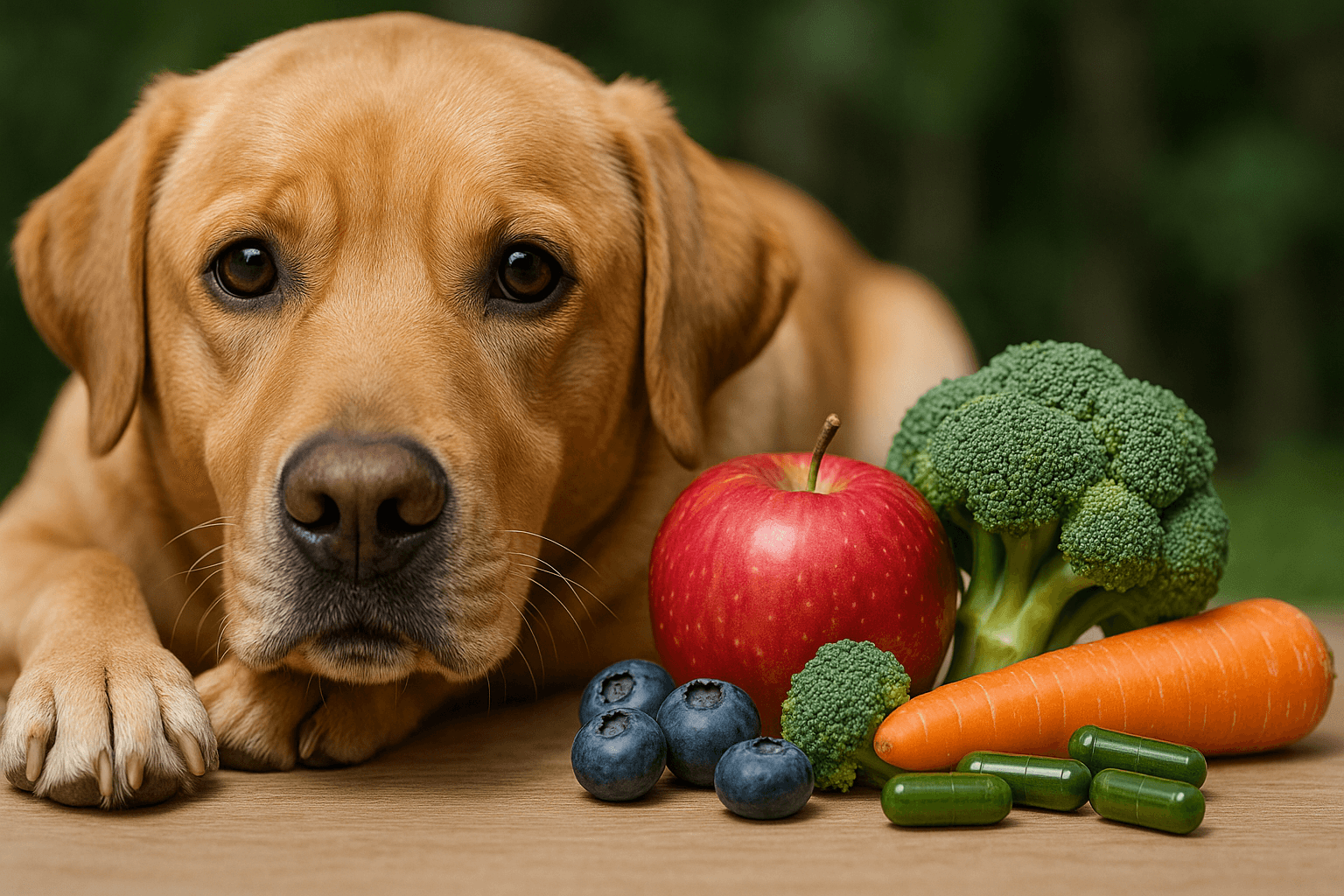
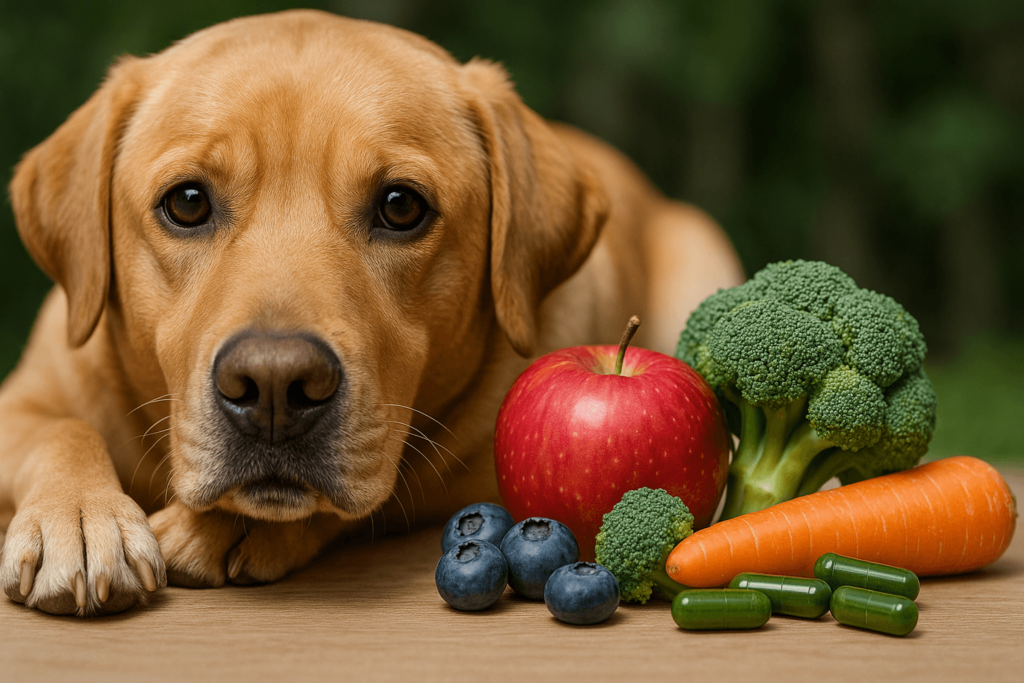

Antioxidants for Dogs: Boosting Longevity and Vibrant Health
Every dog deserves to age gracefully—with bright eyes, a wagging tail, and energy to spare. Antioxidants play a quiet but powerful role in supporting that vision by shielding cells from damage caused by free radicals. Found naturally in many whole foods and supplements, these compounds help combat inflammation, support immunity, and may even slow cognitive decline. While your pup won’t read nutrition labels, you can make smart choices that give them a cellular edge. Let’s explore how antioxidants for dogs can be a simple yet transformative part of their wellness journey.
What Are Antioxidants—and Why Do Dogs Need Them?
Antioxidants are molecules that neutralize harmful free radicals—unstable compounds produced during normal metabolism or exposure to pollutants, stress, and UV light. Without enough antioxidants, these free radicals can damage cells, accelerate aging, and contribute to chronic disease.
- Natural defense system support:
Dogs produce some antioxidants internally, but modern diets and lifestyles often create an imbalance, making dietary sources essential. - Protection against oxidative stress:
This cellular “rust” affects joints, skin, brain function, and organ health—especially in senior or highly active dogs. - Immune system reinforcement:
Antioxidants like vitamin C and E help white blood cells function optimally, improving resistance to infections. - Cognitive health preservation:
In aging dogs, antioxidants may slow memory loss and disorientation linked to brain cell deterioration. - Cancer risk mitigation (supportive role):
While not a cure, research suggests certain antioxidants may help reduce DNA damage that can lead to tumor development.
By including antioxidant-rich foods or vet-approved supplements, you’re investing in your dog’s long-term cellular resilience.
Top Natural Food Sources of Antioxidants for Dogs
You don’t always need a supplement—many everyday whole foods offer safe, bioavailable antioxidants that dogs can enjoy (in appropriate amounts).
- Blueberries:
Packed with anthocyanins, these tiny berries support brain health and are safe as a low-calorie treat. - Sweet potatoes:
Rich in beta-carotene (a precursor to vitamin A), they promote skin, eye, and immune health when cooked and served plain. - Spinach (in moderation):
Contains lutein, vitamin C, and flavonoids—but avoid large quantities due to oxalates that may affect kidney health. - Pumpkin (cooked, plain):
Offers beta-carotene and fiber, aiding both digestion and antioxidant defense—great for sensitive stomachs. - Carrots:
Crunchy, low-calorie, and full of carotenoids; excellent for dental health and overall cellular protection.
Always introduce new foods gradually and avoid toxic items like grapes, onions, or garlic—even if they’re antioxidant-rich for humans.
Check this guide 👉Fenbendazole for Dogs: Best 7 Expert Tips!
Check this guide 👉Probiotics for Dogs: Best 7 Expert Tips!
Check this guide 👉Is Aloe Vera Safe for Dogs? Best 7 Expert Tips!
| Safe Antioxidant-Rich Foods | Supplements Requiring Vet Guidance |
|---|---|
| Blueberries (fresh or frozen) | Vitamin E capsules |
| Cooked pumpkin | Coenzyme Q10 (CoQ10) |
| Steamed broccoli (tiny portions) | Omega-3 + antioxidant blends |
| Sliced apples (no seeds) | SAMe (S-Adenosylmethionine) |
| Plain cooked carrots | Curcumin with enhanced absorption |
Antioxidant Supplements: When Are They Necessary?
While whole foods are ideal, some dogs benefit from targeted antioxidant supplementation—especially during illness, aging, or recovery.
- Senior dogs (7+ years):
Cognitive support formulas often include antioxidants like vitamin E, selenium, and resveratrol to maintain brain function. - Dogs with chronic inflammation:
Conditions like arthritis or allergies may respond well to vet-formulated antioxidant blends that reduce oxidative stress. - Post-surgery or illness recovery:
Supplements can support healing by minimizing cellular damage during immune activation. - Canine athletes or working breeds:
Higher metabolic demands increase free radical production, making antioxidants a strategic addition. - Dogs on processed diets long-term:
Kibble loses nutrients over time; a high-quality antioxidant supplement may help fill nutritional gaps.
Never self-prescribe—dosage and formulation matter, and some antioxidants can be harmful in excess.
Key Antioxidant Compounds and Their Benefits
Not all antioxidants work the same way. Each has a unique role in supporting your dog’s health from the inside out.
- Vitamin E:
Protects cell membranes from oxidative damage; vital for skin, coat, and neurological health. - Vitamin C:
While dogs synthesize it naturally, extra vitamin C may aid recovery during stress or infection—acting as a water-soluble antioxidant. - Beta-carotene:
Converts to vitamin A as needed; supports vision, immune response, and mucous membrane integrity. - Selenium:
A trace mineral that works with vitamin E to neutralize free radicals—deficiency can impair heart and thyroid function. - Polyphenols (e.g., from berries):
Plant compounds with anti-inflammatory and neuroprotective effects, shown to support longevity in canine studies.
These nutrients work best in synergy—another reason whole foods often outperform isolated supplements.
What to Avoid: Antioxidant Myths and Missteps
Good intentions can backfire if you’re not careful. Here’s what not to do when boosting your dog’s antioxidant intake.
- Giving human antioxidant pills:
Dosages and additives (like xylitol or iron) can be toxic—never share your supplements with your dog. - Overloading on one antioxidant:
Excess vitamin E or selenium can cause toxicity; balance is more important than high doses. - Assuming “natural” means safe:
Some herbal extracts (e.g., green tea extract in high doses) can harm the liver in dogs. - Using raw cruciferous veggies daily:
Broccoli and kale contain compounds that may suppress thyroid function if fed too frequently. - Replacing veterinary care with supplements:
Antioxidants support health but don’t cure diseases like cancer, kidney failure, or diabetes.
When in doubt, consult your veterinarian—especially before starting any new regimen.
Antioxidants and Specific Health Conditions
Targeted antioxidant use can complement conventional treatment for several common canine ailments.
- Arthritis and joint disease:
Antioxidants reduce inflammation in joints, potentially decreasing pain and improving mobility when combined with joint supplements. - Cognitive Dysfunction Syndrome (CDS):
Senior dogs with “doggy dementia” may show slower decline when fed antioxidant-enriched therapeutic diets. - Skin allergies or dermatitis:
Vitamin E and omega-3s with antioxidant properties can soothe irritated skin and strengthen the skin barrier. - Heart disease:
CoQ10 and vitamin E support heart muscle function and reduce oxidative stress in cardiac tissue. - Liver support:
SAMe and milk thistle (silymarin) act as liver-protective antioxidants under veterinary supervision.
These applications should always be part of a broader treatment plan—not standalone fixes.
Building a Long-Term Antioxidant Strategy for Your Dog
Consistency and variety matter more than occasional “superfood” treats. A thoughtful, lifelong approach yields the best results.
- Rotate safe antioxidant-rich foods weekly:
Offer blueberries one day, carrots another, and pumpkin occasionally to provide diverse phytonutrients. - Choose high-quality, fresh commercial foods:
Look for brands that list whole fruits, vegetables, and added natural antioxidants like rosemary extract. - Store food properly:
Light and air degrade antioxidants—keep kibble in an airtight container and use within 4–6 weeks of opening. - Pair with healthy lifestyle habits:
Regular exercise, mental stimulation, and clean water enhance the benefits of antioxidant intake. - Schedule annual wellness checks:
Your vet can assess your dog’s needs and adjust recommendations based on age, breed, and health status.
Small, consistent choices add up to years of vibrant health and joyful companionship.
Frequently Asked Questions
Are antioxidants safe for all dogs?
Generally, yes—when sourced from food or vet-approved supplements. Puppies, seniors, and dogs with health issues may have specific needs, so always consult your vet first.
Can I give my dog blueberries every day?
In moderation, yes. A few blueberries daily are safe for most dogs, but treats (including fruits) should not exceed 10% of total daily calories.
Do commercial dog foods contain enough antioxidants?
Many do, especially premium or veterinary diets. However, processing reduces potency, so fresh additions can enhance intake.
Can too many antioxidants be harmful?
Yes. Megadoses of isolated antioxidants (like vitamin E or selenium) can cause toxicity. Balance and appropriateness are key.
Are there antioxidant benefits for young, healthy dogs?
Absolutely. Early cellular protection may delay age-related decline and support immune resilience throughout life.
Nourish from the Inside Out—One Berry at a Time
Antioxidants for dogs aren’t about chasing miracle cures—they’re about thoughtful, daily choices that honor your pet’s long-term well-being. From the crunch of a carrot to the careful addition of a vet-recommended supplement, each decision contributes to stronger cells, a sharper mind, and a more joyful life. You don’t need a science degree to make a difference; you just need love, awareness, and a willingness to learn. And in return, your loyal companion gets more mornings chasing sunbeams, more walks with their nose to the wind, and more quiet moments by your side—healthy, happy, and whole.
Understanding Cryptosporidium in Cats: Best 7 Expert Tips! – Spot symptoms, treat safely, and stop parasite spread in your home.
Understanding Cryptosporidium in Dogs: Best 7 Expert Tips! – Learn symptoms, treatment & prevention for this stubborn gut parasite.
Understanding Syringomyelia in Cats: Best 7 Expert Tips! – Recognize signs, manage pain, and support your cat’s neurological health with vet-backed guidance.
Understanding Syringomyelia in Dogs: Best 7 Expert Tips! – Expert insights on symptoms, MRI diagnosis, pain management & quality of life.


