
Understanding Anti-Inflammatory Options for Dogs
Inflammation is your dog’s natural response to injury or illness—but when it becomes chronic or excessive, it can cause pain and long-term damage. Finding safe, effective anti-inflammatory solutions is crucial for conditions like arthritis, allergies, or post-surgical recovery. While prescription medications exist, many pet parents seek gentler or complementary approaches. With so many options—from vet-approved drugs to natural supplements—it’s wise to understand what truly works and what’s backed by science. Let’s explore the best anti-inflammatory strategies to keep your dog comfortable, mobile, and thriving.
Common Causes of Inflammation in Dogs
Inflammation isn’t always bad—it’s the body’s first line of defense. However, persistent or inappropriate inflammation can do more harm than good. Identifying the trigger helps determine the most appropriate anti-inflammatory approach for your dog’s specific needs:
- Osteoarthritis and Joint Degeneration:
Wear-and-tear on cartilage leads to chronic joint inflammation, stiffness, and pain, especially in older or large-breed dogs. - Allergic Skin Reactions:
Environmental or food allergens can spark itchy, red, inflamed skin, prompting scratching and secondary infections. - Injuries or Trauma:
Sprains, strains, or post-surgical healing often involve localized swelling, heat, and tenderness due to acute inflammation. - Autoimmune Disorders:
Conditions like lupus or inflammatory bowel disease cause the immune system to attack healthy tissues, creating systemic inflammation. - Dental Disease:
Infected gums and tooth roots trigger chronic oral inflammation that can affect the heart, kidneys, and overall health.
Addressing the root cause—not just the symptom—is key to choosing the right anti-inflammatory strategy for lasting relief.
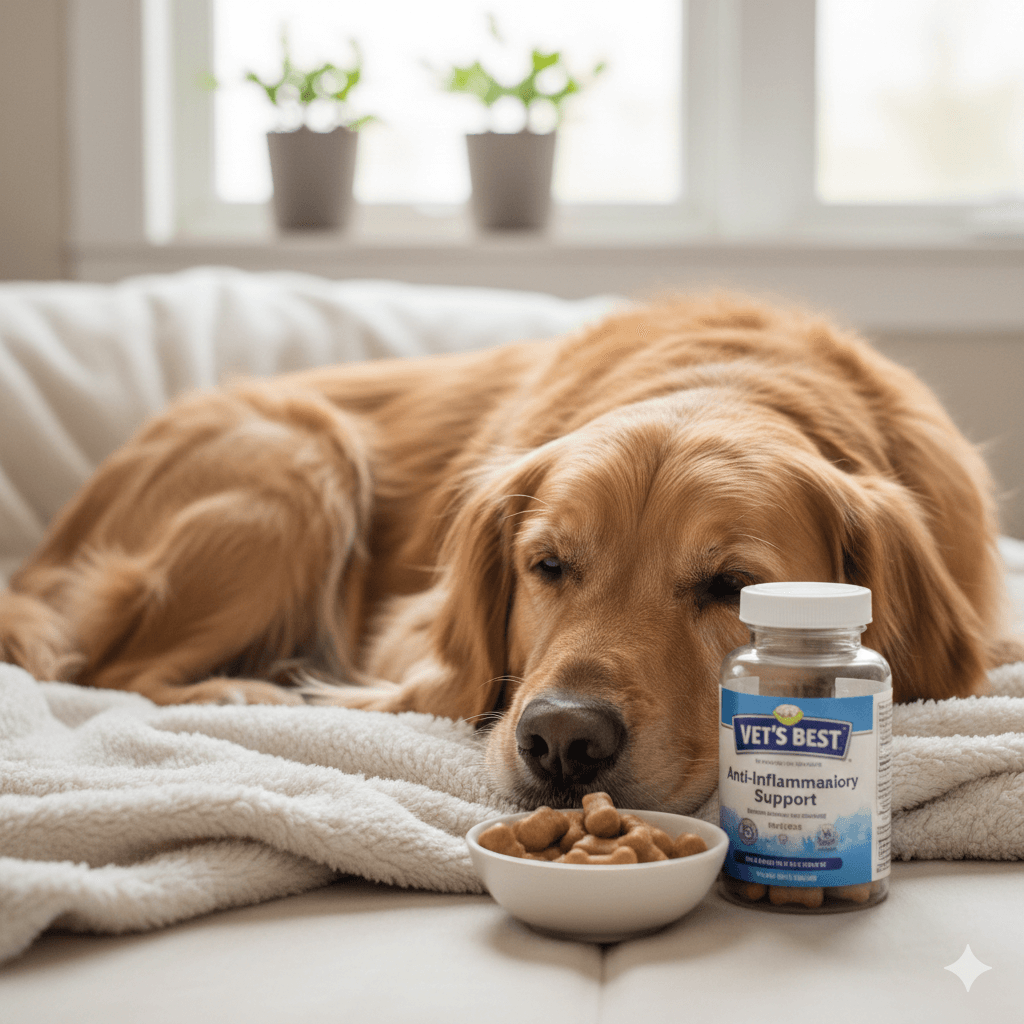
Prescription Anti-Inflammatory Medications
Veterinarians often prescribe pharmaceutical anti-inflammatories for moderate to severe cases. These drugs are potent and fast-acting but require careful monitoring due to potential side effects:
- NSAIDs (Non-Steroidal Anti-Inflammatory Drugs):
Medications like carprofen, meloxicam, and deracoxib reduce pain and swelling by blocking inflammatory enzymes—commonly used for arthritis. - Corticosteroids:
Drugs like prednisone offer strong anti-inflammatory and immunosuppressive effects, useful for allergies or autoimmune conditions, but not for long-term use. - Gabapentin or Amantadine:
While not classic anti-inflammatories, they modulate nerve pain often associated with chronic inflammation when used alongside other treatments. - Injectable Options (e.g., Librela, Adequan):
Monthly monoclonal antibody injections (Librela) or polysulfated glycosaminoglycan shots (Adequan) target joint inflammation with fewer systemic side effects. - Strict Veterinary Oversight Required:
Blood tests before and during treatment help monitor liver and kidney function, ensuring your dog tolerates the medication safely.
These prescriptions offer powerful relief but should never be used without professional guidance or in combination with other drugs like aspirin.
Check this guide 👉Dog Antibiotics Side Effects: Best 7 Expert Tips!
Check this guide 👉How Much Antifreeze Will Hurt a Dog: Best 7 Expert Tips!
Check this guide 👉Understanding Dog Throwing Up on Antibiotics: Best 7 Tips!
Conventional Medications | Natural & Supportive Options |
|---|---|
NSAIDs for acute pain relief | Omega-3 fatty acids (EPA/DHA) |
Corticosteroids for severe flare-ups | Turmeric with black pepper (curcumin) |
Monthly injectables for osteoarthritis | CBD oil (full-spectrum, vet-approved) |
Requires blood monitoring | Generally safe for long-term use |
Fast-acting but potential side effects | Slower results but fewer risks |
Natural Anti-Inflammatory Supplements
Many pet owners turn to natural supplements to reduce reliance on pharmaceuticals, especially for managing chronic, low-grade inflammation. While not as fast-acting, these options often support overall wellness with minimal risk:
- Omega-3 Fatty Acids (Fish Oil):
EPA and DHA from marine sources actively reduce pro-inflammatory cytokines and are especially beneficial for joint and skin health. - Turmeric (Curcumin):
This bright yellow spice inhibits multiple inflammatory pathways; pairing it with black pepper (piperine) boosts absorption significantly. - CBD Oil (Hemp-Derived):
Full-spectrum CBD may help modulate pain and inflammation through the endocannabinoid system—choose THC-free, third-party tested products. - Green-Lipped Mussel (GLM):
A New Zealand shellfish rich in omega-3s, antioxidants, and glycosaminoglycans that support cartilage and reduce joint inflammation. - Boswellia Serrata (Frankincense Extract):
Known in Ayurvedic medicine, it blocks leukotriene production and has shown promise in improving mobility in arthritic dogs.
Always consult your vet before starting any supplement—especially if your dog is on medication—to avoid interactions or overdosing.
Diet and Lifestyle Approaches to Reduce Inflammation
What your dog eats—and how they live—plays a massive role in managing inflammation. Chronic inflammation often stems from poor diet, obesity, or sedentary habits, all of which are modifiable:
- Anti-Inflammatory Diets:
Choose high-quality, species-appropriate foods rich in omega-3s, antioxidants, and lean protein; avoid fillers, artificial preservatives, and excess carbs. - Weight Management:
Excess fat tissue produces inflammatory cytokines; even a 10% weight loss can dramatically reduce joint stress and systemic inflammation. - Regular, Low-Impact Exercise:
Daily walks, swimming, or gentle play keep joints lubricated and circulation strong without triggering flare-ups. - Hydration:
Proper water intake supports detoxification and helps flush inflammatory byproducts from the body. - Stress Reduction:
Chronic stress elevates cortisol, which can worsen inflammation; provide routine, mental enrichment, and calming aids if needed.
Small, consistent changes in daily habits often yield profound long-term benefits for inflammatory conditions.
Risks and Side Effects to Watch For
Even beneficial anti-inflammatories carry risks, especially with improper use. Vigilance helps prevent complications and ensures your dog’s safety during treatment:
- Gastrointestinal Ulcers:
NSAIDs can irritate the stomach lining, leading to vomiting, black tarry stools, or loss of appetite—never combine with other pain meds. - Liver or Kidney Strain:
Some dogs metabolize drugs slowly; regular bloodwork catches early signs of organ stress before symptoms appear. - Allergic Reactions to Supplements:
Natural doesn’t always mean safe—some dogs react to fish oil, turmeric, or plant extracts with itching, diarrhea, or lethargy. - Over-Supplementation:
Excess omega-3s can thin blood, and too much turmeric may cause digestive upset or interact with blood thinners. - Masking Serious Conditions:
Reducing pain without diagnosing the cause (e.g., a tumor or infection) can delay critical treatment.
When in doubt, prioritize diagnostics and professional guidance over DIY solutions.
Special Considerations for Senior Dogs and Breeds at Risk
Certain dogs need extra care when managing inflammation due to age, genetics, or preexisting health issues. Tailoring your approach ensures both safety and effectiveness:
- Senior Dogs:
Aging livers and kidneys process medications less efficiently; lower doses and frequent monitoring are essential. - Large and Giant Breeds:
Breeds like German Shepherds, Labradors, and Great Danes are prone to hip dysplasia and arthritis, often needing lifelong joint support. - Brachycephalic Breeds:
Dogs like Pugs or Bulldogs may have sensitivities to certain supplements or medications due to narrowed airways and metabolic differences. - Dogs with Preexisting Conditions:
Those with kidney disease, diabetes, or heart issues require anti-inflammatories that won’t exacerbate their primary diagnosis. - Working or Performance Dogs:
Active dogs may need faster-acting relief but also benefit from regenerative therapies like laser treatment or physical rehab.
A personalized plan—crafted with your vet—is always better than a one-size-fits-all solution.
What to Expect During a Veterinary Anti-Inflammatory Plan
If your dog is diagnosed with a condition requiring anti-inflammatory treatment, your vet will create a step-by-step management strategy tailored to their needs:
- Comprehensive Assessment:
Includes physical exam, blood/urine tests, X-rays, or joint fluid analysis to pinpoint the inflammation source. - Multimodal Pain Management:
Combines medications, supplements, diet, and physical therapy for synergistic relief with fewer side effects. - Clear Dosing Instructions:
You’ll receive exact dosage, timing, and administration tips—especially for tricky formats like liquids or chews. - Follow-Up Schedule:
Rechecks at 2–4 weeks ensure the treatment is working and allow adjustments before complications arise. - Owner Education:
Your vet will explain warning signs (e.g., vomiting, behavioral changes) that mean “stop the treatment and call immediately.”
Trust this process—it’s designed not just to reduce inflammation, but to preserve your dog’s quality of life for years to come.
“NSAIDs work by interfering with the COX pathway, either by blocking COX itself or by blocking the activity of other chemicals further down the COX pathway. By blocking this pathway, pain can be significantly reduced.” – Lauren Forsythe, PharmD, DICVP
Frequently Asked Questions About Anti-Inflammatory Options for Dogs
Can I give my dog human ibuprofen or aspirin?
Never. These can cause fatal stomach ulcers, kidney failure, or bleeding disorders in dogs—even small doses are dangerous.
How long does it take for natural anti-inflammatories to work?
Most supplements like fish oil or turmeric require 4–8 weeks of consistent use before noticeable effects appear.
Is CBD legal and safe for dogs?
Yes, if derived from hemp (<0.3% THC) and third-party tested. Start with a low dose and consult your vet, especially if on other meds.
Can diet alone manage arthritis inflammation?
Diet helps significantly—especially weight loss and omega-3s—but rarely suffices for moderate to severe cases without additional support.
Are injectable anti-inflammatories better than pills?
They often are for long-term joint issues (like Librela), offering steady relief with fewer gastrointestinal side effects than oral NSAIDs.
Supporting Your Dog’s Comfort with Smart Anti-Inflammatory Choices
Helping your dog live free from the ache of chronic inflammation is one of the most loving things you can do. Whether you’re managing age-related stiffness, allergic itchiness, or post-injury recovery, the right anti-inflammatory approach blends science, safety, and compassion. While quick fixes may seem tempting, sustainable relief comes from understanding your dog’s unique needs—and working hand-in-hand with your veterinarian. By combining smart nutrition, appropriate supplements, and, when necessary, prescription support, you give your loyal companion the gift of comfort, mobility, and joyful days ahead. After all, every wag, every leap, and every peaceful nap is worth protecting.

Is Rawhide Bad for Cats? Best 7 Expert Tips! – Discover the risks, safe alternatives, and expert advice to keep your feline friend healthy and happy.

Is Rawhide Bad for Dogs? Best 7 Expert Tips! – Discover the risks, benefits, and safer alternatives to rawhides for your dog’s chewing needs.

Understanding Anorexia in Cats: Best 7 Expert Tips! – Learn why cats stop eating, spot warning signs, and discover how to help your feline regain appetite safely.

Understanding Anorexia in Dogs: Best 7 Expert Tips! – Learn causes, symptoms, and solutions to help your dog regain appetite and stay healthy.