
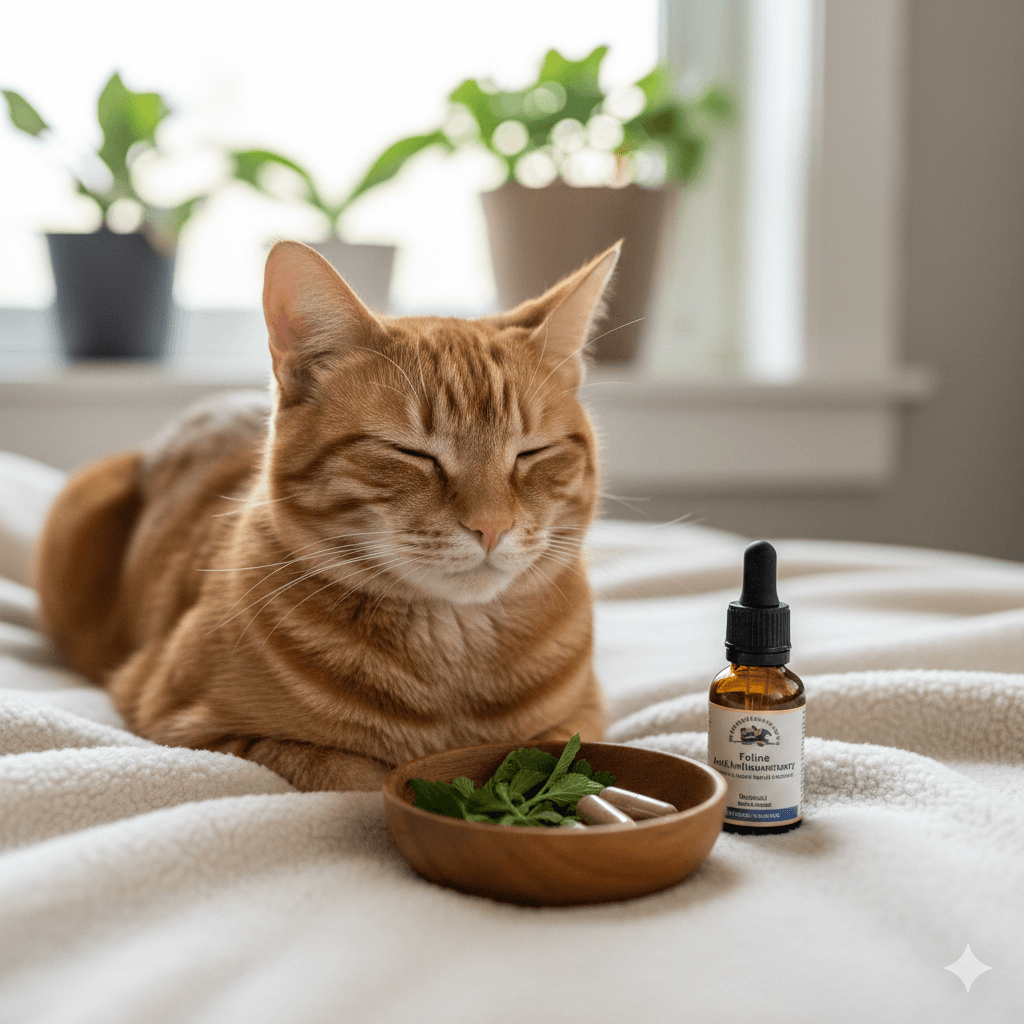

Understanding Anti-Inflammatory Options for Cats: Best 7 Expert Tips!
When your cat is in pain or struggling with inflammation—whether from arthritis, an injury, or a chronic condition—it’s natural to want fast, safe relief. But cats are uniquely sensitive to many common medications, making anti-inflammatory treatment a delicate matter. What works for dogs or humans can be deadly for felines, so professional guidance is essential. With the right approach, however, inflammation can be managed effectively while keeping your cat safe. These expert-backed insights will help you navigate options wisely and compassionately.
Common Causes of Inflammation in Cats
Inflammation is the body’s natural response to injury, infection, or disease—but when it becomes chronic or excessive, it can cause pain and reduced mobility. Identifying the underlying trigger is the first step toward effective management in feline patients:
- Osteoarthritis (Degenerative Joint Disease):
A leading cause of chronic inflammation in older cats, often affecting hips, spine, or elbows and leading to stiffness or reluctance to jump. - Dental Disease:
Gingivitis or periodontal infection creates significant oral inflammation, sometimes causing drooling, bad breath, or difficulty eating. - Inflammatory Bowel Disease (IBD):
Chronic gut inflammation leads to vomiting, diarrhea, and weight loss, often requiring long-term dietary or medical management. - Allergies or Dermatitis:
Environmental or food allergies can trigger skin inflammation, resulting in scratching, redness, or hair loss. - Trauma or Post-Surgical Swelling:
Acute inflammation commonly follows injuries or procedures and usually resolves with proper care and time.
Addressing the root cause—not just the symptoms—is critical to choosing the safest and most effective anti-inflammatory strategy.
Why Many Human Anti-Inflammatories Are Dangerous for Cats
Cats lack certain liver enzymes needed to metabolize common over-the-counter drugs, making many familiar pain relievers extremely toxic—even in tiny doses. This biological vulnerability demands extreme caution:
- NSAIDs Like Ibuprofen or Naproxen:
These can cause rapid kidney failure, stomach ulcers, or death in cats, even from a single pill or accidental lick. - Acetaminophen (Tylenol):
Highly toxic to felines; it damages red blood cells and can lead to fatal methemoglobinemia within hours. - Aspirin:
While sometimes used in very low, vet-prescribed doses, it carries high risks of bleeding and toxicity if dosed incorrectly. - Topical Creams or Gels:
Medicated human rubs (e.g., those containing salicylates) can be absorbed through the skin or ingested during grooming. - “Natural” Human Supplements:
Ingredients like turmeric or willow bark may seem harmless but can interact dangerously with feline physiology.
Never give your cat any anti-inflammatory medication without explicit veterinary approval—what seems helpful can be lethal.
Check this guide 👉Cat Antibiotics Side Effects: Best 7 Expert Tips!
Check this guide 👉Cat Antibiotic Injection Side Effects: Best 7 Expert Tips!
Check this guide 👉Cat Antibiotics for Abscess: Best 7 Expert Tips!
Safe Approaches | High-Risk Pitfalls |
|---|---|
Vet-prescribed NSAIDs like meloxicam (in strict doses) | Human NSAIDs (ibuprofen, naproxen) |
Omega-3 fatty acids from fish oil | Over-the-counter pain relievers |
Prescription pain modulators (e.g., gabapentin) | Acetaminophen or Tylenol products |
Therapeutic diets for joint or gut health | Herbal remedies without feline safety data |
Environmental modifications (ramps, soft beds) | Topical creams containing salicylates |
Veterinary-Approved Anti-Inflammatory Medications
When medication is necessary, veterinarians rely on a small set of feline-safe options, used under close supervision and often for short durations:
- Meloxicam (Metacam®):
The only NSAID conditionally approved for cats in some countries; used sparingly for post-op pain or acute flare-ups. - Robenacoxib (Onsior®):
A newer, selective NSAID approved for short-term use (up to 3 days) in cats with musculoskeletal pain or post-surgery. - Corticosteroids (e.g., Prednisolone):
Effective for immune-mediated or allergic inflammation but require careful dosing to avoid side effects like diabetes or immunosuppression. - Gabapentin:
Not an anti-inflammatory per se, but often used alongside other treatments to manage neuropathic pain and improve comfort. - Opioids (e.g., Buprenorphine):
Reserved for severe pain in hospital or post-op settings; not for chronic home use due to regulation and side effects.
These medications are powerful tools—but only when used precisely as directed by a veterinarian familiar with feline pharmacology.
Safe Natural and Supportive Therapies
Alongside or in place of drugs, many owners seek gentler ways to reduce inflammation while supporting overall wellness:
- High-Quality Omega-3 Fatty Acids:
EPA and DHA from marine fish oil can help modulate inflammatory pathways, especially in arthritis or skin conditions. - Weight Management:
Excess weight increases joint stress and systemic inflammation; even modest weight loss improves mobility and comfort. - Joint-Support Supplements:
Glucosamine, chondroitin, or green-lipped mussel may support cartilage health, though evidence in cats is more limited than in dogs. - Therapeutic Diets:
Prescription foods with anti-inflammatory nutrients (e.g., Hill’s j/d or Royal Canin Mobility Support) are formulated for feline needs. - Environmental Enrichment:
Soft bedding, low-sided litter boxes, and steps to favorite perches reduce physical strain and promote gentle movement.
These approaches work best as part of a comprehensive plan—not as quick fixes, but as long-term lifestyle supports.
Monitoring for Side Effects and Treatment Response
Even approved anti-inflammatory treatments require vigilant observation, as cats often hide discomfort until problems become severe:
- Watch for Vomiting or Diarrhea:
Gastrointestinal upset can signal irritation or early toxicity, especially with NSAIDs. - Monitor Water Intake and Urination:
Sudden changes may indicate kidney stress—a serious risk with anti-inflammatory drugs. - Observe Energy and Behavior:
Lethargy, hiding, or reduced grooming can be subtle signs of pain or medication side effects. - Check Gum Color and Capillary Refill:
Pale gums or slow refill (>2 seconds) may suggest poor circulation or anemia. - Schedule Regular Blood Work:
Especially during long-term treatment, blood panels help catch organ changes before symptoms appear.
Proactive monitoring turns passive treatment into active partnership in your cat’s healing journey.
Special Considerations for Senior Cats and Chronic Conditions
Older cats or those with preexisting diseases need tailored anti-inflammatory strategies that balance efficacy with safety:
- Kidney Disease:
Very common in seniors; NSAIDs are often contraindicated, making non-drug options like fish oil or physical therapy essential. - Hyperthyroidism or Diabetes:
These conditions alter metabolism and drug processing, requiring dose adjustments or alternative pain pathways. - Long-Term IBD Management:
May require rotating or combining corticosteroids with dietary changes and probiotics to maintain remission. - Multimodal Pain Plans:
Combining low-dose medications, supplements, and environmental changes often yields better results than one approach alone. - Quality-of-Life Assessments:
Use tools like the Feline Quality of Life Scale to guide treatment decisions and ensure comfort remains the priority.
For these vulnerable patients, the goal isn’t just reducing inflammation—it’s preserving dignity, joy, and daily function.
Key Takeaways for Safe Anti-Inflammatory Use in Cats
Choosing the right anti-inflammatory approach for your cat requires knowledge, caution, and close collaboration with your veterinarian. These core principles will help you make informed decisions that prioritize both comfort and safety:
- Always Consult Your Veterinarian First:
Never start any anti-inflammatory—prescription or natural—without professional guidance tailored to your cat’s age, weight, and health status. - Avoid Human Medications Completely:
Even tiny amounts of ibuprofen, naproxen, or acetaminophen can cause irreversible organ damage or death in cats. - Prioritize Kidney and Liver Health:
Since these organs process medications, baseline bloodwork is essential before and during treatment to monitor for silent complications. - Combine Therapies Wisely:
A multimodal plan—using diet, supplements, environmental adjustments, and minimal medication—often yields better results with fewer risks. - Observe Subtle Behavioral Changes:
Cats mask pain; watch for reduced jumping, hiding, overgrooming, or changes in litter box habits as early signs of inflammation or side effects.
By anchoring your care in these guidelines, you protect your cat from harm while effectively addressing the root of their discomfort.
Frequently Asked Questions About Anti-Inflammatories for Cats
Can I give my cat baby aspirin for pain?
No—unless explicitly prescribed by your vet in a precise dose. Even small amounts can cause stomach bleeding or kidney damage.
Is CBD oil safe as an anti-inflammatory for cats?
Research is limited, and product quality varies widely. While some owners report benefits, consult your vet before use—CBD can interact with other medications.
How quickly do anti-inflammatories work in cats?
Prescription NSAIDs may show effects in 24–48 hours; natural options like fish oil can take 4–8 weeks for noticeable results.
What if my cat accidentally ingests ibuprofen?
Seek emergency veterinary care immediately—even a tiny amount can be fatal. Time is critical.
Are there anti-inflammatory foods for cats?
Yes—therapeutic veterinary diets rich in omega-3s and antioxidants are formulated to support joint, skin, and gut health with reduced inflammation.
Supporting Your Cat’s Comfort with Care and Caution
Managing inflammation in cats is never about quick fixes—it’s a careful balance of science, observation, and love. Because your feline friend can’t tell you where it hurts or how they feel, your role as a vigilant, informed caregiver becomes their greatest protection. By choosing vet-approved treatments, avoiding dangerous human medications, and embracing gentle supportive care, you give your cat the gift of comfort without compromising safety. Every soft purr, every leap onto the windowsill, every peaceful nap is a testament to your thoughtful choices. In the quiet moments of recovery, your calm presence is the most powerful medicine of all.
Is Greek Yogurt Good for Cats with Diarrhea? Best 7 Tips! – Discover if Greek yogurt helps, how to feed it safely, and expert advice for soothing your cat’s upset stomach.
Is Greek Yogurt Good for Dogs with Diarrhea? Best 7 Tips! – Discover how Greek yogurt can help, its benefits, risks, and expert advice for your dog’s digestive health.
Do You Have to Have Cat Insurance? Best 7 Expert Tips! – Learn if cat insurance is necessary, how it works, and expert advice to protect your pet’s health affordably.
Do You Have to Have Dog Insurance? Best 7 Expert Tips! – Explore if dog insurance is necessary, costs, coverage options, and expert advice to protect your pet’s health affordably.


