
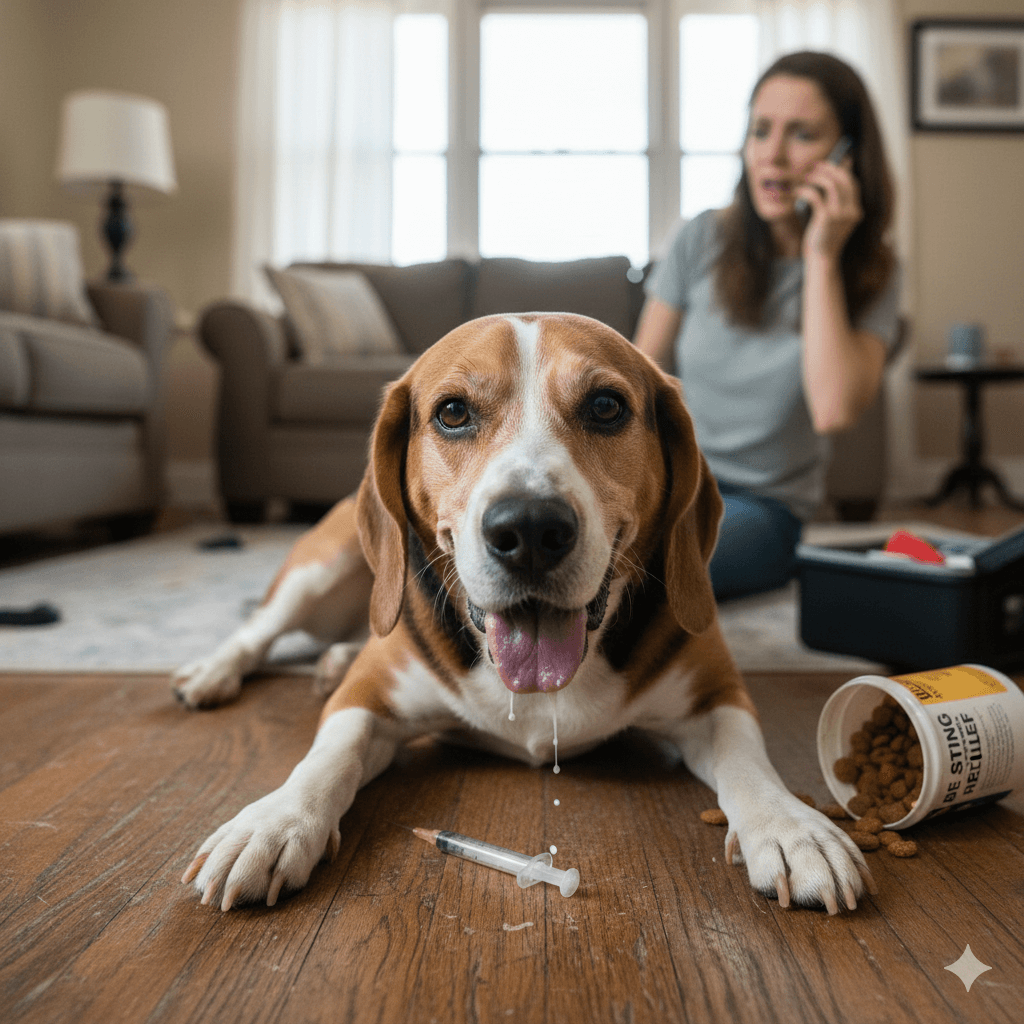

Recognizing Anaphylactic Shock in Dogs: A Life-Threatening Emergency
Anaphylactic shock in dogs is a severe, rapid allergic reaction that can escalate within minutes, posing a life-threatening risk if untreated. This condition often follows exposure to allergens like insect stings, medications, or certain foods. Knowing the signs and acting swiftly is critical to saving your dog’s life. While rare, anaphylactic shock demands immediate veterinary intervention—every second counts when your dog’s breathing or circulation is compromised. Understanding this condition empowers you to respond calmly and decisively during such emergencies.
Causes of Anaphylactic Shock in Dogs
Anaphylactic shock occurs when the immune system overreacts to an allergen, releasing chemicals that cause widespread inflammation and systemic distress. Identifying common triggers helps prevent future episodes and ensures safer environments for at-risk dogs.
- Insect Stings or Bites:
Bees, wasps, ants, or spiders are frequent culprits; their venom can trigger severe reactions in sensitive dogs. - Vaccines or Medications:
Some dogs react adversely to vaccines, antibiotics, or anti-inflammatory drugs, though such cases are rare. - Food Allergens:
Certain proteins (e.g., beef, chicken) or additives in dog food may provoke extreme allergic responses in predisposed individuals. - Environmental Triggers:
Pollen, mold, or cleaning products can sometimes lead to anaphylaxis in highly sensitive dogs. - Unknown Causes:
In some cases, the exact allergen remains unidentified despite thorough investigation.
Identifying and avoiding known triggers is key to reducing the risk of anaphylactic shock—but even careful owners may face unexpected emergencies.
Symptoms of Anaphylactic Shock in Dogs
Recognizing the symptoms early can mean the difference between life and death. These signs typically appear suddenly and worsen rapidly, requiring urgent attention.
- Swelling of Face or Throat:
Facial puffiness, especially around the muzzle or eyes, signals an allergic reaction; throat swelling impairs breathing. - Respiratory Distress:
Labored breathing, coughing, or gasping indicates airway constriction—a hallmark of anaphylaxis. - Vomiting or Diarrhea:
Gastrointestinal upset often accompanies systemic allergic reactions due to intestinal inflammation. - Pale or Bluish Gums:
Poor oxygenation causes pale, grayish, or bluish gums, reflecting cardiovascular collapse. - Weakness or Collapse:
As shock progresses, dogs may become lethargic, unresponsive, or unable to stand.
If you notice any combination of these symptoms, treat it as a medical emergency—time is of the essence.
Check this guide 👉Hemolytic Anemia in Dogs: Best 7 Expert Tips!
Check this guide 👉Ehrlichia in Dogs: Best 7 Expert Tips!
Check this guide 👉Cystinuria in Dogs: Best 7 Expert Tips!
Early Warning Signs | Immediate Actions to Take |
|---|---|
Sudden onset of hives or swelling | Call your vet or emergency clinic immediately |
Difficulty breathing or wheezing | Administer prescribed epinephrine (if available) |
Excessive drooling or vomiting | Keep your dog calm and restrict movement |
Pale gums or weak pulse | Transport your dog safely to professional care |
Collapse or loss of consciousness | Perform CPR if trained while en route to the vet |
First Aid Steps for Anaphylactic Shock
While professional care is essential, providing first aid stabilizes your dog until you reach the vet. Follow these steps carefully and stay calm under pressure.
- Administer Epinephrine (If Prescribed):
For dogs with known allergies, vets often prescribe an EpiPen; inject it into the thigh muscle as directed. - Position Your Dog Upright:
Laying your dog on its side can worsen respiratory distress; keep them upright to ease breathing. - Provide Fresh Air:
Move your dog away from potential allergens and ensure they’re in a well-ventilated area. - Monitor Vital Signs:
Check gum color, pulse strength, and breathing rate regularly to assess worsening conditions. - Rush to Emergency Care:
Even if symptoms improve, always seek veterinary evaluation to prevent secondary complications.
Quick action saves lives—your role is crucial in managing this terrifying situation effectively.
Diagnosis and Treatment at the Vet
Veterinarians use clinical signs, history, and diagnostic tests to confirm anaphylactic shock and tailor treatment accordingly. Prompt intervention focuses on stabilizing vital functions and reversing the allergic cascade.
- Physical Examination:
The vet checks temperature, gum color, heart rate, and respiratory effort to gauge severity. - Blood Tests and Imaging:
Blood work and X-rays help rule out other conditions mimicking anaphylaxis, such as poisoning or heart failure. - Oxygen Therapy:
Supplemental oxygen supports dogs struggling to breathe due to airway swelling or low blood oxygen levels. - IV Fluids and Medications:
Steroids, antihistamines, and intravenous fluids counteract inflammation, restore circulation, and stabilize blood pressure. - Monitoring Recovery:
Post-treatment observation ensures no delayed reactions occur before discharge instructions are given.
Each case varies slightly, but modern veterinary care offers excellent outcomes with timely intervention.
Preventing Future Episodes of Anaphylaxis
Once your dog has experienced anaphylactic shock, preventing recurrence becomes a top priority. Proactive measures reduce risks significantly and provide peace of mind.
- Identify and Avoid Triggers:
Work with your vet to pinpoint specific allergens through testing or elimination diets. - Keep Emergency Supplies Handy:
Carry an EpiPen, Benadryl (diphenhydramine), and contact info for 24-hour clinics wherever you go. - Update Vaccination Protocols:
Discuss vaccine safety with your vet if past reactions occurred; consider premedication options. - Use Protective Gear Outdoors:
Dog-safe bug repellents or protective clothing minimize insect encounters during walks. - Educate Family Members:
Ensure everyone caring for your dog knows how to recognize symptoms and respond quickly.
Prevention isn’t foolproof, but awareness and preparation drastically lower the chances of another episode.
Long-Term Management for At-Risk Dogs
Dogs prone to anaphylaxis require ongoing vigilance and tailored healthcare plans to safeguard their well-being. Regular check-ups and open communication with your vet are vital components of long-term management.
- Allergy Testing:
Intradermal or serum tests identify specific allergens, guiding avoidance strategies and immunotherapy decisions. - Customized Diet Plans:
Hypoallergenic or limited-ingredient diets eliminate potential dietary triggers for sensitive dogs. - Routine Health Screenings:
Annual exams monitor overall health and detect underlying issues that could complicate allergic reactions. - Emergency Preparedness Kits:
Stock kits with medications, dosing instructions, and vet contacts for seamless crisis management. - Behavioral Monitoring:
Watch for subtle changes in behavior, appetite, or energy levels that might signal developing sensitivities.
Long-term success hinges on proactive care, education, and unwavering commitment to your dog’s unique needs.
Special Considerations for High-Risk Breeds
Certain breeds exhibit heightened susceptibility to severe allergic reactions, including anaphylaxis. If your dog belongs to one of these groups, extra caution is warranted.
- Brachycephalic Breeds:
Flat-faced dogs like Bulldogs or Pugs already struggle with breathing; anaphylaxis exacerbates this vulnerability. - Small Toy Breeds:
Tiny dogs lose fluids and body heat faster, making them more fragile during acute allergic crises. - Herding Breeds:
Collies and Shelties often carry MDR1 gene mutations affecting drug metabolism, increasing anesthesia-related risks. - Senior Dogs:
Age-related organ decline complicates recovery from shock, necessitating tailored treatment approaches. - Immunocompromised Dogs:
Underlying illnesses weaken immune resilience, heightening susceptibility to severe reactions.
Understanding breed-specific nuances allows for targeted prevention and prompt, informed responses during emergencies.
Frequently Asked Questions About Anaphylactic Shock in Dogs
What should I do if my dog goes into anaphylactic shock?
Stay calm, call your vet immediately, and follow basic first aid steps to stabilize your dog until professional help arrives.
How long does anaphylactic shock last in dogs?
Symptoms typically peak within 30 minutes but can persist for hours without treatment; quick action minimizes duration and damage.
Can Benadryl stop anaphylactic shock?
Benadryl (diphenhydramine) can help mild allergic reactions but isn’t strong enough alone to reverse severe anaphylaxis—always seek vet care.
Is anaphylactic shock fatal in dogs?
Without immediate treatment, yes—it can be deadly due to respiratory failure or cardiovascular collapse.
How can I tell if my dog is having an allergic reaction vs. anaphylaxis?
Mild reactions involve localized swelling or itching; anaphylaxis includes systemic signs like difficulty breathing, vomiting, or collapse.
A Lifeline in Every Moment of Crisis
Anaphylactic shock is undoubtedly terrifying, but knowledge and preparation transform fear into action. By understanding this condition, equipping yourself with tools, and fostering a partnership with your vet, you give your dog the best chance at survival—and a lifetime of happiness by your side. Remember, your calm presence and decisive steps can turn the tide in moments that matter most.
Understanding Dog Rehabilitation: Best 7 Expert Tips! – Discover how targeted therapies and exercises restore mobility, relieve pain, and improve your dog’s quality of life safely.
Can THC Help with Cat Anxiety? Best 7 Expert Tips! – Discover the facts, risks, and safe usage of THC for calming your anxious cat. Always consult a vet first!
What Is Toxic to Cats: Best 7 Expert Tips! – Discover common toxins, recognize symptoms, and learn how to keep your cat safe from harmful substances.
Can THC Help with Dog Anxiety? Best 7 Expert Tips! – Discover the effects, risks, and safe use of THC for calming your anxious dog. Consult a vet first!


