
Understanding Amoxicillin Side Effects in Cats
Common Side Effects of Amoxicillin in Cats
- Gastrointestinal Upset:
Vomiting and diarrhea are among the most common side effects, as amoxicillin disrupts the natural balance of gut bacteria. This imbalance often leads to digestive discomfort, which may resolve as your cat’s system adjusts. - Loss of Appetite:
Some cats refuse food or treats while on amoxicillin due to nausea or a metallic taste caused by the medication. Encouraging small, bland meals can help restore their interest in eating. - Excessive Drooling:
Amoxicillin’s bitter taste or irritation in the mouth may cause increased salivation in some cats. If drooling persists or is accompanied by other symptoms, consult your vet for advice. - Lethargy or Weakness:
Fatigue or reduced activity levels can occur as your cat’s body works to metabolize the antibiotic. While mild lethargy is normal, prolonged weakness may indicate an adverse reaction. - Allergic Reactions (Mild):
Itching, redness, or localized swelling may appear in sensitive cats. These mild allergic responses are usually manageable but should be reported to your veterinarian immediately.
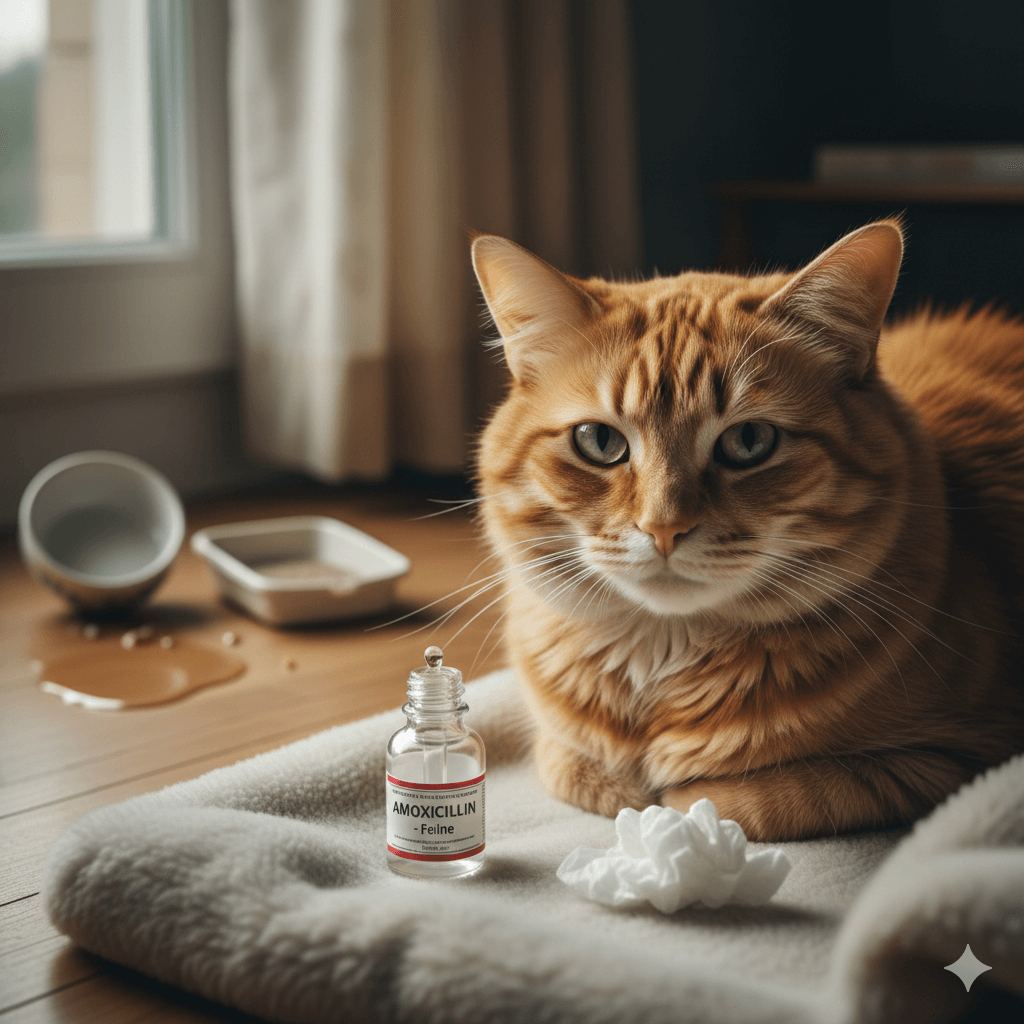
Serious Side Effects of Amoxicillin in Cats
- Severe Allergic Reactions (Anaphylaxis):
In rare cases, cats develop life-threatening anaphylactic shock, characterized by difficulty breathing, facial swelling, or collapse. Emergency treatment with epinephrine is essential to stabilize your cat. - Liver Damage:
Prolonged use of amoxicillin may strain the liver, leading to elevated liver enzymes, jaundice (yellowing gums/skin), or abdominal pain. Blood tests confirm liver dysfunction during treatment. - Kidney Stress or Failure:
Cats with preexisting kidney conditions are at higher risk of renal stress when taking amoxicillin. Signs include increased thirst, frequent urination, or blood in urine. - Blood Disorders:
Rarely, amoxicillin can cause hemolytic anemia or clotting abnormalities, resulting in pale gums, dark urine, or unexplained bruising under the skin. - Neurological Symptoms:
High doses of amoxicillin may lead to seizures, tremors, or disorientation in cats due to its impact on the central nervous system. Immediate veterinary intervention is crucial.
Check this guide 👉Panacur Cat Side Effects: Best 7 Expert Tips!
Check this guide 👉Meloxicam Cat Side Effects: Best 7 Expert Tips!
Check this guide 👉Buprenorphine Cat Side Effects: Best 7 Expert Tips!
Early Warning Signs | Immediate Actions to Take |
|---|---|
Vomiting or diarrhea | Monitor hydration; offer bland food or probiotics |
Loss of appetite | Encourage small meals; consult vet if refusal persists |
Excessive drooling | Check for mouth irritation; report to vet if ongoing |
Lethargy or weakness | Limit activity; observe for improvement within 24 hours |
Allergic reactions (swelling, itching) | Call vet immediately; seek emergency care for severe cases |
How to Minimize Side Effects of Amoxicillin
- Administer Exact Dosage:
Follow your vet’s dosage instructions precisely; overdosing increases risks of toxicity and side effects. Use a syringe for liquid formulations to ensure accuracy. - Provide Probiotics:
Supplementing with feline-specific probiotics restores gut flora disrupted by antibiotics, reducing gastrointestinal upset and improving digestion. - Monitor Hydration Levels:
Encourage water intake to support kidney function and flush toxins from your cat’s system. Subcutaneous fluids may be necessary for dehydrated cats. - Watch for Early Warning Signs:
Track changes in behavior, appetite, or stool consistency daily to catch potential side effects before they escalate into serious complications. - Avoid Mixing with Other Medications:
Certain drugs interact negatively with amoxicillin, so inform your vet about any supplements or medications your cat is currently taking.
Recognizing Allergic Reactions to Amoxicillin
- Skin Irritation or Rash:
Red, inflamed patches or hives on the skin indicate an allergic response. Topical treatments or antihistamines may alleviate discomfort in mild cases. - Facial Swelling:
Swelling around the eyes, muzzle, or ears suggests a more significant allergic reaction requiring prompt veterinary evaluation. - Difficulty Breathing:
Labored breathing or wheezing signals airway constriction, a hallmark of anaphylaxis. Seek emergency care immediately if this occurs. - Persistent Itching:
Excessive scratching, licking, or grooming points to histamine release triggered by the antibiotic. Anti-itch medications can offer relief in consultation with your vet. - Behavioral Changes:
Restlessness, vocalization, or hiding behaviors often accompany allergic reactions, reflecting your cat’s discomfort or distress.
Long-Term Risks of Amoxicillin Use in Cats
- Antibiotic Resistance:
Overuse of amoxicillin contributes to the development of resistant bacterial strains, making future infections harder to treat effectively. - Chronic Gastrointestinal Issues:
Prolonged disruption of gut flora may lead to ongoing digestive problems like inflammatory bowel disease (IBD) or chronic diarrhea. - Immune System Suppression:
Extended antibiotic use weakens the immune system by killing beneficial bacteria that support overall health and resilience against pathogens. - Secondary Infections:
Amoxicillin kills both harmful and beneficial bacteria, creating opportunities for yeast overgrowth or secondary bacterial infections like oral thrush. - Organ Damage Over Time:
Repeated courses strain the liver and kidneys, potentially leading to chronic conditions requiring lifelong management.
Alternatives to Amoxicillin for Cats
- Clindamycin:
Effective against anaerobic bacteria and certain soft tissue infections, clindamycin is a common substitute for amoxicillin-sensitive patients. - Doxycycline:
This tetracycline antibiotic treats respiratory and urinary tract infections while posing fewer risks to gut flora compared to broad-spectrum options. - Cephalexin:
A first-generation cephalosporin, cephalexin targets gram-positive bacteria and is often well-tolerated by cats with amoxicillin allergies. - Enrofloxacin (Baytril):
Reserved for severe infections, enrofloxacin offers broad-spectrum coverage but requires caution due to potential cartilage damage in young cats. - Topical Treatments:
For localized infections, topical antibiotics like silver sulfadiazine cream bypass systemic side effects entirely, providing targeted relief.
Preventing Adverse Reactions to Antibiotics
- Perform Sensitivity Testing:
Culture and sensitivity tests determine the most effective antibiotic for your cat’s infection, reducing reliance on trial-and-error prescriptions. - Maintain Regular Vet Visits:
Frequent check-ups allow your vet to monitor your cat’s progress and adjust treatment plans as needed to prevent complications. - Educate Yourself on Symptoms:
Understanding potential side effects empowers you to act quickly if your cat shows signs of an adverse reaction during treatment. - Support Immune Health:
Nutritious diets, hydration, and stress reduction strengthen your cat’s immune system, enhancing their ability to fight infections naturally. - Communicate Openly with Your Vet:
Share details about your cat’s medical history, current medications, and any observed changes to ensure safe and effective antibiotic use.
Frequently Asked Questions About Amoxicillin Side Effects in Cats
Can amoxicillin cause diarrhea in cats?
Yes, diarrhea is a common side effect due to disruption of gut bacteria. Probiotics can help restore balance and alleviate symptoms.
How long do side effects last?
Mild side effects like vomiting or lethargy typically resolve within 1–2 days as your cat adjusts to the medication. Persistent symptoms require veterinary attention.
What should I do if my cat has an allergic reaction?
Contact your vet immediately. For severe reactions like swelling or difficulty breathing, seek emergency care to stabilize your cat.
Can I stop giving amoxicillin if my cat seems unwell?
Never stop antibiotics abruptly without consulting your vet, as incomplete treatment may worsen the infection or lead to antibiotic resistance.
Are there safer alternatives for sensitive cats?
Supporting Your Cat Through Antibiotic Therapy

Is Rawhide Bad for Cats? Best 7 Expert Tips! – Discover the risks, safe alternatives, and expert advice to keep your feline friend healthy and happy.

Is Rawhide Bad for Dogs? Best 7 Expert Tips! – Discover the risks, benefits, and safer alternatives to rawhides for your dog’s chewing needs.

Understanding Anorexia in Cats: Best 7 Expert Tips! – Learn why cats stop eating, spot warning signs, and discover how to help your feline regain appetite safely.

Understanding Anorexia in Dogs: Best 7 Expert Tips! – Learn causes, symptoms, and solutions to help your dog regain appetite and stay healthy.