
Understanding the Role of Amino Acids for Dogs
Amino acids are the building blocks of protein, essential for your dog’s overall health and vitality. They play a critical role in muscle development, immune function, and tissue repair, making them indispensable in your dog’s diet. Whether through food or supplements, ensuring adequate amino acid intake supports a long, active, and healthy life for your furry companion.
Why Amino Acids Are Essential for Dogs
Amino acids are vital nutrients that dogs cannot synthesize in sufficient quantities on their own, making dietary intake crucial. These organic compounds form the foundation of proteins, which are necessary for virtually every biological process in a dog’s body. Without adequate amino acids, dogs may experience muscle loss, weakened immunity, and impaired recovery from injuries or illnesses. Understanding their roles highlights why they are indispensable for your dog’s health and longevity.
- Muscle Growth and Maintenance:
Amino acids like leucine, isoleucine, and valine (collectively known as branched-chain amino acids) are critical for building and repairing muscle tissue. They help maintain lean muscle mass, especially in active or working dogs. - Immune System Support:
Amino acids such as arginine and glutamine play a key role in immune function by supporting the production of antibodies and white blood cells. This helps dogs fight off infections and recover faster from illnesses. - Skin and Coat Health:
Methionine and cysteine contribute to keratin production, which is essential for maintaining a shiny coat and healthy skin. Deficiencies can lead to dry, flaky skin and excessive shedding. - Energy Production:
Certain amino acids, like tyrosine and phenylalanine, are precursors to neurotransmitters and hormones that regulate energy levels. They ensure your dog stays active and alert throughout the day. - Wound Healing and Tissue Repair:
Lysine and proline are crucial for collagen synthesis, aiding in wound healing and tissue regeneration. This is particularly important for senior dogs or those recovering from surgery.
By ensuring your dog receives all essential amino acids, you provide the foundation for optimal physical and mental well-being, setting them up for a healthier life.
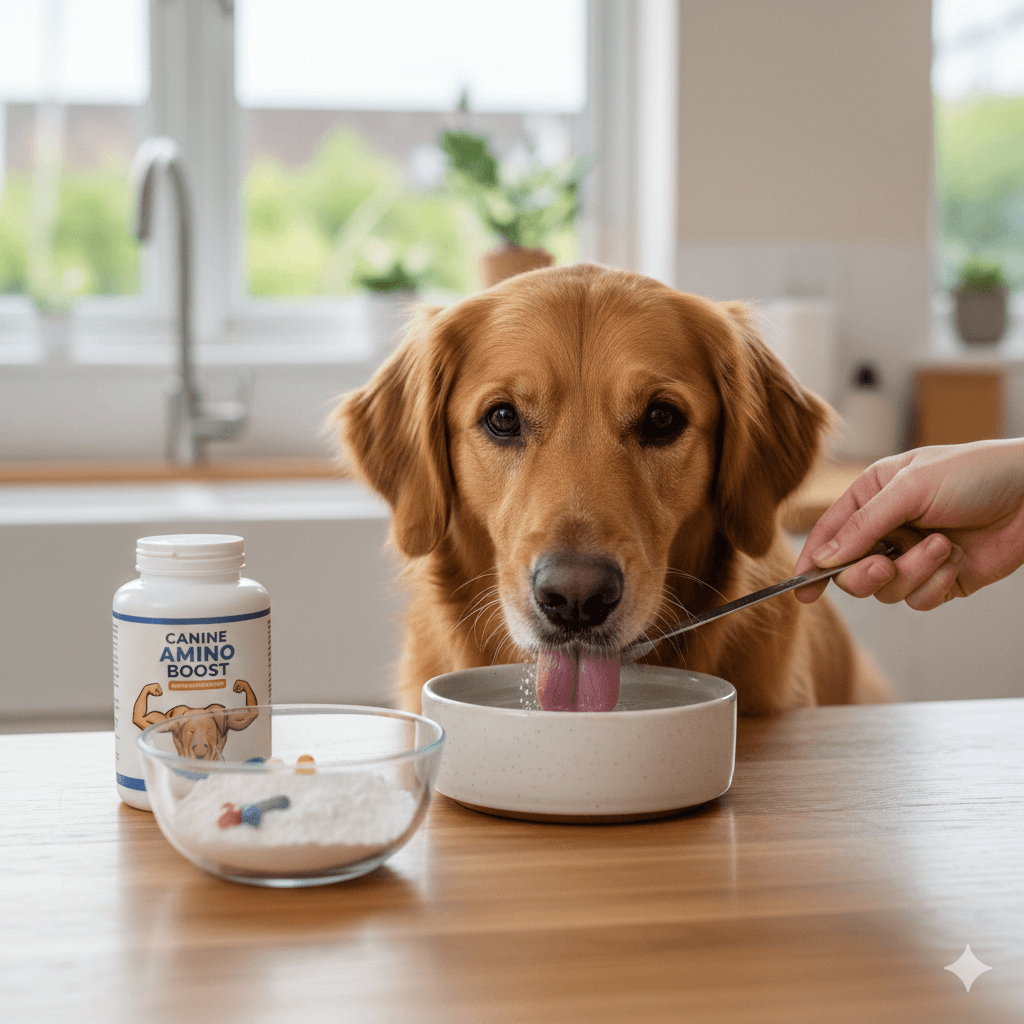
Common Amino Acids Dogs Need Most
Dogs require 10 essential amino acids that must come from their diet, as their bodies cannot produce them independently. Each amino acid has unique functions that contribute to overall health, and deficiencies can lead to serious issues. Knowing these amino acids and their roles helps you choose the right food or supplements for your dog.
- Arginine:
This amino acid supports nitric oxide production, which improves blood flow and cardiovascular health. It also aids in ammonia detoxification, protecting liver function. - Histidine:
Histidine is crucial for synthesizing histamine, which regulates immune responses and gastric acid secretion. It also plays a role in maintaining myelin sheaths around nerve cells. - Isoleucine:
As one of the branched-chain amino acids, isoleucine promotes muscle recovery and endurance, making it particularly beneficial for athletic or working dogs. - Lysine:
Lysine supports calcium absorption, collagen formation, and antibody production. It also helps combat viral infections, such as canine herpesvirus. - Tryptophan:
This amino acid is a precursor to serotonin, a neurotransmitter that regulates mood, sleep, and stress response. Adequate tryptophan ensures balanced behavior and emotional stability.
Providing a diet rich in these amino acids ensures your dog thrives physically and mentally, with minimal risk of deficiencies or related health complications.
Check this guide 👉Acetaminophen for Dogs: Best 7 Expert Tips!
Check this guide 👉Glucosamine for Dogs: Best 7 Expert Tips!
Check this guide 👉Fish Oil Dosage for Dogs: Best 7 Expert Tips!
Benefits of Amino Acids | Signs Your Dog May Need More |
|---|---|
Support muscle growth and repair | Muscle wasting or weakness |
Boost immune system function | Frequent infections or slow recovery |
Promote healthy skin and coat | Dry, flaky skin or excessive shedding |
Aid in wound healing and recovery | Delayed healing after injuries |
Enhance energy and endurance | Lethargy or poor performance in active dogs |
Sources of Amino Acids for Dogs
Amino acids are found in various protein-rich foods, but not all sources are equally digestible or complete. Choosing high-quality ingredients ensures your dog receives all essential amino acids in bioavailable forms. A balanced diet supports growth, maintenance, and recovery throughout your dog’s life stages.
- Animal-Based Proteins:
Meats like chicken, beef, fish, and eggs are complete proteins, containing all essential amino acids in the right proportions. They are highly digestible and ideal for most dogs. - Fish and Seafood:
Salmon, sardines, and other fish provide omega-3 fatty acids alongside amino acids, promoting joint health and reducing inflammation. - Dairy Products:
Cheese, yogurt, and cottage cheese are excellent sources of lysine and tryptophan, though lactose-intolerant dogs should consume them sparingly. - Plant-Based Proteins:
Beans, lentils, and quinoa offer amino acids but may lack certain essentials like taurine. Combining plant proteins ensures completeness. - Supplements:
Amino acid supplements, such as L-carnitine or taurine, can address specific deficiencies or support conditions like heart disease or obesity.
Selecting the right combination of protein sources ensures your dog gets all the amino acids they need for optimal health and vitality.
Signs of Amino Acid Deficiency in Dogs
Amino acid deficiencies can manifest in various ways, affecting your dog’s physical and mental well-being. Recognizing these signs early allows you to adjust their diet or consult a veterinarian before complications arise. Chronic deficiencies can lead to severe health issues if left untreated.
- Muscle Wasting:
Loss of muscle mass or weakness indicates insufficient branched-chain amino acids, impairing muscle repair and maintenance. - Poor Coat Condition:
Dry, brittle fur or excessive shedding suggests a lack of methionine or cysteine, which are essential for keratin production. - Frequent Infections:
Recurrent illnesses or slow recovery times point to low arginine or glutamine levels, compromising immune function. - Behavioral Changes:
Aggression, anxiety, or lethargy may result from inadequate tryptophan, disrupting serotonin production and mood regulation. - Delayed Wound Healing:
Slow recovery from injuries or surgeries signals lysine or proline deficiencies, hindering collagen synthesis and tissue repair.
Addressing these symptoms promptly through dietary adjustments or veterinary guidance prevents long-term damage and restores balance.
How Amino Acids Support Athletic Dogs
Active and working dogs have higher amino acid requirements due to increased muscle usage, energy demands, and recovery needs. Ensuring adequate intake supports performance, endurance, and post-exercise recovery, keeping these dogs in peak condition.
- Enhanced Endurance:
Branched-chain amino acids reduce fatigue by limiting serotonin production during prolonged activity, helping dogs perform longer. - Reduced Muscle Soreness:
Leucine and glutamine minimize post-exercise muscle soreness, speeding up recovery after intense physical exertion. - Improved Hydration:
Amino acids like taurine and glycine support electrolyte balance, preventing dehydration during strenuous activities. - Joint and Ligament Health:
Proline and lysine promote collagen synthesis, strengthening joints and ligaments to prevent injuries in high-impact sports. - Optimal Energy Levels:
Tyrosine and phenylalanine support neurotransmitter production, ensuring sustained focus and alertness during training or competitions.
Meeting the unique amino acid needs of athletic dogs ensures they remain strong, resilient, and ready for any challenge.
Amino Acids for Senior Dogs
As dogs age, their ability to absorb and utilize amino acids declines, increasing the risk of deficiencies. Supplementing their diet with targeted amino acids supports aging bodies, maintaining mobility, cognitive function, and overall quality of life.
- Preserving Muscle Mass:
Leucine and other branched-chain amino acids counteract age-related muscle loss, keeping seniors active and independent. - Cognitive Health:
Tryptophan and tyrosine support neurotransmitter production, reducing cognitive decline and promoting mental sharpness. - Joint and Bone Support:
Lysine and proline aid collagen production, improving joint flexibility and reducing arthritis symptoms in older dogs. - Immune Function:
Arginine and glutamine strengthen the immune system, lowering the risk of infections and speeding up recovery from illnesses. - Digestive Health:
Glycine and glutamine support gut lining integrity, reducing the risk of leaky gut syndrome and improving nutrient absorption.
Prioritizing amino acid intake for senior dogs ensures they age gracefully, staying comfortable and engaged in their golden years.
Preventing Amino Acid Imbalances in Dogs
Balancing amino acid intake is crucial for preventing deficiencies or excesses that could harm your dog’s health. A well-planned diet or targeted supplementation ensures your dog receives the right amounts of each amino acid. Regular monitoring and adjustments based on life stage or health conditions further reduce risks.
- Balanced Diet Formulation:
Choose high-quality commercial foods labeled as “complete and balanced” to ensure all essential amino acids are present in proper ratios. - Avoid Over-Supplementation:
Excessive amino acids, like methionine, can strain the liver or kidneys; always follow veterinary recommendations for supplements. - Life Stage Adjustments:
Puppies, pregnant dogs, and seniors have unique amino acid needs; tailor their diets accordingly to support growth, reproduction, or aging. - Monitor Health Indicators:
Regular vet check-ups and blood work detect early signs of imbalances, allowing timely dietary changes. - Rotate Protein Sources:
Incorporating diverse proteins (meat, fish, eggs) reduces the risk of deficiencies and ensures a broad spectrum of amino acids.
Taking proactive steps to maintain amino acid balance safeguards your dog’s health and minimizes the risk of related complications.
“Amino acids are the building blocks of protein, and dogs require 10 essential amino acids—arginine, histidine, isoleucine, leucine, lysine, methionine, phenylalanine, threonine, tryptophan, and valine—that must be supplied daily through diet because their bodies cannot produce or store them in sufficient quantities.” – Pet Expert Team
Frequently Asked Questions About Amino Acids for Dogs
What are amino acids, and why do dogs need them?
Amino acids are the building blocks of protein, essential for muscle growth, immune function, and overall health. Dogs need them because their bodies can’t produce all of them in sufficient quantities.
Can I give my dog amino acid supplements?
Yes, but only under veterinary guidance. Supplements like L-carnitine or taurine can address specific deficiencies or health conditions.
Are plant-based proteins enough for dogs?
Plant-based proteins can provide amino acids, but they are often incomplete. Combining sources or adding animal-based proteins ensures all essentials are met.
What happens if my dog lacks amino acids?
Deficiencies can lead to muscle loss, poor coat condition, weakened immunity, behavioral changes, and delayed wound healing.
How can I tell if my dog’s food has enough amino acids?
Look for high-quality commercial foods labeled as “complete and balanced.” These meet AAFCO standards, ensuring all essential amino acids are included.
Supporting Your Dog Through Proper Nutrition
Amino acids are the cornerstone of your dog’s health, influencing everything from muscle development to immune resilience and cognitive function. By providing a balanced diet rich in high-quality proteins and essential nutrients, you ensure your dog thrives at every life stage. Whether through whole foods, supplements, or tailored dietary adjustments, meeting their amino acid needs reflects your commitment to their well-being. Remember, a well-nourished dog is a happy, active companion ready to share countless joyful moments by your side.

Is Rawhide Bad for Cats? Best 7 Expert Tips! – Discover the risks, safe alternatives, and expert advice to keep your feline friend healthy and happy.

Is Rawhide Bad for Dogs? Best 7 Expert Tips! – Discover the risks, benefits, and safer alternatives to rawhides for your dog’s chewing needs.

Understanding Anorexia in Cats: Best 7 Expert Tips! – Learn why cats stop eating, spot warning signs, and discover how to help your feline regain appetite safely.

Understanding Anorexia in Dogs: Best 7 Expert Tips! – Learn causes, symptoms, and solutions to help your dog regain appetite and stay healthy.