
Understanding the Importance of Amino Acids for Cats
Amino acids are the building blocks of protein, essential for your cat’s overall health and vitality. These compounds play a critical role in muscle development, immune function, and maintaining healthy skin and coat. Ensuring your cat receives the right balance of amino acids supports their longevity and quality of life.
Why Amino Acids Are Vital for Cats
Amino acids are indispensable for feline health, as they serve as the foundation for proteins that support nearly every bodily function. Unlike humans or dogs, cats are obligate carnivores, meaning their bodies cannot synthesize certain amino acids in sufficient quantities. This makes dietary intake of essential amino acids like taurine, arginine, and methionine critical for their survival. Understanding their roles highlights why these compounds are non-negotiable for your cat’s well-being.
- Taurine for Heart and Vision Health:
Taurine is crucial for maintaining proper heart function and preventing dilated cardiomyopathy, a potentially fatal condition in cats. It also supports retinal health, reducing the risk of vision loss over time. - Arginine and Detoxification Processes:
Arginine aids in converting ammonia into urea, which is excreted in urine. Without sufficient arginine, ammonia can build up in the bloodstream, leading to toxicity and neurological issues. - Methionine for Liver Function:
Methionine plays a key role in fat metabolism and liver health. Deficiencies can result in fatty liver disease, particularly in overweight or obese cats. - Lysine for Immune Support:
Lysine helps regulate the immune system and competes with arginine, which can reduce the replication of viruses like feline herpesvirus (FHV-1). This makes lysine supplementation common during viral outbreaks. - Phenylalanine for Neurotransmitter Production:
Phenylalanine is a precursor to neurotransmitters like dopamine and norepinephrine, which influence mood, behavior, and cognitive function in cats.
Providing a diet rich in these amino acids ensures your cat thrives physically and mentally, avoiding preventable health complications.
Common Sources of Amino Acids in Cat Diets
Cats rely on animal-based proteins to meet their amino acid needs, as plant-based proteins often lack the necessary balance. High-quality commercial cat foods typically include ingredients designed to provide complete nutrition, but understanding natural sources can help you make informed choices.
- Meat as a Primary Source:
Chicken, turkey, beef, and lamb are excellent sources of essential amino acids, particularly taurine and arginine. These meats mimic the natural prey cats would consume in the wild. - Fish for Omega-3s and Taurine:
Fish like salmon and tuna not only supply taurine but also deliver omega-3 fatty acids that promote skin, coat, and joint health. However, fish should be fed in moderation due to potential heavy metal content. - Eggs for Complete Protein:
Eggs are considered a “complete protein,” containing all essential amino acids in balanced proportions. They are an excellent addition to homemade diets when cooked thoroughly. - Organ Meats for Nutrient Density:
Liver, kidney, and heart are nutrient-dense organs rich in amino acids, vitamins, and minerals. These should be included sparingly to avoid excessive vitamin A intake. - Supplements for Targeted Support:
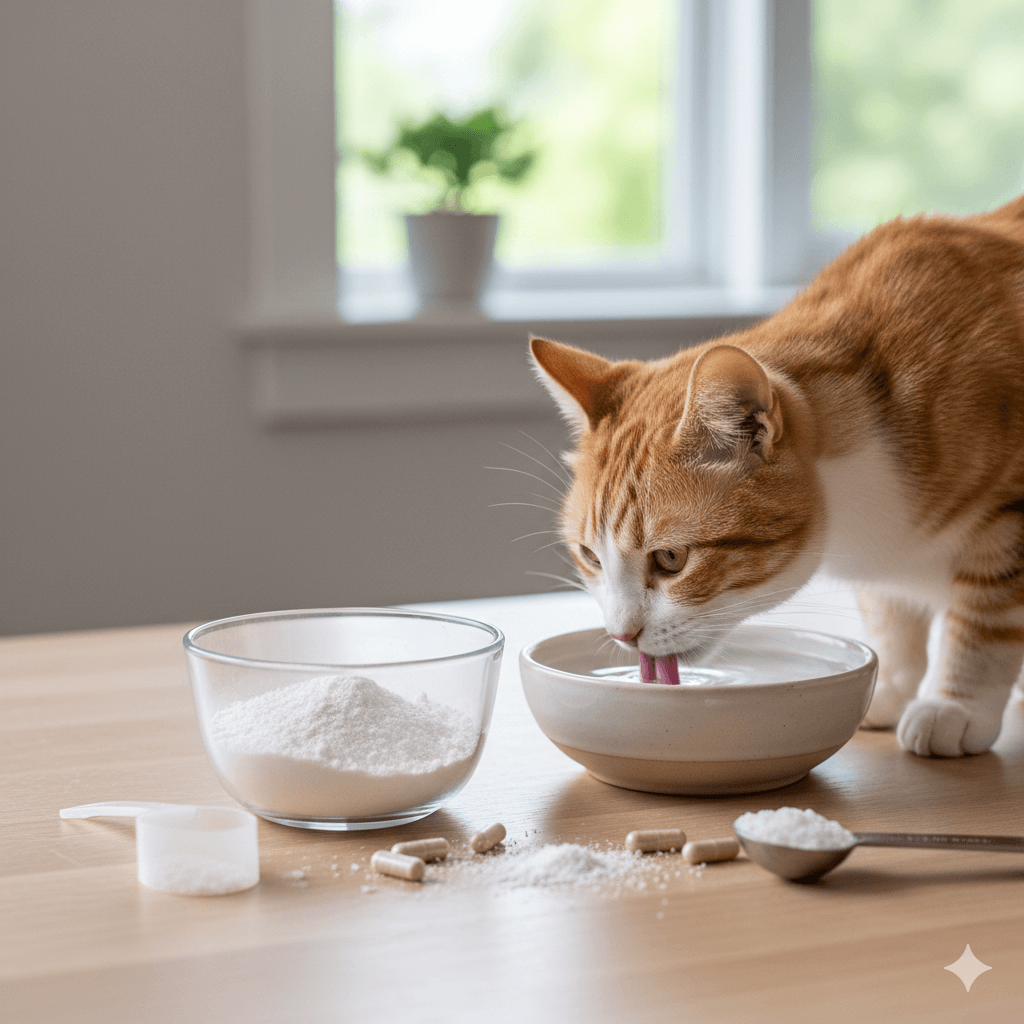
Amino acid supplements, such as taurine powders or lysine gels, ensure adequate intake when dietary sources may be insufficient or during periods of illness.
By incorporating these sources into your cat’s diet, you can meet their amino acid requirements naturally while supporting optimal health.
Check this guide 👉Understanding Naproxen for Cats: Best 7 Expert Tips!
Check this guide 👉Glucosamine for Cats: Best 7 Expert Tips!
Check this guide 👉Is Hydrogen Peroxide Safe for Cats? Best 7 Expert Tips!
| Key Amino Acids | Functions and Importance |
|---|---|
| Taurine | Essential for heart health, vision, and reproductive function. Deficiency can lead to blindness or heart failure. |
| Arginine | Helps detoxify ammonia in the body. Without it, cats can suffer from ammonia toxicity and neurological issues. |
| Methionine | Supports liver function and fat metabolism. Prevents fatty liver disease and promotes a healthy coat. |
| Lysine | Strengthens the immune system and reduces the replication of viruses like feline herpesvirus (FHV-1). |
| Phenylalanine | Produces neurotransmitters that regulate mood, behavior, and cognitive function in cats. |
Signs of Amino Acid Deficiency in Cats
Amino acid deficiencies can lead to severe health problems, as these compounds are integral to countless physiological processes. Recognizing the signs early allows you to address nutritional gaps before they escalate into chronic conditions.
- Taurine Deficiency Symptoms:
Signs include dilated cardiomyopathy, retinal degeneration, and reproductive issues. Early detection through veterinary testing is crucial for reversing damage. - Arginine Deficiency Risks:
Ammonia toxicity manifests as vomiting, lethargy, seizures, or even coma. Immediate veterinary intervention is required to stabilize affected cats. - Methionine Deficiency Indicators:
Weight gain, poor coat quality, and fatty liver syndrome are common signs of inadequate methionine intake, especially in sedentary cats. - Lysine Deficiency Effects:
Increased susceptibility to viral infections, particularly feline herpesvirus, indicates a lack of lysine. Chronic sneezing or eye discharge may signal an underlying issue. - General Protein Malnutrition Signs:
Muscle wasting, stunted growth in kittens, and weakened immune function highlight insufficient overall protein and amino acid intake.
Addressing deficiencies promptly through dietary adjustments or supplementation prevents long-term damage and restores your cat’s vitality.
How to Supplement Amino Acids Safely
While whole foods should always be the primary source of amino acids, supplements can fill gaps in nutrition, especially for picky eaters or cats with specific health needs. However, improper use can lead to imbalances, so it’s essential to proceed carefully.
- Choosing High-Quality Supplements:
Opt for vet-recommended brands that undergo rigorous testing to ensure purity and potency. Avoid generic or unverified products. - Taurine Supplementation Guidelines:
Administer taurine according to your cat’s weight and dietary needs. Most supplements come in powder or capsule form for easy integration into meals. - Lysine Gels for Viral Support:
Lysine gels are palatable and convenient, making them ideal for cats recovering from herpesvirus flare-ups. Follow dosage instructions closely. - Balancing Homemade Diets:
If preparing homemade food, consult a veterinary nutritionist to ensure amino acid levels meet AAFCO standards. Supplementation may be necessary. - Avoiding Over-Supplementation Risks:
Excessive amino acids, particularly methionine, can harm kidney function or disrupt metabolic processes. Stick to recommended doses unless advised otherwise.
Proper supplementation enhances your cat’s diet without introducing new risks, ensuring they receive the nutrients they need safely.
The Role of Amino Acids in Aging Cats
As cats age, their ability to absorb and utilize amino acids declines, increasing the risk of deficiencies and related health issues. Tailoring their diet to accommodate these changes promotes longevity and comfort in their senior years.
- Preserving Muscle Mass:
Adequate protein and amino acid intake counteract sarcopenia (age-related muscle loss), keeping older cats active and mobile. - Supporting Cognitive Function:
Amino acids like phenylalanine and tyrosine support brain health, reducing the risk of cognitive decline and behavioral changes in aging cats. - Maintaining Healthy Skin and Coat:
Methionine and cysteine contribute to collagen production, preventing dryness, flakiness, and hair loss commonly seen in seniors. - Boosting Immune Resilience:
Lysine and arginine strengthen immune responses, helping older cats fend off infections and recover more quickly from illnesses. - Preventing Age-Related Diseases:
Taurine and methionine lower the risk of heart disease and liver dysfunction, two common concerns in geriatric felines.
Prioritizing amino acid-rich diets keeps aging cats vibrant and minimizes the impact of age-related challenges.
Comparing Commercial Cat Foods for Amino Acid Content
Not all commercial cat foods are created equal when it comes to amino acid profiles. Evaluating labels and understanding ingredient lists ensures your cat receives balanced nutrition tailored to their needs.
- Grain-Free vs. Grain-Inclusive Formulas:
Grain-free diets often emphasize meat-based proteins, providing higher levels of essential amino acids compared to grain-heavy alternatives. - Wet Food Advantages:
Canned foods typically contain more animal-derived proteins and moisture, enhancing amino acid absorption and hydration simultaneously. - Dry Kibble Considerations:
While convenient, many dry formulas rely on plant proteins, which may lack sufficient taurine or other critical amino acids. - Veterinary Prescription Diets:
Specialized formulas for conditions like kidney disease or obesity are formulated to optimize amino acid ratios while addressing specific health concerns. - Reading Labels Carefully:
Look for named protein sources (e.g., “chicken meal” instead of “meat by-products”) and verify compliance with AAFCO standards for complete nutrition.
Selecting the right food ensures your cat consistently receives the amino acids they need for optimal health.
Preventing Amino Acid Imbalances in Cats
Prevention is always better than cure when it comes to amino acid imbalances. Proactive measures safeguard your cat’s health and reduce the likelihood of deficiencies or toxicities.
- Feeding Species-Appropriate Diets:
Prioritize high-protein, low-carbohydrate diets that align with your cat’s natural carnivorous physiology. - Rotating Protein Sources:
Variety prevents reliance on a single ingredient, ensuring a broad spectrum of amino acids and reducing allergy risks. - Regular Veterinary Check-Ups:
Annual blood tests detect early signs of deficiencies or organ dysfunction caused by amino acid imbalances. - Monitoring Behavioral Changes:
Subtle shifts in appetite, energy, or coat quality may indicate underlying nutritional gaps requiring attention. - Educating Yourself About Nutrition:
Understanding feline dietary needs empowers you to make informed decisions about food and supplements, promoting lifelong wellness.
Taking these steps ensures your cat enjoys a balanced diet that meets their amino acid requirements throughout every life stage.
“Taurine is an essential amino acid for cats”
– Malcolm Weir, DVM, MSc, MPH
Frequently Asked Questions About Amino Acids for Cats
What are the essential amino acids for cats?
Cats require 11 essential amino acids, including taurine, arginine, methionine, and lysine, which must come from their diet.
Can I give my cat human amino acid supplements?
No—human supplements are formulated for different metabolic needs and may harm your cat. Always use feline-specific products.
How do I know if my cat has a taurine deficiency?
Symptoms include dilated cardiomyopathy, vision problems, and poor reproductive health. A vet can confirm deficiencies through blood tests.
Are plant-based proteins safe for cats?
Plant proteins alone cannot meet a cat’s amino acid needs. They must be combined with animal-based proteins to ensure completeness.
What foods are highest in taurine for cats?
Dark meat chicken, turkey, fish (like salmon or tuna), and organ meats like heart are excellent natural sources of taurine.
Supporting Your Cat’s Health Through Proper Nutrition
Amino acids are the cornerstone of feline nutrition, influencing everything from muscle development to immune resilience. By understanding their importance and ensuring your cat receives adequate amounts through a balanced diet, you provide them with the foundation for a long, healthy life. Whether through whole foods, high-quality commercial diets, or targeted supplements, prioritizing these essential nutrients demonstrates your commitment to their well-being. Remember, every meal is an opportunity to nourish and protect your beloved companion—because they deserve nothing less than the best.

Is Rawhide Bad for Cats? Best 7 Expert Tips! – Discover the risks, safe alternatives, and expert advice to keep your feline friend healthy and happy.

Is Rawhide Bad for Dogs? Best 7 Expert Tips! – Discover the risks, benefits, and safer alternatives to rawhides for your dog’s chewing needs.

Understanding Anorexia in Cats: Best 7 Expert Tips! – Learn why cats stop eating, spot warning signs, and discover how to help your feline regain appetite safely.

Understanding Anorexia in Dogs: Best 7 Expert Tips! – Learn causes, symptoms, and solutions to help your dog regain appetite and stay healthy.