
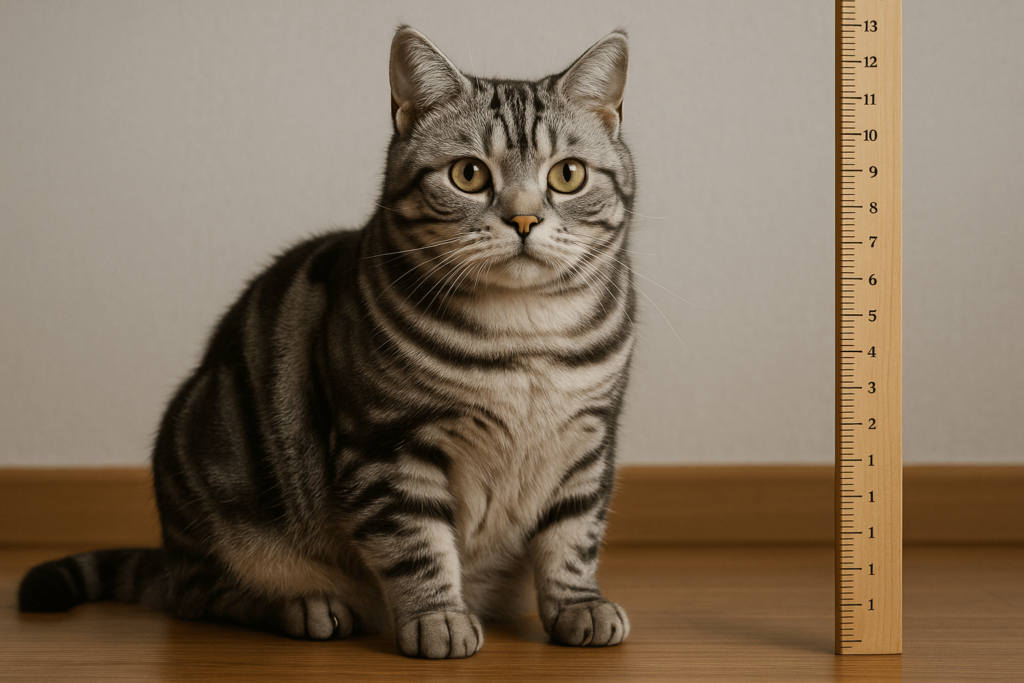

American Shorthair Cat Size: What to Expect from This Beloved Breed
The American Shorthair is one of the most popular and enduring cat breeds in the United States — prized for its easygoing temperament, striking appearance, and robust health. But if you’re considering bringing one into your home, you might wonder: just how big do these cats get? Understanding the typical size, weight range, and growth timeline of the American Shorthair helps set realistic expectations and ensures you can provide the right care, space, and nutrition throughout their life.
Typical Size Range of the American Shorthair
American Shorthairs are medium to large-sized cats known for their muscular build and athletic frame. While individual variation exists, most fall within a predictable size range shaped by genetics, diet, and sex.
Average Weight:
Males typically weigh between 11 to 15 pounds, while females are slightly smaller at 8 to 12 pounds.Body Length:
From nose to tail base, they usually measure 16 to 20 inches, with an additional 10 to 14 inches for the tail.Height at Shoulder:
They stand about 9 to 11 inches tall, giving them a low-slung, powerful stance.Bone Structure:
They have a moderate to heavy bone structure, contributing to their sturdy, “working cat” appearance.Maturity Timeline:
Unlike smaller breeds, American Shorthairs grow slowly and may not reach full size until 3 to 4 years old.
Their size makes them well-suited to active households, but also means they need adequate space, high-quality nutrition, and regular exercise to maintain a healthy weight.
Factors That Influence American Shorthair Cat Size
Not every American Shorthair will fit neatly into breed standards. Several factors can influence how large — or small — your cat becomes over time.
Genetics:
The size of the parents is a strong predictor; larger lineage often produces larger offspring.Diet and Nutrition:
High-quality, protein-rich food supports proper muscle development, while overfeeding can lead to unhealthy weight gain.Neutering/Spaying:
Early spaying or neutering may slightly affect growth plates and metabolism, potentially contributing to a heavier build.Activity Level:
Sedentary cats are more prone to obesity, which can exaggerate their size beyond natural musculature.Health Conditions:
Thyroid issues, diabetes, or joint problems can impact weight and body composition over time.
Monitoring these variables allows you to support healthy growth without encouraging excess weight, which is common in this easygoing breed.
Check this guide 👉American Shorthair Cat Price: Best 7 Expert Tips!
Check this guide 👉American Shorthair Cat Weight: Best 7 Expert Tips!
Check this guide 👉Domestic Shorthair Cat vs American Shorthair: Best 7 Tips!
| Male American Shorthair | Female American Shorthair |
|---|---|
| Weight: 11–15 lbs | Weight: 8–12 lbs |
| Broader chest and neck | More delicate facial structure |
| Larger head with prominent jowls (especially intact males) | Smoother jawline and refined muzzle |
| Typically reach full size by age 3–4 | Often mature slightly earlier, around age 2–3 |
| May appear more “substantial” in photos or motion | Graceful, agile movement even at full size |
Growth Timeline: From Kitten to Full-Grown Cat
American Shorthairs don’t rush their development. Their gradual growth allows for strong skeletal and muscular formation — but it also means patience is required.
0–6 Months:
Rapid weight gain; kittens may double or triple their birth weight monthly.6–12 Months:
Growth slows slightly, but muscle mass increases; playful energy peaks.1–2 Years:
Still filling out; coat thickens, and facial features become more defined.2–3 Years:
Most reach near-adult size, though subtle changes in muscle tone continue.3–4 Years:
Full physical and behavioral maturity is achieved; ideal time to assess final size.
This extended timeline means feeding a balanced “growth” or “all life stages” diet until age 2–3 is often recommended by veterinarians.
How Size Affects Health and Longevity
The American Shorthair’s size is generally an advantage — bred for resilience, they rarely suffer from the structural issues seen in extreme breeds. However, size still plays a role in long-term health.
Joint Health:
Extra weight (even just 2–3 pounds over ideal) increases risk of arthritis, especially in older cats.Cardiac Load:
Larger body mass requires a strong heart; obesity can strain cardiovascular function.Diabetes Risk:
Overweight American Shorthairs are more prone to type 2 diabetes due to insulin resistance.Lifespan Impact:
Cats maintained at ideal weight often live 15–20 years, while overweight cats may see reduced longevity.Mobility in Older Age:
A lean, muscular build supports better jumping, climbing, and litter box use well into senior years.
Keeping your American Shorthair at a healthy weight isn’t vanity — it’s preventive medicine.
Comparing American Shorthair Size to Other Breeds
How does this all-American favorite stack up against other popular cats? The answer may surprise you.
Vs. Domestic Shorthair:
American Shorthairs are typically larger and more muscular than random-bred domestic shorthairs.Vs. British Shorthair:
British Shorthairs are stockier and rounder, while American Shorthairs are more athletic and agile.Vs. Maine Coon:
Maine Coons are significantly larger (15–25 lbs), with longer fur and tufted ears — the American Shorthair is more compact.Vs. Siamese:
Siamese are slender and light (6–10 lbs), whereas American Shorthairs are dense and powerful by comparison.Vs. Ragdoll:
Ragdolls are heavier (10–20 lbs) but softer and less muscular, bred for docility rather than hunting prowess.
Understanding these differences helps set accurate expectations — especially if you’re adopting based on appearance alone.
Common Myths About American Shorthair Cat Size
Misinformation abounds when it comes to breed standards. Let’s clear up the most persistent myths.
Myth: “All American Shorthairs are huge.”
While robust, they’re not giant cats — most fall comfortably in the medium-to-large range.Myth: “They stop growing at 1 year.”
No — they continue developing muscle and bone density well into their third year.Myth: “Bigger means healthier.”
Not true. Excess weight masks poor health and increases disease risk.Myth: “Females are always tiny.”
Some females reach 12+ pounds and have strong builds — especially if from show lines.Myth: “Size predicts personality.”
Temperament is independent of size; American Shorthairs are calm and friendly regardless of weight.
Debunking these myths helps you focus on what truly matters: balanced health and individual well-being.
Tips for Managing Your American Shorthair’s Weight and Size
Maintaining ideal body condition is one of the best gifts you can give your cat. Here’s how to do it effectively.
Measure Food Portions:
Free-feeding encourages overeating; use a measured cup or kitchen scale for accuracy.Prioritize Wet Food:
High-moisture, high-protein wet food supports satiety and lean muscle more than dry kibble alone.Daily Play Sessions:
10–15 minutes of interactive play (feather wands, laser pointers) mimics hunting and burns calories.Regular Weigh-Ins:
Monitor weight monthly at home or during vet visits to catch changes early.Avoid “Treat Overload”:
Limit treats to <10% of daily calories; opt for freeze-dried meat instead of carb-heavy snacks.
A healthy American Shorthair should have a visible waistline when viewed from above and a slight tuck in the abdomen from the side.
Frequently Asked Questions About American Shorthair Cat Size
How big do American Shorthair cats get?
Males typically reach 11–15 lbs, females 8–12 lbs, with full size achieved by age 3–4.
Are American Shorthairs bigger than regular house cats?
Yes — they’re generally larger and more muscular than average domestic shorthairs due to selective breeding.
Can American Shorthairs become overweight easily?
Yes. Their laid-back nature and hearty appetite make them prone to obesity without portion control and exercise.
Does coat color affect their size?
No. Silver tabbies are no larger or smaller than black, white, or calico American Shorthairs.
Should I feed my American Shorthair kitten adult food early to support growth?
No. Stick to kitten or “all life stages” food until at least 12 months; early adult food may lack needed nutrients.
Celebrating the Balanced Build of the American Shorthair
The American Shorthair’s size is more than just a number — it’s a testament to centuries of natural selection and thoughtful breeding. Neither delicate nor overwhelming, their medium-to-large frame strikes a perfect balance between strength, agility, and grace. By understanding their growth patterns, honoring their physical needs, and resisting the temptation to overfeed, you ensure your feline companion lives a long, active, and joyful life. After all, the ideal size isn’t the biggest — it’s the healthiest. And in that, the American Shorthair truly shines.
Is Rawhide Bad for Cats? Best 7 Expert Tips! – Discover the risks, safe alternatives, and expert advice to keep your feline friend healthy and happy.

Is Rawhide Bad for Dogs? Best 7 Expert Tips! – Discover the risks, benefits, and safer alternatives to rawhides for your dog’s chewing needs.

Understanding Anorexia in Cats: Best 7 Expert Tips! – Learn why cats stop eating, spot warning signs, and discover how to help your feline regain appetite safely.

Understanding Anorexia in Dogs: Best 7 Expert Tips! – Learn causes, symptoms, and solutions to help your dog regain appetite and stay healthy.