
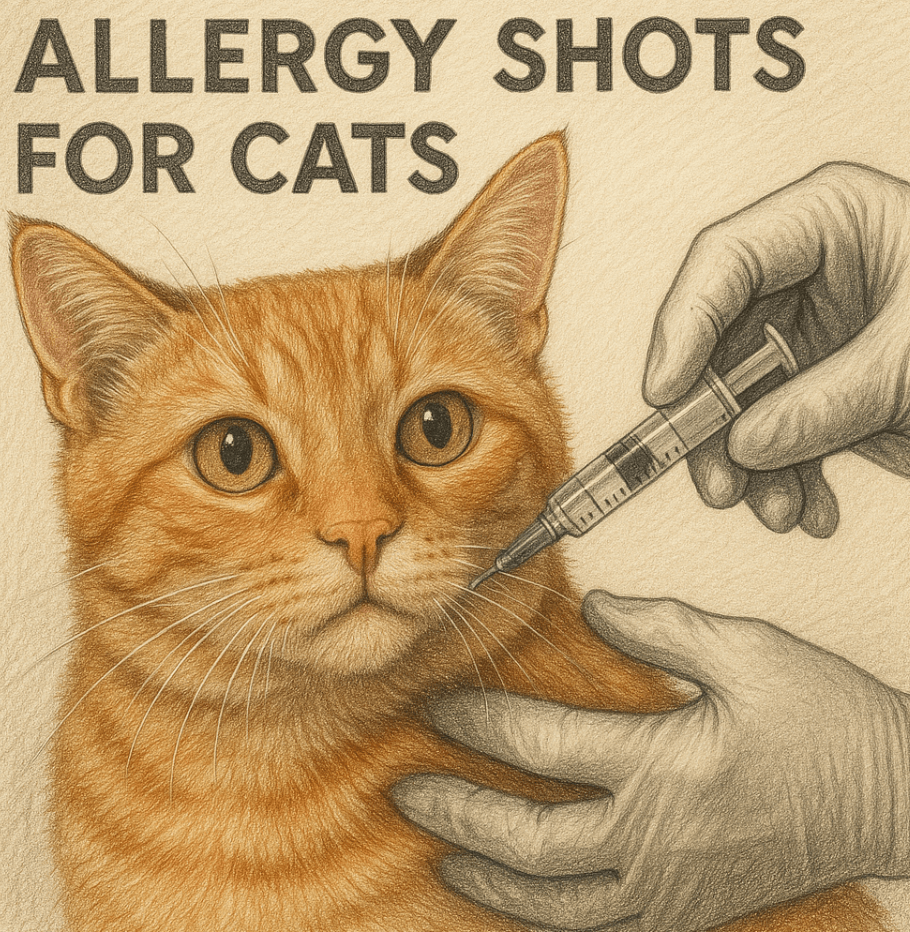

Allergy Shots for Cats: Best 7 Expert Tips!

Allergy Shots for Cats: Best 7 Expert Tips!

Allergy Shots for Cats: A Lifeline for Itchy Felines


Cats, like humans, can suffer from allergies that cause discomfort and distress. Whether triggered by pollen, dust mites, or food, these allergies often manifest as relentless itching, skin irritation, or respiratory issues. For severe cases where traditional treatments fall short, allergy shots—also known as immunotherapy—offer a promising solution.

This innovative approach helps desensitize your cat’s immune system to specific allergens over time, providing long-term relief. In this blog post, we’ll explore everything you need to know about allergy shots for cats, from how they work to their benefits and potential challenges. If your feline friend is struggling with allergies, this guide will help you make informed decisions about their care.

How Allergy Shots Work for Cats


Allergy shots for cats are designed to retrain the immune system, reducing its overreaction to allergens. Understanding the process behind this treatment can help you appreciate its effectiveness and determine if it’s right for your pet.

 
  • Identification of Allergens:
    The first step involves identifying the specific allergens affecting your cat through intradermal skin testing or blood tests.

  • Customized Serum Preparation:
    Once allergens are identified, a personalized serum is created containing small amounts of the offending substances.

  • Gradual Desensitization Process:
    The serum is administered in gradually increasing doses, allowing the immune system to build tolerance over time.

  • Frequency of Injections:
    Initially, shots may be given weekly or bi-weekly, with intervals extending as the cat’s tolerance improves.

  • Long-Term Commitment:
    Immunotherapy requires months or even years of consistent treatment to achieve optimal results.


By targeting the root cause of allergies, this method provides a sustainable solution for managing chronic symptoms.

Benefits of Allergy Shots for Cats


Allergy shots offer several advantages over conventional treatments, making them a preferred choice for many pet owners dealing with persistent feline allergies.

 
  • Targeted Relief:
    Unlike medications that merely mask symptoms, immunotherapy addresses the underlying cause of allergic reactions.

  • Reduced Reliance on Medications:
    Over time, allergy shots can decrease the need for corticosteroids or antihistamines, minimizing potential side effects.

  • Improved Quality of Life:
    Cats experience less itching, fewer skin infections, and reduced respiratory issues, leading to happier, healthier lives.

  • Natural Immune System Adjustment:
    This treatment works with the body’s natural processes, promoting safer and more effective outcomes.

  • Customizable Treatment Plans:
    Each serum is tailored to the individual cat’s needs, ensuring precise and effective therapy.


These benefits highlight why allergy shots are a game-changer for cats suffering from chronic allergies.

Allergy Shots for Cats: Best 7 Expert Tips!
Advantages of Allergy Shots
Challenges of Allergy Shots
Long-term symptom relief
Requires consistent time commitment
Reduces dependency on medications
Initial cost may be higher than other treatments
Customized to the cat’s needs
Not all cats respond equally well
Safe for prolonged use
Requires veterinary supervision
Improves overall health and comfort
May take months to see full results

Signs Your Cat May Benefit from Allergy Shots


If your cat exhibits any of these symptoms, allergy shots could be a viable option to alleviate their discomfort and improve their well-being.

 
  • Excessive Scratching or Licking:
    Persistent grooming behaviors often indicate an allergic reaction to environmental or food triggers.

  • Chronic Skin Infections:
    Recurring hot spots, rashes, or lesions may suggest an underlying allergy issue.

  • Hair Loss or Bald Patches:
    Constant scratching can lead to hair loss, particularly around the neck, belly, or tail area.

  • Respiratory Problems:
    Sneezing, wheezing, or coughing might point to inhalant allergies such as pollen or dust mites.

  • Poor Response to Other Treatments:
    If medications or dietary changes haven’t provided adequate relief, immunotherapy may be the next step.


Recognizing these signs early ensures timely intervention and better outcomes for your furry companion.

What to Expect During Allergy Shot Treatment


Starting allergy shots for your cat involves several steps, each requiring patience and cooperation. Here’s what you can expect throughout the process.

 
  • Initial Testing Phase:
    Your veterinarian will conduct tests to pinpoint the exact allergens causing your cat’s symptoms.

  • Serum Administration at Home or Clinic:
    Depending on your vet’s recommendations, shots may be administered at home or during regular clinic visits.

  • Monitoring for Side Effects:
    While rare, mild reactions like swelling or lethargy should be reported to your vet immediately.

  • Adjusting Dosage Over Time:
    As your cat’s tolerance improves, the frequency and dosage of injections may be adjusted accordingly.

  • Tracking Progress:
    Regular check-ins with your vet will help evaluate the treatment’s effectiveness and make necessary adjustments.


With proper care and follow-up, most cats show significant improvement within six months to a year.


Common Misconceptions About Allergy Shots for Cats


Several myths surround allergy shots, which can deter pet owners from pursuing this effective treatment. Clarifying these misconceptions helps set realistic expectations.

 
  • “Allergy Shots Cure Allergies Completely”:
    While highly effective, immunotherapy reduces symptoms rather than eliminating allergies entirely.

  • “It’s Too Painful for My Cat”:
    Injections are minimally invasive and typically well-tolerated with proper technique.

  • “Only Outdoor Cats Need Allergy Shots”:
    Indoor cats are equally susceptible to allergens like dust mites and mold spores.

  • “It’s Only for Severe Cases”:
    Even mild or moderate allergies can benefit from early intervention with immunotherapy.

  • “My Cat Will Hate the Process”:
    With gentle handling and positive reinforcement, most cats adapt quickly to the routine.


Understanding the truth behind these myths empowers you to make informed decisions about your cat’s care.

Alternative Treatments for Feline Allergies


While allergy shots are highly effective, they aren’t the only option for managing feline allergies. These alternatives may complement or serve as substitutes depending on your cat’s condition.

 
  • Hypoallergenic Diets:
    Switching to novel protein or hydrolyzed diets can help identify and eliminate food-based allergens.

  • Antihistamines and Corticosteroids:
    Medications like Benadryl or prednisone provide temporary relief for mild cases.

  • Topical Solutions:
    Medicated shampoos, sprays, and ointments soothe irritated skin and reduce inflammation.

  • Environmental Control Measures:
    Using air purifiers and washing bedding frequently minimizes exposure to airborne allergens.

  • Supplements and Omega-3 Fatty Acids:
    These promote skin health and strengthen the immune system, easing allergy-related symptoms.


Exploring these options allows you to tailor a treatment plan that suits your cat’s unique needs.

Tips for Managing Your Cat’s Allergies at Home


In addition to professional treatments, there are practical steps you can take at home to support your cat’s recovery and minimize allergen exposure.

 
  • Regular Grooming:
    Brushing and bathing your cat removes allergens trapped in their fur, reducing irritation.

  • Clean Living Spaces:
    Vacuum carpets, wash linens, and dust surfaces regularly to keep allergens at bay.

  • Limit Outdoor Time:
    Restrict outdoor access during high-pollen seasons to prevent exposure to environmental triggers.

  • Use Hypoallergenic Bedding:
    Provide your cat with hypoallergenic blankets or mats to create a comfortable resting area.

  • Monitor Symptoms Closely:
    Keep track of flare-ups and share observations with your vet to refine treatment plans.


Taking proactive measures at home ensures a healthier environment for your sensitive feline friend.

Frequently Asked Questions About Allergy Shots for Cats

 
Are allergy shots safe for cats?

Yes, when administered under veterinary guidance, allergy shots are generally safe and well-tolerated by most cats.

Some cats show improvement within a few months, while others may require up to a year for noticeable changes.

Many vets teach owners how to give injections at home, but some prefer administering them in-clinic for precision.

While the initial costs can be high, the long-term benefits often outweigh ongoing expenses associated with alternative treatments.

Most cats benefit significantly, though individual responses vary based on the severity of allergies and consistency of treatment.

Investing in Your Cat’s Comfort with Allergy Shots


Allergy shots represent a groundbreaking solution for managing chronic allergies in cats, offering hope to those who struggle with persistent symptoms despite conventional treatments. By addressing the root cause of allergic reactions, this therapy not only alleviates discomfort but also enhances your cat’s quality of life. While it requires dedication and collaboration with your veterinarian, the rewards—a happy, itch-free feline—are well worth the effort. If your cat suffers from allergies, consider exploring immunotherapy as a pathway to lasting relief and renewed vitality.

Is Rawhide Bad for Cats? Best 7 Expert Tips!

Is Rawhide Bad for Cats? Best 7 Expert Tips! – Discover the risks, safe alternatives, and expert advice to keep your feline friend healthy and happy.

Is Rawhide Bad for Dogs? Best 7 Expert Tips!

Is Rawhide Bad for Dogs? Best 7 Expert Tips! – Discover the risks, benefits, and safer alternatives to rawhides for your dog’s chewing needs.

Understanding Anorexia in Cats: Best 7 Expert Tips!

Understanding Anorexia in Cats: Best 7 Expert Tips! – Learn why cats stop eating, spot warning signs, and discover how to help your feline regain appetite safely.

Understanding Anorexia in Dogs: Best 7 Expert Tips!

Understanding Anorexia in Dogs: Best 7 Expert Tips! – Learn causes, symptoms, and solutions to help your dog regain appetite and stay healthy.

Leave a Reply

Your email address will not be published. Required fields are marked *