
Discovering the Africanis Dog Breed: A Living Legacy
The Africanis is a primitive yet remarkably resilient dog breed, shaped by centuries of natural selection in the diverse landscapes of Africa. Known for their endurance, intelligence, and adaptability, these dogs embody the spirit of survival and companionship. Whether you’re considering this breed or simply intrigued by their unique history, understanding their traits reveals wh
Origins and History of the Africanis Dog Breed
The Africanis is not just a dog breed; it’s a living testament to Africa’s rich history and diverse ecosystems. This primitive breed emerged through natural selection rather than human-driven breeding programs, making it uniquely adapted to its environment. Its lineage traces back thousands of years, with roots in ancient pariah dogs brought to Africa by traders and migrants. Over time, these dogs evolved to survive harsh climates, scarce resources, and varied terrains. Their resilience has made them indispensable companions for rural communities across the continent.
- Ancient Roots:
The Africanis descends from some of the oldest domesticated dogs, believed to have accompanied early humans during migrations out of Asia and into Africa. These dogs were not bred for aesthetics but for survival, which shaped their hardy nature. - Natural Selection Over Breeding:
Unlike modern breeds, the Africanis was not selectively bred by humans. Instead, only the fittest dogs survived, passing on traits like endurance, disease resistance, and adaptability to future generations. - Cultural Significance in Africa:
In many African cultures, the Africanis is revered as a guardian, hunter, and loyal companion. They are often seen as symbols of resilience and partnership with nature. - Recognition by Kennel Clubs:
Although long overlooked by Western breed standards, the Africanis gained recognition in the late 20th century when enthusiasts highlighted its unique qualities. Today, organizations like the Kennel Union of Southern Africa acknowledge its value. - Modern Adaptation:
While traditionally found in rural areas, the Africanis is increasingly being adopted as a family pet worldwide, thanks to growing awareness of its intelligence and loyalty.
Understanding the Africanis’ origins provides insight into its remarkable ability to thrive in challenging environments while maintaining unwavering loyalty to its human companions.
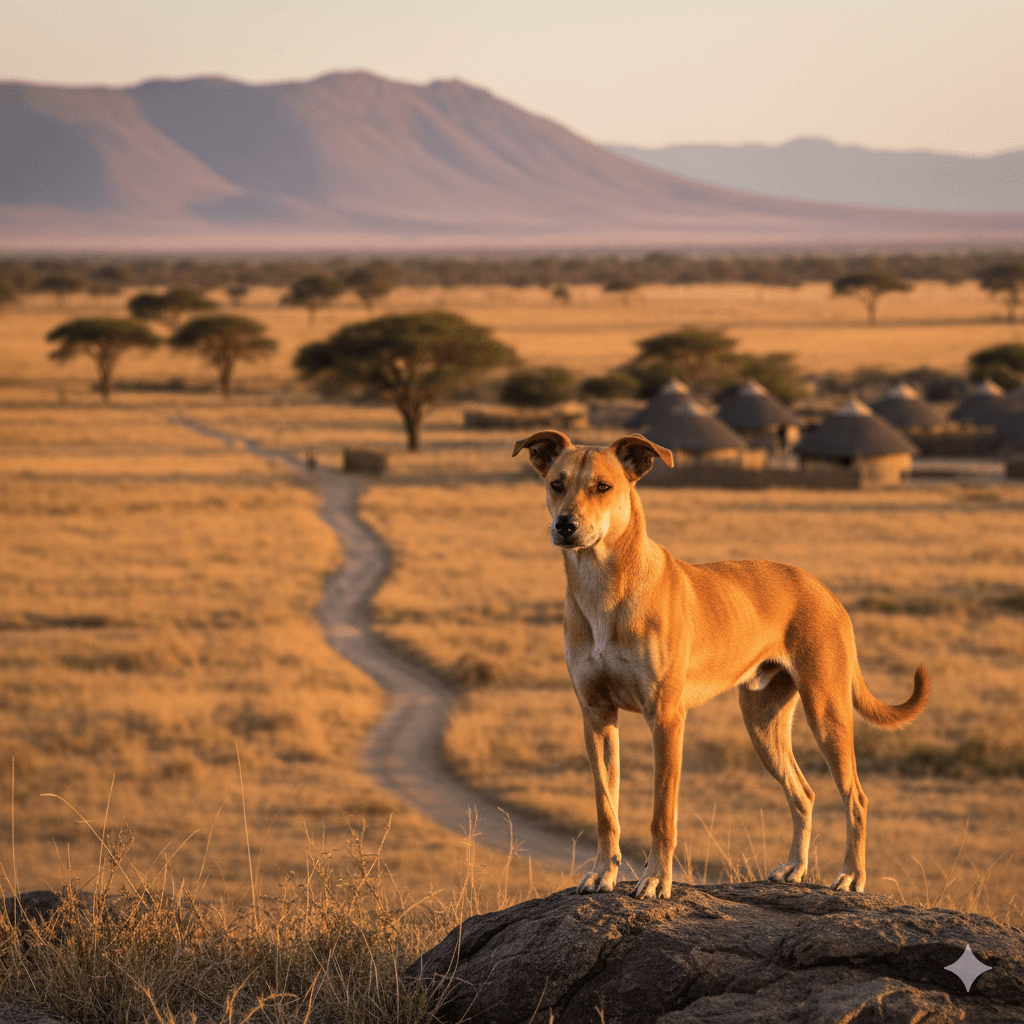
Physical Characteristics of the Africanis Dog
The Africanis is a medium-sized dog with a lean, athletic build that reflects its role as a versatile working companion. Its appearance is functional rather than ornamental, emphasizing agility, endurance, and adaptability. Unlike many modern breeds designed for show rings, the Africanis retains the rugged simplicity of a naturally evolved canine. Every aspect of its physique serves a purpose, from its coat to its muscular frame.
- Coat Type and Color Variations:
The Africanis sports a short, dense coat that protects against extreme temperatures and parasites. Colors range from tan and brindle to white or black, often with distinctive markings. - Size and Build:
Standing approximately 18–24 inches tall at the shoulder, the Africanis has a lithe yet sturdy build. Males tend to be slightly larger than females, weighing between 40–60 pounds. - Ears and Tail Features:
Their ears are typically semi-erect or floppy, aiding in temperature regulation and enhancing hearing. The tail is usually curled or straight, depending on individual variation. - Distinctive Facial Structure:
The Africanis has an alert expression characterized by almond-shaped eyes and a tapered muzzle, giving it a keen and intelligent look. - Adaptability Through Evolution:
Its physical traits are honed by centuries of survival in Africa’s diverse landscapes, enabling it to excel in both hot deserts and humid savannas.
The Africanis’ appearance is a reflection of its evolutionary journey, where form follows function to create a dog perfectly suited for its environment.
Check this guide 👉Shepherd Dog Breeds: Best 7 Expert Tips!
Check this guide 👉Portuguese Dog Breeds: Best 7 Expert Tips!
Check this guide 👉Most Popular Dog Breeds: Best 7 Expert Tips!
Africanis Traits | Other Primitive Breeds (e.g., Basenji, Carolina Dog) |
|---|---|
Naturally evolved, no selective breeding | Often selectively bred for specific traits or appearances |
Short, dense coat for hot climates | Varies; some have longer coats or unique grooming needs |
Highly adaptable to rural and urban settings | May require more specialized environments or care |
Lifespan of 12–15 years due to robust health | Lifespan varies; some prone to genetic health issues |
Minimal shedding, low-maintenance grooming | Grooming needs vary; some require more frequent care |
Temperament and Personality Traits of the Africanis
The Africanis is renowned for its balanced temperament, combining independence with deep devotion to its family. This breed thrives on forming strong bonds with humans while maintaining a level of self-reliance uncommon in modern companion dogs. Its personality is shaped by centuries of coexistence with humans in challenging environments, resulting in a dog that is both resourceful and affectionate.
- Loyalty and Protective Nature:
The Africanis forms intense attachments to its family, often acting as a vigilant protector without being overly aggressive. It instinctively guards homes and livestock. - Intelligence and Trainability:
Highly intelligent, the Africanis learns quickly but prefers tasks that align with its instincts, such as herding or guarding, over repetitive obedience drills. - Independence vs. Companionship:
While independent thinkers, these dogs crave companionship and enjoy spending time with their owners. Isolation can lead to boredom or anxiety. - Social Behavior with Other Animals:
Generally tolerant of other pets if raised together, though their hunting instincts may surface around smaller animals like cats or rabbits. - Resilience Under Stress:
The Africanis remains calm and composed even in chaotic situations, showcasing its innate adaptability and problem-solving skills.
This breed’s temperament makes it an excellent choice for active families seeking a loyal, low-maintenance companion with a touch of wild charm.
Health and Lifespan of the Africanis Dog
One of the most remarkable aspects of the Africanis is its robust health, a result of its natural evolution free from excessive inbreeding. This breed boasts a lifespan of 12–15 years, significantly longer than many purebred dogs. Its hardy constitution means fewer genetic disorders, though responsible ownership still requires attention to basic care needs.
- Resistance to Diseases:
The Africanis exhibits immunity to many common canine ailments due to its diverse gene pool and exposure to challenging environments. - Parasite Tolerance:
Its thick skin and short coat provide protection against fleas, ticks, and other external parasites prevalent in tropical regions. - Nutritional Needs:
Despite its adaptability, the Africanis benefits from a balanced diet rich in protein and essential nutrients to maintain its energy levels. - Exercise Requirements:
Daily walks, playtime, and mental stimulation keep this active breed physically and mentally fit, reducing the risk of obesity or behavioral issues. - Veterinary Care Considerations:
Regular check-ups ensure early detection of any potential health concerns, though serious medical issues are rare in well-cared-for Africanis dogs.
With proper care, the Africanis enjoys a long, healthy life, embodying the epitome of vitality and resilience.
Training Tips for Africanis Dogs
Training an Africanis requires patience, consistency, and respect for its independent nature. While highly intelligent, this breed thrives best when training aligns with its instincts and natural behaviors. Positive reinforcement methods work wonders, as harsh corrections can damage the trust-based relationship crucial to success.
- Start Early Socialization:
Expose your Africanis puppy to various people, animals, and environments to foster confidence and reduce fear-based reactions later in life. - Use Positive Reinforcement:
Reward-based techniques, such as treats or praise, motivate this breed far more effectively than punishment-based approaches. - Focus on Practical Tasks:
Activities like agility courses, herding trials, or scent work tap into the Africanis’ natural talents, keeping training engaging and rewarding. - Respect Independence:
Allow your Africanis to think for itself occasionally; micromanaging can frustrate this naturally autonomous breed. - Maintain Consistency:
Clear rules and routines help the Africanis understand expectations, preventing confusion and reinforcing good behavior.
By embracing the Africanis’ unique personality and instincts, you’ll cultivate a harmonious partnership built on mutual trust and respect.
Living Conditions Suitable for Africanis Dogs
The Africanis adapts remarkably well to various living conditions, provided its basic needs are met. Whether residing in a rural farm or urban apartment, this breed flourishes in environments that allow it freedom, exercise, and companionship. Understanding its preferences ensures a happy, healthy life for your Africanis.
- Space Requirements:
While adaptable, the Africanis prefers open spaces where it can roam and explore. A securely fenced yard is ideal but not mandatory. - Climate Adaptability:
Thanks to its short coat and efficient body structure, the Africanis tolerates warm climates exceptionally well but may need extra care in cold weather. - Companionship Needs:
This breed thrives on human interaction and should not be left alone for extended periods, as loneliness can lead to destructive behaviors. - Urban Living Considerations:
In cities, regular walks and mental stimulation compensate for limited outdoor space, ensuring the Africanis stays content and engaged. - Compatibility with Families:
Friendly and gentle, the Africanis integrates seamlessly into households with children or other pets, provided proper introductions occur.
Providing a supportive environment allows the Africanis to shine as a devoted, low-maintenance companion capable of thriving in diverse settings.
Africanis Dog Breed: Care and Maintenance
Caring for an Africanis involves understanding its unique needs and ensuring it thrives in its environment. While this breed is naturally resilient, responsible ownership requires attention to grooming, nutrition, and mental stimulation. By meeting these needs, you can ensure your Africanis remains healthy, happy, and well-adjusted throughout its life.
- Grooming Needs:
The Africanis’ short coat requires minimal grooming—weekly brushing removes loose hair and keeps the skin healthy, while occasional baths maintain cleanliness. - Dietary Recommendations:
A high-quality diet rich in protein supports the Africanis’ active lifestyle; avoid overfeeding to prevent obesity, which can strain joints and organs. - Exercise and Mental Stimulation:
Daily physical activity, such as long walks or playtime, combined with puzzle toys or training sessions, satisfies both their energy levels and intellectual curiosity. - Health Monitoring:
Regular vet check-ups, vaccinations, and parasite prevention (especially in tropical climates) safeguard against potential health issues despite their natural hardiness. - Environmental Enrichment:
Providing a stimulating environment, whether through outdoor exploration or interactive games, prevents boredom and encourages natural behaviors like sniffing and scavenging.
With proper care and attention to its needs, the Africanis proves to be a low-maintenance yet deeply rewarding companion, embodying the perfect blend of independence and devotion.
“The Africanis is the real African dog – shaped in Africa, for Africa. It is part of the cultural and biological heritage of Africa.” – Johan Gallant & Joseph Sithole
Frequently Asked Questions About Africanis Dogs
Is the Africanis suitable for first-time dog owners?
Yes—its low-maintenance needs and friendly nature make it beginner-friendly, though early socialization is key.
Does the Africanis shed a lot?
Minimal shedding occurs seasonally, but regular brushing keeps loose hair under control and maintains coat health.
Can Africanis dogs live in apartments?
Absolutely—with sufficient exercise and mental stimulation, they adapt well to apartment living despite their active nature.
Are Africanis dogs good guard dogs?
Yes—they are naturally protective and alert, making them excellent watchdogs without being excessively aggressive.
How much exercise does an Africanis need daily?
At least one hour of vigorous activity per day satisfies their energy levels and prevents boredom-related behaviors.
A Testament to Nature’s Ingenuity
The Africanis dog breed is a remarkable testament to the power of natural selection and adaptation. Its resilience, loyalty, and versatility make it an ideal companion for those seeking a dog that thrives with minimal intervention. Whether you live in a bustling city or a quiet countryside, the Africanis adapts effortlessly, bringing joy, protection, and unwavering devotion to its family. By understanding and respecting its instincts and needs, you unlock the full potential of this extraordinary breed. Embrace the Africanis not just as a pet but as a living legacy of Africa’s untamed beauty and enduring spirit—a true partner for life’s adventures.

Is Rawhide Bad for Cats? Best 7 Expert Tips! – Discover the risks, safe alternatives, and expert advice to keep your feline friend healthy and happy.

Is Rawhide Bad for Dogs? Best 7 Expert Tips! – Discover the risks, benefits, and safer alternatives to rawhides for your dog’s chewing needs.

Understanding Anorexia in Cats: Best 7 Expert Tips! – Learn why cats stop eating, spot warning signs, and discover how to help your feline regain appetite safely.

Understanding Anorexia in Dogs: Best 7 Expert Tips! – Learn causes, symptoms, and solutions to help your dog regain appetite and stay healthy.