
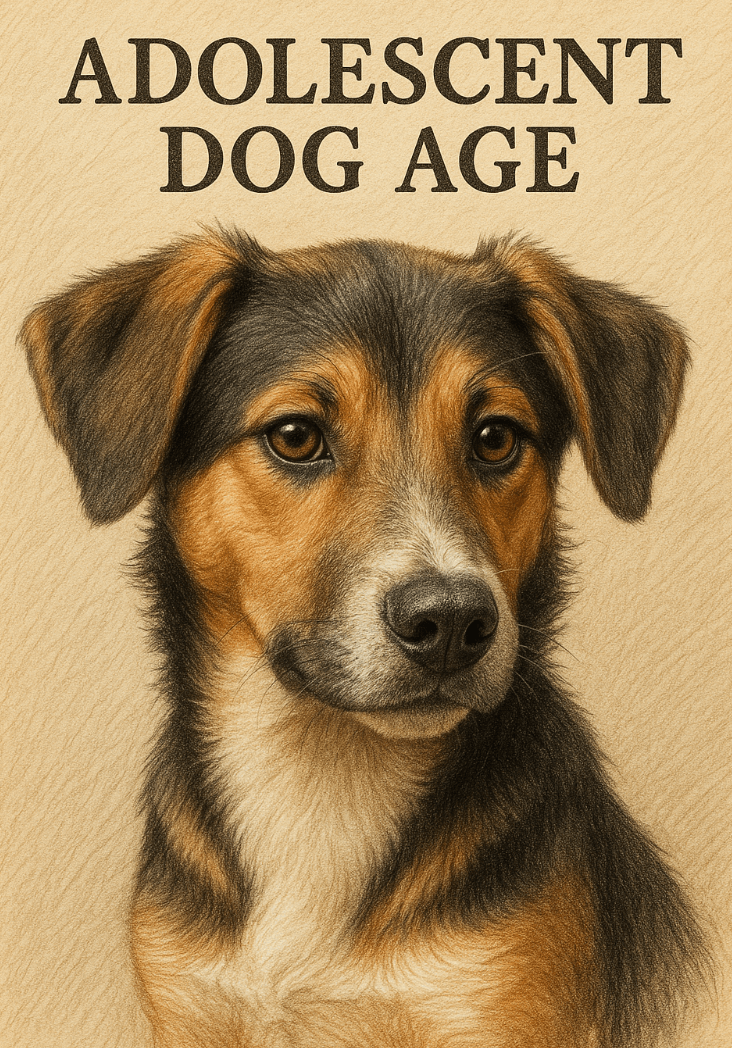

Adolescent Dog Age: Best 7 Expert Tips!

Adolescent Dog Age: Best 7 Expert Tips!

Adolescent Dog Age: Navigating the Teenage Phase of Your Pup


Every dog owner knows that puppies are adorable bundles of energy, but what happens when your once-angelic pup starts testing boundaries and ignoring commands? Welcome to the adolescent dog age—a challenging yet rewarding phase in your dog’s development. Typically occurring between six months and two years of age, this period is akin to the “teenage years” in humans. It’s marked by bursts of energy, stubbornness, and a desire for independence.

Understanding the nuances of this stage is crucial for maintaining a strong bond with your dog while addressing behavioral challenges. In this blog post, we’ll explore everything you need to know about navigating the adolescent dog age, from its duration to tips for managing this transformative time.

Understanding the Adolescent Dog Age


The adolescent dog age is a critical developmental stage where your pup transitions from puppyhood to adulthood. Knowing what to expect can help you prepare for the changes ahead.

 
  • Typical Age Range:
    The adolescent phase usually begins around six months and lasts until your dog reaches full maturity, often between 18 months and two years.

  • Breed Variations:
    Larger breeds tend to have longer adolescent phases, sometimes extending up to three years, while smaller breeds mature more quickly.

  • Hormonal Changes:
    During this time, dogs experience hormonal surges, leading to mood swings, increased territorial behavior, and a stronger drive to explore.

  • Testing Boundaries:
    Adolescent dogs often challenge rules they previously followed, such as ignoring commands or refusing to come when called.

  • Energy Spikes:
    Expect sudden bursts of energy, often accompanied by playful antics or destructive chewing, as your dog burns off excess energy.


Understanding these characteristics helps you approach this phase with patience and empathy, knowing it’s just a temporary stage in your dog’s growth.

Behavioral Challenges During the Adolescent Dog Age


The adolescent dog age is notorious for testing even the most patient owners. Here are some common behavioral challenges you may encounter and how to address them.

 
  • Selective Hearing:
    Your dog may suddenly “forget” basic commands like “sit” or “stay,” requiring consistent reinforcement and positive rewards.

  • Increased Independence:
    Dogs in this phase often wander off during walks or ignore recall cues, making leash training essential for safety.

  • Chewing and Destructive Behavior:
    Teething and boredom can lead to chewing furniture, shoes, or other household items; provide durable chew toys as alternatives.

  • Jumping and Mouthing:
    Excitable behavior, such as jumping on guests or mouthing during play, requires redirection and firm boundaries.

  • Territorial Marking:
    Unneutered males may begin marking territory indoors, highlighting the importance of spaying or neutering early.


Addressing these behaviors with consistency and kindness ensures your dog grows into a well-mannered adult companion.

Adolescent Dog Age: Best 7 Expert Tips!
How to Manage Adolescent Dog Behavior
Common Mistakes to Avoid
Reinforce training with short, fun sessions
Punishing mistakes instead of redirecting
Provide plenty of physical and mental exercise
Ignoring problem behaviors hoping they’ll go away
Use high-value treats for motivation
Allowing too much freedom without supervision
Establish clear boundaries and routines
Skipping regular vet check-ups during this phase
Socialize regularly with other dogs
Overlooking the need for spaying/neutering

Training Tips for Adolescent Dogs


Training an adolescent dog requires creativity, patience, and consistency. These tips will help you navigate this challenging but rewarding phase.

 
  • Short, Engaging Sessions:
    Keep training sessions brief (5-10 minutes) and fun to hold their attention and maintain enthusiasm.

  • Use High-Value Rewards:
    Treats like chicken, cheese, or peanut butter are excellent motivators for reinforcing desired behaviors.

  • Focus on Recall Training:
    Teach and practice recall commands in safe environments to prevent wandering or bolting during walks.

  • Incorporate Mental Stimulation:
    Puzzle toys, scent games, and obedience drills engage their minds and tire them out faster than physical activity alone.

  • Be Consistent with Rules:
    Reinforce house rules daily, ensuring all family members follow the same guidelines to avoid confusion.


With dedication and positivity, training becomes an opportunity to strengthen your bond and build trust with your adolescent dog.

Exercise Needs of Adolescent Dogs


Adolescent dogs have boundless energy and require ample exercise to stay happy and healthy. Neglecting their needs can lead to behavioral issues and frustration.

 
  • Daily Walks and Runs:
    Aim for at least one to two hours of vigorous exercise daily, including brisk walks, runs, or hikes.

  • Interactive Playtime:
    Games like fetch, tug-of-war, and frisbee provide both physical exertion and bonding opportunities.

  • Agility Training:
    Introduce obstacle courses or agility drills to channel their athleticism and focus.

  • Mental Challenges:
    Combine physical activity with brain games, such as hiding treats or teaching new tricks.

  • Supervision During Play:
    Monitor interactions with other dogs to ensure safe and appropriate socialization.


Meeting their exercise requirements ensures a calm, content, and well-adjusted companion at home.

Signs Your Dog Has Entered Adolescence


Recognizing the signs of adolescence helps you prepare for the changes ahead. Here’s what to look for as your pup transitions into this dynamic phase.

 
  • Sudden Disobedience:
    Commands your dog once followed perfectly may now be ignored completely.

  • Increased Energy Levels:
    Hyperactivity and zoomies become more frequent, signaling a surge in physical energy.

  • Exploratory Behavior:
    Your dog may show a heightened curiosity, sniffing everything and attempting to escape fenced areas.

  • Mood Swings:
    One moment they’re affectionate, and the next they’re aloof or stubborn—a hallmark of hormonal changes.

  • Growth Spurts:
    Physical changes, such as lanky limbs or awkward movements, indicate rapid growth during this phase.


Understanding these signs allows you to anticipate and adapt to your dog’s evolving needs.


Nutritional Needs During the Adolescent Dog Age


Proper nutrition plays a vital role in supporting your dog’s growth and development during adolescence. Here’s how to meet their dietary requirements effectively.

 
  • Balanced Diet:
    Ensure meals include high-quality protein, healthy fats, and essential vitamins to fuel their active lifestyle.

  • Portion Control:
    Overfeeding can lead to obesity, so measure portions according to your dog’s size, breed, and activity level.

  • Adjust Feeding Schedule:
    Transition from puppy food to adult formulas gradually, consulting your vet for guidance on timing.

  • Avoid Harmful Foods:
    Steer clear of toxic human foods like chocolate, grapes, and onions to keep your dog safe.

  • Hydration is Key:
    Always provide fresh water, especially after exercise, to prevent dehydration.


A nutritious diet supports their physical and mental well-being throughout this demanding phase.

Socialization Tips for Adolescent Dogs


Socialization remains important during the adolescent dog age to ensure your pup grows into a confident and friendly adult. Follow these tips to foster positive interactions.

 
  • Introduce New Experiences Gradually:
    Expose your dog to different environments, sounds, and people to build confidence without overwhelming them.

  • Arrange Playdates:
    Organized play sessions with well-behaved dogs teach appropriate social skills and burn off energy.

  • Visit Dog-Friendly Locations:
    Parks, pet stores, and outdoor cafes provide opportunities for controlled socialization.

  • Monitor Body Language:
    Watch for signs of stress or aggression and intervene promptly to prevent negative experiences.

  • Reward Calm Behavior:
    Praise and treat your dog for polite interactions, reinforcing good manners around others.


Effective socialization sets the stage for a happy, well-adjusted dog who thrives in various situations.

Frequently Asked Questions About the Adolescent Dog Age

 
How long does the adolescent phase last?

The phase typically lasts from six months to two years, depending on the breed and individual dog.

Testing boundaries is normal during this stage; consistent training and positive reinforcement can help.

Yes, it’s never too late to reinforce good habits and address problem behaviors through training.

Provide plenty of durable chew toys and supervise closely to redirect unwanted chewing.

Spaying or neutering can reduce hormonal behaviors like marking and roaming, contributing to better behavior overall.

Embracing the Adolescent Dog Age


The adolescent dog age is a transformative period filled with challenges, growth, and countless opportunities to deepen your bond with your furry friend. While it may test your patience, this phase is temporary and lays the foundation for a well-behaved adult dog. By understanding their needs, providing consistent training, and offering plenty of love and support, you can guide your adolescent dog through this exciting time with confidence. Remember, every wagging tail and joyful bark is worth the effort—it’s all part of the journey of raising a loyal and loving companion.

 
Is Rawhide Bad for Cats? Best 7 Expert Tips!

Is Rawhide Bad for Cats? Best 7 Expert Tips! – Discover the risks, safe alternatives, and expert advice to keep your feline friend healthy and happy.

Is Rawhide Bad for Dogs? Best 7 Expert Tips!

Is Rawhide Bad for Dogs? Best 7 Expert Tips! – Discover the risks, benefits, and safer alternatives to rawhides for your dog’s chewing needs.

Understanding Anorexia in Cats: Best 7 Expert Tips!

Understanding Anorexia in Cats: Best 7 Expert Tips! – Learn why cats stop eating, spot warning signs, and discover how to help your feline regain appetite safely.

Understanding Anorexia in Dogs: Best 7 Expert Tips!

Understanding Anorexia in Dogs: Best 7 Expert Tips! – Learn causes, symptoms, and solutions to help your dog regain appetite and stay healthy.

Leave a Reply

Your email address will not be published. Required fields are marked *