
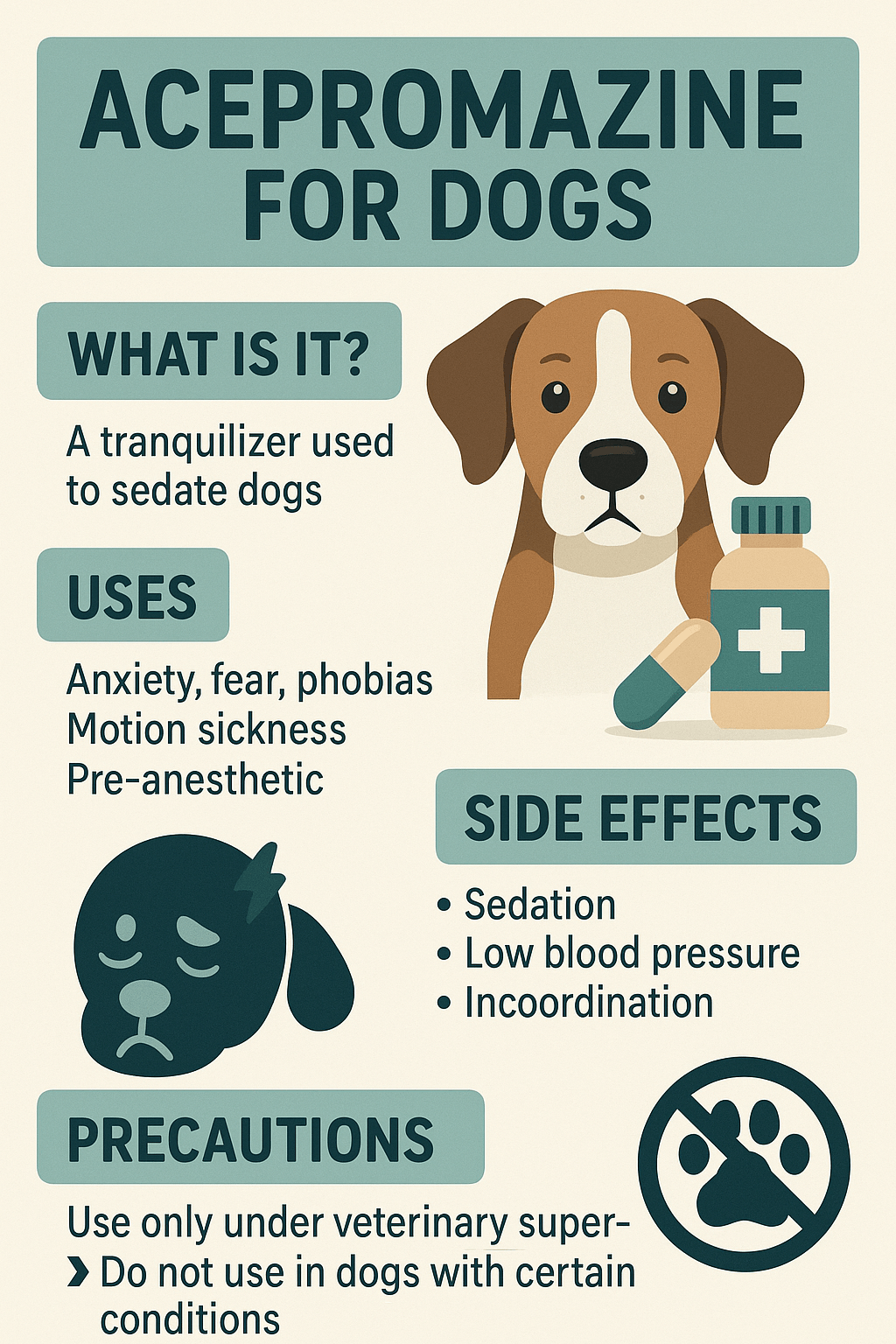

Acepromazine for Dogs: What You Need to Know
Acepromazine is a commonly prescribed medication for dogs, often used to calm anxious pets or manage stress-related behaviors. As a sedative and tranquilizer, it plays an important role in veterinary care, helping dogs feel more relaxed during travel, grooming, or medical procedures. However, like any medication, acepromazine comes with specific guidelines, potential side effects, and considerations that every pet owner should understand. Whether you’re considering this drug for your dog or simply want to learn more about its uses, this blog post will provide a comprehensive overview of acepromazine, ensuring you’re well-informed and prepared to make the best decisions for your furry friend.
Expert Insight: The Shift Away from Acepromazine
However, many veterinarians tend to reach for acepromazine less often because there is a variety of drugs that offer similar or sometimes better anti-anxiety effects with less side effects, such as trazadone. Unlike acepromazine, many of the newer sedatives are reversible. If you give a dog a stronger dose than what’s needed, you can give a reversal medication, and the dog is no longer sedated. The only way to get acepromazine out of your dog’s system “is time and supportive care like giving fluids,” she says. “So, there are situations where these newer drugs are considered safer because of the potential to reverse them.”
Common Uses of Acepromazine in Dogs
Acepromazine is widely used in veterinary settings due to its calming and sedative properties. Understanding its applications can help you determine whether it might be suitable for your dog’s needs.
Travel Anxiety Relief:
Many dogs experience stress or fear during car rides or flights. Acepromazine can help reduce anxiety, making travel more manageable for both pets and owners.Pre-Surgical Sedation:
Veterinarians often administer acepromazine before surgeries to calm dogs and minimize movement during procedures.Noise Phobia Management:
Fireworks, thunderstorms, and other loud noises can trigger panic in dogs. Acepromazine may help soothe their nerves during these events.Grooming and Vet Visits:
For dogs that become aggressive or overly anxious during grooming or vet appointments, acepromazine can promote a calmer demeanor.Behavioral Modification:
In some cases, veterinarians prescribe acepromazine to address hyperactivity or aggression in dogs, though it’s not a long-term solution for behavioral issues.
While acepromazine is versatile, it’s essential to consult your veterinarian to ensure it’s the right choice for your dog’s specific situation.
Potential Side Effects of Acepromazine
Like any medication, acepromazine can cause side effects in dogs. Being aware of these potential reactions ensures you can monitor your pet closely and seek help if needed.
Drowsiness or Lethargy:
One of the most common side effects, drowsiness, is expected but should not persist excessively after the drug wears off.Low Blood Pressure:
Acepromazine can cause a temporary drop in blood pressure, which may lead to weakness or fainting in some dogs.Increased Sensitivity to Temperature:
Dogs on acepromazine may struggle to regulate their body temperature, making them more susceptible to heat or cold.Seizures in Rare Cases:
Though uncommon, acepromazine may lower the seizure threshold in predisposed dogs, requiring careful monitoring.Allergic Reactions:
Signs of an allergic reaction include swelling, difficulty breathing, or hives. Seek immediate veterinary attention if these occur.
By staying vigilant and recognizing these side effects, you can ensure your dog’s safety while using acepromazine.
Check this guide 👉How to Sedate Your Dog for Grooming: Best 7 Expert Tips!
Check this guide 👉How to Help My Dog Sleep at Night: Best 7 Expert Tips!
Check this guide 👉Understanding Methocarbamol for Dogs: Best 7 Expert Tips!
Benefits of Acepromazine | Considerations Before Use |
|---|---|
Reduces anxiety during stressful events | Not suitable for all breeds (e.g., boxers, greyhounds) |
Helps calm aggressive or hyperactive dogs | May cause prolonged sedation in older dogs |
Effective for pre-surgical sedation | Requires a veterinarian’s prescription |
Useful for noise phobias | Should not be used in dogs with certain health conditions |
Improves cooperation during grooming | Potential side effects must be monitored closely |
How to Administer Acepromazine Safely
Administering acepromazine correctly is crucial to ensure your dog’s comfort and safety. Follow these guidelines to use the medication effectively.
Consult Your Veterinarian First:
Never give acepromazine without professional guidance, as dosages vary based on your dog’s size, breed, and health status.Follow Dosage Instructions Carefully:
Overdosing can lead to severe complications, so stick to the prescribed amount and schedule.Observe Your Dog After Administration:
Monitor your dog for any unusual behavior or adverse reactions, especially during the first few hours.Avoid Giving with Certain Medications:
Acepromazine may interact negatively with other drugs, so inform your vet about any medications or supplements your dog is taking.Create a Calm Environment:
Provide a quiet, comfortable space for your dog to rest after receiving acepromazine, minimizing stress during its effects.
Proper administration and observation are key to ensuring acepromazine works safely and effectively for your dog.
Breeds That May Be More Sensitive to Acepromazine
Not all dogs respond to acepromazine in the same way, and some breeds are more sensitive to its effects. Understanding these differences helps prevent complications.
Boxers:
Boxers are particularly prone to adverse reactions, including respiratory issues, due to their genetic predisposition.Greyhounds:
Greyhounds metabolize medications differently, making them more susceptible to prolonged sedation.Sighthounds:
Breeds like whippets and borzois may also experience heightened sensitivity to acepromazine.Elderly Dogs:
Older dogs often have weaker systems, increasing the risk of excessive sedation or low blood pressure.Small Breeds:
Smaller dogs require precise dosing, as even slight errors can lead to significant side effects.
If your dog belongs to one of these categories, discuss alternative options with your veterinarian to avoid potential risks.
Alternatives to Acepromazine
If acepromazine isn’t suitable for your dog, there are alternative methods to manage anxiety or stress. Exploring these options ensures your dog receives the care they need without unnecessary risks.
Natural Supplements:
Products containing ingredients like melatonin, chamomile, or valerian root can help calm anxious dogs naturally.Behavioral Training:
Professional training can address underlying causes of anxiety or aggression, providing long-term solutions.Pheromone Diffusers:
Devices like Adaptil release calming pheromones that mimic those produced by mother dogs, soothing stressed pets.Thundershirts:
These snug-fitting garments apply gentle pressure, helping dogs feel secure during stressful situations.Prescription Anti-Anxiety Medications:
Other medications, such as trazodone or gabapentin, may be safer alternatives depending on your dog’s condition.
Exploring these alternatives ensures you find the best approach for your dog’s unique needs.
Signs Your Dog Needs Sedation
Determining whether your dog requires sedation can be challenging. Look for these signs that indicate acepromazine or similar treatments might be beneficial.
Excessive Panting or Pacing:
Persistent panting or pacing often signals high levels of stress or anxiety.Aggression During Grooming or Vet Visits:
If your dog becomes aggressive or uncooperative, sedation may improve their experience.Fearful Reactions to Loud Noises:
Trembling, hiding, or destructive behavior during storms or fireworks suggests noise phobia.Difficulty Settling Down:
Dogs that can’t relax despite a calm environment may benefit from temporary sedation.Frequent Escape Attempts:
Attempting to flee or escape during stressful situations indicates a need for intervention.
Recognizing these signs allows you to address your dog’s needs proactively and compassionately.
Tips for Managing Dog Anxiety Without Medication
For mild cases of anxiety, non-medication strategies can often make a significant difference. These tips focus on creating a supportive environment for your dog.
Establish a Routine:
Consistent schedules for feeding, walks, and playtime help reduce uncertainty and stress.Provide Mental Stimulation:
Puzzle toys and interactive games keep your dog engaged and distracted from triggers.Practice Desensitization:
Gradually expose your dog to stressful stimuli at low intensity, rewarding calm behavior to build confidence.Create a Safe Space:
Designate a quiet area where your dog can retreat when feeling overwhelmed.Use Positive Reinforcement:
Reward calm behavior with treats, praise, or affection to encourage relaxation over time.
These techniques foster resilience and emotional well-being, reducing reliance on medication for mild anxiety.
Frequently Asked Questions About Acepromazine for Dogs
Is acepromazine safe for all dogs?
No, certain breeds and health conditions make some dogs more sensitive to acepromazine. Always consult your vet before use.
How long does acepromazine last?
The effects typically last 6-8 hours, but duration may vary depending on the dog’s size and metabolism.
Can acepromazine be combined with other medications?
It depends on the medication. Inform your vet about all drugs or supplements your dog is taking to avoid harmful interactions.
What should I do if my dog has a bad reaction?
Contact your veterinarian immediately or seek emergency care if symptoms are severe.
Can I use acepromazine for long-term anxiety?
Acepromazine is not designed for long-term use. Behavioral training or alternative medications are better suited for chronic anxiety.
Making Informed Decisions About Acepromazine
Acepromazine can be a valuable tool for managing stress, anxiety, or behavioral challenges in dogs, but it’s not a one-size-fits-all solution. By understanding its uses, side effects, and limitations, you can work with your veterinarian to determine whether it’s the right choice for your dog. Remember, every pet is unique, and what works for one may not suit another. With proper care, observation, and communication with your vet, you can ensure your dog remains happy, healthy, and stress-free—whether through acepromazine or alternative approaches.
Understanding Cryptosporidium in Cats: Best 7 Expert Tips! – Spot symptoms, treat safely, and stop parasite spread in your home.
Understanding Cryptosporidium in Dogs: Best 7 Expert Tips! – Learn symptoms, treatment & prevention for this stubborn gut parasite.
Understanding Syringomyelia in Cats: Best 7 Expert Tips! – Recognize signs, manage pain, and support your cat’s neurological health with vet-backed guidance.
Understanding Syringomyelia in Dogs: Best 7 Expert Tips! – Expert insights on symptoms, MRI diagnosis, pain management & quality of life.


