

The Chartreux Cat: Best 7 Expert Care Tips!

The Chartreux Cat: Best 7 Expert Care Tips!

Chartreux Cat: Discover the Charm of This Unique French Breed


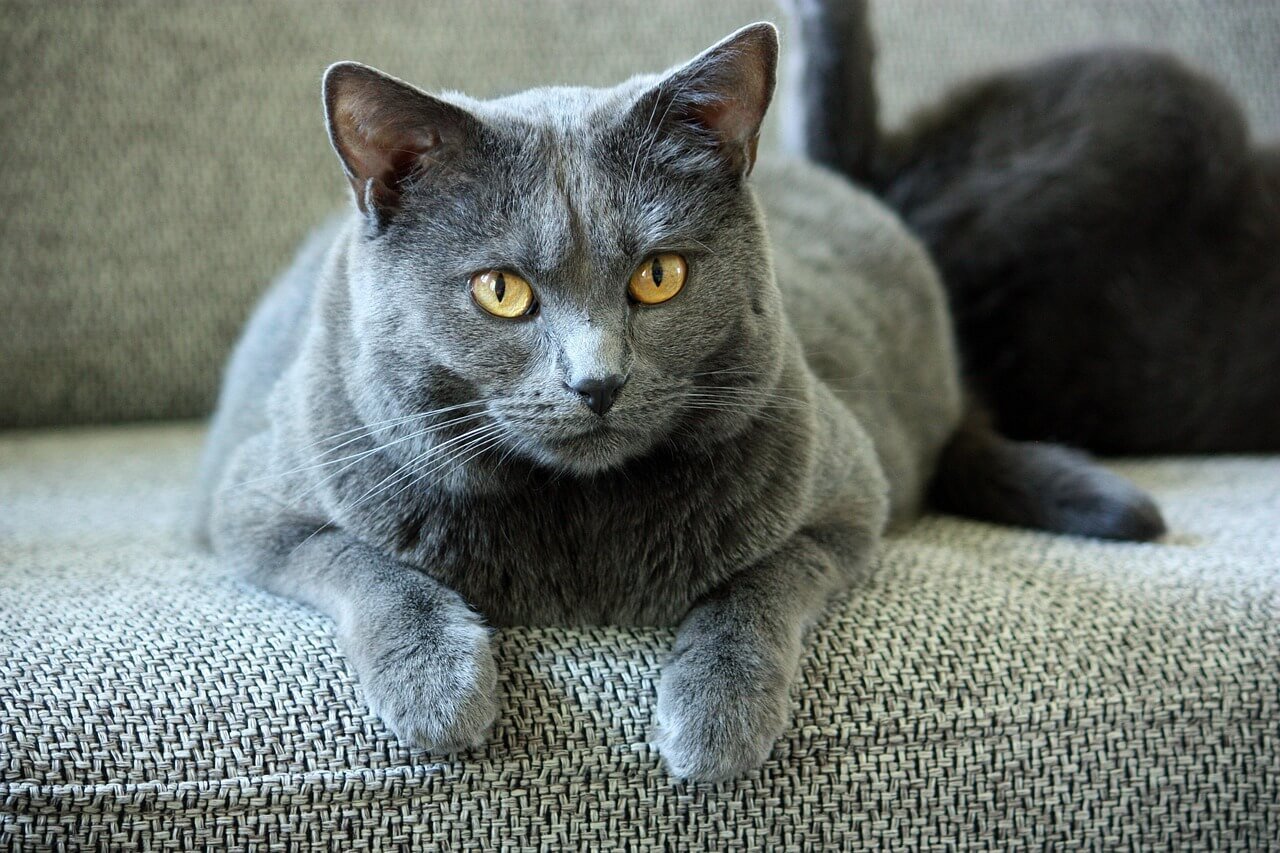
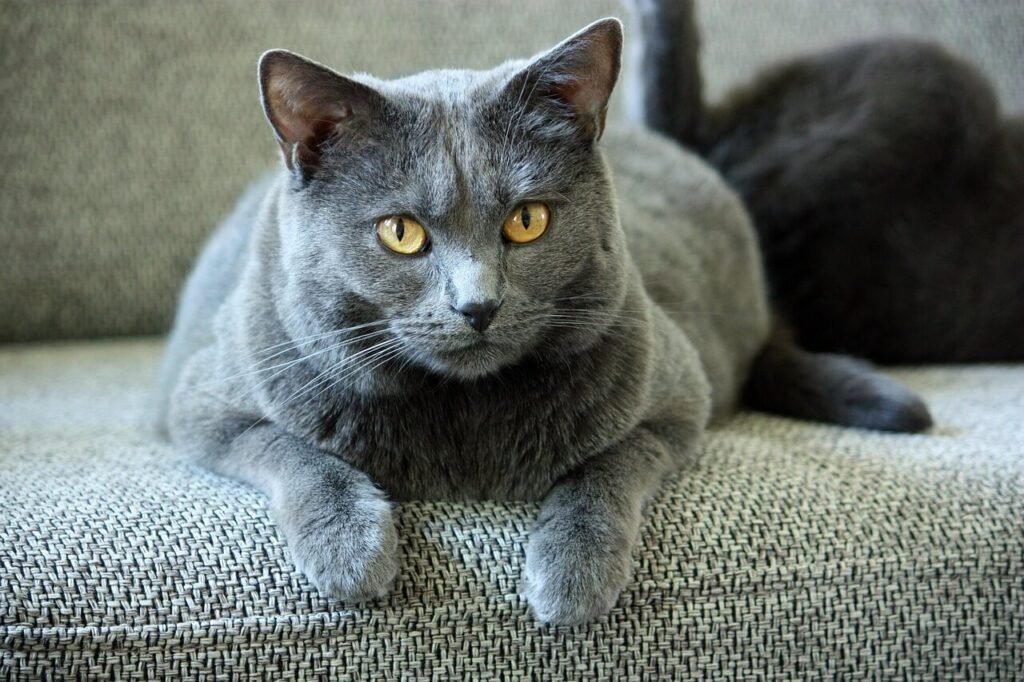
The Chartreux cat, a rare and enchanting breed originating from France, is known for its striking blue-gray coat, captivating golden eyes, and gentle demeanor. Often described as a “smiling cat” due to its unique facial expression, this breed has captured the hearts of cat enthusiasts worldwide. With a history steeped in legend and a personality that’s both independent and affectionate, the Chartreux stands out as a remarkable companion. Whether you’re considering adopting one or simply curious about this fascinating feline, this guide will explore everything you need to know about the Chartreux cat, from its origins to its care requirements.

Key Characteristics of the Chartreux Cat


The Chartreux is easily recognizable thanks to its distinctive physical traits and endearing personality. Understanding these characteristics can help you appreciate what makes this breed so special.

 
  • Blue-Gray Coat:
    The Chartreux’s plush, water-resistant double coat comes in a stunning blue-gray hue, which gives it a regal and elegant appearance.

  • Golden Eyes:
    Its large, expressive golden or copper eyes are mesmerizing and add to the breed’s overall charm.

  • Muscular Build:
    Despite their medium-to-large size, Chartreux cats are surprisingly agile and athletic, with a sturdy, muscular frame.

  • Silent Communication:
    Unlike many other breeds, Chartreux cats are known for being quiet and rarely meow, preferring subtle gestures to communicate.

  • “Smiling” Expression:
    Their slightly upturned mouths give them a perpetually happy look, earning them the nickname “the smiling cat.”


These defining features make the Chartreux not only visually appealing but also a delightful addition to any household.

The Chartreux Cat: Best 7 Expert Care Tips!

Personality Traits of the Chartreux Cat


Beyond their striking appearance, Chartreux cats are beloved for their calm and adaptable nature. Here’s a closer look at what makes their personalities so endearing.

 
  • Affectionate Yet Independent:
    While they enjoy spending time with their humans, Chartreux cats are also content entertaining themselves, making them ideal for busy households.

  • Loyal Companions:
    Known for forming strong bonds with their owners, these cats often follow their favorite person around the house like a loyal shadow.

  • Playful Energy:
    Despite their laid-back demeanor, Chartreux cats have a playful side and enjoy interactive toys and games that stimulate their natural hunting instincts.

  • Patient and Tolerant:
    Their gentle temperament makes them great companions for families with children or other pets.

  • Adaptable Nature:
    Whether living in an apartment or a spacious home, Chartreux cats adjust well to different environments and routines.


With their balanced mix of affection, independence, and adaptability, Chartreux cats are perfect for those seeking a harmonious feline companion.

Physical Traits of the Chartreux
Behavioral Traits of the Chartreux
Blue-gray, water-resistant coat
Quiet and rarely vocalizes
Golden or copper eyes
Affectionate yet independent
Muscular, medium-to-large build
Loyal and forms strong bonds
Plush double coat requires minimal grooming
Playful but not overly demanding
“Smiling” facial expression
Adaptable to various environments

Caring for Your Chartreux Cat


Proper care ensures your Chartreux remains healthy, happy, and thriving. Here are some essential tips for maintaining their well-being.

 
  • Grooming Needs:
    Their short, dense coat requires minimal grooming—brushing once a week is usually sufficient to reduce shedding and keep their fur shiny.

  • Dietary Requirements:
    Feed your Chartreux high-quality protein-rich food to support their active lifestyle and maintain their muscular build.

  • Exercise and Play:
    Provide interactive toys and climbing structures to satisfy their natural curiosity and keep them physically engaged.

  • Regular Vet Checkups:
    Schedule annual veterinary visits to monitor their health and address any potential issues early.

  • Mental Stimulation:
    Puzzle feeders and treat-dispensing toys can help keep their sharp minds occupied and prevent boredom.


By meeting these care needs, you’ll ensure your Chartreux enjoys a long, fulfilling life by your side.

Training and Socialization Tips for Chartreux Cats


While Chartreux cats are naturally well-behaved, training and socialization can further enhance their bond with you and improve their adaptability.

 
  • Start Early:
    Begin socializing your Chartreux kitten with new people, animals, and environments to build confidence and reduce anxiety.

  • Use Positive Reinforcement:
    Reward good behavior with treats, praise, or playtime to encourage desirable actions and strengthen trust.

  • Teach Basic Commands:
    Chartreux cats can learn simple commands like “come” or “sit” through consistent training sessions.

  • Introduce New Experiences Gradually:
    Slowly introduce unfamiliar situations to avoid overwhelming your cat and foster a sense of security.

  • Respect Their Independence:
    Allow your Chartreux space when needed, as forcing interaction can lead to stress or resistance.


With patience and consistency, training and socialization can bring out the best in your Chartreux while deepening your connection.

Health Considerations for Chartreux Cats

Like all breeds, Chartreux cats are prone to certain health conditions that owners should be aware of. Being proactive about their health can prevent or mitigate potential issues.

 
  • Patellar Luxation:
    This condition involves dislocation of the kneecap and can cause lameness if left untreated. Regular vet checkups help detect early signs.

  • Polycystic Kidney Disease (PKD):
    Although rare, PKD can occur in Chartreux cats. Genetic testing can identify carriers before breeding.

  • Obesity Risk:
    Their love for food can lead to weight gain. Monitor portion sizes and encourage regular exercise to maintain a healthy weight.

  • Dental Health:
    Dental disease is common in cats; brush your Chartreux’s teeth regularly to prevent plaque buildup.

  • Allergies:
    Some Chartreux cats may develop skin or food allergies. Consult your vet if you notice excessive scratching or digestive issues.


Staying informed about these health concerns ensures your Chartreux enjoys a vibrant and active life.

Fun Facts About Chartreux Cats

The Chartreux is full of surprises, with a rich history and quirky traits that set it apart from other breeds. Here are some fun facts to deepen your appreciation for this remarkable feline.

 
  • Historical Rodent Hunters:
    Chartreux cats were prized for their skill in controlling rodent populations, particularly in medieval monasteries.

  • National Treasure of France:
    During World War II, efforts were made to preserve the breed, cementing its status as a French national treasure.

  • Rare Breed Worldwide:
    Outside of France, Chartreux cats remain relatively uncommon, adding to their allure among cat enthusiasts.

  • Love for Water:
    Unlike many cats, Chartreux felines often enjoy playing with water, thanks to their water-resistant coats.

  • Inspiration for Literature:
    The Chartreux inspired characters in Colette’s novels, showcasing its cultural significance in French literature.


These fascinating tidbits highlight why the Chartreux continues to captivate hearts across generations.

Tips for Adopting a Chartreux Cat

If you’re considering bringing a Chartreux into your home, preparation is key to ensuring a smooth transition for both you and your new feline friend.

 
  • Research Reputable Breeders:
    Look for ethical breeders who prioritize the health and welfare of their cats over profit.

  • Prepare Your Home:
    Set up a cozy space with essentials like a bed, litter box, food, water, and toys to help your Chartreux settle in comfortably.

  • Budget Accordingly:
    Factor in costs for food, grooming supplies, vet care, and potential emergencies when planning for adoption.

  • Be Patient During Adjustment:
    Allow your Chartreux time to acclimate to their new surroundings without rushing interactions.

  • Consider Adoption from Rescue Groups:
    While rare, some Chartreux cats may be available through breed-specific rescues, offering a second chance at a loving home.


With thoughtful preparation, adopting a Chartreux can be a rewarding experience that enriches your life for years to come.

Frequently Asked Questions About Chartreux Cats

Are Chartreux cats good with other pets?

Yes, they generally get along well with dogs and other cats, provided proper introductions are made.

While they do shed seasonally, regular grooming minimizes loose hair around the house.

With proper care, they can live between 12 to 15 years, sometimes even longer.

Absolutely! Their calm and adaptable nature makes them great for novice cat parents.

They tolerate short periods of solitude well but appreciate interactive toys to keep them entertained.

Why the Chartreux Cat Makes a Perfect Companion


The Chartreux cat’s combination of beauty, intelligence, and gentle personality makes it a truly exceptional breed. Whether you’re drawn to their striking blue-gray coat, their quiet charm, or their unwavering loyalty, there’s no denying the joy they bring to any home. By understanding their needs and appreciating their unique traits, you can create a loving environment where your Chartreux thrives. If you’re ready to welcome a devoted and dignified feline friend into your life, the Chartreux might just be the perfect match.

Dog Tapeworm Life Cycle: Best 7 Expert Tips!

Dog Tapeworm Life Cycle: Best 7 Expert Tips! – Learn how tapeworms infect dogs, spot symptoms, and break the cycle with expert prevention strategies.

Anxious Cat Body Language: Best 7 Expert Tips!

Anxious Cat Body Language: Best 7 Expert Tips! – Learn to spot signs of stress, understand triggers, and help your cat feel safe and relaxed.

Anxious Dog Body Language: Best 7 Expert Tips!

Anxious Dog Body Language: Best 7 Expert Tips! – Learn to spot signs of anxiety, respond effectively, and help your dog feel safe and secure.

Is Breeding Dogs Bad? Best 7 Expert Tips!

Is Breeding Dogs Bad? Best 7 Expert Tips! – Explore the ethics, benefits, and risks of dog breeding to make informed decisions for a better future.

Leave a Reply

Your email address will not be published. Required fields are marked *

Post Category


