


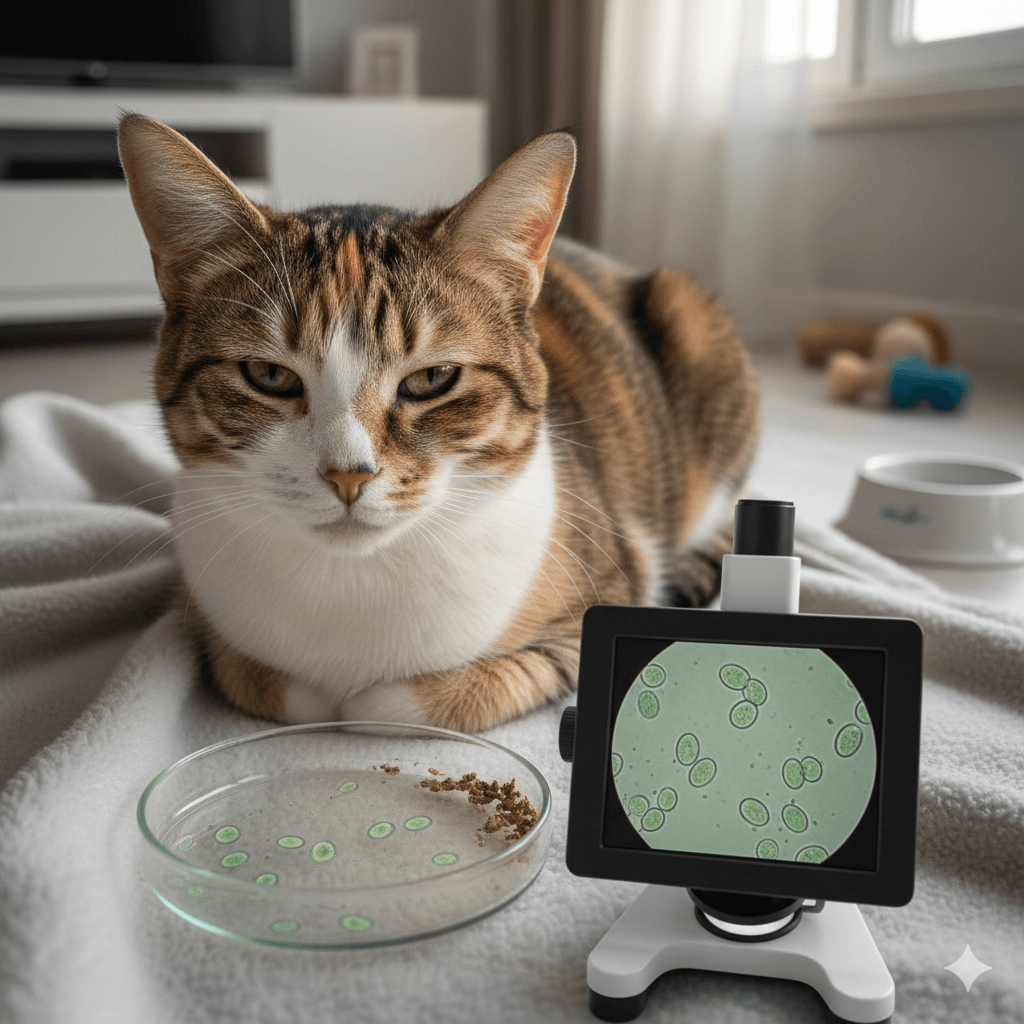
The Importance of High Calorie Cat Food: Best 7 Expert Tips!

The Importance of High Calorie Cat Food: Best 7 Expert Tips!

High Calorie Cat Food: What You Need to Know


When it comes to your feline friend’s diet, ensuring they receive the right nutrition is essential for their health and well-being. High calorie cat food has gained popularity among pet owners looking to support cats with specific dietary needs, whether they’re underweight, highly active, or recovering from illness. But what exactly is high calorie cat food, and when should you consider incorporating it into your cat’s diet? This blog post will explore the benefits, considerations, and best practices for feeding your cat high calorie food, helping you make informed decisions that align with their unique needs.


Benefits of High Calorie Cat Food


High calorie cat food offers several advantages for cats requiring extra energy or nutritional support. Understanding these benefits can help you determine if this type of food is right for your pet.

 
  • Supports Weight Gain in Underweight Cats:
    Cats that are underweight due to illness, stress, or poor appetite can benefit from the dense nutrition provided by high calorie formulas.

  • Ideal for Active or Outdoor Cats:
    Highly energetic cats, especially those who spend time outdoors, burn more calories and may require additional energy to maintain their weight.

  • Helps During Recovery:
    After surgery, illness, or injury, cats often need extra calories to heal and regain strength without overeating large portions.

  • Convenient for Senior Cats:
    Older cats with reduced appetites can meet their nutritional needs more easily with smaller portions of calorie-dense food.

  • Reduces Meal Frequency:
    High calorie options allow cats to consume fewer meals while still meeting their daily caloric requirements, which can be helpful for busy pet owners.


By addressing these specific needs, high calorie cat food proves to be a valuable tool for maintaining your cat’s health and vitality.

The Importance of High Calorie Cat Food: Best 7 Expert Tips!

Key Ingredients to Look For in High Calorie Cat Food


Choosing the right high calorie cat food starts with understanding its ingredients. Quality components ensure your cat receives balanced nutrition alongside the extra calories.

 
  • High-Quality Protein Sources:
    Look for foods with real meat, fish, or poultry as the primary ingredient to support muscle development and overall health.

  • Healthy Fats:
    Ingredients like salmon oil or chicken fat provide essential fatty acids that promote skin, coat, and brain health.

  • Complex Carbohydrates:
    Whole grains or vegetables offer sustained energy without causing spikes in blood sugar levels.

  • Vitamins and Minerals:
    Fortified formulas with added vitamins and minerals ensure your cat receives comprehensive nutrition.

  • Limited Fillers and Additives:
    Avoid foods with excessive fillers, artificial colors, or preservatives, as these can detract from the nutritional value.


Selecting a high calorie cat food with these ingredients ensures your cat enjoys both the energy boost and the balanced nutrition they need.

Benefits of High Calorie Cat Food
Potential Risks to Consider
Supports weight gain in underweight cats
Risk of overfeeding leading to obesity
Ideal for active or outdoor cats
May not suit sedentary indoor cats
Helps during recovery from illness
Requires careful portion control
Convenient for senior cats
Not suitable for cats with allergies
Reduces meal frequency
Can cause digestive upset if switched too quickly

How to Introduce High Calorie Cat Food Safely


Transitioning your cat to high calorie cat food requires care and patience to avoid digestive issues or rejection. Follow these steps to ensure a smooth introduction.

 
  • Gradual Transition Over 7-10 Days:
    Mix small amounts of the new food with their current diet, gradually increasing the proportion to prevent stomach upset.

  • Monitor Your Cat’s Reaction:
    Watch for signs of discomfort, such as vomiting, diarrhea, or loss of appetite, and adjust accordingly.

  • Adjust Portion Sizes:
    Since high calorie food is denser, reduce portion sizes to avoid overfeeding and potential weight gain.

  • Consult Your Veterinarian:
    Seek professional advice before making any significant dietary changes, especially for cats with pre-existing health conditions.

  • Observe Energy Levels:
    Track your cat’s activity and behavior to ensure the new food is meeting their energy needs effectively.


By following these guidelines, you can introduce high calorie cat food safely and successfully.

Signs Your Cat May Benefit from High Calorie Food


Not all cats require high calorie diets, but certain signs indicate that this type of food could be beneficial. Recognizing these indicators helps you address your cat’s needs proactively.

 
  • Noticeable Weight Loss:
    If your cat appears thinner than usual or their ribs are easily felt, they may need extra calories to regain weight.

  • Increased Activity Levels:
    Cats that are constantly on the move or engage in vigorous play may burn more calories than their current diet provides.

  • Recovery from Illness:
    A cat healing from surgery or overcoming an illness may need additional energy to support their immune system and recovery process.

  • Reduced Appetite:
    Cats eating less due to age, stress, or medical conditions can benefit from nutrient-dense food that meets their needs in smaller portions.

  • Pregnancy or Nursing:
    Pregnant or nursing cats require significantly more calories to support their growing kittens and milk production.


Identifying these signs allows you to tailor your cat’s diet to their specific circumstances, promoting optimal health and well-being.

Common Mistakes When Feeding High Calorie Cat Food

Feeding high calorie cat food improperly can lead to unintended consequences. Avoid these common mistakes to keep your cat healthy and thriving.

 
  • Overfeeding Without Adjusting Portions:
    High calorie food is denser, so failing to reduce portion sizes can result in rapid weight gain.

  • Switching Too Quickly:
    Abrupt dietary changes can upset your cat’s digestive system. Always transition gradually over 7-10 days.

  • Ignoring Your Cat’s Activity Level:
    Sedentary cats may not need the extra calories, which can lead to obesity if overfed.

  • Neglecting Hydration:
    Dry high calorie food may not provide enough moisture, so ensure your cat drinks enough water or supplement with wet food.

  • Skipping Veterinary Guidance:
    Consulting your vet ensures the food aligns with your cat’s specific health needs and goals.


Avoiding these pitfalls helps you maximize the benefits of high calorie cat food while minimizing risks.

Homemade High Calorie Cat Food Recipes

If you prefer preparing your cat’s meals at home, these recipes provide nutritious, high calorie options tailored to feline dietary needs.

 
  • Chicken and Rice Recipe:
    Cooked chicken mixed with cooked brown rice and a touch of olive oil offers protein, carbs, and healthy fats.

  • Salmon and Sweet Potato Blend:
    Baked salmon paired with mashed sweet potatoes delivers omega-3 fatty acids and complex carbohydrates.

  • Turkey and Egg Mix:
    Ground turkey combined with scrambled eggs provides lean protein and essential nutrients.

  • Beef and Pumpkin Puree:
    Lean ground beef mixed with pumpkin puree supports digestion while adding calories.

  • Liver and Quinoa Combo:
    Cooked liver and quinoa create a nutrient-rich meal packed with iron and protein.


Homemade recipes allow you to control ingredients, but always confirm they meet your cat’s nutritional needs with your vet.


Alternatives to High Calorie Cat Food

If high calorie cat food isn’t suitable for your cat, there are alternative ways to meet their energy needs without relying solely on dense formulas.

 
  • Supplemental Wet Food:
    Adding wet food to your cat’s diet can increase calorie intake while providing hydration.

  • Nutritional Pastes:
    High calorie pastes, available at pet stores, offer a quick and easy way to boost your cat’s caloric intake.

  • Toppers and Mix-Ins:
    Sprinkling freeze-dried meat or fish toppers onto regular food adds extra calories and flavor.

  • Increased Feeding Frequency:
    Offering smaller, more frequent meals throughout the day can help cats consume more calories without overwhelming their stomachs.

  • Specialized Prescription Diets:
    Some veterinary diets are designed to support weight gain or recovery, providing a tailored solution for your cat’s needs.


Exploring these alternatives ensures your cat receives the energy they need, even if high calorie food isn’t the right fit.

Frequently Asked Questions About High Calorie Cat Food

Is high calorie cat food safe for all cats?

Not necessarily. It’s best suited for cats with increased energy needs or those requiring weight gain. Always consult your vet first.

Yes, if fed excessively to inactive cats. Proper portion control is essential to prevent weight gain.


Signs include persistent weight loss, low energy levels, or a veterinarian’s recommendation based on your cat’s health status.

Yes, many brands offer grain-free formulas tailored to cats with sensitivities or allergies.


Results vary but typically noticeable improvements occur within a few weeks of consistent feeding.

Prioritizing Your Cat’s Nutritional Needs


High calorie cat food can be a game-changer for cats with specific dietary requirements, offering concentrated nutrition to support their health and vitality. However, it’s crucial to assess your cat’s individual needs and consult your veterinarian before making any changes. By selecting quality ingredients, introducing new food gradually, and monitoring your cat’s response, you can ensure they thrive on their diet. Remember, every cat is unique, and tailoring their nutrition to their lifestyle and health goals is key to fostering a happy, healthy companion.

Understanding Cryptosporidium in Cats: Best 7 Expert Tips!

Understanding Cryptosporidium in Cats: Best 7 Expert Tips! – Spot symptoms, treat safely, and stop parasite spread in your home.

Understanding Cryptosporidium in Dogs: Best 7 Expert Tips!

Understanding Cryptosporidium in Dogs: Best 7 Expert Tips! – Learn symptoms, treatment & prevention for this stubborn gut parasite.

Understanding Syringomyelia in Cats: Best 7 Expert Tips!

Understanding Syringomyelia in Cats: Best 7 Expert Tips! – Recognize signs, manage pain, and support your cat’s neurological health with vet-backed guidance.

Understanding Syringomyelia in Dogs: Best 7 Expert Tips!

Understanding Syringomyelia in Dogs: Best 7 Expert Tips! – Expert insights on symptoms, MRI diagnosis, pain management & quality of life.

Leave a Reply

Your email address will not be published. Required fields are marked *