

The Allure of White Cats: Best 7 Expert Tips!

The Allure of White Cats: Best 7 Expert Tips!

The Allure of the White Cat: A Symbol of Elegance and Mystery


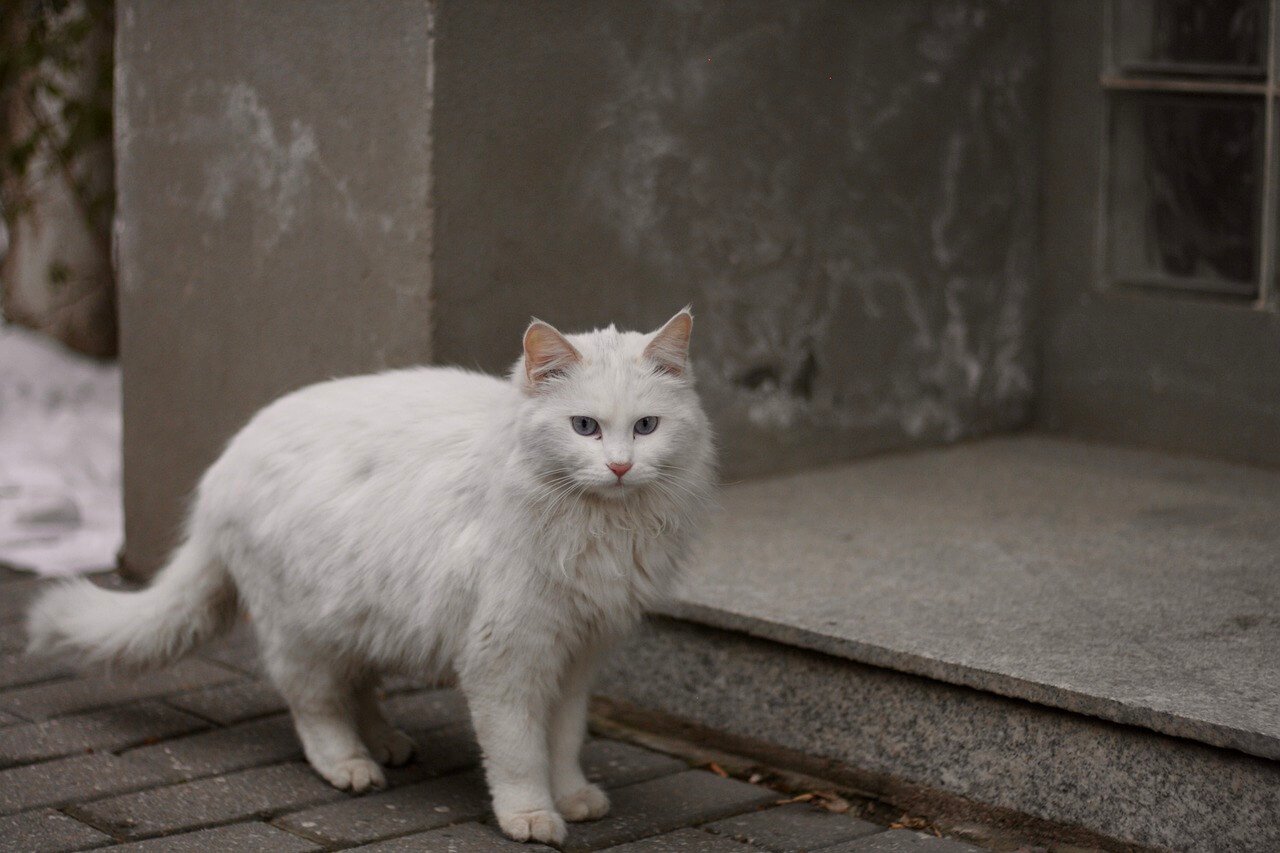
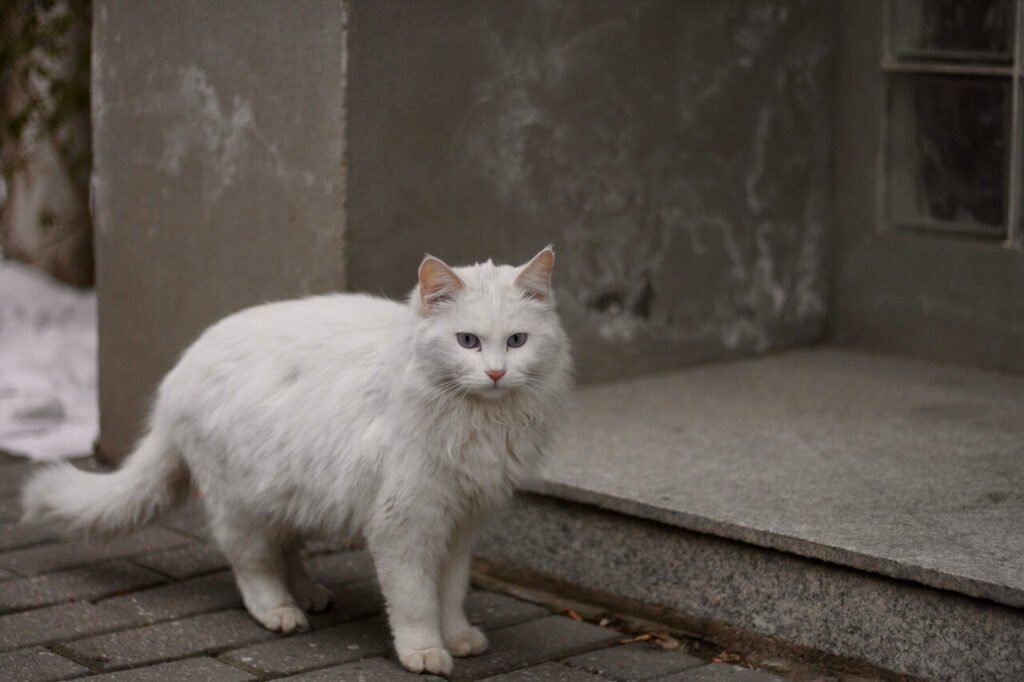
White cats have long captivated human imagination, embodying purity, grace, and an air of mystery. Their striking appearance sets them apart from their feline counterparts, making them a favorite subject in art, literature, and folklore. But what makes white cats so special? From their unique genetic traits to their cultural significance, these enchanting creatures hold a special place in our hearts—and homes. Whether you’re considering adopting a white cat or simply fascinated by their charm, this blog post will explore everything that makes these felines truly extraordinary.

Unique Characteristics of White Cats


White cats are not just visually stunning; they possess distinct traits that make them stand out among other cats. Understanding these characteristics can help you appreciate their uniqueness even more.

 
  • Genetic Origins of Their Coat:
    The white coat is caused by a dominant gene that masks all other colors, resulting in a pure, snowy appearance regardless of the cat’s genetic background.

  • Blue and Odd-Colored Eyes:
    Many white cats have striking blue eyes, while some may have heterochromia (one blue eye and one green or gold eye), adding to their allure.

  • Higher Likelihood of Deafness:
    Studies show that white cats, especially those with blue eyes, are more prone to congenital deafness due to genetic factors.

  • Soft and Luxurious Fur:
    White cats often have incredibly soft fur, which requires regular grooming to maintain its pristine condition.

  • Playful and Affectionate Personalities:
    While personality varies by individual, many white cats are known for being playful, social, and loving companions.


These distinctive features make white cats not only beautiful but also fascinating subjects of study and admiration.

 
The Allure of White Cats: Best 7 Expert Tips!

Cultural Significance of White Cats Across History


Throughout history, white cats have been revered and celebrated in various cultures, symbolizing different meanings depending on the context. Their presence in mythology and tradition highlights their enduring appeal.

 
  • Symbols of Purity and Good Luck:
    In Japanese culture, white cats are associated with happiness, prosperity, and good fortune, as seen in the iconic Maneki-neko figurines.

  • Guardians Against Evil Spirits:
    Celtic legends portray white cats as mystical protectors capable of warding off evil spirits and bringing blessings to households.

  • Royal Companions in Ancient Egypt:
    White cats were considered sacred in ancient Egypt, often linked to Bastet, the goddess of protection and fertility.

  • Superstitions in Medieval Europe:
    During the Middle Ages, white cats were sometimes viewed as omens of misfortune or witchcraft, though this belief varied widely.

  • Modern Pop Culture Icons:
    White cats frequently appear in movies, books, and cartoons as symbols of elegance, intelligence, and mystery.


From ancient rituals to modern storytelling, white cats continue to inspire awe and fascination across the globe.

Facts About White Cats
Care Tips for White Cat Owners
Often born with blue or odd-colored eyes
Regularly clean their fur to prevent stains
Prone to congenital deafness
Schedule routine vet check-ups for ear health
Require frequent grooming
Use pet-safe sunscreen to protect against sunburn
Known for playful personalities
Provide plenty of toys and interactive playtime
Associated with purity and luck
Create a safe, comfortable environment for them

Challenges of Owning a White Cat


While white cats are undeniably beautiful, owning one comes with specific challenges that require extra attention and care. Being aware of these considerations ensures your cat stays happy and healthy.

 
  • Increased Grooming Needs:
    White fur is prone to staining and yellowing, requiring regular brushing and bathing to keep it looking clean and bright.

  • Sun Sensitivity:
    White cats lack pigmentation in their skin, making them more susceptible to sunburn and skin cancer. Limit outdoor exposure during peak sunlight hours.

  • Hearing Issues:
    If your white cat has blue eyes, monitor their hearing closely, as they may experience partial or complete deafness. Adapt communication methods accordingly.

  • Stain Prevention Around the Mouth:
    Food and water can leave marks on white fur around the mouth. Wipe the area gently after meals to maintain cleanliness.

  • Specialized Veterinary Care:
    Regular vet visits are essential to address potential health concerns unique to white cats, such as skin conditions or hearing impairments.


With proper care and vigilance, these challenges can be managed effectively, ensuring your white cat thrives.


Myths and Misconceptions About White Cats


Despite their popularity, white cats are surrounded by myths and misconceptions that can lead to misunderstandings about their nature and needs. Let’s debunk some common myths.

 
  • All White Cats Are Deaf:
    While blue-eyed white cats are at higher risk of deafness, not all white cats suffer from this condition.

  • They’re Less Intelligent Than Other Cats:
    Intelligence is unrelated to coat color—white cats are just as smart and curious as any other feline.

  • White Cats Are Always Female:
    Coat color doesn’t determine gender; both male and female cats can sport a white coat.

  • They’re High-Maintenance Pets:
    While they do require additional grooming, white cats aren’t inherently more demanding than other breeds.

  • White Cats Bring Bad Luck:
    This superstition stems from medieval beliefs but is largely unfounded today. Most cultures view white cats as symbols of good fortune.


By separating fact from fiction, we can better understand and appreciate the true nature of white cats.

Famous White Cats in Literature and Media

White cats have made memorable appearances in literature and media, leaving paw prints on our collective imagination. These iconic felines showcase the timeless appeal of white cats in creative works.

 
  • Snowbell from Coraline:
    This mysterious white cat serves as a guide and protector for the protagonist, adding depth to the story’s eerie atmosphere.

  • Cheshire Cat from Alice’s Adventures in Wonderland:
    Known for its mischievous grin and disappearing act, this white cat embodies whimsy and enigma.

  • Mrs. Norris from Harry Potter:
    Although disliked by students, Mrs. Norris exemplifies loyalty and watchfulness in her role as Filch’s companion.

  • Garfield’s Alter Ego, Arlene:
    Garfield’s love interest, Arlene, is a charming white cat who balances his antics with sweetness and wit.

  • Hello Kitty:
    This globally recognized character represents friendship, kindness, and universal appeal through her simple yet endearing design.


These beloved characters highlight the versatility and charm of white cats in storytelling and pop culture.

Health Concerns Specific to White Cats

Owning a white cat means being mindful of certain health concerns that are more prevalent in these felines. Awareness and proactive measures can help mitigate risks.

 
  • Skin Cancer Risks:
    Due to their lack of pigmentation, white cats are more vulnerable to squamous cell carcinoma, a type of skin cancer.

  • Ear Infections in Deaf Cats:
    Deaf white cats may develop ear infections unnoticed, so regular ear checks are crucial.

  • Dental Issues:
    Some white cats may inherit dental problems, requiring routine professional cleanings.

  • Vision Impairments:
    Certain genetic conditions affecting white cats can also impact vision, necessitating early detection and treatment.

  • Temperature Sensitivity:
    White cats may struggle to regulate body temperature in extreme weather, making indoor living ideal.


Addressing these concerns proactively ensures your white cat enjoys a long, healthy life.

Fun Facts About White Cats

White cats are full of surprises, and learning fun facts about them adds to their mystique. Here are some intriguing tidbits about these captivating creatures.

 
  • Not All White Cats Are Albino:
    True albinism is rare and differs from the dominant white gene, which produces most white cats.

  • They Come in Different Breeds:
    Persian, Turkish Angora, and Maine Coon are just a few breeds that can produce white cats.

  • White Cats Inspire Artistic Creations:
    Artists throughout history have depicted white cats in paintings, sculptures, and tapestries as symbols of beauty and refinement.

  • Their Whiskers Are Often White Too:
    Unlike some multicolored cats, white cats typically have matching white whiskers.

  • They Make Excellent Therapy Animals:
    Their calm demeanor and soothing presence make white cats popular choices for therapy work.


These fascinating facts deepen our appreciation for the wonder and diversity of white cats.

Frequently Asked Questions About White Cats

 
Are all white cats born with blue eyes?

No, while many white cats have blue eyes, others may have green, gold, or even heterochromatic (odd-colored) eyes.

Not necessarily, but their light-colored fur may need more frequent cleaning to stay pristine.

Yes, their pale skin makes them more susceptible to sun damage, so sun protection is important for outdoor cats.


Like all cats, white cats have excellent night vision, regardless of their coat color.

This varies by individual; some white cats are vocal, while others are more reserved.


Celebrating the Beauty and Uniqueness of White Cats


White cats are truly remarkable creatures, blending elegance, charm, and a touch of mystery that captures the hearts of those who encounter them. Whether admired for their stunning appearance, cherished for their affectionate personalities, or respected for their rich cultural symbolism, white cats leave a lasting impression wherever they go. By understanding their unique needs and dispelling outdated myths, we can ensure these enchanting felines receive the love and care they deserve. If you’re lucky enough to share your life with a white cat, embrace the joy and wonder they bring into your home.

Is Rawhide Bad for Cats? Best 7 Expert Tips!

Is Rawhide Bad for Cats? Best 7 Expert Tips! – Discover the risks, safe alternatives, and expert advice to keep your feline friend healthy and happy.

Is Rawhide Bad for Dogs? Best 7 Expert Tips!

Is Rawhide Bad for Dogs? Best 7 Expert Tips! – Discover the risks, benefits, and safer alternatives to rawhides for your dog’s chewing needs.

Understanding Anorexia in Cats: Best 7 Expert Tips!

Understanding Anorexia in Cats: Best 7 Expert Tips! – Learn why cats stop eating, spot warning signs, and discover how to help your feline regain appetite safely.

Understanding Anorexia in Dogs: Best 7 Expert Tips!

Understanding Anorexia in Dogs: Best 7 Expert Tips! – Learn causes, symptoms, and solutions to help your dog regain appetite and stay healthy.

Leave a Reply

Your email address will not be published. Required fields are marked *