

Polish Dog Breeds: A Celebration of Heritage and Loyalty
Poland is home to a rich cultural heritage, and its canine companions are no exception. Polish dog breeds, often overlooked on the global stage, embody centuries of tradition, hard work, and loyalty. From herding livestock in the countryside to guarding estates and families, these dogs have played vital roles in Polish history. Each breed reflects unique traits shaped by their environment and purpose, making them not only functional but also deeply cherished companions. Whether you’re a dog enthusiast or simply curious about these remarkable canines, this blog post will introduce you to the fascinating world of Polish dog breeds and their enduring legacy.
Popular Polish Dog Breeds You Should Know
Poland boasts several distinctive dog breeds, each with its own charm and purpose. These breeds highlight the diversity and adaptability of Polish canines, whether as working dogs or family pets.
Tatra Shepherd Dog (Owczarek Podhalański):
Known for their strength and independence, Tatra Shepherds are excellent livestock guardians, protecting flocks in the Carpathian Mountains.Polish Lowland Sheepdog (Polski Owczarek Nizinny):
This medium-sized herding dog is intelligent, agile, and known for its shaggy coat, which provides protection against harsh weather.Polish Hound (Ogar Polski):
A versatile hunting dog with a keen sense of smell, the Polish Hound is prized for its endurance and determination in tracking game.Small Polish Hunting Dog (Mały Münsterländer):
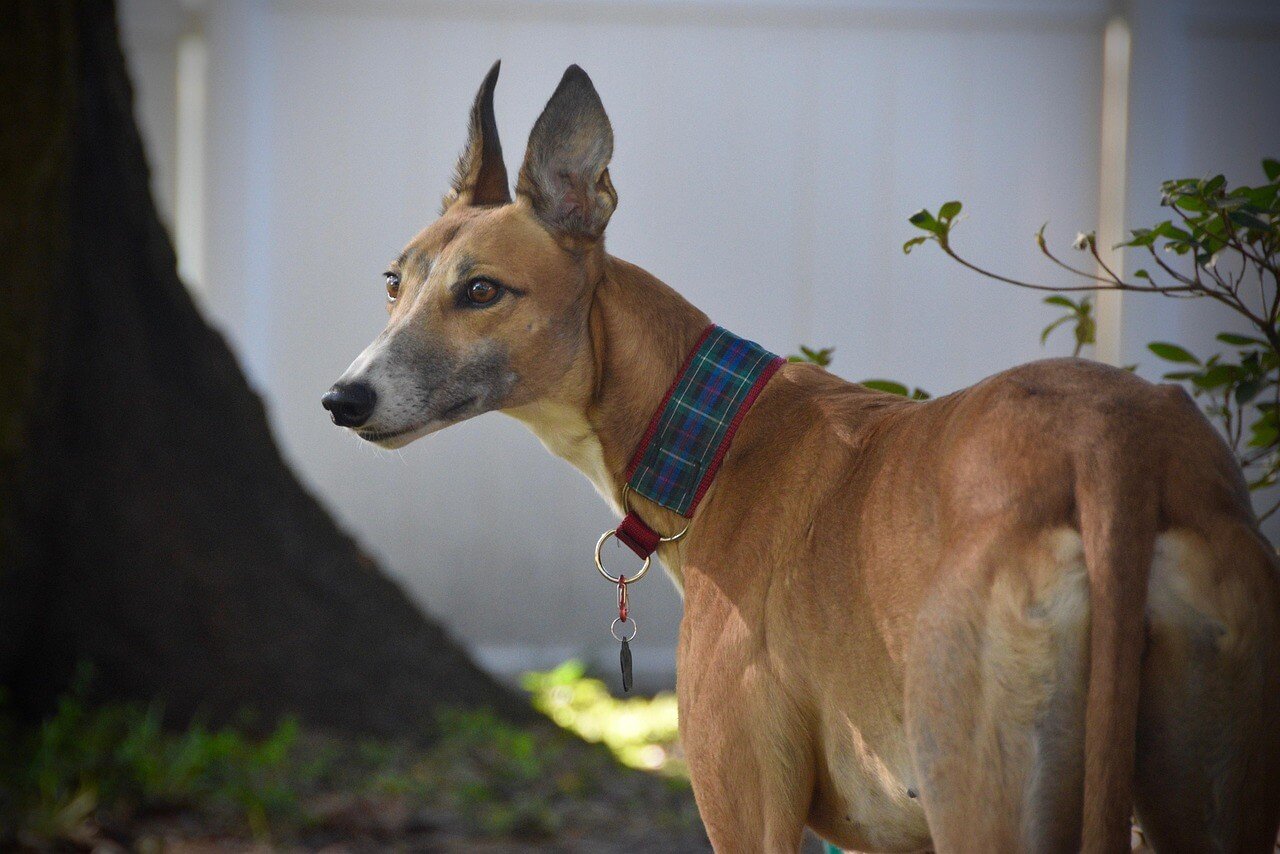
Despite its name, this breed originated in Poland and excels in retrieving and flushing out birds during hunts.Warsaw Greyhound (Chart Polski):
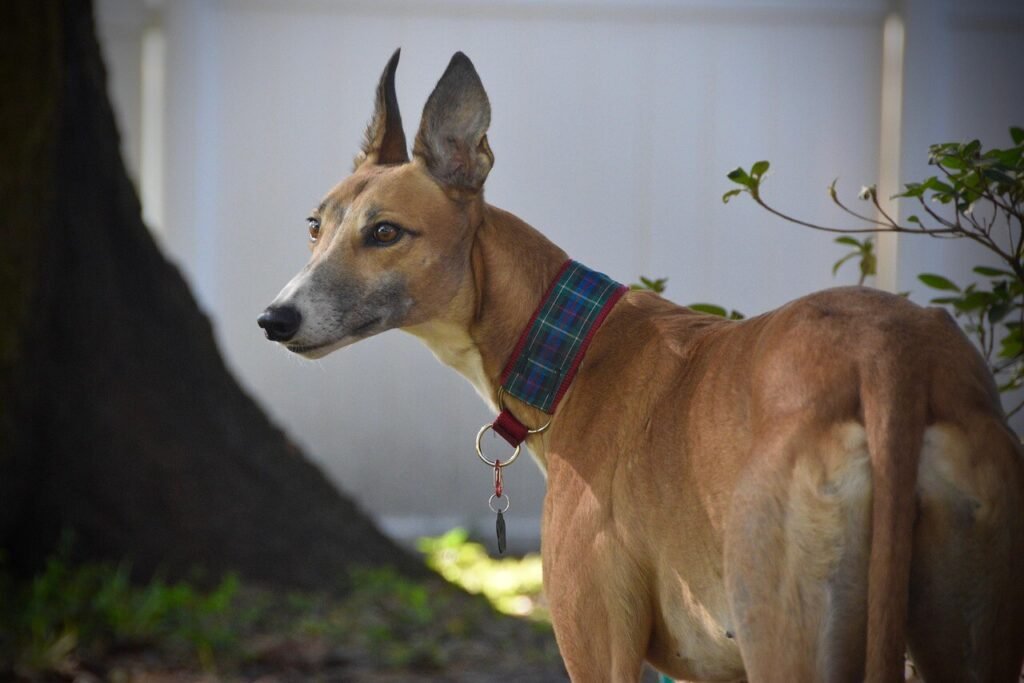
Elegant and swift, the Warsaw Greyhound is a sighthound bred for coursing and racing, showcasing grace and speed.
These breeds represent the resilience and versatility of Polish dogs, each contributing uniquely to their respective roles and environments.
Traits That Define Polish Dog Breeds
Polish dog breeds share certain characteristics that reflect their shared heritage and purpose. Understanding these traits helps explain why they remain beloved by owners worldwide.
Strong Work Ethic:
Many Polish breeds were developed for specific tasks, such as herding or hunting, giving them a natural drive to stay active and engaged.Loyalty to Their Families:
Whether guarding livestock or protecting homes, Polish dogs are fiercely loyal and form strong bonds with their human companions.Adaptability to Harsh Climates:
Bred to withstand Poland’s cold winters, these dogs often have thick coats or robust builds suited to challenging weather conditions.Intelligence and Trainability:
Polish breeds are quick learners, making them responsive to training while retaining an independent streak.Versatility in Roles:
From herding sheep to tracking game, these dogs excel in various roles, demonstrating their adaptability and resourcefulness.
These defining traits make Polish dog breeds not only functional workers but also cherished members of any household.
Check this guide 👉 The Fluffiest Dog Breeds: Best 7 Expert Tips!
Check this guide 👉 The Most Loyal and Protective Dog Breeds: Best 7 Expert Tips
Polish Dog Breeds | Key Characteristics |
|---|---|
Tatra Shepherd Dog | Strong, independent, protective |
Polish Lowland Sheepdog | Intelligent, agile, shaggy-coated |
Polish Hound | Keen sense of smell, enduring |
Small Polish Hunting Dog | Versatile, skilled in bird hunting |
Warsaw Greyhound | Elegant, fast, built for coursing |
Caring for a Polish Dog Breed
Owning a Polish dog breed requires understanding their needs and providing proper care to ensure their happiness and well-being. Here are some essential tips for keeping these remarkable dogs healthy and content.
Regular Exercise:
Most Polish breeds are energetic and require daily physical activity to prevent boredom and maintain fitness.Grooming Needs:
Breeds like the Polish Lowland Sheepdog and Tatra Shepherd have thick coats that need regular brushing to prevent matting and tangling.Mental Stimulation:
These intelligent dogs thrive on mental challenges, so incorporate puzzle toys or training sessions into their routine.Socialization from an Early Age:
Proper socialization helps Polish breeds develop confidence and adaptability, especially for naturally protective types like the Tatra Shepherd.Veterinary Care:
Schedule regular check-ups and vaccinations to keep your dog healthy, paying attention to breed-specific health concerns.
By meeting their physical and emotional needs, you can enjoy a fulfilling relationship with your Polish dog breed.
Why Choose a Polish Dog Breed?
If you’re considering adding a dog to your family, Polish breeds offer unique advantages that set them apart from other dogs. Their combination of personality, purpose, and heritage makes them exceptional companions.
Rich Cultural History:
Owning a Polish breed connects you to Poland’s storied past and the traditions of rural life.Versatile Companionship:
Whether you’re looking for a working dog or a loyal pet, Polish breeds adapt well to different lifestyles.Protective Nature:
Many Polish dogs are natural guardians, providing security and peace of mind for families and properties.Unique Appearance:
With their striking coats, elegant builds, or rugged looks, Polish breeds stand out in a crowd.Strong Bonds with Owners:
These dogs are known for forming deep, lasting connections with their human families.
Choosing a Polish dog breed means welcoming a loyal, capable, and culturally significant companion into your life.
Training Tips for Polish Dog Breeds
Training Polish dog breeds requires patience and consistency, given their intelligence and occasional stubbornness. These tips can help you build a strong foundation for obedience and trust.
Start Early:
Begin training as soon as you bring your dog home to establish routines and expectations from the start.Use Positive Reinforcement:
Reward good behavior with treats, praise, or playtime to encourage repetition of desired actions.Be Consistent with Commands:
Use clear, consistent commands to avoid confusing your dog during training sessions.Incorporate Mental Challenges:
Add tasks like scent work or agility exercises to engage their minds and bodies simultaneously.Respect Their Independence:
Some Polish breeds, like the Tatra Shepherd, value autonomy—balance firmness with respect for their individuality.
With dedication and positive reinforcement, training becomes a rewarding experience for both you and your Polish breed.
Health Considerations for Polish Dog Breeds
Like all dogs, Polish breeds are prone to certain health issues that potential owners should be aware of. Prioritizing preventive care ensures a long, happy life for your furry friend.
Hip Dysplasia:
Larger breeds like the Tatra Shepherd may suffer from hip dysplasia; regular vet checks can catch early signs.Ear Infections:
Breeds with floppy ears, such as the Polish Hound, are susceptible to infections; clean their ears regularly.Obesity Risks:
Without sufficient exercise, some Polish breeds may gain weight; monitor their diet and activity levels closely.Eye Conditions:
Certain breeds, including the Warsaw Greyhound, may develop eye problems; schedule annual eye exams.Allergies:
Skin allergies are common in some Polish breeds; consult your vet if you notice excessive itching or irritation.
Proactive care and awareness of potential health concerns keep your Polish dog breed thriving.
Fun Facts About Polish Dog Breeds
Polish dog breeds are full of surprises, with unique quirks and stories that make them even more endearing. Here are some fun facts to deepen your appreciation for these incredible canines.
Royal Connections:
The Warsaw Greyhound was once favored by Polish nobility for its elegance and speed in royal hunts.Herding Instincts:
Even as pets, Polish Lowland Sheepdogs often try to “herd” family members, showcasing their natural instincts.Cold Weather Champions:
The Tatra Shepherd’s thick double coat allows it to sleep outdoors in freezing temperatures without discomfort.Rare Gems:
The Small Polish Hunting Dog is one of the rarest breeds, making it a prized find for dedicated enthusiasts.Symbol of National Pride:
The Tatra Shepherd is considered a national treasure in Poland, representing the country’s agricultural heritage.
These fascinating tidbits highlight the charm and uniqueness of Polish dog breeds, making them even more special to lovers of purebred canines.
FAQ
Are Polish dog breeds good with children?
Yes, many Polish breeds, such as the Polish Lowland Sheepdog and Tatra Sheepdog, are known for their gentle and patient nature, making them excellent companions for families with kids.
Do Polish dog breeds require a lot of exercise?
It depends on the breed. While some, like the Warsaw Greyhound, need plenty of exercise, others, such as the Polish Hound, are more moderate in their activity levels.
Are Polish dog breeds rare outside Poland?
Some breeds, like the Tatra Sheepdog and Polish Lowland Sheepdog, are gaining popularity internationally, but others remain relatively rare.
How do I groom a Polish Lowland Sheepdog?
Regular brushing is essential to prevent matting, and occasional trimming may be necessary to keep their shaggy coat manageable.
Are Polish dog breeds prone to specific health issues?
Like all breeds, they may have predispositions to certain conditions, so regular vet visits are crucial for early detection and treatment.
Celebrating the Legacy of Polish Dog Breeds
Polish dog breeds are a testament to the enduring bond between humans and animals, shaped by centuries of shared history and purpose. From the majestic Tatra Shepherd to the spirited Polish Lowland Sheepdog, these dogs bring a wealth of charm, intelligence, and loyalty to any home. By understanding their origins, traits, and care requirements, you can appreciate the depth of their character and the joy they bring to those fortunate enough to share their lives with them. Whether as working partners or loving companions, Polish dog breeds continue to leave pawprints on hearts around the world.
Understanding Cryptosporidium in Cats: Best 7 Expert Tips! – Spot symptoms, treat safely, and stop parasite spread in your home.
Understanding Cryptosporidium in Dogs: Best 7 Expert Tips! – Learn symptoms, treatment & prevention for this stubborn gut parasite.
Understanding Syringomyelia in Cats: Best 7 Expert Tips! – Recognize signs, manage pain, and support your cat’s neurological health with vet-backed guidance.
Understanding Syringomyelia in Dogs: Best 7 Expert Tips! – Expert insights on symptoms, MRI diagnosis, pain management & quality of life.


