

Is Rawhide Bad for Cats? Understanding the Risks
1. Why Rawhide Poses Risks to Cats
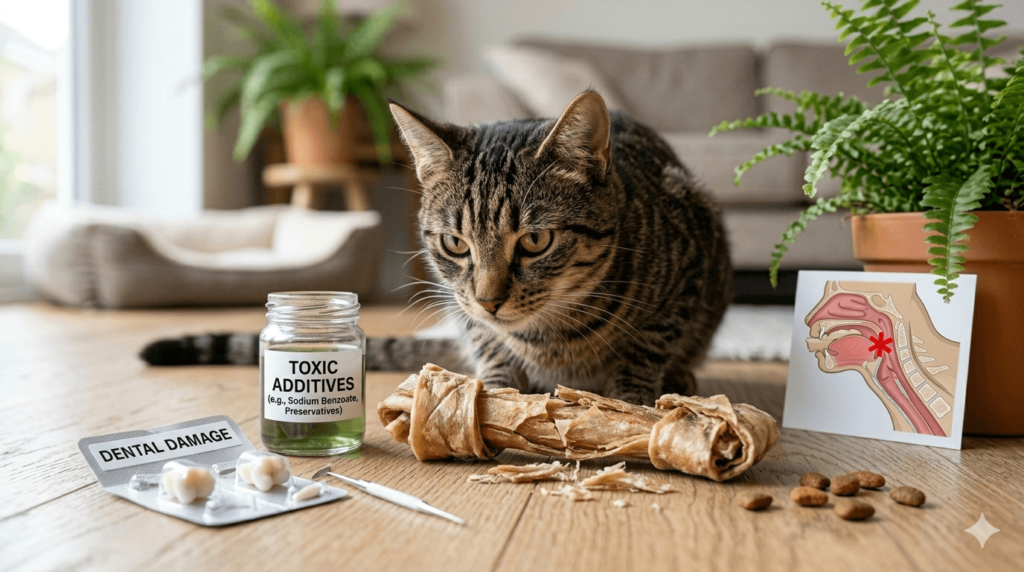
- Digestive Blockages:
Rawhide can swell in the stomach or intestines, leading to blockages that require surgical intervention. Cats are particularly vulnerable due to their smaller digestive tracts, which are not designed to process dense, fibrous materials like rawhide. - Choking Hazards:
Cats often chew less thoroughly than dogs, increasing the risk of swallowing large pieces of rawhide. These chunks can lodge in the throat or esophagus, causing choking or severe respiratory distress. - Toxic Additives and Contaminants:
Many rawhide products contain artificial flavors, preservatives, or chemicals like sodium benzoate, which can be harmful to cats. Additionally, rawhide sourced from low-quality suppliers may carry contaminants such as salmonella or E. coli. - Dental Damage:
The tough texture of rawhide can crack or damage a cat’s teeth, especially if they bite down too hard. This can lead to costly dental procedures or long-term oral health issues. - Allergic Reactions:
Some cats may develop allergic reactions to the animal byproducts used in rawhide production, resulting in symptoms like itching, swelling, or gastrointestinal upset.
“Bones are the most common foreign body; however, needles, fishhooks, wood, rawhide, and dental chew treats may also become lodged in the esophagus.”
— Alice Defarges, DVM, DACVIM, Ontario Veterinary College
2. Nutritional Concerns of Feeding Rawhide to Cats
- Lack of Essential Nutrients:
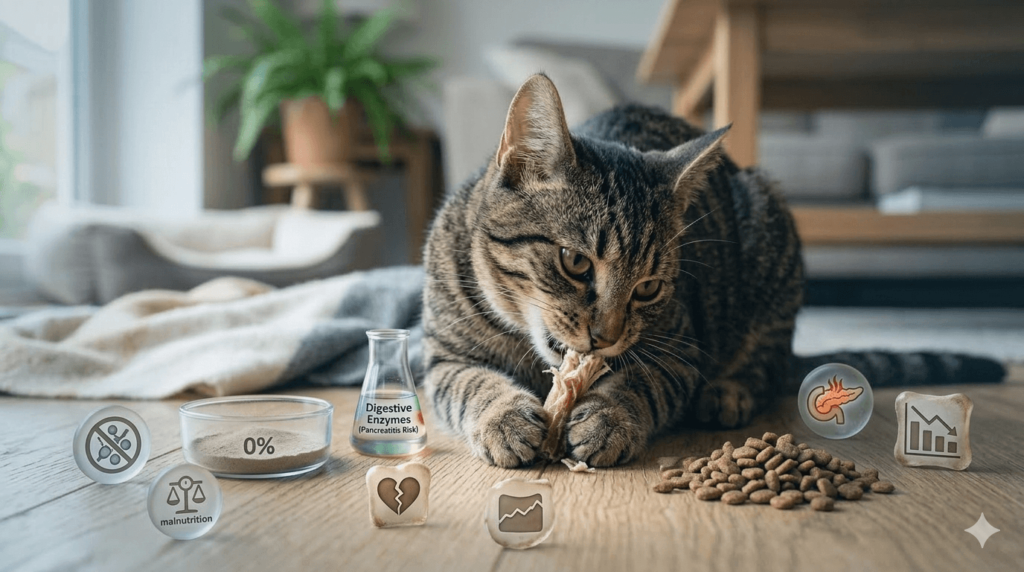
Rawhide contains no vitamins, minerals, or proteins that contribute to a cat’s health. Instead, it fills their stomach without providing any meaningful sustenance, which can lead to malnutrition if consumed excessively. - High Calorie Content:
Even small pieces of rawhide can be calorie-dense, contributing to weight gain and obesity in cats. Overweight cats face increased risks of diabetes, joint problems, and heart disease. - Disruption of Digestive Enzymes:
The indigestible nature of rawhide forces a cat’s body to overproduce digestive enzymes, potentially leading to imbalances that affect nutrient absorption from their regular food. - Risk of Pancreatitis:
Consuming non-digestible items like rawhide can irritate the pancreas, triggering inflammation known as pancreatitis—a painful and potentially life-threatening condition in cats. - Behavioral Feeding Issues:
If a cat develops a taste for rawhide, they may begin ignoring their regular food, leading to picky eating habits and further nutritional deficiencies.
“Cats are obligate carnivores, meaning their nutritional needs must be met through animal-based proteins; non-digestible items like rawhide provide no essential nutrients and may disrupt their delicate metabolic balance.”
— Dr. Angela Witzel, Feline Nutrition Basics
Check this guide 👉 Is Hydrogen Peroxide Safe for Cats? Best 7 Expert Tips!
Check this guide 👉 Succulents Safe for Cats: Best 7 Expert Tips!
Check this guide 👉 Is the Prayer Plant Safe for Cats? Best 7 Expert Tips!
Risks of Rawhide for Cats | Safe Alternatives for Cats |
|---|---|
Choking hazards from large pieces | Cat-specific dental chews |
Digestive blockages in stomach or intestines | Freeze-dried meat treats |
Toxic additives like preservatives or chemicals | Interactive puzzle toys |
Risk of pancreatitis from indigestible material | Soft, natural bones (supervised use) |
Long-term dental or gastrointestinal damage | Homemade edible chew treats |
3. Alternatives to Rawhide for Cats
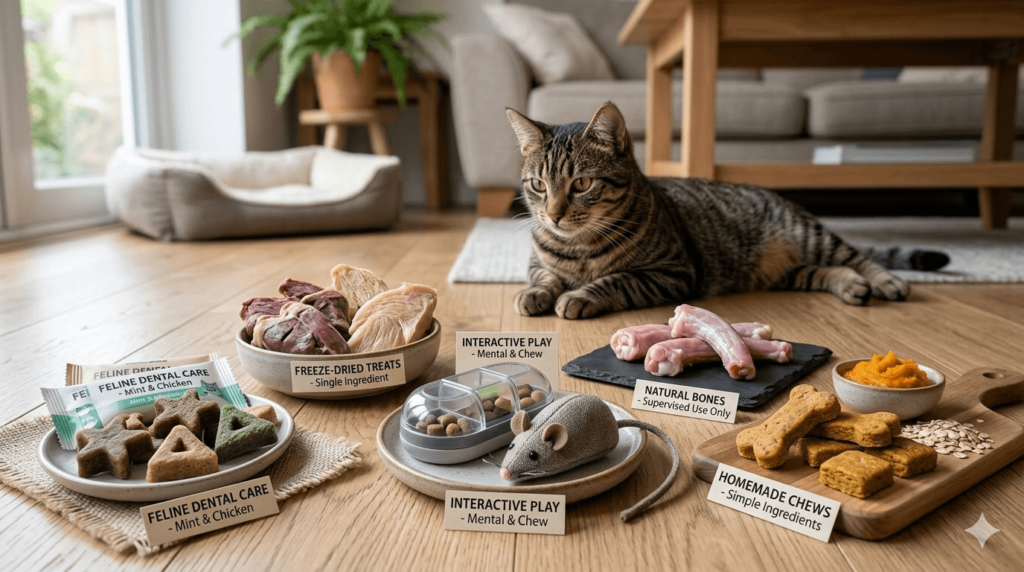
- Cat-Specific Dental Chews:
Designed specifically for felines, dental chews clean teeth, freshen breath, and provide mental stimulation without posing choking or digestive risks. - Freeze-Dried Meat Treats:
These treats mimic the texture and flavor of rawhide but are made from real meat, offering both nutritional value and entertainment for your cat. - Interactive Toys:
Puzzle feeders or chewable toys engage a cat’s hunting instincts and keep them occupied, reducing boredom-related chewing behaviors. - Natural Bones (Supervised Use):
Small, soft bones like chicken necks can be offered under supervision to promote dental health—but only if sourced responsibly and free from seasoning. - Homemade Chew Treats:
Simple recipes using ingredients like pumpkin puree, oats, and cooked chicken create safe, edible chews tailored to your cat’s preferences.
“Cats who like to chew may enjoy small stuffed toys that are too big to eat but small enough to be carried around; choose toys with sturdy construction manufactured in the U.S. or Canada, and avoid items with loose decorations or strings that can cause intestinal obstruction.”
— Elizabeth Alvarez, DVM & Mel Bailey, CVT,
4. Signs Your Cat May Have Eaten Rawhide
- Vomiting and Diarrhea:
Gastrointestinal irritation often manifests as vomiting or loose stools, signaling that the rawhide is causing distress in the digestive tract. - Lethargy and Weakness:
A cat that ingests rawhide may become unusually tired or unresponsive due to pain, dehydration, or toxicity from additives. - Loss of Appetite:
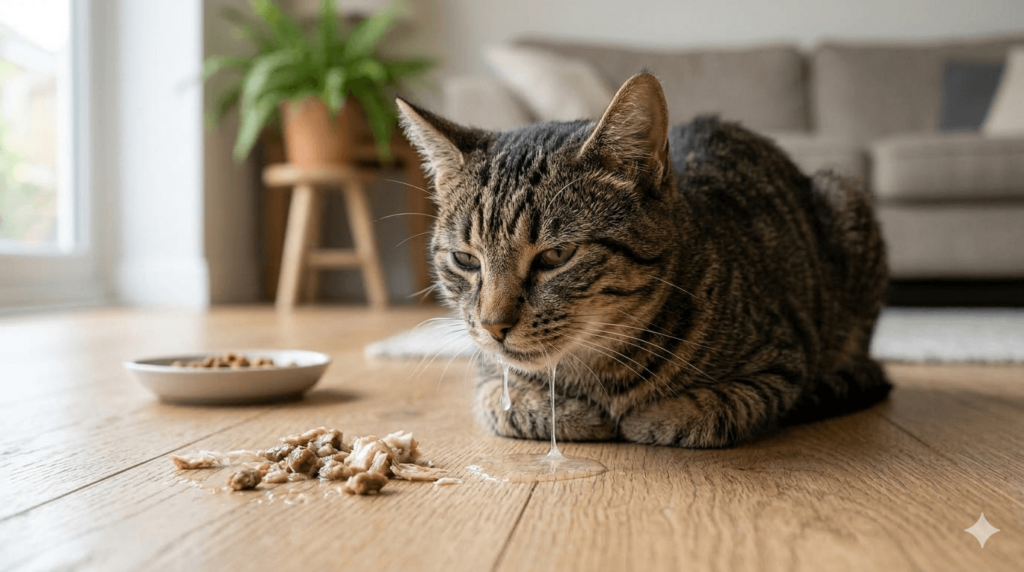
Refusal to eat meals or snacks suggests discomfort or obstruction in the stomach or intestines caused by the rawhide. - Excessive Drooling:
Increased salivation indicates nausea or difficulty swallowing, both common signs of ingestion-related issues. - Abdominal Swelling or Pain:
A bloated belly or vocalization when touched could mean a blockage or severe inflammation requiring urgent veterinary care.
“Vomiting, lethargy, loss of appetite, and abdominal pain are common clinical signs of foreign body obstruction in cats and warrant immediate veterinary evaluation.”
— Dr. Ernest Ward, Ingestion of Foreign Bodies in Cats
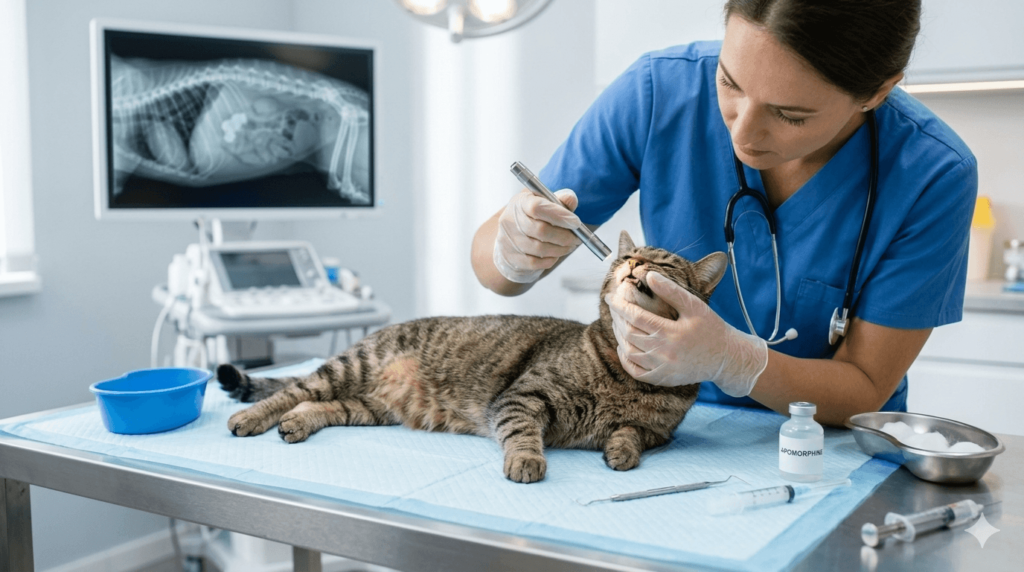
5. How Veterinarians Address Rawhide Ingestion
- Physical Examination:
The vet checks for visible signs of distress, such as abdominal tenderness, dehydration, or abnormal gum color, to gauge severity. - X-Rays or Ultrasound Imaging:
Imaging techniques help identify blockages, foreign objects, or swelling within the digestive system caused by rawhide ingestion. - Blood Tests:
Laboratory work detects underlying infections, organ stress, or electrolyte imbalances stemming from the incident. - Induced Vomiting (If Safe):
In cases where rawhide was recently consumed, vets may induce vomiting to expel the material before it causes harm. - Surgical Intervention (If Necessary):
Severe blockages or perforations require surgery to remove the rawhide and repair damaged tissues.
“Exploratory surgery is generally recommended if a foreign body obstruction is diagnosed or suspected. Time is critical, since an intestinal or stomach obstruction often compromises the blood supply to these vital tissues.”
— Ryan Llera, DVM et al., Ingestion of Foreign Bodies in Cats
6. Preventing Accidental Rawhide Consumption
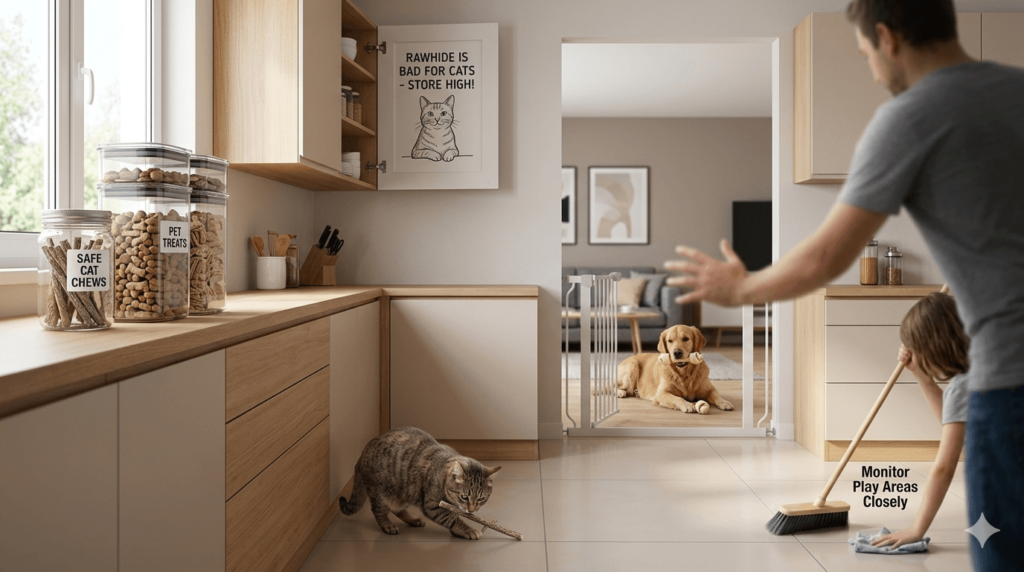
- Secure Storage Solutions:
Keep rawhide treats and similar products in sealed containers out of reach, ideally in cabinets or high shelves inaccessible to curious cats. - Separate Pet Spaces During Treat Time:
If you have dogs, ensure they enjoy rawhide in a separate room where your cat cannot sneak in unnoticed. - Use Cat-Friendly Chew Alternatives:
Provide your cat with engaging, safe chew options to redirect their chewing behavior away from hazardous items. - Educate Family Members:
Ensure everyone in the household understands the risks of rawhide for cats and agrees to follow storage guidelines. - Monitor Play Areas Closely:
Regularly inspect floors and furniture for dropped treats or small objects that could tempt your cat into mischief.
“Keep these materials in a place your cats can’t reach, and ensure any spills are cleaned up promptly.”
— Cornell Feline Health Center, Common Cat Hazards
7. Long-Term Effects of Rawhide on Feline Health
- Chronic Gastrointestinal Issues:
Frequent ingestion of indigestible materials leads to ongoing digestive problems, including constipation, diarrhea, or irritable bowel syndrome. - Dental Problems:
Cracked teeth or gum injuries from chewing rawhide may result in chronic pain, infections, or costly dental surgeries later in life. - Behavioral Changes:
Negative experiences associated with rawhide ingestion can make cats fearful, anxious, or overly cautious in certain environments. - Nutritional Deficiencies:
Over time, consuming empty-calorie treats like rawhide displaces nutrient-rich foods, leading to deficiencies that weaken immunity and vitality. - Trust and Bonding Challenges:
Health scares caused by rawhide incidents may strain the bond between owner and cat, requiring patience and effort to rebuild trust.
“Dental disease in cats can cause serious pain and discomfort, which can impact a cat’s quality of life.”
– Cornell Feline Health Center, Feline Dental Disease
Frequently Asked Questions About Rawhide and Cats
Is rawhide safe for cats to chew on?
No, rawhide is not safe for cats due to the risk of choking, digestive blockages, and toxic additives. It offers no nutritional value and can harm their health.
What should I do if my cat eats rawhide?
Monitor your cat closely for symptoms like vomiting, diarrhea, or lethargy. If you notice any signs of distress, contact your veterinarian immediately.
Are there cat-safe alternatives to rawhide?
Yes, cat-specific dental chews, freeze-dried meat treats, or interactive toys are safer options that satisfy a cat’s chewing instincts without posing risks.
Can rawhide cause long-term health issues in cats?
Repeated exposure to rawhide may lead to chronic gastrointestinal problems, dental damage, or nutritional deficiencies, impacting their overall well-being.
How can I prevent my cat from eating rawhide?
Store rawhide treats out of reach, supervise pets during treat time, and provide cat-friendly chew alternatives to redirect their behavior safely.
A Tiny Treat with Big Risks
Is Rawhide Bad for Cats? Best 7 Expert Tips! – Discover the risks, safe alternatives, and expert advice to keep your feline friend healthy and happy.

Is Rawhide Bad for Dogs? Best 7 Expert Tips! – Discover the risks, benefits, and safer alternatives to rawhides for your dog’s chewing needs.

Understanding Anorexia in Cats: Best 7 Expert Tips! – Learn why cats stop eating, spot warning signs, and discover how to help your feline regain appetite safely.

Understanding Anorexia in Dogs: Best 7 Expert Tips! – Learn causes, symptoms, and solutions to help your dog regain appetite and stay healthy.