

Can I Give My Dog Midol? What You Need to Know
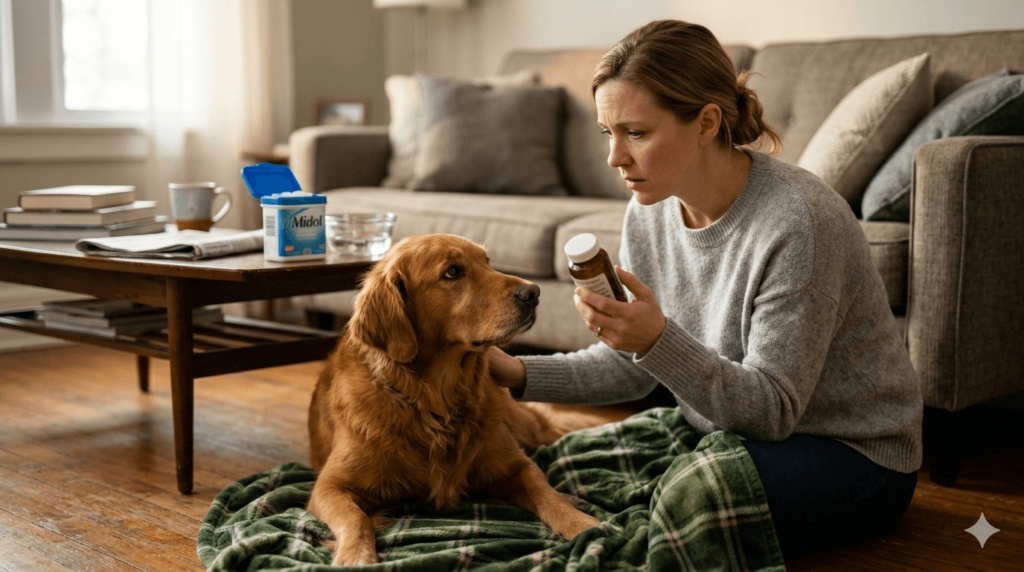
Understanding the Risks of Midol for Dogs
- Acetaminophen Content:
Midol contains acetaminophen, which is toxic to dogs and can cause liver damage or failure if ingested in significant amounts. Even small doses may lead to lethargy, vomiting, or abdominal pain. - Caffeine as a Stimulant:
Some Midol formulations include caffeine, a central nervous system stimulant that can overstimulate a dog’s heart and brain, leading to restlessness, rapid breathing, or seizures. - Aspirin-Like Effects:
Certain Midol products also contain aspirin-like compounds, which can irritate a dog’s stomach lining, causing ulcers or gastrointestinal bleeding with prolonged exposure. - Symptoms of Toxicity:
Signs of Midol ingestion in dogs include difficulty breathing, pale gums, weakness, or collapse—indicating potential organ damage requiring immediate veterinary care. - Why Vets Discourage Human Medications:
Veterinarians strongly advise against using human medications like Midol because dogs metabolize drugs differently, making seemingly harmless substances dangerous.
Safe Alternatives to Midol for Pain Relief in Dogs
- Prescription Pain Relievers:
Nonsteroidal anti-inflammatory drugs (NSAIDs) like carprofen or meloxicam are specifically designed for dogs and effectively manage pain and inflammation under veterinary supervision. - Natural Supplements:
Glucosamine and chondroitin supplements support joint health and reduce arthritis-related pain, offering a gentler, long-term solution for chronic conditions. - Cold or Warm Compresses:
Applying cold packs to swollen areas or warm compresses to stiff joints provides temporary relief and promotes healing in acute injuries or arthritis cases. - Physical Therapy Options:
Controlled exercises, hydrotherapy, or massage therapy improve mobility and comfort levels, especially for senior dogs or those recovering from surgery. - Behavioral Modifications:
Adjusting your dog’s environment—like adding ramps or orthopedic bedding—reduces strain on their body and minimizes sources of discomfort.
Check this guide 👉 Can I Give My Dog Motrin? Best 7 Expert Tips!
Check this guide 👉 Can I Give My Dog Aspirin for Fever? Best 7 Expert Tips!
Check this guide 👉 Can I Give My Dog Sudafed? Best 7 Expert Tips!
Signs Your Dog Ingested Midol | Immediate Actions to Take |
|---|---|
Vomiting or diarrhea | Call your vet or animal poison control hotline immediately |
Lethargy or weakness | Monitor for worsening symptoms and avoid giving water until advised |
Rapid breathing or panting | Keep your dog calm and restrict movement to reduce stress |
Pale gums or jaundice | Transport your dog to the nearest emergency clinic |
Seizures or collapse | Perform CPR if trained while en route to the vet |
Symptoms of Midol Toxicity in Dogs
- Gastrointestinal Upset:
Vomiting, diarrhea, or loss of appetite often occur first as the stomach reacts to the foreign substances in Midol. Blood in vomit or stool indicates severe irritation or ulceration. - Neurological Signs:
Caffeine toxicity manifests through hyperactivity, tremors, seizures, or disorientation as the stimulant affects the brain and nervous system. - Respiratory Distress:
Rapid or labored breathing signals cardiovascular stress caused by caffeine or acetaminophen poisoning, potentially leading to respiratory failure. - Liver Damage Indicators:
Jaundice (yellowing of gums or skin), dark urine, or extreme lethargy points to acetaminophen-induced liver damage, a life-threatening condition. - Cardiovascular Collapse:
Irregular heartbeat, pale gums, or sudden weakness reflects the impact of Midol’s components on the heart and circulatory system.
Preventing Accidental Midol Ingestion
- Secure Storage Solutions:
Keep all human medications, including Midol, in locked cabinets or high shelves inaccessible to curious pets. Childproof containers aren’t always pet-proof. - Dispose of Unused Medications Properly:
Flush unused pills down the toilet or mix them with undesirable substances like coffee grounds before throwing them away to deter scavenging. - Educate Family Members:
Ensure everyone in the household understands the dangers of giving human medications to dogs and knows how to store them safely. - Monitor Guest Behavior:
Visitors might unknowingly leave medications within reach; politely remind them to keep bags zipped and personal items secure. - Train “Leave It” Commands:
Teaching your dog to ignore dropped items prevents accidental ingestion of harmful substances like Midol or other toxins.
How Veterinarians Treat Midol Poisoning
- Induced Vomiting:
If caught early, vets may induce vomiting to remove undigested Midol from the stomach before it enters the bloodstream. - Activated Charcoal Administration:
Charcoal binds to toxins in the digestive tract, preventing further absorption and reducing the severity of poisoning effects. - IV Fluid Therapy:
Intravenous fluids flush toxins from the body, support hydration, and protect vital organs like the liver and kidneys during recovery. - Liver Support Medications:
Drugs like N-acetylcysteine counteract acetaminophen’s effects on the liver, minimizing damage and promoting regeneration of healthy cells. - Monitoring for Complications:
Blood tests, oxygen therapy, and continuous observation ensure timely detection and management of complications such as seizures or anemia.
Long-Term Effects of Midol Ingestion
- Chronic Liver Issues:
Severe acetaminophen toxicity can lead to permanent liver damage, necessitating dietary changes, supplements, or lifelong medication to manage function. - Kidney Stress or Failure:
Toxin processing strains the kidneys, increasing the risk of future urinary tract infections or reduced filtration capacity. - Behavioral Changes:
Dogs recovering from toxicity episodes may exhibit heightened anxiety, clinginess, or fearfulness due to trauma or neurological impacts. - Increased Veterinary Visits:
Frequent check-ups become necessary to monitor organ health, detect complications early, and adjust treatment plans accordingly. - Dietary Restrictions:
Long-term avoidance of foods or substances taxing the liver (like certain proteins) ensures optimal recovery and minimizes additional stress.
Frequently Asked Questions About Midol and Dogs
- Can I give my dog Midol for pain relief?
No—Midol contains ingredients toxic to dogs, such as acetaminophen and caffeine, which can cause severe harm even in small doses. - What should I do if my dog eats Midol?
Contact your veterinarian or an animal poison control hotline immediately for advice on inducing vomiting or seeking emergency care. - Are there safer pain relievers for dogs?
Yes—veterinarians can prescribe NSAIDs or recommend natural supplements tailored to your dog’s specific needs. - How soon will symptoms appear after ingestion?
Signs of Midol toxicity typically emerge within hours but may vary depending on the dose and formulation consumed. - Will my dog recover fully from Midol poisoning?
With prompt treatment, most dogs recover completely, though some may require extended care for complications like liver damage.
Frequently Asked Questions About Giving Midol to Dogs
Is it safe to give my dog Midol for pain relief?
What should I do if my dog accidentally eats Midol?
Contact your veterinarian or an animal poison control hotline immediately. Do not induce vomiting without professional guidance.
How much Midol is dangerous for a dog?
Even small amounts of Midol can be harmful, especially for smaller breeds. Toxicity depends on the dog’s size, weight, and the formulation ingested.
Are there safer alternatives to Midol for dogs?
Yes, veterinarians can prescribe medications like NSAIDs (e.g., carprofen) or recommend natural supplements such as glucosamine for pain relief.
Can Midol cause long-term damage to my dog’s health?
Yes, Midol can lead to liver damage, kidney stress, or neurological issues if left untreated. Early veterinary intervention is crucial to prevent lasting harm.
A Tiny Mistake Can Have Big Consequences
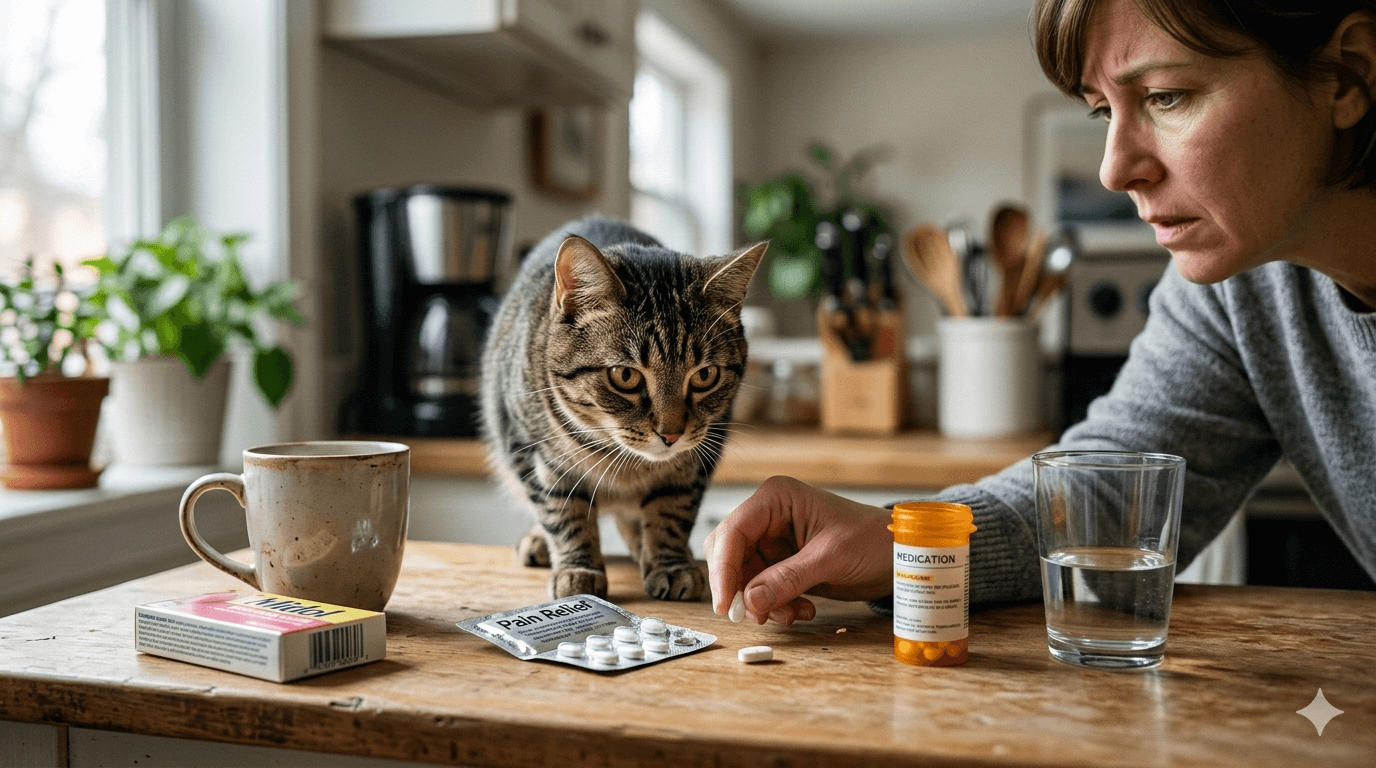
Can I Give My Cat Midol? Best 7 Expert Tips! – Learn the risks, symptoms, and safe alternatives to keep your cat healthy and avoid toxic reactions.
Can I Give My Dog Midol? Best 7 Expert Tips! – Discover the risks, safe alternatives, and expert advice to keep your dog safe from accidental poisoning.
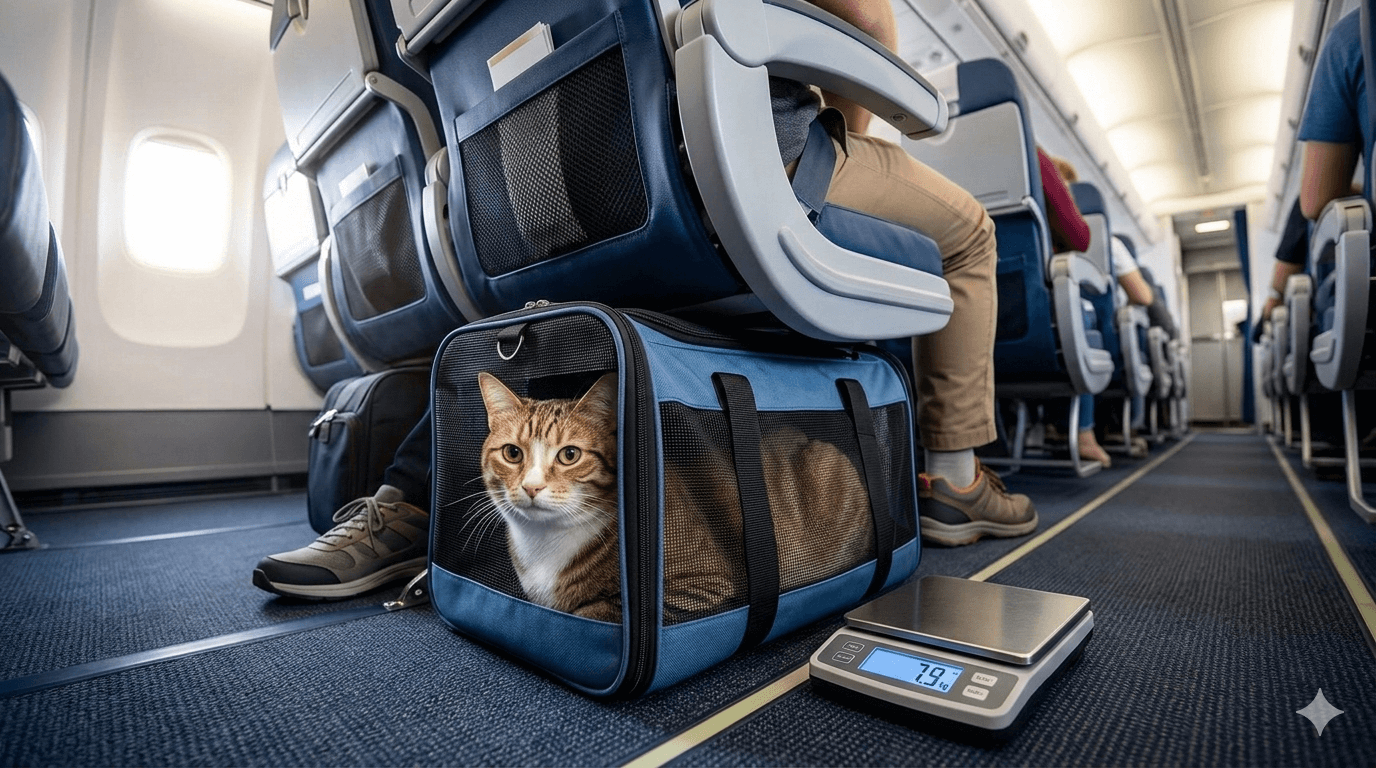
Maximum Weight for Cats on Planes: Best 7 Expert Tips! – Learn airline policies, tips to stay compliant, and ensure safe travels for your feline friend.
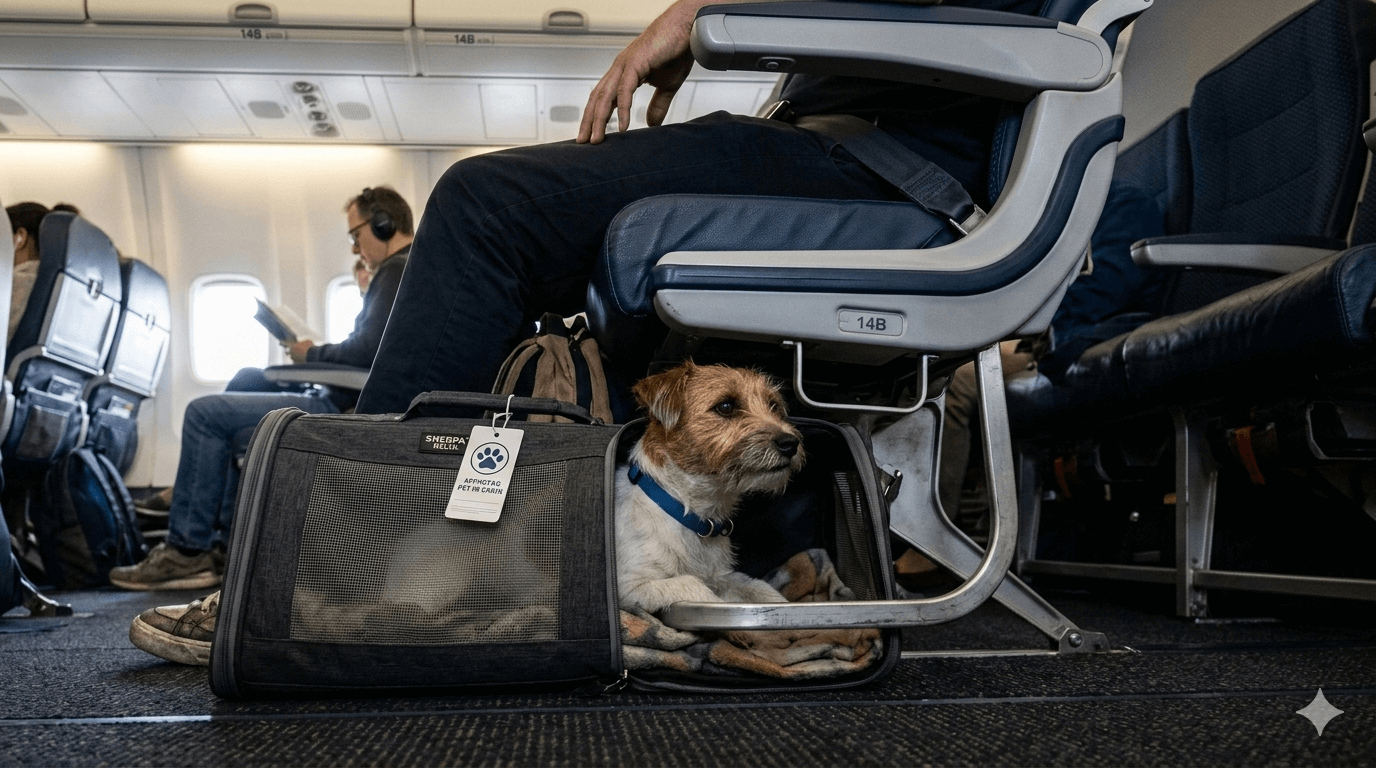
Max Weight for Dogs on Planes: Best 7 Expert Tips! – Discover airline weight limits, safe travel tips, and solutions for flying with your dog stress-free.