
Understanding the Maximum Weight for Cats on Planes
Airline Policies on Cat Weight Limits
- Cabin vs. Cargo Weight Limits:
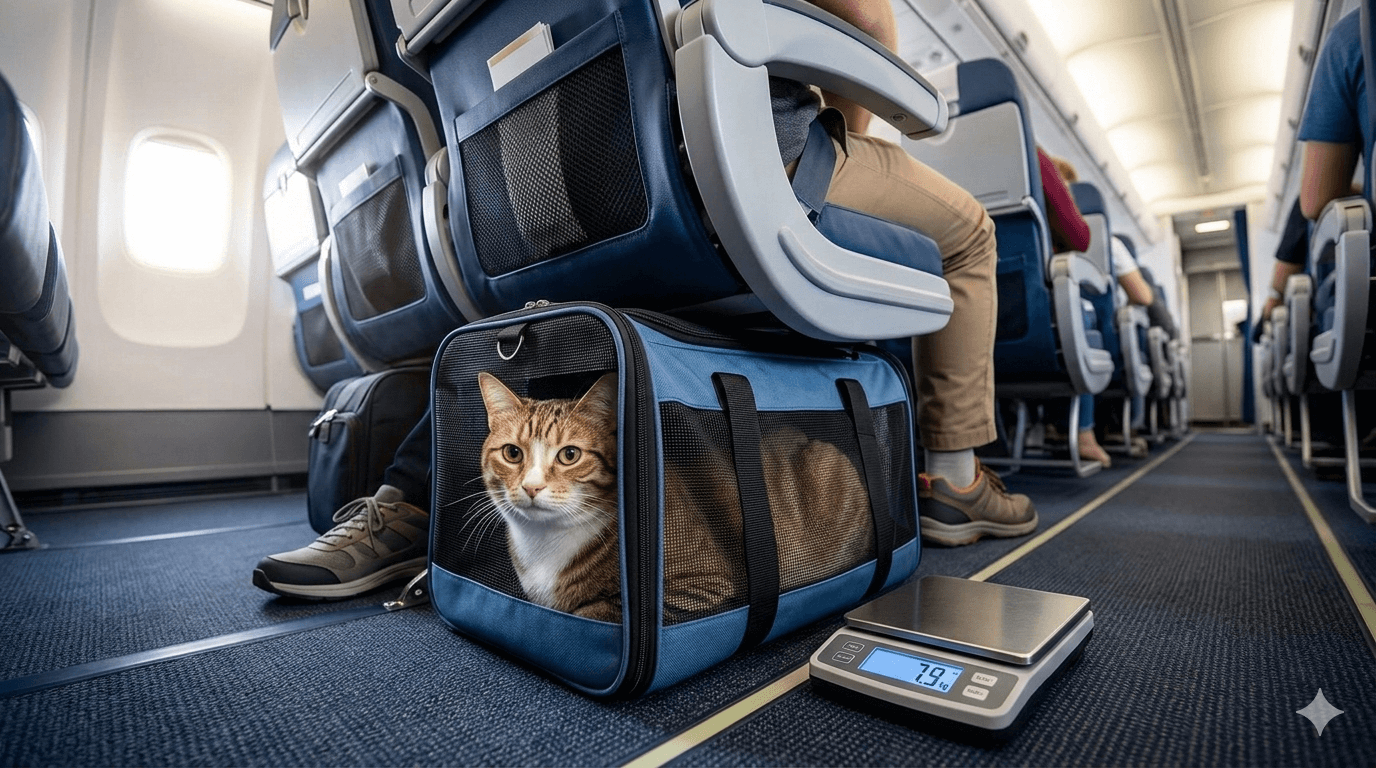
Most airlines permit cats in the cabin if the combined weight of the pet and carrier does not exceed 18–20 pounds (8–9 kg). Beyond this limit, cats must travel in the cargo hold, which has stricter regulations. - Why Weight Matters:
Weight restrictions exist because heavier animals require more secure containment and may pose logistical challenges in emergency situations. Airlines also need to balance the aircraft’s load distribution. - Examples from Major Airlines:
Delta allows a maximum combined weight of 20 pounds (9 kg) for in-cabin travel, while United enforces similar limits. For cargo, weights can range up to 100 pounds (45 kg), depending on the airline. - International vs. Domestic Flights:
International flights often have stricter rules due to varying customs and quarantine requirements. Some countries prohibit pets over certain weights altogether. - How to Check Specific Policies:
Always review your airline’s pet policy online or contact customer service directly, as these guidelines frequently change and vary by route.
Choosing the Right Travel Carrier for Your Cat
- Size and Weight Considerations:
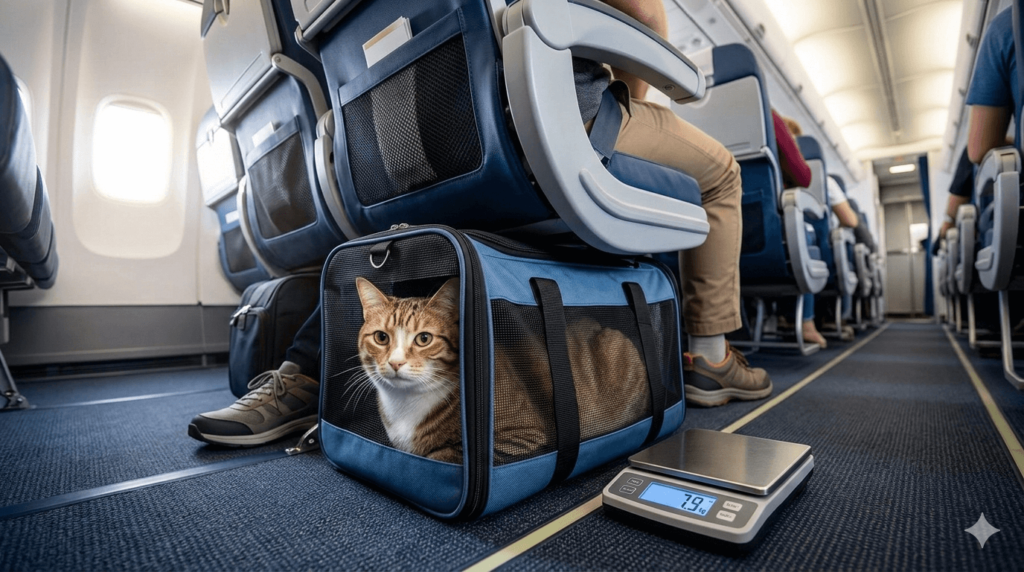
Carriers must fit under the seat in front of you for in-cabin travel. Lightweight materials like soft-sided fabric help keep the total weight within limits. - Ventilation and Accessibility:
Ensure the carrier has adequate ventilation and multiple openings for easy access during emergencies. Mesh panels are ideal for airflow and visibility. - Durability and Security:
Hard-sided carriers made from sturdy plastic offer better protection for larger or anxious cats, though they tend to be heavier than soft-sided options. - Padding and Comfort Features:
Line the carrier with absorbent pads, blankets, or towels to provide cushioning and catch accidents. Familiar scents from home can reduce stress. - Testing Before Travel:
Practice placing your cat inside the carrier beforehand to ensure it feels safe and comfortable. Adjust padding or accessories as needed.
Check this guide 👉 Is It Cruel to Take a Cat on a Plane? Best 7 Tips!
Check this guide 👉 How to Travel with a Cat on a Plane: Best 7 Expert Tips!
Check this guide 👉 How to Travel Long Distance with a Cat: Best 7 Tips!
Key Considerations for Flying with Your Cat | Tips to Stay Within Weight Limits |
|---|---|
Combined weight of cat and carrier | Use a lightweight, soft-sided carrier |
Cabin vs. cargo restrictions | Minimize padding and unnecessary accessories |
Airline-specific policies | Check your airline’s maximum weight allowance |
Health risks for overweight cats | Consult your vet about safe travel options |
International vs. domestic rules | Research breed-specific restrictions for certain routes |
Preparing Your Cat for Air Travel
- Veterinary Clearance:
Schedule a vet visit before traveling to confirm your cat is healthy enough for flight. Obtain necessary vaccinations, medications, and health certificates. - Dietary Adjustments:
Feed your cat lightly 4–6 hours before departure to prevent nausea or accidents. Avoid heavy meals that could increase discomfort during the flight. - Hydration Management:
Provide fresh water until boarding but limit intake immediately before takeoff to minimize the risk of spills or accidents in the carrier. - Calming Techniques:
Use pheromone sprays, calming collars, or natural supplements to soothe nervous cats. Consult your vet about sedatives, though they’re generally discouraged for air travel. - Familiarization Exercises:
Introduce your cat to the carrier weeks in advance by leaving it open at home. Place treats or toys inside to create positive associations.
Understanding Health Risks for Overweight Cats
- Increased Stress Levels:
Heavier cats may experience heightened stress due to limited mobility within the carrier and difficulty regulating body temperature. - Respiratory Concerns:
Obese cats are prone to respiratory issues, which can worsen at high altitudes where oxygen levels are lower. - Joint and Muscle Strain:
Excess weight puts pressure on joints and muscles, leading to discomfort during long journeys or sudden movements. - Temperature Sensitivity:
Overweight cats struggle to dissipate heat, making them more vulnerable to overheating in warm climates or poorly ventilated spaces. - Long-Term Solutions:
If your cat is overweight, consult your vet about dietary changes and exercise routines to gradually achieve a healthier weight before traveling.
Alternatives to Flying with Heavy Cats
- Ground Transportation Services:
Professional pet transport companies specialize in cross-country trips via car or train, offering climate-controlled vehicles and personalized care. - Relocation Assistance Programs:
Some organizations assist with relocating pets domestically or internationally, providing tailored solutions based on your needs. - Friends or Family Members:
Enlist trusted friends or relatives to accompany your cat separately, allowing you to focus on logistics without compromising their comfort. - Temporary Boarding Options:
If relocation isn’t urgent, board your cat temporarily near your destination and retrieve them once settled. - Cargo Shipping Services:
For unavoidable cargo travel, research reputable animal shipping agencies that prioritize safety and humane handling practices.
Legal Requirements for Flying with Cats
- Health Certificates and Vaccinations:
Many airlines and destinations require proof of rabies vaccination and a signed health certificate issued by a licensed veterinarian. - Microchipping Regulations:
Some countries mandate microchipping as part of identification protocols, ensuring your cat can be traced back to you if lost. - Quarantine Laws:
Certain regions impose mandatory quarantine periods for incoming pets, particularly from high-risk areas. Research these rules thoroughly. - Customs Declarations:
Declare your pet upon arrival to avoid fines or confiscation. Carry all necessary paperwork and remain patient during inspections. - Breeds with Restrictions:
While not directly tied to weight, some breeds face bans or special conditions due to brachycephalic traits. Verify breed-specific rules.
Tips for Managing Emotional Challenges During Travel
- Stay Calm and Reassuring:
Your demeanor influences your cat’s behavior. Speak softly, maintain eye contact, and project calm energy to reassure them. - Bring Familiar Items:
Pack favorite toys, blankets, or bedding infused with familiar scents to comfort your cat during unfamiliar surroundings. - Limit Environmental Stimuli:
Keep noise levels low and avoid exposing your cat to crowded areas before boarding. A quiet corner helps them relax. - Monitor Behavior Closely:
Watch for signs of distress, such as excessive meowing, panting, or agitation. Address these promptly by adjusting conditions or seeking assistance. - Plan for Breaks:
On layovers or road trips, allow your cat brief supervised breaks outside the carrier to stretch and relieve tension.
Frequently Asked Questions About the Maximum Weight for Cats on Planes
What is the typical weight limit for cats traveling in the cabin?
Most airlines allow cats in the cabin if the combined weight of the pet and carrier does not exceed 18–20 pounds (8–9 kg).
Can my overweight cat travel in the cargo hold instead?
Yes, but cargo holds have stricter regulations and may not be suitable for all cats. Overweight or brachycephalic breeds face higher risks during cargo travel.
Do all airlines have the same weight restrictions?
No, weight limits vary by airline and route. Always check your airline’s specific pet policy before booking.
How can I reduce the total weight of my cat’s travel setup?
Use a lightweight, soft-sided carrier and minimize padding to stay within weight limits while ensuring comfort and safety.
What happens if my cat exceeds the weight limit?
If your cat exceeds the limit, you may need to explore alternative travel options, such as ground transportation or specialized pet shipping services.
A Safe Journey for Every Feline Traveler

Can I Give My Cat Midol? Best 7 Expert Tips! – Learn the risks, symptoms, and safe alternatives to keep your cat healthy and avoid toxic reactions.

Can I Give My Dog Midol? Best 7 Expert Tips! – Discover the risks, safe alternatives, and expert advice to keep your dog safe from accidental poisoning.
Maximum Weight for Cats on Planes: Best 7 Expert Tips! – Learn airline policies, tips to stay compliant, and ensure safe travels for your feline friend.
Max Weight for Dogs on Planes: Best 7 Expert Tips! – Discover airline weight limits, safe travel tips, and solutions for flying with your dog stress-free.