
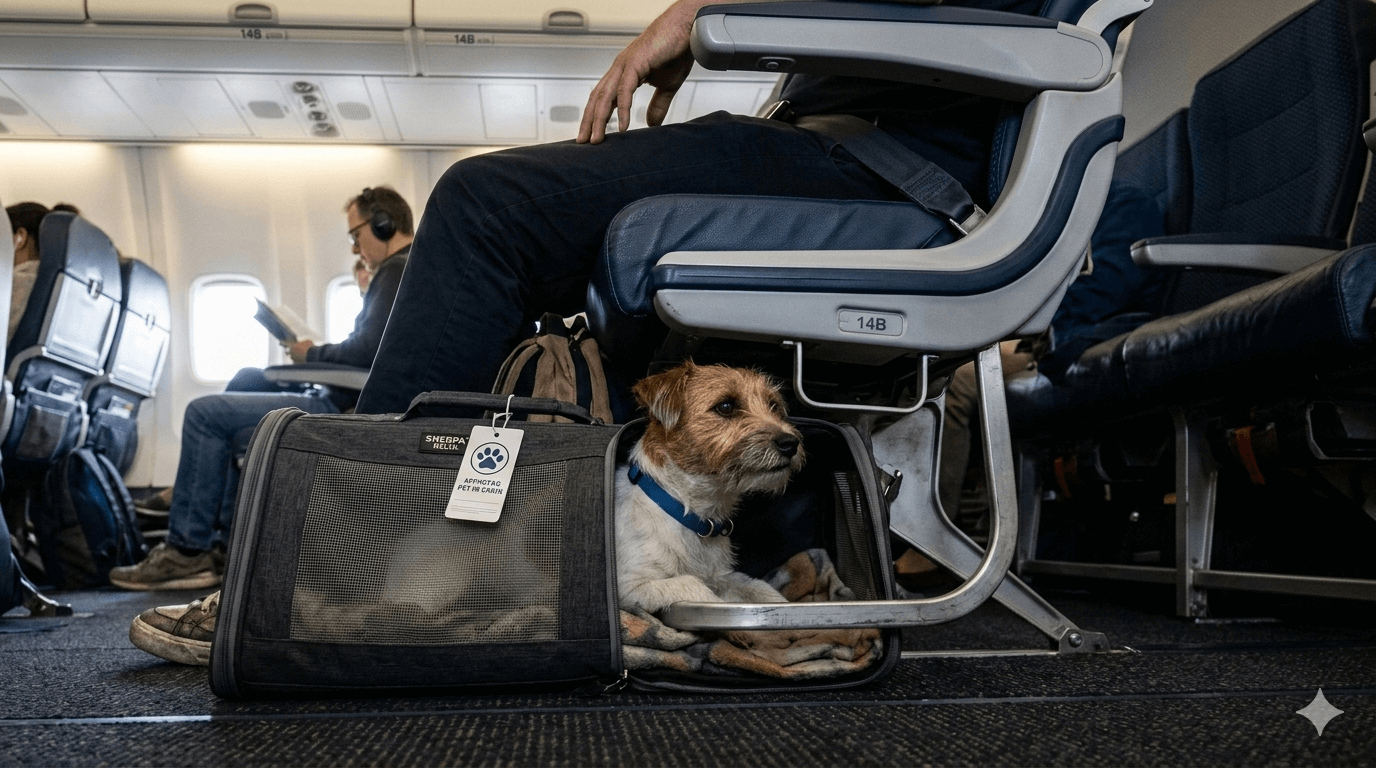
Understanding the Max Weight for Dogs on Planes
Airline Policies on Maximum Dog Weight Limits
- Cabin vs. Cargo Restrictions:
Most airlines allow small dogs (under 20 pounds) to travel in the cabin if they fit in an approved carrier. Larger dogs may need to fly as checked baggage or cargo, subject to stricter weight limits. - Weight Includes the Carrier:
The total weight limit typically includes both the dog and its carrier. For example, a 20-pound weight limit means the combined weight of your dog and carrier must not exceed this threshold. - Breed-Specific Exceptions:
Some airlines impose additional restrictions on brachycephalic breeds (e.g., Bulldogs, Pugs), regardless of weight, due to their higher risk of respiratory issues during flights. - International vs. Domestic Flights:
International flights often have stricter regulations, with some countries banning pets over certain weights altogether. Always check destination-specific rules before booking. - Special Accommodations for Service Dogs:
Service dogs are usually exempt from weight restrictions but must meet training and certification requirements to qualify for cabin travel.
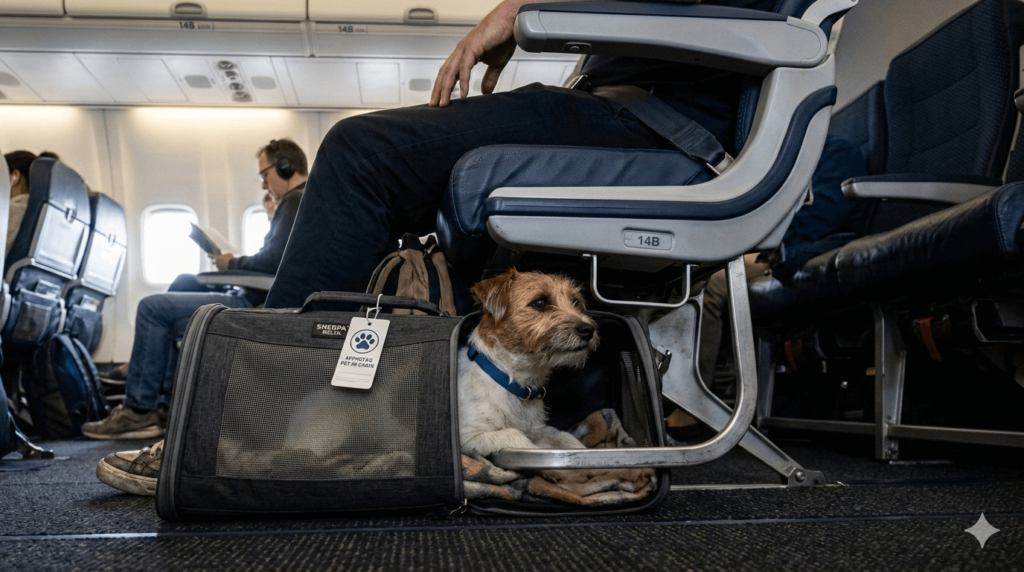
How Airlines Determine Weight Limits for Pets
- Aircraft Size and Capacity:
Smaller planes have limited space for pet carriers, leading to lower weight limits compared to larger aircraft. Regional jets often restrict pets to under 10 pounds. - Cargo Hold Regulations:
For pets flying in the cargo hold, airlines assess whether the hold can safely accommodate heavier crates without compromising ventilation or temperature control. - Passenger Comfort and Safety:
Weight limits also account for the impact of pets on other passengers, including noise, allergens, and potential disruptions caused by larger animals. - Regulatory Compliance:
Airlines must adhere to guidelines set by aviation authorities like the FAA (Federal Aviation Administration) or IATA (International Air Transport Association), which influence weight caps. - Risk Management for Airlines:
Heavier pets increase liability risks, prompting airlines to enforce conservative weight limits to minimize potential incidents during transport.
Check this guide 👉 Can I Take My Dog to France? Best 7 Expert Tips!
Check this guide 👉 Can I Take My Dog to Italy? Best 7 Expert Tips!
Check this guide 👉 Can I Take My Dog to Spain? Best 7 Expert Tips!
Airline Cabin Weight Limits | Cargo Hold Considerations |
|---|---|
Most airlines: Up to 20 lbs (dog + carrier) | Weight limits vary; typically 100–150 lbs total |
Soft-sided carriers often preferred | Crates must meet IATA sizing and ventilation standards |
Under-seat stowage required | Temperature-controlled holds for safety |
Small breeds like Chihuahuas or Yorkies qualify easily | Brachycephalic breeds may face additional restrictions |
Service dogs exempt from weight limits | International flights may have stricter rules |
Preparing Your Dog for Travel Within Weight Limits
- Choosing the Right Carrier:
Select a lightweight yet durable carrier that meets airline specifications. Soft-sided carriers are ideal for smaller dogs, while hard-sided ones suit heavier breeds. - Weighing Your Dog Accurately:
Use a pet scale or step-on scale to determine your dog’s exact weight, then add the carrier’s weight to calculate the total. Avoid guessing to prevent last-minute issues. - Diet and Exercise Adjustments:
If your dog is close to the weight limit, consult your vet about temporary dietary changes or increased exercise to help them shed a few pounds safely. - Training for Crate Comfort:
Ensure your dog is comfortable in their carrier well before the flight. Practice crate training to reduce stress during travel. - Documentation and Health Checks:
Obtain a health certificate from your vet and verify all necessary vaccinations are up-to-date, as some airlines require this regardless of weight.
Alternatives for Dogs Exceeding Airline Weight Limits
- Ground Transportation Services:
Professional pet transport companies offer road trips tailored to large dogs, providing climate-controlled vehicles and experienced handlers. - Charter Flights:
Private charters cater to pets of all sizes, eliminating commercial airline restrictions and offering personalized service. - Relocation Assistance Programs:
Organizations like IPATA (International Pet and Animal Transportation Association) connect owners with certified relocation experts for seamless travel arrangements. - Splitting Long Journeys:
For domestic moves, consider driving partway and flying the remaining distance with your dog as cargo if feasible. - Temporary Boarding Options:
If relocation isn’t urgent, board your dog temporarily while exploring long-term solutions that accommodate their size.
Risks Associated with Overweight Dogs Flying
- Increased Stress Levels:
Heavier dogs may experience heightened anxiety during travel due to discomfort in cramped spaces or difficulty moving freely. - Respiratory Challenges:
Overweight dogs are more prone to breathing difficulties, especially in pressurized cabins or cargo holds where oxygen levels fluctuate. - Temperature Sensitivity:
Excess weight exacerbates sensitivity to extreme temperatures, increasing the risk of heatstroke or hypothermia during layovers or delays. - Joint and Mobility Issues:
Carrying extra weight strains joints, making it harder for dogs to navigate ramps, stairs, or uneven surfaces at airports. - Higher Risk of Injury:
In turbulence or rough handling, overweight dogs face greater vulnerability to injuries like sprains or fractures due to reduced agility.
Tips for Reducing Your Dog’s Travel Weight
- Switch to Lightweight Gear:
Replace heavy collars, leashes, and carriers with lighter alternatives to shave off ounces or even pounds from the total weight. - Trim Their Coat Before Travel:
For long-haired breeds, grooming reduces bulk and makes them more comfortable during the flight. - Adjust Portion Sizes Temporarily:
Consult your vet about slightly reducing meal portions in the weeks leading up to travel to achieve minor weight loss without compromising nutrition. - Increase Physical Activity:
Engage your dog in daily walks, play sessions, or interactive games to burn calories and build stamina for the journey. - Hydrate Strategically:
Limit water intake immediately before weighing to avoid bloating, but ensure your dog stays hydrated throughout the trip.
Emotional and Practical Considerations for Flying with Large Dogs
- Separation Anxiety During Travel:
Large dogs often struggle with being separated from their owners, particularly when flying in the cargo hold. Calming aids or sedatives (vet-approved) can ease anxiety. - Cost Implications of Oversized Pets:
Heavier dogs incur higher fees for checked baggage or cargo transport, sometimes doubling or tripling the cost of travel. Budget accordingly. - Logistical Hurdles at Airports:
Navigating busy terminals with a large dog can be daunting; plan extra time for security checks, bathroom breaks, and boarding procedures. - Public Perception and Etiquette:
Be mindful of how others perceive large dogs in public spaces—train your dog to behave politely to minimize disruptions. - Post-Flight Recovery Time:
After landing, give your dog ample time to rest and recover from the stress of travel, ensuring they feel safe and secure in their new environment.
Frequently Asked Questions About the Maximum Weight for Dogs on Planes
What is the typical weight limit for dogs in airplane cabins?
Most airlines allow dogs weighing up to 20 pounds (including the carrier) to travel in the cabin, though this varies by airline and aircraft type.
Can larger dogs fly in the cargo hold?
Yes, larger dogs may fly as checked baggage or in the cargo hold, but weight limits and crate size restrictions apply. Always check with your airline for specific policies.
Are there exceptions for service dogs?
Service dogs are generally exempt from weight restrictions and can accompany their handlers in the cabin, provided they meet training and certification requirements.
How do I know if my dog qualifies for cabin travel?
Measure your dog’s weight (including the carrier) and compare it to your airline’s cabin pet policy. Ensure the carrier fits under the seat in front of you.
What happens if my dog exceeds the weight limit?
If your dog exceeds the cabin weight limit, you’ll need to explore alternatives like cargo travel, charter flights, or ground transportation services.
A Guide to Navigating Air Travel with Your Dog

Can I Give My Cat Midol? Best 7 Expert Tips! – Learn the risks, symptoms, and safe alternatives to keep your cat healthy and avoid toxic reactions.

Can I Give My Dog Midol? Best 7 Expert Tips! – Discover the risks, safe alternatives, and expert advice to keep your dog safe from accidental poisoning.
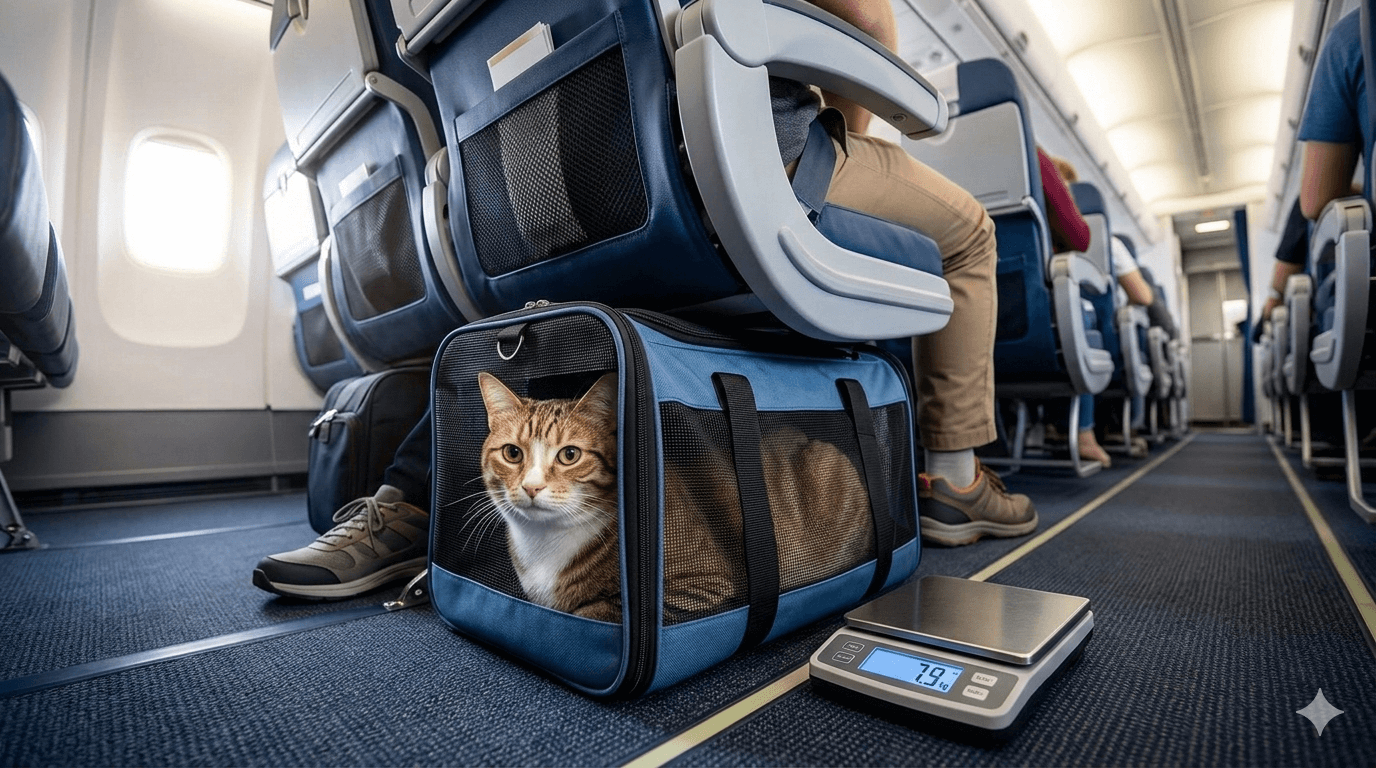
Maximum Weight for Cats on Planes: Best 7 Expert Tips! – Learn airline policies, tips to stay compliant, and ensure safe travels for your feline friend.
Max Weight for Dogs on Planes: Best 7 Expert Tips! – Discover airline weight limits, safe travel tips, and solutions for flying with your dog stress-free.