

Can a Dog Scratch Give You Rabies?
Understanding Rabies Transmission Risks
- Saliva as the Primary Carrier:
Rabies virus is most commonly found in the saliva of infected animals, which is why bites are the primary mode of transmission. Scratches, on the other hand, do not typically involve saliva exposure unless contaminated by an infected animal’s bodily fluids. - Scratches and Contamination Risks:
If a scratch breaks the skin and comes into contact with saliva or nervous tissue from an infected animal, there is a theoretical risk of transmission. However, documented cases of rabies from scratches alone are exceedingly rare. - Environmental Factors Matter:
The likelihood of rabies transmission depends on whether the scratch occurred in an area where rabies is endemic and whether the animal showed signs of infection, such as unusual aggression or lethargy. - Precautions After a Scratch:
Even if the risk is minimal, any scratch from an unfamiliar or potentially infected animal should be treated seriously. Immediate washing of the wound with soap and water can reduce the risk of infection significantly. - When to Seek Medical Advice:
If the scratch is deep, exposes broken skin, or involves an animal with unknown vaccination status, consult a healthcare professional immediately. They may recommend post-exposure prophylaxis (PEP) as a precautionary measure.

How Rabies Infects Humans
- Virus Entry Points:
Rabies typically enters through broken skin or mucous membranes, such as eyes, nose, or mouth. A scratch must carry saliva into the bloodstream to pose a significant risk. - Incubation Period Variability:
Once inside the body, the rabies virus travels to the central nervous system, with symptoms appearing weeks to months later. Early detection and treatment are crucial before the virus reaches the brain. - Animal Behavior Indicators:
Infected animals often exhibit erratic behavior, excessive drooling, or paralysis. If the scratching animal displays these signs, the risk increases substantially. - Geographic Considerations:
In regions where rabies is prevalent among wildlife, such as bats, raccoons, or stray dogs, even minor scratches warrant attention due to higher transmission rates. - Role of Vaccination Status:
Domestic animals vaccinated against rabies pose virtually no risk, regardless of how they interact with humans. Always verify the animal’s vaccination history if possible.
Check this guide 👉Can a Dog Be Tested for Rabies? Best 7 Expert Tips!
Check this guide 👉Where to Get Dog Rabies Vaccine: Best 7 Expert Tips!
Check this guide 👉Rabies Vaccine Side Effects in Dogs: Best 7 Expert Tips!
Key Facts About Rabies Transmission | Preventive Actions After a Scratch |
|---|---|
Rabies is primarily spread through infected saliva | Wash the scratch with soap and water for 15 minutes |
Bites are the most common mode of transmission | Disinfect the area with iodine or alcohol |
Scratches must involve saliva to pose a risk | Assess the dog’s vaccination status and behavior |
Incubation periods vary from days to years | Consult a doctor for potential post-exposure prophylaxis (PEP) |
Vaccinated dogs rarely transmit rabies | Monitor the dog for 10 days for signs of illness |
Preventive Measures After a Dog Scratch
- Immediate Wound Cleaning:
Wash the scratch thoroughly with soap and running water for at least 15 minutes. This removes surface contaminants and lowers the chance of viral survival. - Disinfecting the Area:
Apply an antiseptic like iodine or alcohol to further sanitize the wound and prevent secondary bacterial infections. - Assessing the Animal’s Health:
Observe the dog for 10 days to check for signs of rabies. Healthy, vaccinated dogs are unlikely to transmit the disease, even through scratches. - Seeking Professional Guidance:
Contact your doctor or local health department for advice tailored to your situation. They may recommend PEP based on the circumstances of the scratch. - Documenting the Incident:
Keep records of the incident, including details about the animal, its behavior, and any actions taken afterward. This information is valuable during medical consultations.
Symptoms of Rabies in Humans
- Initial Flu-Like Symptoms:
Fever, headache, and general weakness or discomfort are common early indicators, often mistaken for other illnesses. These symptoms typically emerge within weeks of exposure. - Localized Sensitivity Near the Exposure Site:
Some individuals report itching, tingling, or pain around the area where the virus entered the body, signaling its progression toward the nervous system. - Neurological Symptoms Develop Later:
As the virus advances, symptoms include confusion, agitation, hallucinations, insomnia, and partial paralysis. Once these manifest, the prognosis becomes dire. - Hydrophobia and Aerophobia:
Two hallmark symptoms—fear of water (hydrophobia) and fear of drafts or fresh air (aerophobia)—occur in advanced stages, caused by spasms triggered by swallowing or airflow sensations. - Importance of Early Diagnosis:
Prompt recognition of symptoms allows for immediate medical intervention, though prevention through vaccination remains far more effective than treatment.
Post-Exposure Prophylaxis (PEP) Explained
- Steps Involved in PEP:
PEP consists of multiple vaccine doses given over 14–28 days, along with human rabies immune globulin (HRIG) injected near the wound site for immediate protection. - Timing Is Critical:
PEP is most effective when started immediately after exposure. Delayed treatment increases the risk of infection taking hold. - Cost and Accessibility:
While PEP can be expensive, many countries provide subsidized access to ensure affordability. Travelers visiting rabies-endemic areas should research availability beforehand. - No Booster Needed for Vaccinated Individuals:
People previously vaccinated against rabies require only two additional shots instead of the full PEP regimen, simplifying post-exposure care. - Side Effects Are Rare:
Most individuals tolerate PEP well, with mild reactions like soreness at injection sites being the most common side effect. Serious complications are extremely uncommon.
Common Misconceptions About Rabies Transmission
- Myth: All Animal Scratches Transmit Rabies:
Reality: Only scratches involving infected saliva or nervous tissue pose a risk. Most scratches do not meet this criterion. - Myth: Rabies Can Be Transmitted Through Air:
Reality: While theoretically possible in laboratory settings, airborne transmission is not a practical concern under normal conditions. - Myth: Domestic Animals Always Carry Rabies:
Reality: Vaccinated domestic animals pose negligible risk. Stray or wild animals are far more likely carriers in endemic areas. - Myth: Rabies Symptoms Appear Immediately:
Reality: The incubation period varies widely, lasting from days to years, depending on factors like wound location and viral load. - Myth: Rabies Is Always Fatal Once Contracted:
Reality: With modern PEP protocols, rabies is entirely preventable if treated promptly. Untreated cases, however, remain nearly always fatal.
Living Safely Around Animals to Prevent Rabies
- Vaccinate Your Pets Regularly:
Ensure all domestic animals receive up-to-date rabies vaccinations as mandated by law. This protects them and reduces transmission risks to humans. - Avoid Contact with Wild Animals:
Never approach or feed wild animals, especially those acting strangely. Report suspicious behavior to local animal control authorities. - Supervise Children Around Animals:
Teach children to respect animals’ boundaries and avoid touching unfamiliar or stray animals to prevent accidental scratches or bites. - Secure Your Home Against Wildlife:
Seal gaps, cap chimneys, and remove food sources that might attract raccoons, bats, or other rabies-prone species to your property. - Educate Yourself on Local Risks:
Stay informed about rabies prevalence in your area and follow guidelines provided by public health officials to stay safe year-round.
Frequently Asked Questions About Can a Dog Scratch Give You Rabies
Can rabies be transmitted through a scratch?
While rare, rabies can theoretically be transmitted if infected saliva or nervous tissue comes into contact with a scratch that breaks the skin.
Can rabies be transmitted through a scratch?
Wash the scratch thoroughly with soap and water, assess the dog’s health and vaccination status, and consult a healthcare professional for guidance.
How long does it take for rabies symptoms to appear?
Symptoms typically appear within weeks to months after exposure, depending on factors like wound location and viral load.
Do all dogs carry rabies?
No—dogs vaccinated against rabies pose virtually no risk. Stray or unvaccinated dogs in rabies-endemic areas are more concerning.
Is post-exposure prophylaxis (PEP) necessary for scratches?
PEP may be recommended if there’s any risk of contamination, especially in regions where rabies is prevalent or if the animal’s health is unknown.
A Tiny Risk, a Big Responsibility

How to Taper Off Prednisone for Cats: Best 7 Expert Tips! – Safely reduce prednisone with vet guidance. Learn now!
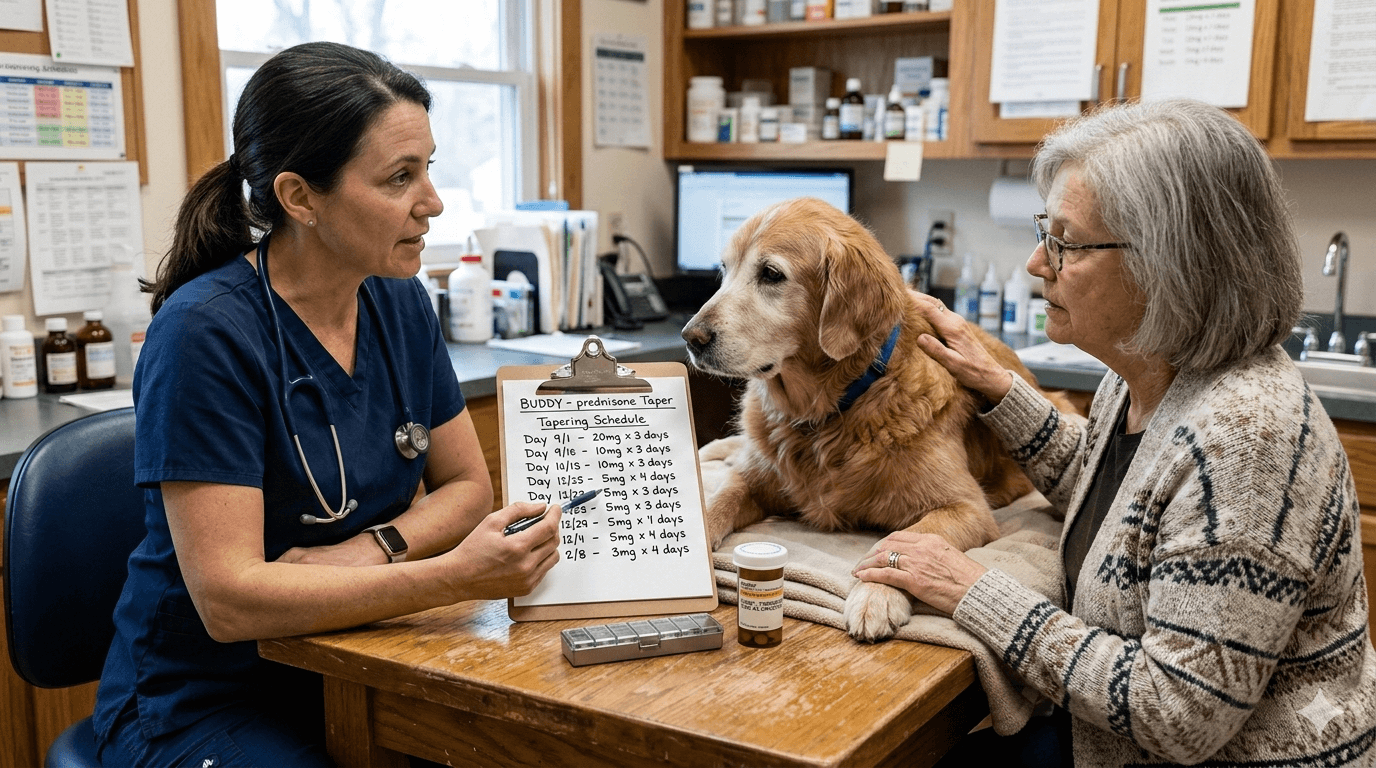
How to Taper Off Prednisone Schedule for Dogs: Best 7 Tips! – Learn the safe way to reduce prednisone, recognize withdrawal signs, and keep your dog healthy during the process.

Can a Cat Scratch Give You Rabies? Best 7 Expert Tips! – Learn how rabies spreads, assess risks from cat scratches, and know when to seek medical help. Stay safe!
Can a Dog Scratch Give You Rabies? Best 7 Expert Tips! – Learn the risks, symptoms, and steps to take if scratched by a dog. Stay informed and protect yourself from rabies exposure.