
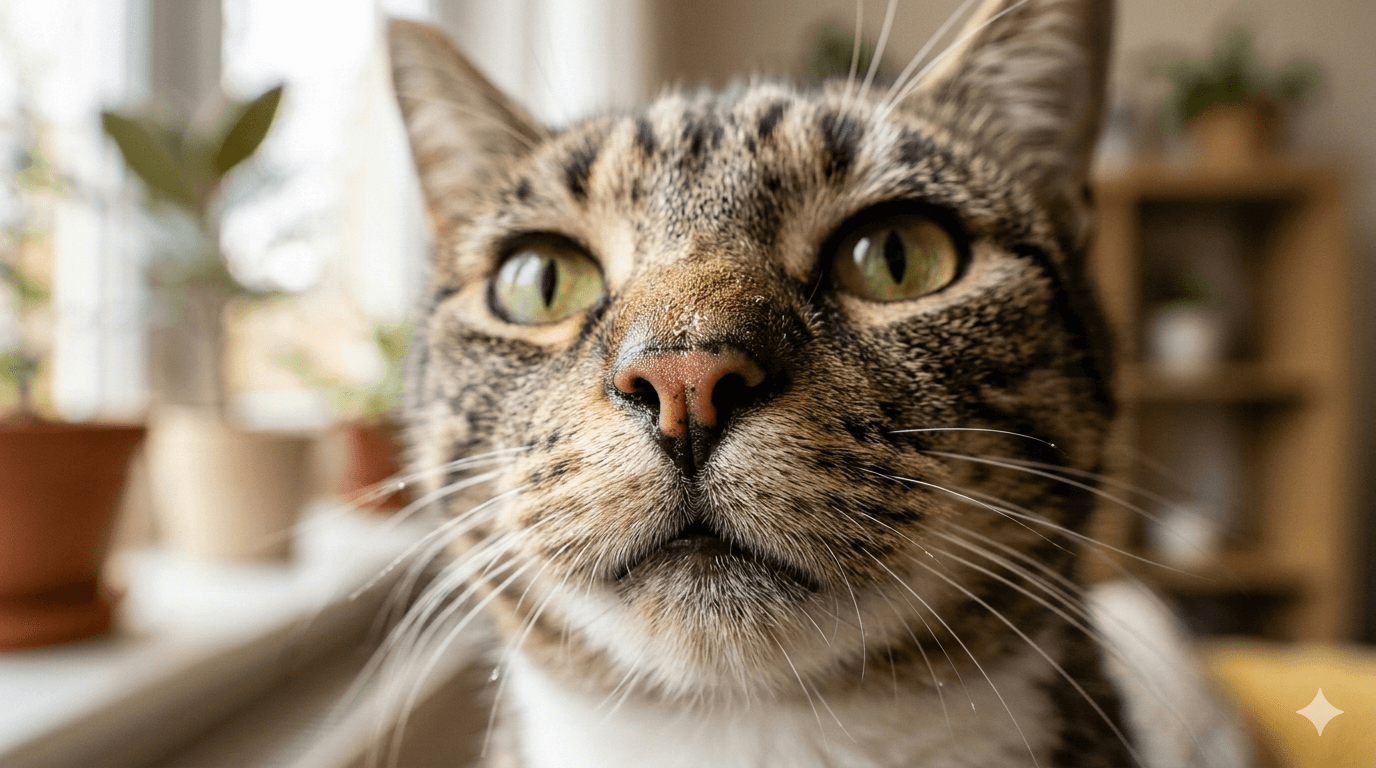
How Do Cat Noses Work?
How Do Cat Noses Work: The Anatomy of a Feline Nose
- Highly Developed Olfactory Receptors:
Cats possess up to 200 million olfactory receptors in their nasal cavity, compared to just 5 million in humans. This vast network enables them to detect even the faintest odors, such as prey hiding in tall grass or food left behind by another animal. Their heightened sense of smell plays a crucial role in hunting, navigation, and social interactions. - Jacobson’s Organ (Vomeronasal Organ):
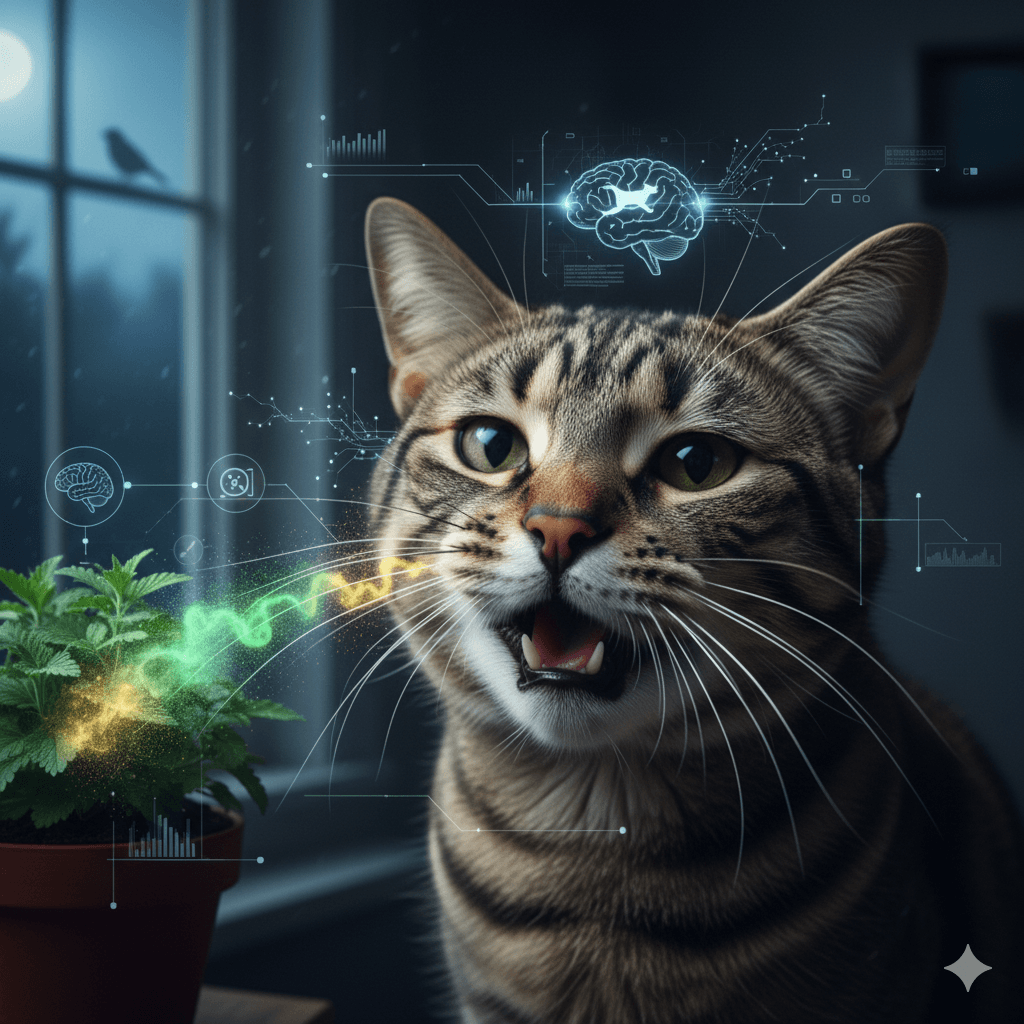
Located on the roof of a cat’s mouth, the Jacobson’s organ connects to the nasal cavity and is responsible for detecting pheromones. When a cat exhibits the Flehmen response—curling its lips back and opening its mouth slightly—it’s using this organ to analyze chemical signals. This ability helps cats identify potential mates, rivals, or territorial markers. - Moist Nasal Surface Enhances Smell Detection:
The moist surface of a cat’s nose traps scent molecules more effectively than a dry surface. This moisture also aids in dissolving odor particles, allowing the olfactory receptors to process them more efficiently. A wet nose isn’t just cute—it’s a functional adaptation that boosts their smelling power. - Nasal Turbinates Increase Surface Area:
Inside a cat’s nasal passages are bony structures called turbinates, which are covered in mucus membranes. These structures increase the surface area available for scent detection, ensuring that every breath provides maximum sensory input. The intricate design of the nasal cavity reflects how critical smell is to a cat’s daily life. - Temperature Regulation Through the Nose:
While not its primary function, a cat’s nose also plays a minor role in thermoregulation. The moist surface helps dissipate heat during warm weather, though panting remains the primary method of cooling down. A dry or overly warm nose can sometimes indicate fever or dehydration, warranting closer observation.
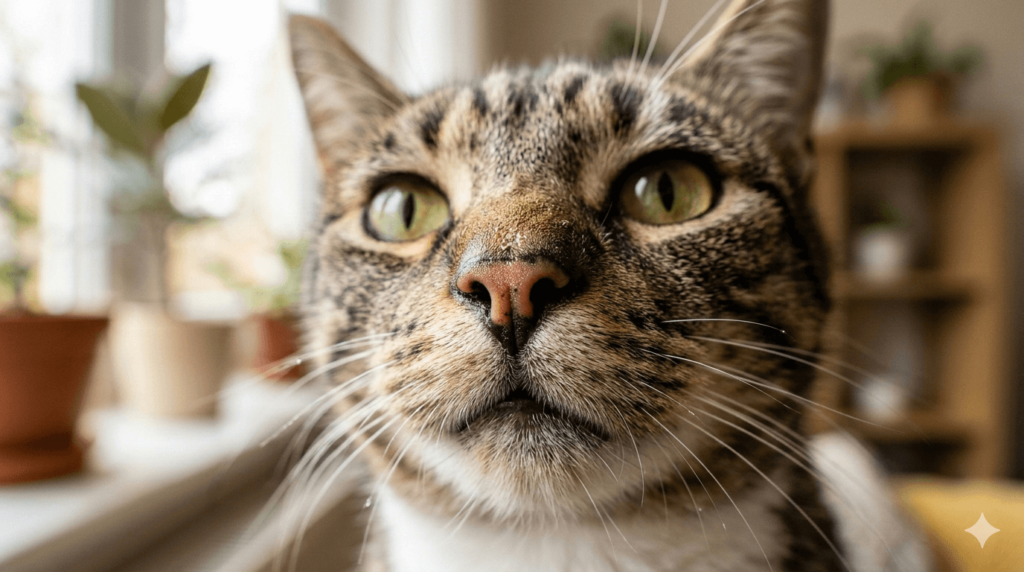
The Role of Smell in a Cat’s Daily Life
- Marking Territory with Scent Glands:
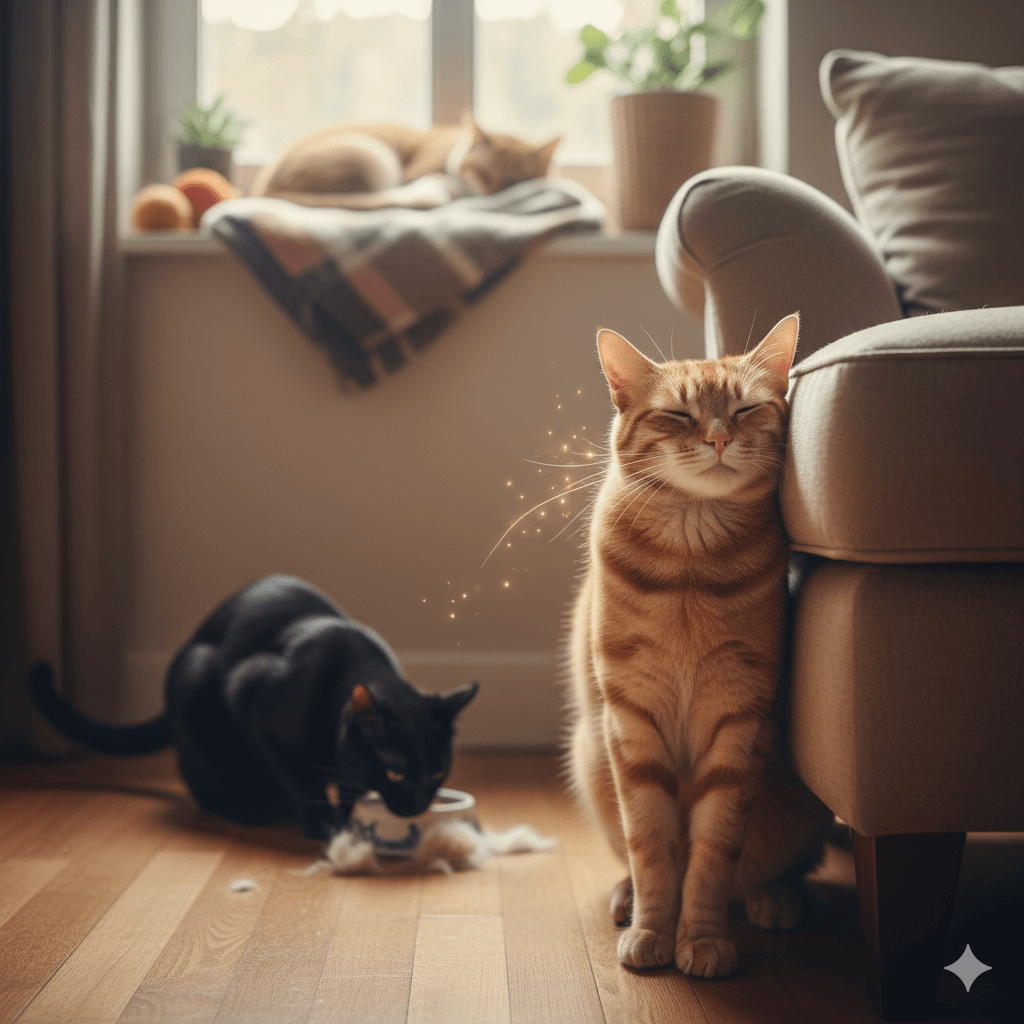
Cats have scent glands located on their cheeks, paws, and tail base, which they use to mark territory. Rubbing against objects leaves behind pheromones that signal ownership or familiarity. Other cats can interpret these scents, creating a shared understanding of boundaries and social hierarchies. - Identifying Safe Spaces and Resources:
Cats rely heavily on their noses to locate safe resting spots, water sources, and food. If something smells unfamiliar or threatening, they may avoid it entirely. This instinctual reliance on scent ensures they stay safe in unpredictable environments. - Social Bonding Through Mutual Grooming:
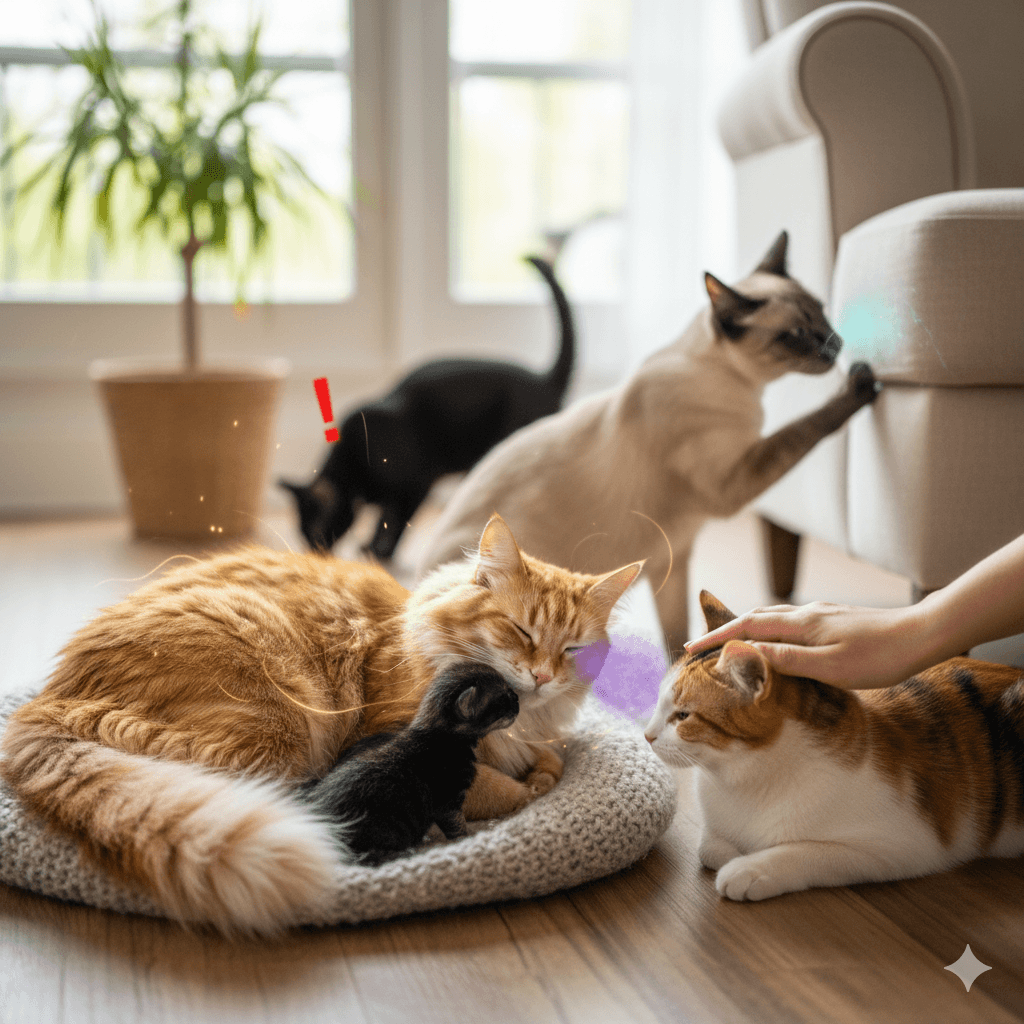
When cats groom each other, they exchange scents, reinforcing bonds within a group. This mutual scent-sharing creates a communal “family smell,” helping cats recognize allies and distinguish outsiders. It’s a subtle yet powerful form of feline communication. - Detecting Danger or Prey:
In the wild, a keen sense of smell allows cats to track prey over long distances or identify predators lurking nearby. Even domesticated cats retain this skill, often reacting to unusual odors with curiosity or caution. Their noses act as an early warning system for potential threats. - Emotional Comfort from Familiar Scents:
Cats find comfort in familiar smells, whether it’s the scent of their owner, bedding, or favorite toys. Changes in household odors—such as new furniture or cleaning products—can stress them out. Maintaining consistent scents in their environment promotes emotional stability.
Check this guide 👉Should Cat Noses Be Wet? Best 7 Expert Tips!
Check this guide 👉Black Spots on Cat Nose: Best 7 Expert Tips!
Check this guide 👉Understanding Cat Nose Fungus: Best 7 Health Tips!
Amazing Facts About Cat Noses | Practical Tips for Cat Owners |
|---|---|
Cats have up to 200 million olfactory receptors in their nasal cavity. | Keep your home free of strong chemical smells that might overwhelm your cat. |
The Jacobson’s organ helps cats detect pheromones and subtle chemical signals. | Provide scratching posts or pads for scent marking to satisfy territorial instincts. |
Cats can distinguish between thousands of scents, far beyond human capability. | Clean your cat’s nose gently if you notice dirt or discharge buildup. |
A cat’s moist nose enhances its ability to trap and process scent molecules. | Monitor changes in nose texture or moisture levels as potential health indicators. |
Cats use their noses to track time by detecting the decay of scent trails. | Avoid using scented cleaning products near your cat’s feeding or sleeping areas. |
How Cats Use Smell to Communicate
- Reading Pheromonal Signals:
Pheromones are chemical messengers secreted by cats to convey specific information. For example, facial pheromones signal friendliness, while urine marking conveys dominance or territorial claims. By interpreting these signals, cats establish and maintain social order without physical conflict. - Mother-Kitten Bonding Through Scent:
Newborn kittens rely entirely on their mother’s scent to locate her for warmth, nourishment, and protection. Mothers also recognize their kittens by smell, fostering a strong familial bond. This early reliance on scent lays the foundation for lifelong behavioral patterns. - Avoiding Conflict via Scent Cues:
Before engaging in physical confrontation, cats often assess each other’s scent profiles to determine intent. If one cat detects submissive or non-threatening pheromones, they may choose to avoid conflict altogether. This non-verbal communication reduces unnecessary aggression. - Interpreting Human Scents:
Cats also pay close attention to human scents, associating certain smells with positive experiences like feeding or petting. Conversely, unfamiliar or harsh scents—like perfumes or cleaning agents—can make them uneasy. Being mindful of our own scent impact strengthens the human-cat relationship. - Using Scent to Navigate Space:
Cats leave invisible scent trails wherever they go, helping them retrace their steps or locate important areas like litter boxes or sleeping spots. This internal mapping system ensures they never feel lost in familiar surroundings.
The Science Behind a Cat’s Sense of Smell
- Superior Neural Processing of Odors:
Once scent molecules reach the olfactory receptors, they’re transmitted to the brain’s olfactory bulb for processing. In cats, this region is significantly larger relative to their body size compared to humans, enhancing their ability to differentiate between thousands of smells. - Integration with Memory Centers:
The olfactory bulb connects directly to parts of the brain associated with memory and emotion, explaining why certain scents evoke strong reactions. For instance, a whiff of catnip might trigger playful behavior due to its association with pleasure. - Adaptation to Nocturnal Hunting:
As nocturnal hunters, cats evolved an acute sense of smell to compensate for limited visibility at night. This adaptation allows them to locate prey or navigate dark spaces confidently, relying less on sight and more on scent. - Cross-Modal Sensory Integration:
Cats integrate smell with other senses like hearing and touch to form a complete picture of their surroundings. For example, hearing rustling leaves combined with the scent of a bird sharpens their focus and increases hunting success. - Evolutionary Advantages Over Humans:
Unlike humans, who prioritize vision, cats rely heavily on smell for survival. This evolutionary shift has made their nasal anatomy highly specialized, giving them an edge in detecting subtle environmental changes.
How Cats Distinguish Between Different Scents
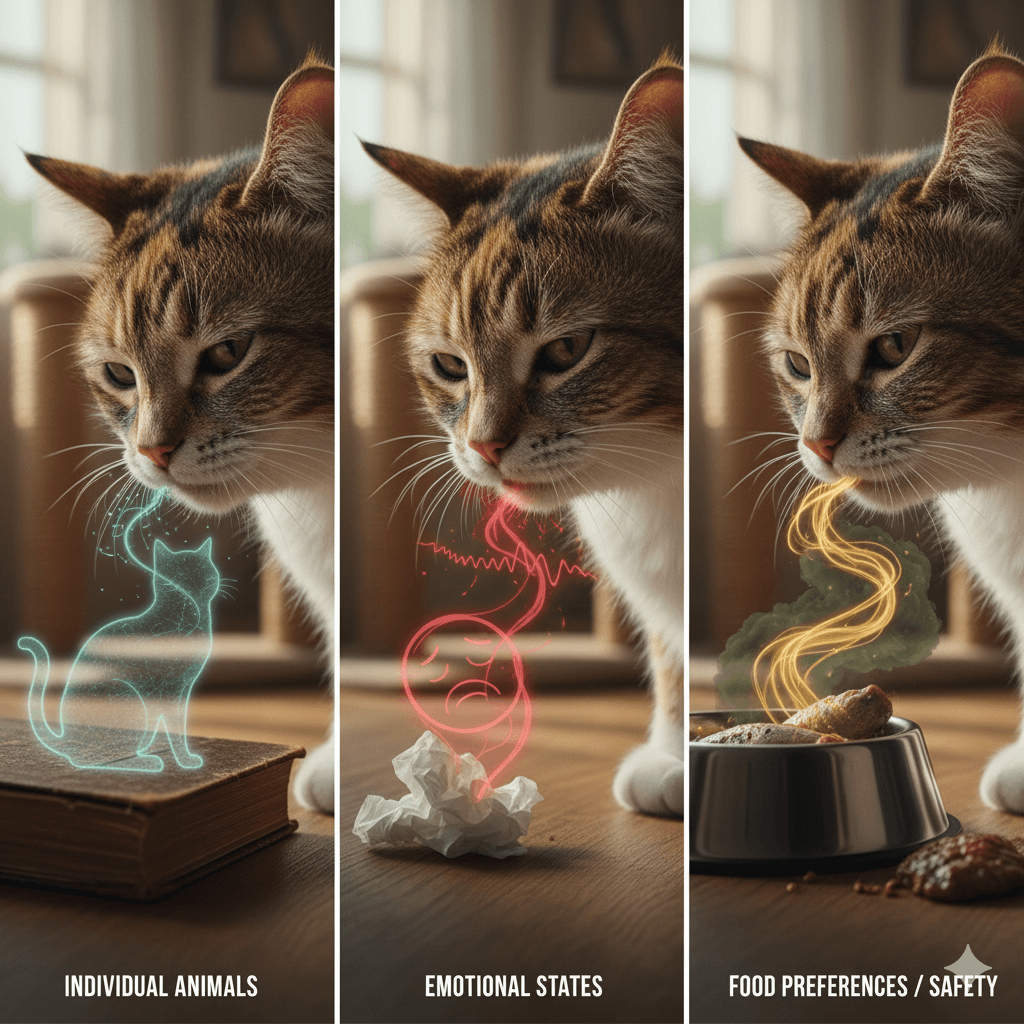
- Differentiating Between Individual Animals:
Each animal emits a unique scent profile based on diet, health, and genetics. Cats can identify individuals—even humans—with incredible accuracy, recognizing friends, foes, and strangers alike. - Detecting Emotional States Through Smell:
Stress, fear, or illness alters an individual’s scent profile, providing clues about their emotional state. Cats are adept at picking up on these changes, adjusting their behavior accordingly. For example, a sick cat may isolate itself, signaling vulnerability through altered pheromones. - Recognizing Food Preferences:
Cats develop distinct preferences for certain foods based on smell. They can tell the difference between fresh meat and spoiled leftovers, ensuring they consume only safe, nutritious options. This discernment protects them from ingesting harmful substances. - Tracking Time Through Scent Decay:
As scents fade over time, cats use this decay to estimate when events occurred. For instance, if a rival cat marked a tree hours earlier, the fading scent indicates how recently the competitor was present. This temporal awareness aids in decision-making. - Learning New Scents Quickly:
Cats adapt rapidly to new smells, incorporating them into their mental map of the world. Whether it’s a new piece of furniture or a visiting neighbor, they quickly learn what belongs and what doesn’t. This adaptability keeps them alert and informed.
The Importance of a Healthy Nose for Cats
- Impact of Respiratory Infections:
Upper respiratory infections can block nasal passages, impairing a cat’s ability to smell. Without proper treatment, this loss of smell can lead to decreased appetite and weight loss, as cats rely on scent to stimulate hunger. - Signs of Nasal Irritation or Allergies:
Sneezing, nasal discharge, or excessive licking around the nose may indicate irritation or allergies. Common culprits include dust, pollen, or household chemicals. Addressing these issues promptly prevents further complications. - Role of Hydration in Nasal Health:
Proper hydration keeps nasal tissues moist, supporting optimal scent detection. Dehydrated cats may experience reduced smelling ability, affecting their ability to interact with their environment effectively. - Preventing Trauma to the Nose:
Cats’ noses are delicate and prone to injury from rough play or accidents. Any cuts, scrapes, or swelling should be examined by a vet to rule out infection or structural damage. - Monitoring Changes in Nose Appearance:
A sudden change in nose color, texture, or moisture levels could signal underlying health problems. For example, a persistently dry nose might indicate fever or dehydration, while lesions could point to skin conditions or tumors.
Fun Facts About Cat Noses
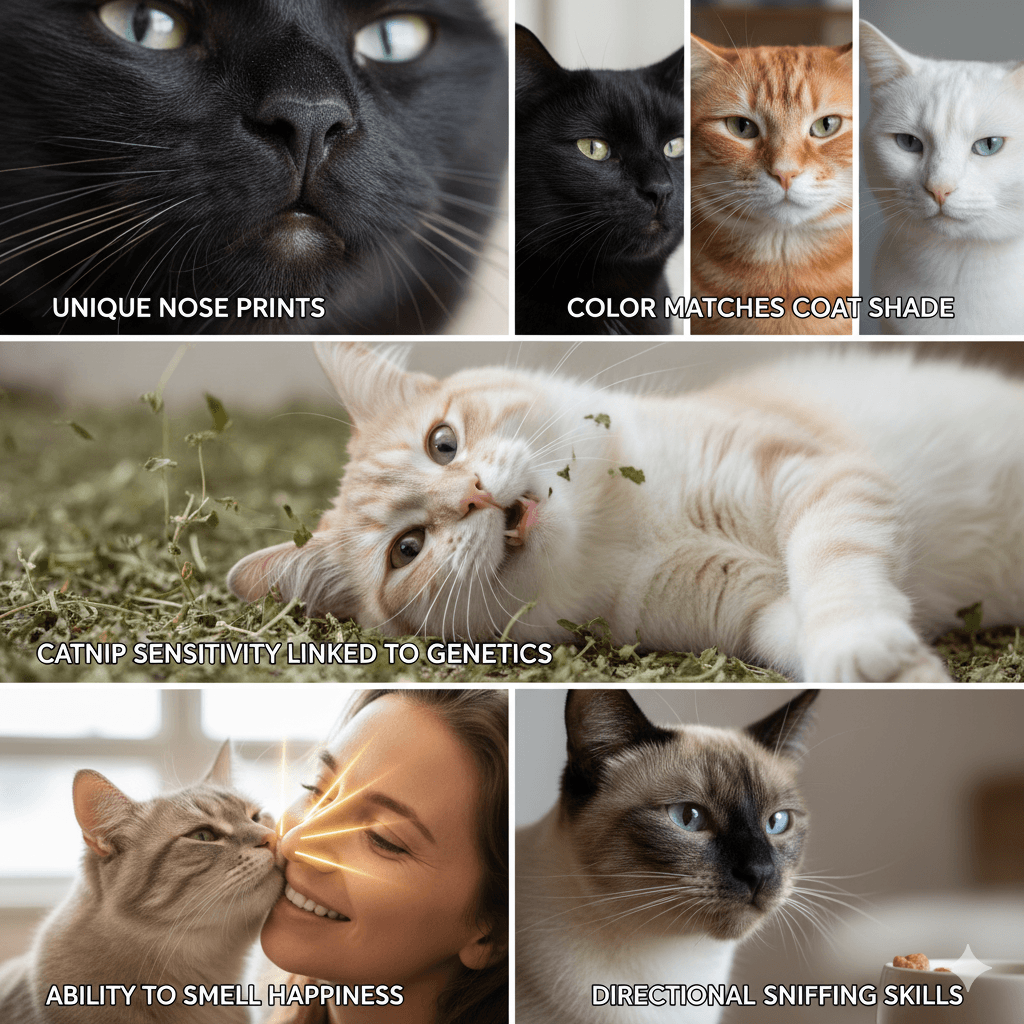
- Unique Nose Prints:
Just like human fingerprints, every cat’s nose print is unique. Some shelters have even experimented with using nose prints as a form of identification. This quirk adds to the mystique of these enigmatic creatures. - Color Matches Coat Shade:
A cat’s nose leather typically matches the color of its coat. For example, black cats often have charcoal-colored noses, while orange tabbies sport pinkish-brown ones. This coordination adds to their aesthetic appeal. - Catnip Sensitivity Linked to Genetics:
Not all cats react to catnip—a trait determined by genetics. Those who do experience euphoria due to nepetalactone, a compound detected through their highly sensitive noses. Watching their antics is endlessly entertaining. - Ability to Smell Happiness:
Research suggests that cats can detect hormones like oxytocin, often referred to as the “happy hormone.” When their owners are content, cats may pick up on these scents, strengthening the bond between pet and person. - Directional Sniffing Skills:
Cats can pinpoint the direction of a smell by comparing the intensity of odors entering each nostril. This directional sniffing helps them locate hidden treats or follow scent trails with precision.
“In essence, the cat nose functions as a highly efficient and dual-purposed gas chromatograph – a tool that, in the laboratory, detects and separates chemicals in vaporized form.”
— Kai Zhao, PhD
Frequently Asked Questions About How Cat Noses Work
How sensitive is a cat’s sense of smell compared to humans?
A cat’s sense of smell is about 14 times stronger than a human’s, thanks to their 200 million olfactory receptors versus our mere 5 million.
Why does my cat sniff everything so intensely?
Cats rely heavily on their noses to gather information about their environment, including food, territory, and other animals. Every sniff provides them with valuable data.
What is the Flehmen response in cats?
The Flehmen response occurs when a cat curls its lips back and opens its mouth slightly to analyze scents using the Jacobson’s organ. It’s often triggered by pheromones or unusual odors.
Can a cat’s nose indicate its health?
Yes, a dry or overly warm nose can sometimes signal fever or dehydration, while a consistently runny nose may indicate respiratory issues. Always consult a vet if you notice abnormalities.
Do cats use their noses to communicate?
Absolutely! Cats use scent marking and pheromones to send messages to other cats, establishing territory, signaling friendliness, or warning rivals.
A Tiny Organ with a Big Impact

Is Rawhide Bad for Cats? Best 7 Expert Tips! – Discover the risks, safe alternatives, and expert advice to keep your feline friend healthy and happy.

Is Rawhide Bad for Dogs? Best 7 Expert Tips! – Discover the risks, benefits, and safer alternatives to rawhides for your dog’s chewing needs.

Understanding Anorexia in Cats: Best 7 Expert Tips! – Learn why cats stop eating, spot warning signs, and discover how to help your feline regain appetite safely.

Understanding Anorexia in Dogs: Best 7 Expert Tips! – Learn causes, symptoms, and solutions to help your dog regain appetite and stay healthy.