
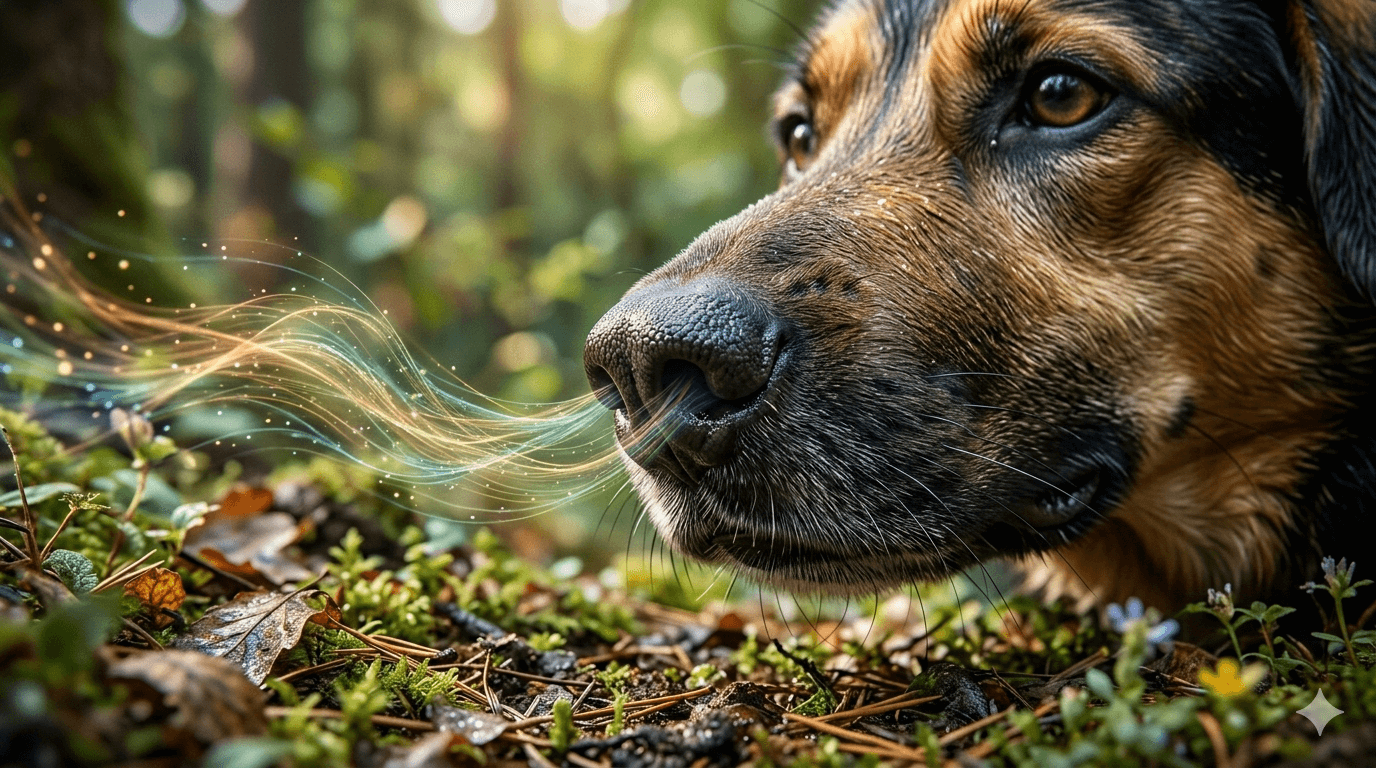
How Do Dog Noses Work: Unlocking the Secrets of Canine Scent Detection
How Do Dog Noses Work: The Science Behind Their Superpower
- Olfactory Receptors in Dogs:
Dogs possess up to 300 million olfactory receptors in their noses, compared to just 5-6 million in humans, allowing them to detect even the faintest odors. These receptors are located in the nasal cavity and are responsible for capturing scent molecules. - The Role of the Vomeronasal Organ:
Also known as Jacobson’s organ, this specialized structure helps dogs detect pheromones and other chemical signals, enhancing their ability to interpret social and environmental cues. It works independently of the main olfactory system, adding another layer to their scent-detection capabilities. - Scent Discrimination Abilities:
Dogs can distinguish between individual scents within a complex mixture, such as identifying specific ingredients in a dish or tracking a single person’s trail in a crowded area. This skill is why they excel in roles like search-and-rescue, bomb detection, and medical alert work. - How Dogs Process Smells:
When a dog inhales, air splits into two streams—one for breathing and one for scent analysis. The olfactory bulb in their brain processes these scents, which occupies a much larger proportion of their brain compared to humans, making them exceptionally adept at interpreting smells. - Environmental Adaptations:
Dogs’ noses are also adapted to their surroundings; for example, breeds like Bloodhounds have loose skin around the face to trap more scent particles, while short-nosed breeds rely on different adaptations to compensate for reduced airflow.
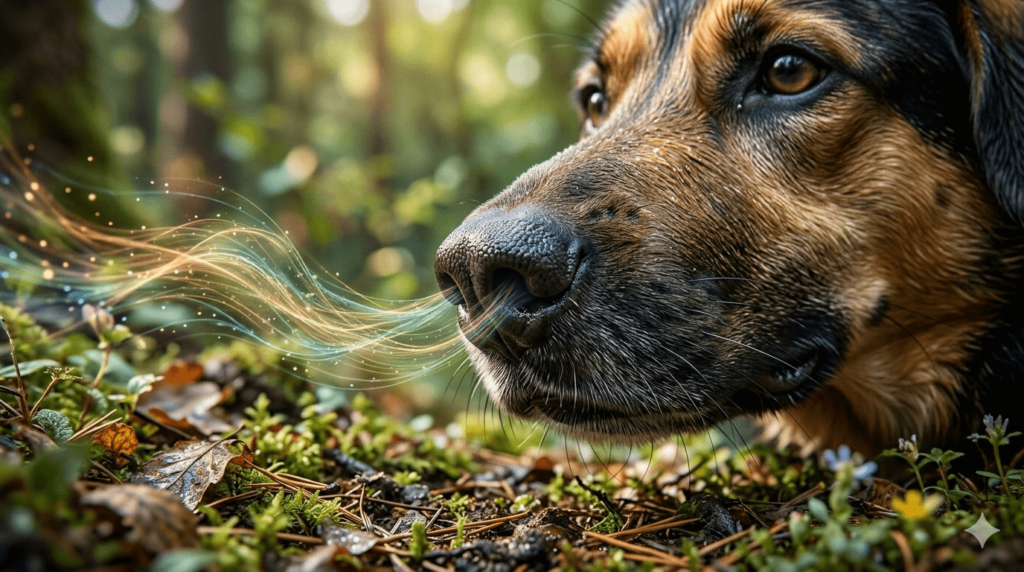
The Anatomy of a Dog’s Nose: Built for Superior Detection
- Wet Nose Functionality:
The moist surface of a dog’s nose helps trap scent molecules, improving their ability to detect odors. This wetness also aids in temperature regulation, keeping the dog cool during physical activity. - Turbinates and Airflow Patterns:
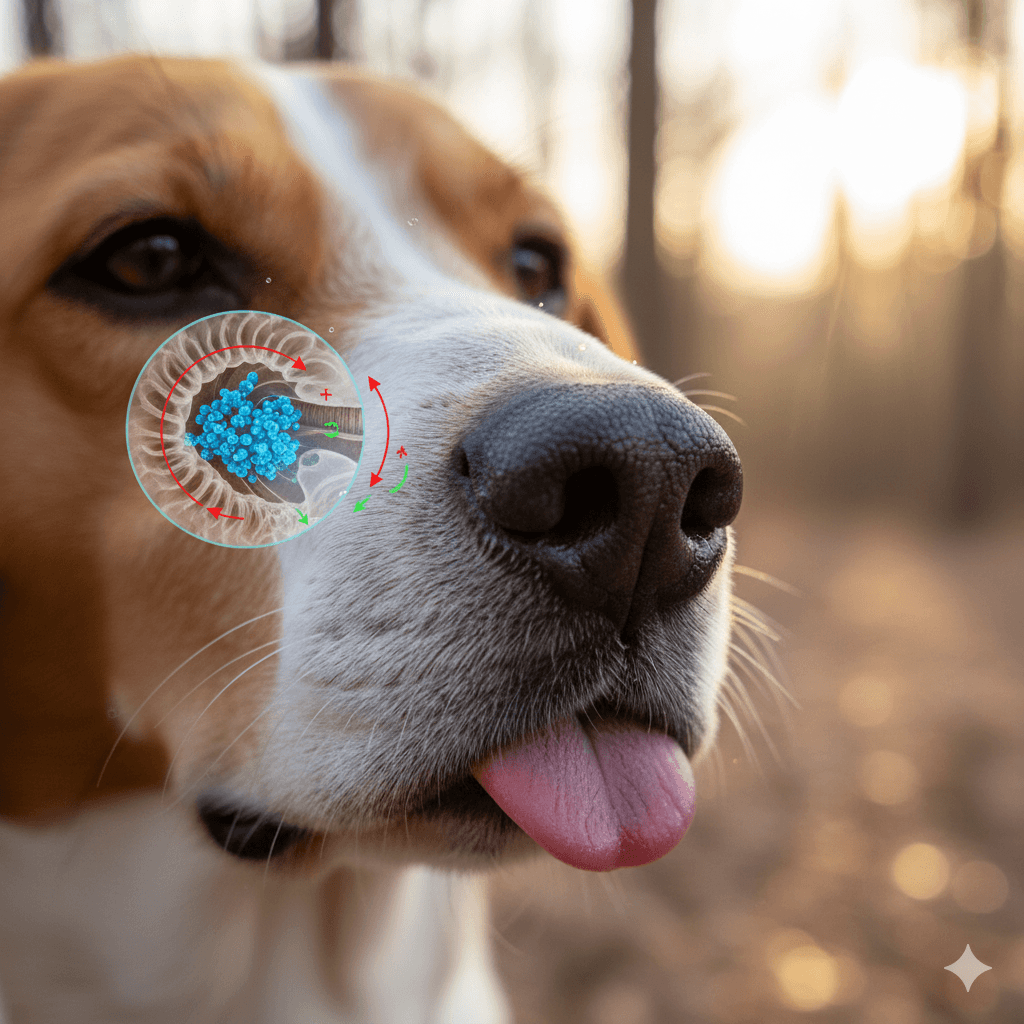
Inside the nasal cavity, bony structures called turbinates increase the surface area for scent receptors. These structures guide airflow in a way that maximizes contact with olfactory cells, ensuring no scent goes unnoticed. - Directional Sniffing Techniques:
Dogs can move each nostril independently, allowing them to pinpoint the direction of a scent’s origin. This directional sniffing is crucial for tasks like tracking prey or locating missing persons. - Slit Nostrils for Continuous Smelling:
Unlike humans, dogs exhale through slits in their nostrils, creating a swirl effect that pulls new scents into their noses without interrupting the flow of incoming odors. This adaptation enables continuous scent detection. - Mucus Production and Scent Trapping:
The mucus lining inside a dog’s nose traps scent particles, which are then analyzed by olfactory receptors. Some dogs produce so much mucus that they may lick their noses to clean them, further enhancing their ability to process smells.
Check this guide 👉 Is Dog Nose Supposed to Be Wet: Best 7 Expert Tips!
Check this guide 👉 Dog Nose Sunburn Treatment: Best 7 Expert Tips!
Check this guide 👉 Dog Nose Fungus: Best 7 Expert Tips!
How Dog Noses Work | Fun Facts About Dog Noses |
|---|---|
Dogs inhale and exhale separately to maximize scent detection | A dog’s nose print is as unique as a human fingerprint |
They have up to 300 million olfactory receptors (humans have 5-6 million) | Dogs can detect time changes through scent intensity |
The vomeronasal organ helps process pheromones and social cues | Some dogs can track scents over 12 miles away |
Their wet noses help trap scent particles for better analysis | Dogs can smell emotions like fear or happiness |
Directional sniffing allows them to locate the source of a scent | Breeds like Bloodhounds were bred specifically for scent work |
How Dogs Use Their Sense of Smell in Daily Life
- Social Communication Through Scents:
Dogs use scent marking to leave messages for other animals, conveying information about identity, health, and reproductive status. Urine, feces, and glandular secretions all serve as forms of olfactory communication. - Emotional Bonding via Scent:
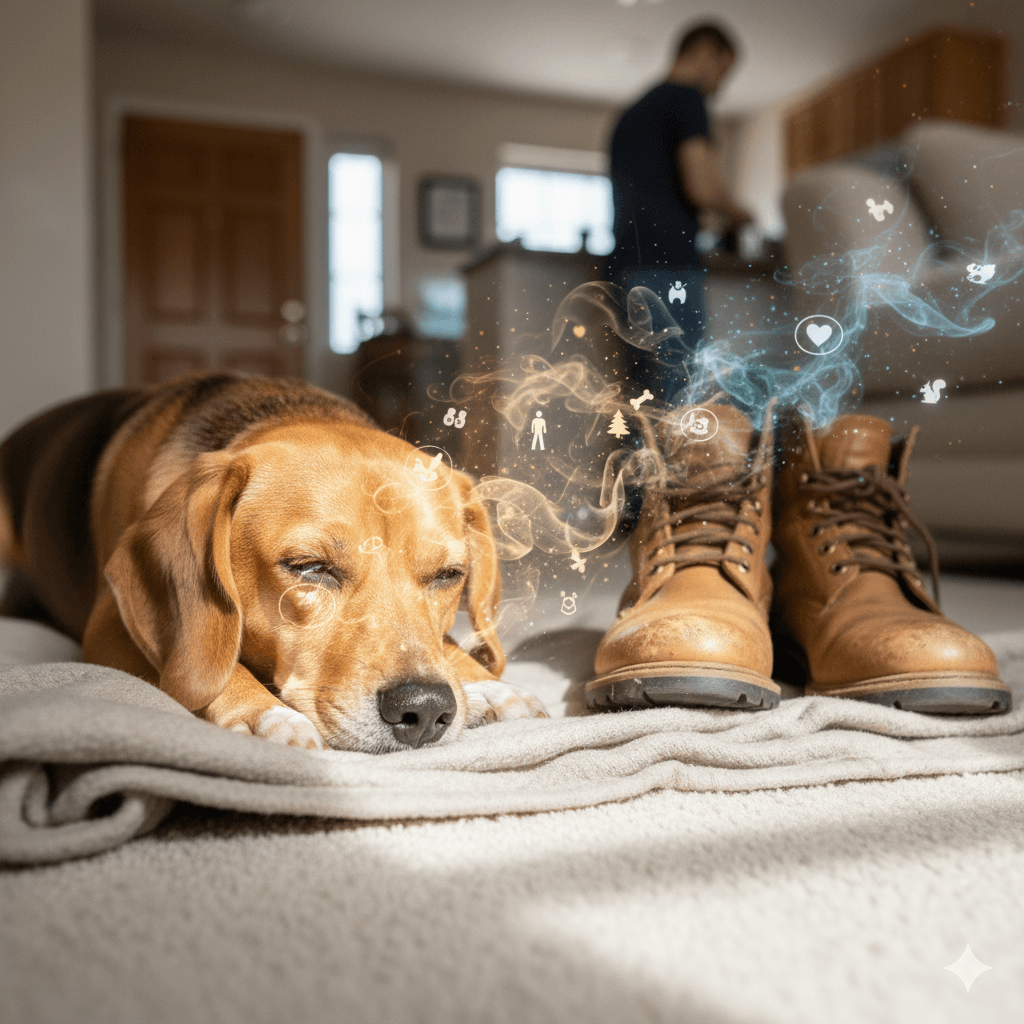
Dogs recognize their owners by scent alone, forming strong emotional attachments based on familiar odors. This bond explains why your dog greets you enthusiastically even before seeing you. - Tracking and Hunting Instincts:
Many breeds retain their ancestral instincts to track prey using scent trails. Even domesticated dogs exhibit this behavior when following a rabbit’s path or sniffing out hidden treats. - Medical Detection Abilities:
Some dogs are trained to detect diseases like cancer, diabetes, or seizures by recognizing subtle changes in human body odor. Their accuracy rivals medical tests in some cases, showcasing their incredible sensitivity. - Environmental Exploration:
Every walk becomes an adventure as dogs sniff grass, trees, and lampposts to gather information about who or what has passed through the area recently. This exploration satisfies their curiosity and enriches their mental well-being.
Training Dogs to Harness Their Sense of Smell
- Positive Reinforcement Techniques:
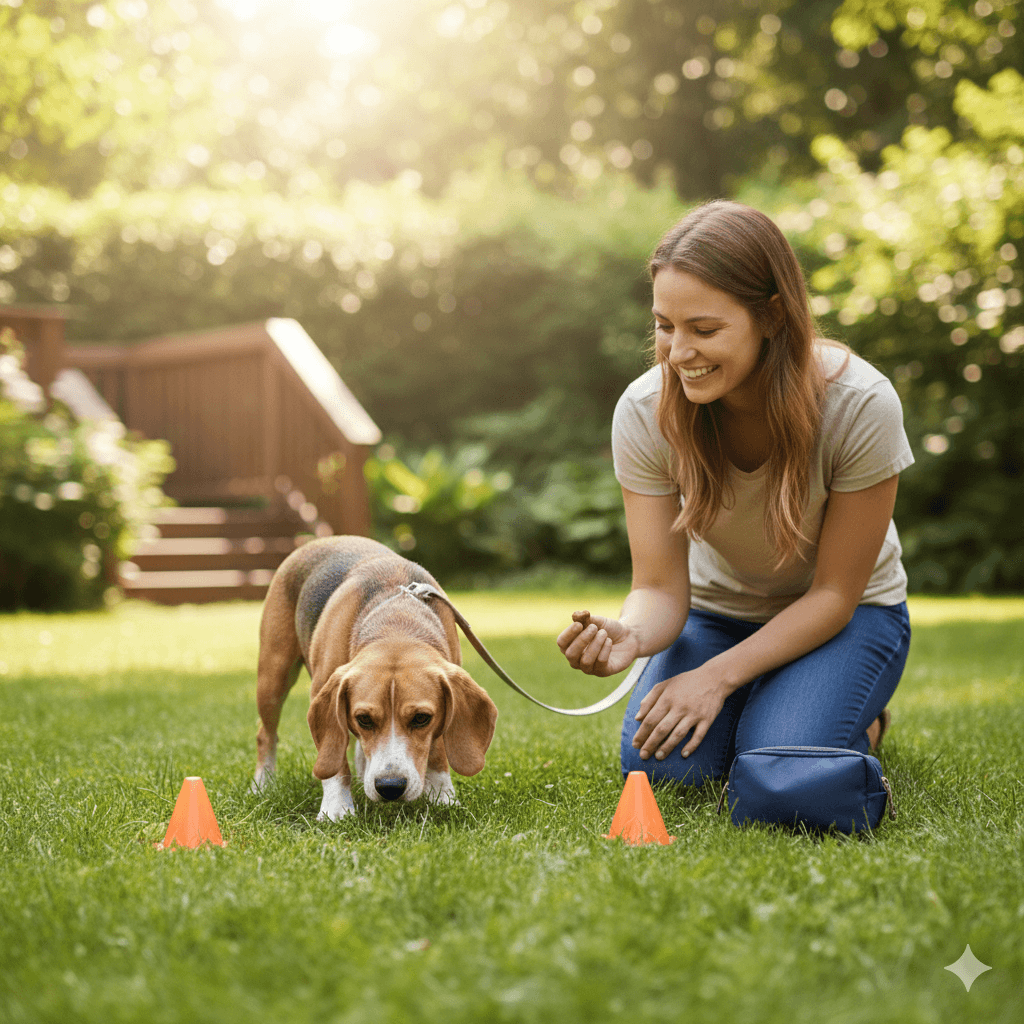
Reward-based methods, such as treats or toys, motivate dogs to focus on scent-related tasks. Praise and encouragement reinforce desired behaviors, building confidence over time. - Gradual Skill Development:
Start with simple exercises, like finding hidden treats, then progress to more complex challenges, such as identifying specific scents or following long trails. Incremental learning ensures success. - Specialized Roles for Scent Work:
Trained dogs serve in various fields, including search-and-rescue, narcotics detection, and pest control. Each role requires tailored training to meet specific objectives and standards. - Mental Stimulation Benefits:
Scent games provide excellent mental exercise, reducing boredom and destructive behaviors. Engaging their noses keeps dogs mentally sharp and physically active. - Adapting Training to Individual Needs:
Different breeds and personalities respond differently to training styles. Customizing approaches ensures each dog reaches its full potential while enjoying the process.
The Role of Genetics in a Dog’s Sense of Smell
- Breed-Specific Olfactory Strengths:
Hounds, Retrievers, and Shepherds are renowned for their exceptional scenting abilities, thanks to centuries of selective breeding for hunting, herding, or working roles. - Impact of Muzzle Length:
Long-nosed breeds typically have more olfactory receptors due to increased nasal cavity space, giving them an edge in scent detection compared to brachycephalic (short-nosed) breeds. - Hereditary Health Conditions:
Certain genetic disorders, such as nasal tumors or respiratory issues, can impair a dog’s sense of smell. Responsible breeding practices aim to minimize these risks. - Evolutionary Advantages:
Wild ancestors relied on their noses for survival, passing down traits that modern dogs still benefit from today. Domestication has refined but not diminished these abilities. - Behavioral Traits Linked to Genetics:
Some dogs inherit a stronger drive to sniff and explore, reflecting their lineage’s historical purpose. For example, Terriers may dig to investigate underground scents.

Common Misconceptions About Dog Noses
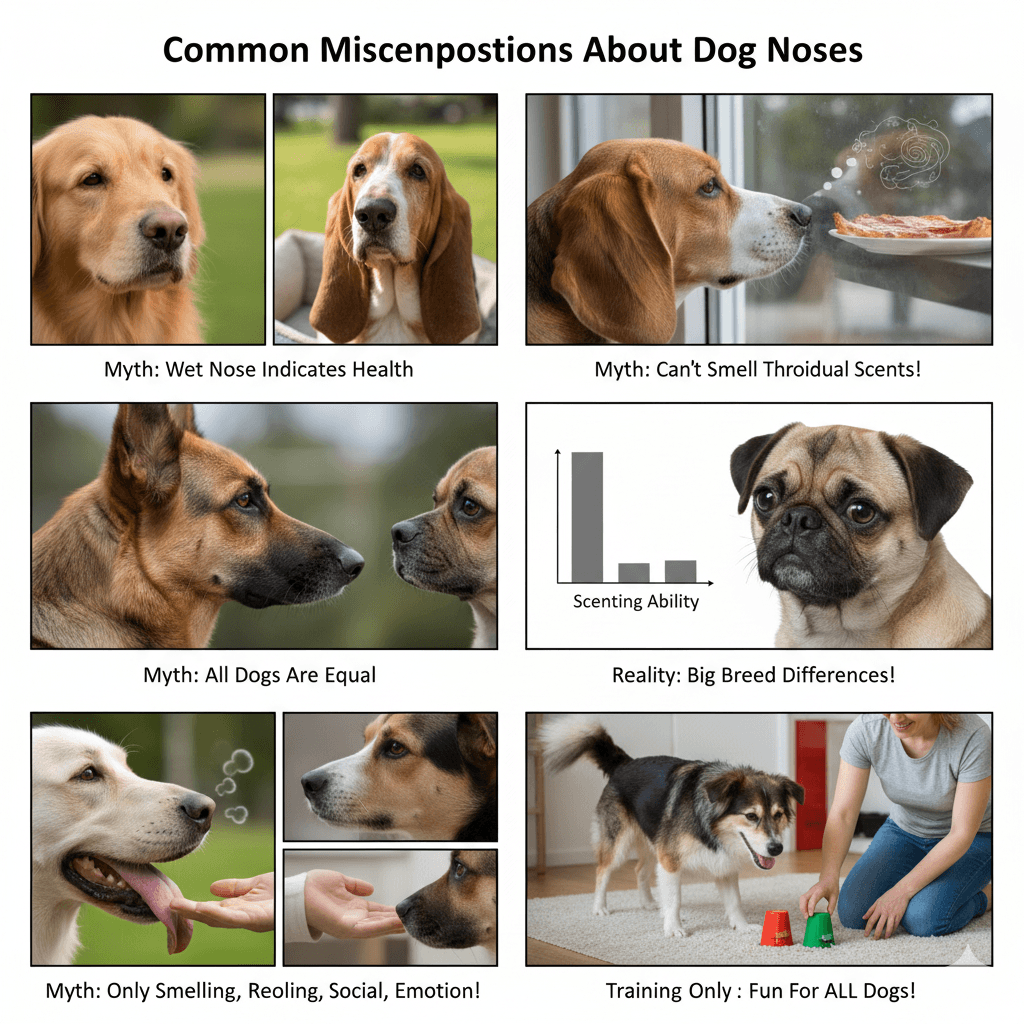
- Myth: A Wet Nose Indicates Health:
While a moist nose helps trap scents, dryness doesn’t necessarily signal illness. Factors like weather, hydration, and activity level influence nose moisture. - Myth: Dogs Can’t Smell Through Glass:
Although barriers like glass block direct access to scents, dogs can still detect residual odors left behind on surfaces. Their noses remain effective even under challenging conditions. - Myth: All Dogs Have Identical Scenting Abilities:
Breeds vary significantly in their olfactory strengths, with some excelling in specific tasks while others lag behind. Generalizations overlook these important distinctions. - Myth: Dogs Only Use Their Noses for Smelling:
Beyond detecting odors, dogs use their noses for cooling, communication, and even expressing emotions. Their multifunctional design reflects evolutionary ingenuity. - Myth: Scent Training Is Only for Working Dogs:
Any dog, regardless of breed or background, can enjoy and benefit from scent-based activities. These exercises enhance cognitive function and strengthen the human-animal bond.
Fun Facts About Dog Noses That Will Amaze You
- Unique Nose Prints:
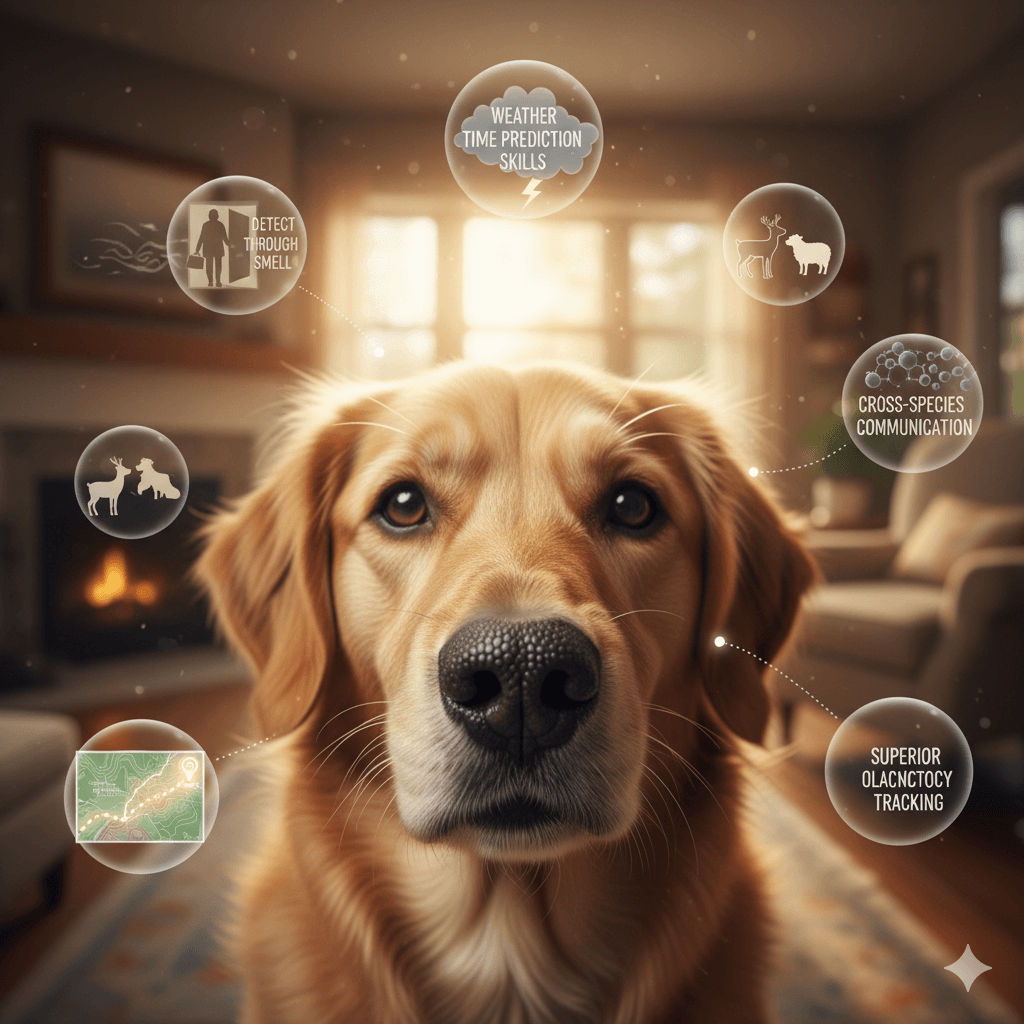
Just like human fingerprints, every dog’s nose print is distinct. Some organizations even use nose prints as a form of identification. - Ability to Detect Time Through Smell:
Dogs can perceive the passage of time by noticing changes in scent intensity. For instance, they might know when you’re due home based on fading traces of your scent. - Superior Weather Prediction Skills:
Sensitive noses allow dogs to detect approaching storms or changes in barometric pressure, often reacting hours before humans notice signs. - Cross-Species Communication via Scent:
Dogs can identify and interpret scents from other species, helping them coexist harmoniously with wildlife or livestock. - Incredible Long-Distance Tracking:
Some dogs can follow scent trails over miles, navigating complex terrains with remarkable accuracy. This talent has saved countless lives in search-and-rescue missions.
“The area of the canine brain devoted to analyzing odors is about 40 times larger than the comparable part of the human brain.”
– VCA Animal Hospitals
Frequently Asked Questions About How Dog Noses Work
How many smells can a dog detect?
Dogs can detect up to 100,000 times more scents than humans, with some estimates suggesting they can identify over 1 trillion unique odors.
Why do dogs sniff everything?
Sniffing is their primary way of gathering information about their environment, similar to how humans use sight. Every scent tells them a story about who or what was there.
Can dogs smell emotions like fear or sadness?
Yes, dogs can detect hormonal changes in humans, such as adrenaline spikes or cortisol levels, which indicate stress, fear, or sadness.
Do all dogs have the same sense of smell?
No, scenting ability varies by breed and individual. Hounds, Retrievers, and Shepherds typically excel, while short-nosed breeds like Pugs have reduced capabilities.
How far away can dogs smell things?
Some dogs can detect scents from miles away, especially if the wind carries the odor or it’s particularly strong, like food or pheromones.
A Marvel of Nature: The Incredible Dog Nose

Is Rawhide Bad for Cats? Best 7 Expert Tips! – Discover the risks, safe alternatives, and expert advice to keep your feline friend healthy and happy.

Is Rawhide Bad for Dogs? Best 7 Expert Tips! – Discover the risks, benefits, and safer alternatives to rawhides for your dog’s chewing needs.

Understanding Anorexia in Cats: Best 7 Expert Tips! – Learn why cats stop eating, spot warning signs, and discover how to help your feline regain appetite safely.

Understanding Anorexia in Dogs: Best 7 Expert Tips! – Learn causes, symptoms, and solutions to help your dog regain appetite and stay healthy.