
Do Cats Have Taste Buds? Exploring Feline Flavor Perception
How Cats’ Taste Buds Compare to Humans and Other Animals
- Fewer Taste Buds Than Humans:
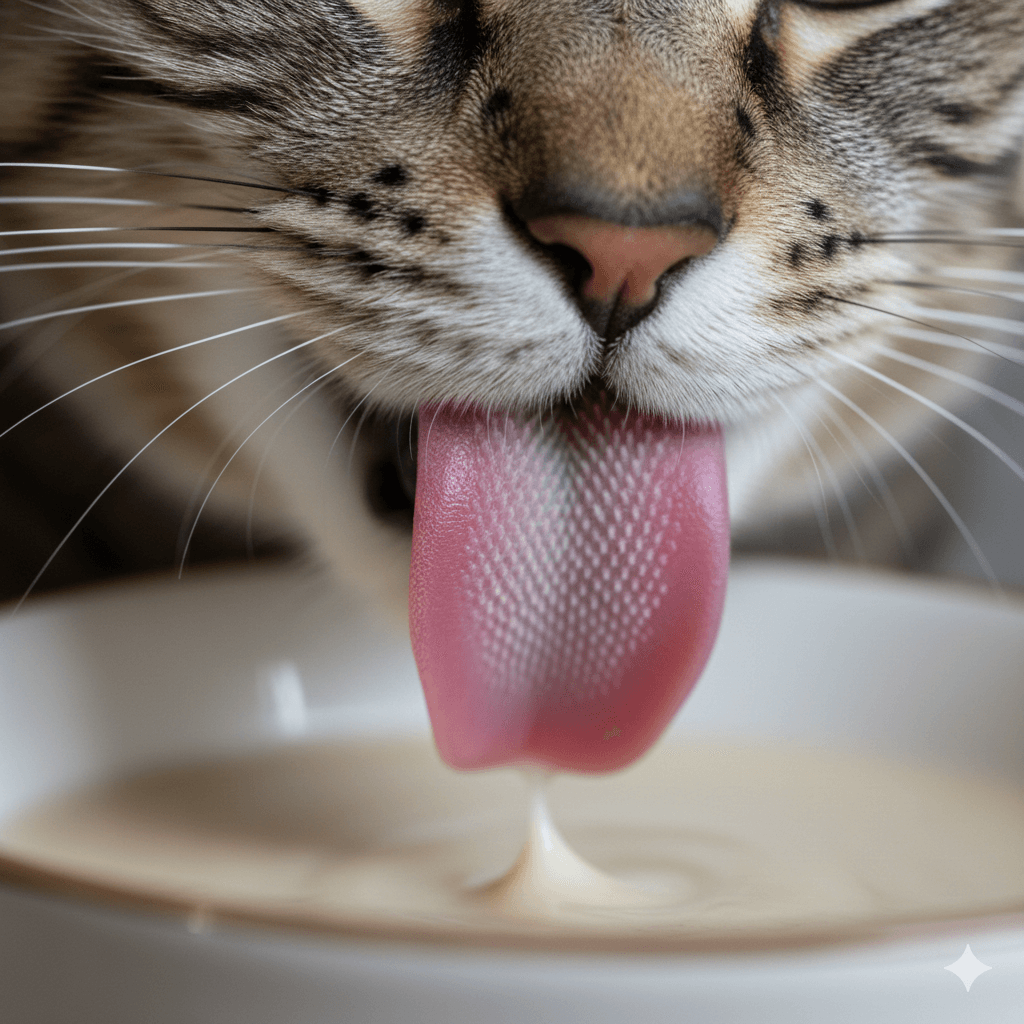
Humans boast around 9,000 taste buds, while cats have only about 470—a stark contrast that explains their limited flavor perception. Despite this, their taste buds are highly specialized for detecting certain flavors critical to their survival. - Specialized for Meat-Based Diets:
Cats are obligate carnivores, meaning their taste buds are optimized for identifying proteins and fats rather than sugars or carbohydrates. This adaptation ensures they prioritize nutrient-dense prey over less essential foods. - Unique Receptor Differences:
Unlike humans, cats lack specific receptors for sweetness due to evolutionary adaptations tied to their meat-centric diet. However, they excel at detecting amino acids like glutamate, which signal protein-rich sources. - Impact on Food Preferences:
The absence of sweet receptors means cats show little interest in sugary treats, unlike dogs who often crave such flavors. Their preferences lean heavily toward savory, umami-like tastes found in meats. - Evolutionary Trade-Offs:
While cats sacrifice diversity in flavor detection, their heightened sensitivity to textures and smells compensates for fewer taste buds, creating a holistic eating experience.
The Role of Smell in Feline Flavor Perception
- Superior Olfactory Abilities:
Cats rely heavily on their sense of smell, which is far superior to humans’, to evaluate food before consuming it. Aroma influences whether they find a dish appealing or unpalatable. - Interaction Between Smell and Taste:
When a cat sniffs food, volatile compounds travel through the nasal cavity, merging with signals from taste buds to form a cohesive “flavor profile.” Without strong scents, even tasty food may go uneaten. - Temperature Sensitivity:
Warm food releases more aroma molecules, explaining why cats prefer slightly heated meals over cold ones. Room-temperature kibble or canned food tends to attract them more effectively. - Behavioral Implications:
If a cat loses its sense of smell due to illness or age, appetite often declines because the connection between scent and flavor breaks down, leading to potential nutritional deficits. - Enhancing Meal Appeal:
Pet owners can boost mealtime interest by incorporating aromatic ingredients like fish oil or warming wet food slightly to release enticing odors.
Check this guide 👉Can Cats Taste Sweet? Best 7 Expert Tips!
Check this guide 👉Can Cats Eat Chives? Best 7 Expert Tips!
Check this guide 👉Can Cats Eat Banana Peel? Best 7 Expert Tips!
Key Facts About Cat Taste Buds | Practical Tips for Cat Owners |
|---|---|
Cats have around 470 taste buds, far fewer than humans | Choose high-quality, protein-rich foods to satisfy feline preferences |
They cannot taste sweetness due to a genetic mutation | Avoid sugary or carb-heavy treats, as they hold no appeal for cats |
Umami flavors are highly attractive to cats | Incorporate savory ingredients like chicken broth or fish oil for added appeal |
Smell plays a critical role in flavor perception | Warm food slightly to enhance aroma and entice picky eaters |
Aging reduces taste sensitivity in senior cats | Offer softer, aromatic foods to encourage appetite in older cats |
Why Cats Can’t Taste Sweetness
- Genetic Mutation Behind the Trait:
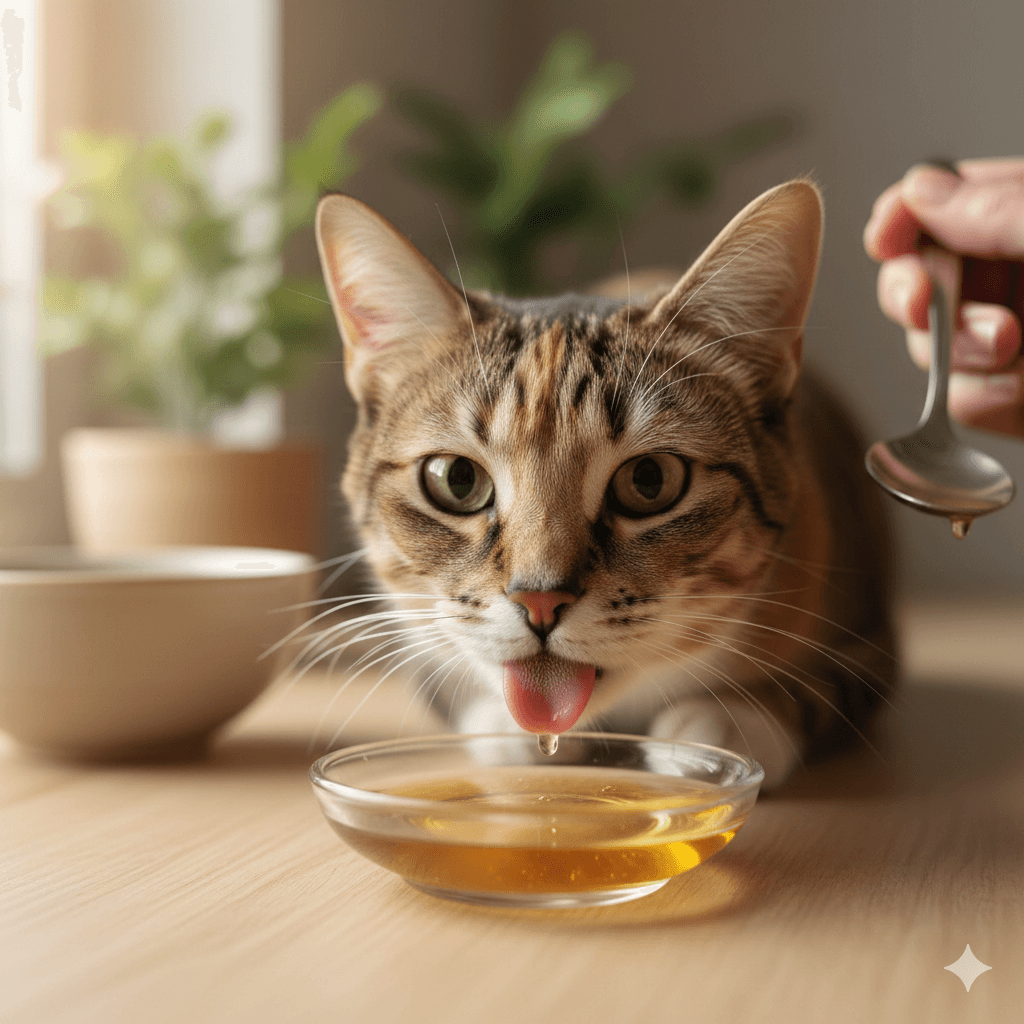
Cats lack functional Tas1r2 genes, which encode proteins necessary for perceiving sweetness. As a result, sugary foods fail to register as appealing or even noticeable. - Evolutionary Adaptation to Carnivory:
Since cats evolved as hunters relying solely on animal-based diets, there was no evolutionary pressure to retain sweet receptors. Plants and fruits held no nutritional value for them historically. - Comparison with Dogs:
Dogs, unlike cats, retain functional sweet receptors, allowing them to enjoy fruits and other carbohydrate-rich snacks—a key difference between the two species. - Implications for Treat Selection:
Cat treats rarely include sweeteners since they wouldn’t respond positively anyway. Instead, manufacturers focus on enhancing savory flavors using meat extracts or broths. - Health Benefits of the Trait:
This inability protects cats from being drawn to sugary, unhealthy foods, reducing risks associated with obesity or diabetes compared to omnivorous animals.
How Cats Detect Umami Flavors
- Glutamate Detection Mechanism:
Cats possess highly sensitive receptors for glutamate, an amino acid abundant in meats, cheeses, and broths. This triggers a strong positive response when encountering protein-rich foods. - Biological Importance of Umami:
For obligate carnivores, recognizing umami ensures cats consume adequate amounts of essential nutrients like taurine and arginine, which are vital for their health. - Commercial Food Formulations:
Many commercial cat foods incorporate natural umami enhancers like chicken liver or yeast extracts to mimic the flavors cats instinctively seek out. - Homemade Diet Considerations:
When preparing homemade meals, including ingredients rich in glutamate (e.g., cooked meats) guarantees palatability and encourages proper nutrition intake. - Behavioral Observations:
Owners frequently notice cats gravitating toward leftovers like grilled chicken or beef broth, underscoring their affinity for umami-rich options.
The Impact of Age on Feline Taste Perception
- Decline in Taste Bud Functionality:
With age, cats experience gradual deterioration of taste buds, diminishing their ability to discern subtle flavors and textures in food. - Decreased Appetite Risk:
Reduced flavor sensitivity often leads to decreased appetite, posing challenges for maintaining healthy body weight and energy levels in senior cats. - Dental Health Concerns:
Older cats commonly suffer from dental issues like gum disease or tooth decay, further complicating their willingness to eat dry kibble or hard-textured foods. - Adapting Food Choices:
Switching to softer, highly aromatic wet foods or adding water to dry kibble can rekindle interest in meals among aging felines. - Veterinary Monitoring:
Regular vet check-ups help identify underlying conditions contributing to appetite loss, ensuring timely interventions to preserve quality of life.
Environmental Factors Influencing Cat Taste Preferences
- Stress and Anxiety Effects:
Cats experiencing anxiety or environmental disruptions may refuse food temporarily, regardless of its palatability or nutritional content. - Past Feeding Habits:
Early exposure to specific textures or flavors shapes lifelong preferences; kittens raised on varied diets tend to accept new foods more readily. - Feeding Routine Consistency:
Establishing predictable mealtimes reduces stress and encourages regular consumption, fostering trust and comfort around eating. - Social Dynamics in Multi-Cat Homes:
Dominance hierarchies or competition among cats can impact individual eating patterns, necessitating separate feeding areas for shy or submissive individuals. - Novelty vs Familiarity Balance:
While introducing variety prevents boredom, too many sudden changes can overwhelm cats accustomed to familiar flavors and routines.
Practical Tips for Enhancing Your Cat’s Eating Experience
- Choose High-Quality Ingredients:
Opt for premium cat foods featuring real meat as the primary ingredient, avoiding fillers or artificial additives that detract from palatability. - Experiment with Textures:
Some cats prefer crunchy kibble, while others favor soft, moist options; offering a mix satisfies diverse textural cravings. - Incorporate Aromatic Enhancements:
Adding small amounts of tuna juice, bone broth, or freeze-dried meat sprinkles boosts aroma and entices picky eaters. - Maintain Freshness:
Store food properly in airtight containers to preserve freshness and prevent staleness, which can deter finicky cats. - Monitor Portion Sizes:
Overfeeding dilutes flavor intensity, so serve appropriately sized portions to maintain optimal taste appeal.
Frequently Asked Questions About Do Cats Have Taste Buds
Do cats have fewer taste buds than humans?
Yes, cats have approximately 470 taste buds, significantly fewer than the 9,000 found in humans, which limits their ability to detect a wide range of flavors.
Can cats taste sweetness?
Why do cats prefer meaty flavors?
Cats are obligate carnivores with specialized receptors for amino acids like glutamate, which signal protein-rich foods, aligning with their dietary needs.
How does smell affect a cat’s sense of taste?
A cat’s sense of smell is crucial for flavor perception, as it compensates for their limited taste buds by enhancing the overall eating experience.
Do older cats lose their sense of taste?
Yes, aging can lead to a decline in taste bud functionality, reducing flavor sensitivity and potentially impacting appetite and nutrition.
A Fascinating Insight into Feline Flavor Perception
Do Cats Have Taste Buds? Best 7 Expert Tips! – Discover how cats experience flavors and why their taste is so unique.

Do Dogs Have Taste Buds? Best 7 Expert Tips! – Discover how dogs experience taste, their preferences, and what it means for their diet and health.
Can Cats Taste Sweet? Best 7 Expert Tips! – Discover why cats can’t taste sweetness, how it affects their diet, and tips to keep them healthy and happy.

Can Dogs Taste Sweet? Best 7 Expert Tips! – Discover how dogs perceive sweetness, which foods are safe, and tips to manage their sweet cravings responsibly.