
Can Cats Taste Sweet? Understanding Their Unique Palate
Can Cats Taste Sweet? Exploring Their Unique Sensory World
- Evolutionary Adaptation to Carnivorous Diets:
As obligate carnivores, cats evolved to prioritize protein and fat over carbohydrates, making sweet-tasting foods irrelevant to their survival needs. Over millennia, this adaptation allowed them to focus on hunting prey rather than seeking sugary plants or fruits. - The Role of Tas1r2 Gene Mutation:
Cats lack a functional Tas1r2 gene, which is responsible for detecting sweetness in most mammals. This genetic mutation renders their taste receptors incapable of binding to sugar molecules, leaving them indifferent to sugary flavors. - Impact on Food Preferences:
Without the ability to taste sweetness, cats are drawn to foods rich in amino acids, particularly those containing glutamate, which triggers their umami taste receptors. This explains why they gravitate toward meat-based diets rather than fruits or desserts. - Behavioral Observations Around Sweet Foods:
While cats may show curiosity toward sweet-smelling items like yogurt or ice cream, their interest stems from texture or smell rather than taste. For example, the creamy consistency of dairy products often attracts them more than any inherent sweetness. - Implications for Commercial Cat Food Formulations:
Pet food manufacturers avoid adding sugars to cat food since it doesn’t enhance palatability for felines. Instead, they focus on enhancing umami flavors through ingredients like chicken liver or fish extracts to appeal to cats’ unique taste profiles.
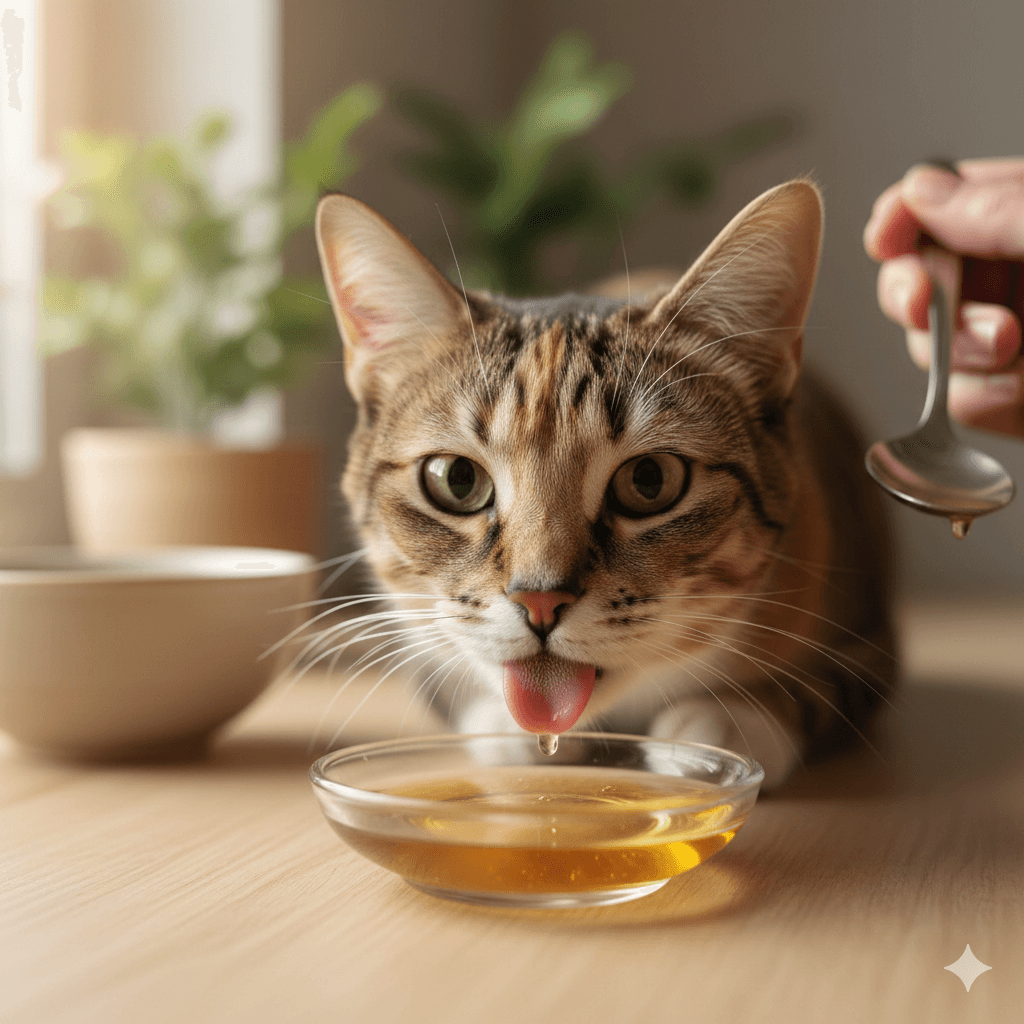
The Science Behind Feline Taste Receptors
- Limited Taste Bud Diversity:
Cats possess fewer taste buds overall, and many are dedicated to detecting savory, sour, or bitter flavors rather than sweet ones. This limited range aligns with their need to identify safe, protein-rich foods quickly. - Bitter Receptors for Safety:
Bitter taste receptors play a crucial role in helping cats avoid toxic substances found in spoiled meats or certain plants. These receptors act as a defense mechanism against harmful dietary choices. - Umami as a Primary Driver:
The umami receptor, sensitive to glutamates and nucleotides, dominates a cat’s gustatory experience. It signals the presence of high-quality proteins, reinforcing their preference for animal-based diets. - Comparison with Human Taste Perception:
Humans enjoy a broad spectrum of flavors due to our omnivorous diet, while cats’ narrower focus reflects their reliance on prey animals. This difference shapes everything from their eating habits to their responses to new foods. - Adaptation to Domestication:
Despite living alongside humans for thousands of years, cats retain their ancestral taste preferences. Even modern housecats exhibit little interest in sweets, proving that domestication hasn’t altered their fundamental biology.
Check this guide 👉 Can Cats Eat Dried Dog Food? Best 7 Expert Tips!
Check this guide 👉 Can Cats Eat Banana Peel? Best 7 Expert Tips!
Check this guide 👉 Can Cats Eat Pear? Best 7 Expert Tips!
Why Cats Can’t Taste Sweet | Safe Alternatives for Cats |
|---|---|
Lack functional Tas1r2 gene for sweetness detection | High-protein, meat-based treats |
Evolutionary adaptation as obligate carnivores | Wet food with savory flavors |
Preference for umami over sugary tastes | Freeze-dried chicken or fish snacks |
Genetic mutation affects taste receptor diversity | Homemade broth (no salt or spices) |
Sweet foods pose health risks like obesity | Dental chews designed for feline oral health |
How Cats Interact with Sweet-Smelling Foods
- The Power of Smell Over Taste:
A cat’s highly developed olfactory system allows them to detect enticing scents, such as vanilla or cinnamon, which might mimic the smell of prey. This sensory overlap sparks interest despite the absence of sweetness perception. - Texture as a Key Factor:
Creamy or soft textures often mimic the mouthfeel of natural prey, making foods like yogurt or pudding appealing to cats. Texture plays a significant role in determining whether they’ll investigate further. - Curiosity About Human Habits:
Cats are naturally curious creatures and may approach sweet foods simply because they observe their owners consuming them. Mimicking human behavior satisfies their innate desire to explore. - Potential Health Risks of Sweet Foods:
Many sweet-smelling human foods contain ingredients harmful to cats, such as chocolate, artificial sweeteners, or dairy. Owners must ensure these items remain out of reach to prevent accidental ingestion. - Safe Alternatives for Curious Cats:
If your cat shows interest in sweet-smelling snacks, consider offering vet-approved treats designed specifically for felines. These options cater to their nutritional needs without posing health risks.
The Evolutionary Trade-Off of Missing Sweetness Detection
- Prioritizing Protein Over Carbs:
Early felines thrived by targeting nutrient-dense prey, ignoring carbohydrate-rich plants that offered no caloric advantage. This strategy ensured efficient energy intake during hunts. - Energy Conservation Through Specialization:
By eliminating unnecessary taste receptors, cats streamlined their sensory systems to focus on detecting vital nutrients. This specialization reduced cognitive load and improved hunting efficiency. - Genetic Mutations Across Species:
Other carnivorous species, such as hyenas and some birds of prey, also lack sweet receptors, suggesting a shared evolutionary pathway among predators. These mutations highlight nature’s tendency to optimize based on ecological niches. - Survival in Harsh Environments:
In resource-scarce habitats, prioritizing protein-rich meals over sugary alternatives gave felines a competitive edge. Their bodies adapted to extract maximum nutrition from minimal resources. - Modern Implications for Pet Nutrition:
Today’s domesticated cats still benefit from their ancestors’ adaptations. High-protein, low-carb diets align perfectly with their physiological requirements, promoting better health and longevity.
Behavioral Responses to Sweet Foods in Cats
- Initial Curiosity vs. Dismissal:
Some cats may sniff or paw at sweet foods out of curiosity, only to lose interest once they realize there’s no appealing flavor. Others ignore such items entirely, demonstrating their discerning nature. - Playful Engagement with New Items:
Cats often treat unfamiliar objects, including food, as toys. Rolling, batting, or pouncing on sweet items reflects their instinctual drive to investigate potential threats or prey. - Individual Variations in Behavior:
Not all cats react the same way—some may nibble cautiously, while others walk away immediately. These differences stem from personality traits and past experiences with similar stimuli. - Association with Positive Experiences:
If a cat associates a particular scent or texture with positive reinforcement, such as receiving praise or treats, they may revisit that item repeatedly—even if it lacks sweetness. - Training Opportunities Through Observation:
Owners can use their cat’s interactions with sweet foods as opportunities to reinforce desired behaviors. For example, redirecting curiosity toward appropriate toys or treats strengthens the bond between pet and owner.
Nutritional Implications of Missing Sweet Receptors
- High-Protein Requirements:
Since cats don’t seek out carbohydrates, their diets must consist primarily of animal-based proteins to meet their metabolic demands. Insufficient protein intake can lead to muscle wasting and other health issues. - Avoidance of Sugary Treats:
Feeding cats sugary snacks not only fails to entice them but also poses serious health risks, including obesity, diabetes, and dental problems. Stick to species-appropriate treats instead. - Importance of Hydration:
Unlike sugary drinks, cats rely on moisture-rich foods to stay hydrated. Wet food or water-infused kibble supports kidney function and prevents urinary tract issues. - Balanced Diet Formulation:
Commercial cat foods are carefully balanced to provide essential nutrients without relying on carbohydrates or sugars. Look for formulas labeled “complete and balanced” by veterinary standards. - Homemade Diet Challenges:
Preparing homemade meals requires meticulous planning to ensure adequate taurine, arginine, and other critical nutrients. Consult a veterinarian before attempting this approach.
Practical Tips for Feeding Cats Without Sweet Preferences
- Focus on High-Quality Proteins:
Choose foods rich in real meat, poultry, or fish as primary ingredients. Avoid fillers like corn, wheat, or soy, which offer little nutritional value for cats. - Experiment with Textures:
Offer a mix of wet, dry, and semi-moist foods to stimulate your cat’s senses. Some prefer crunchy kibble, while others enjoy softer textures reminiscent of raw prey. - Enhance Palatability Naturally:
Add small amounts of broth, tuna juice, or freeze-dried meat toppings to boost flavor without introducing harmful additives. Always check for safety first. - Monitor Portion Sizes:
Overfeeding can lead to weight gain and associated health problems. Follow package guidelines or consult your vet to determine appropriate serving sizes. - Rotate Flavors Regularly:
Introducing variety prevents boredom and encourages healthy eating habits. Rotate proteins every few weeks to keep mealtime exciting for your feline friend.
Frequently Asked Questions About Can Cats Taste Sweet
Can cats enjoy sugary treats like humans?
No, cats lack the necessary taste receptors to detect sweetness. Their indifference to sugary foods is rooted in their evolutionary biology as obligate carnivores.
Why do some cats seem interested in sweet-smelling foods?
Cats may show curiosity toward sweet-smelling items due to their strong sense of smell or the texture of the food, not because they can taste sweetness.
Are artificial sweeteners safe for cats?
No, artificial sweeteners like xylitol are toxic to cats and should be avoided entirely. Even non-toxic sweeteners offer no nutritional benefit.
Do cats have any preference for flavors?
Yes, cats prefer umami flavors found in protein-rich foods, such as meats, fish, and certain amino acids like glutamate.
Can kittens develop a taste for sweets over time?
No, kittens, like adult cats, are born without the ability to taste sweetness due to a genetic mutation affecting their taste receptors.
A Fascinating Quirk of Feline Biology
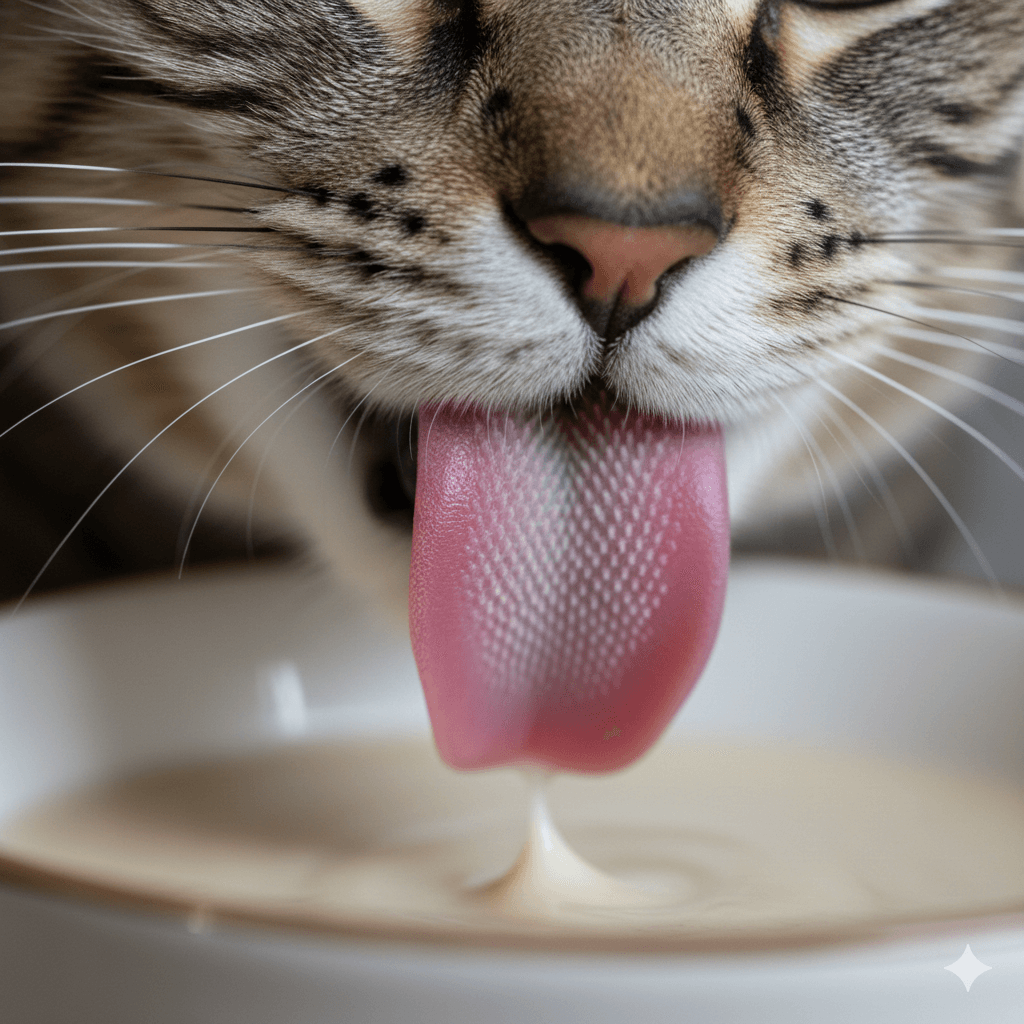
Do Cats Have Taste Buds? Best 7 Expert Tips! – Discover how cats experience flavors and why their taste is so unique.

Do Dogs Have Taste Buds? Best 7 Expert Tips! – Discover how dogs experience taste, their preferences, and what it means for their diet and health.
Can Cats Taste Sweet? Best 7 Expert Tips! – Discover why cats can’t taste sweetness, how it affects their diet, and tips to keep them healthy and happy.

Can Dogs Taste Sweet? Best 7 Expert Tips! – Discover how dogs perceive sweetness, which foods are safe, and tips to manage their sweet cravings responsibly.