
Can You Give a Cat Too Much Fish Oil?
Can You Give a Cat Too Much Fish Oil?
- Digestive Upset:
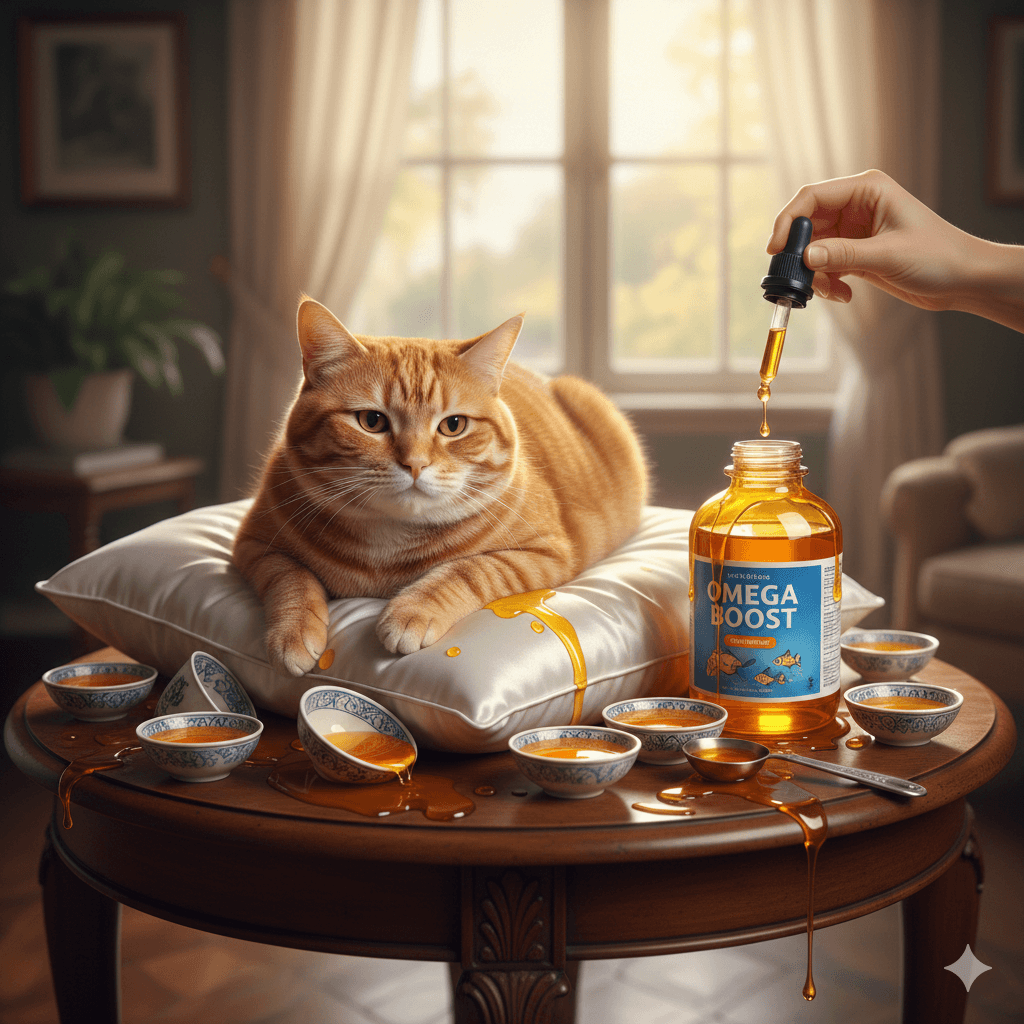
High doses of fish oil may overwhelm your cat’s digestive system, leading to diarrhea, vomiting, or greasy stools. These symptoms often occur because the liver struggles to process excessive fats. - Weight Gain Risk:
Fish oil is calorie-dense, and over-supplementation can contribute to weight gain, especially in indoor or less active cats. This added weight strains joints and increases obesity-related health risks. - Blood Clotting Issues:
Omega-3 fatty acids have mild blood-thinning properties; too much fish oil can interfere with normal clotting, increasing the risk of excessive bleeding during injuries or surgeries. - Immune System Suppression:
While moderate omega-3 intake supports immunity, excessive amounts may suppress immune function, leaving your cat more vulnerable to infections or illnesses. - Vitamin E Depletion:
Fish oil can deplete vitamin E levels in your cat’s body, leading to deficiencies that cause muscle weakness, lethargy, or skin problems if not addressed promptly.
How Much Fish Oil Is Safe for Cats?
- General Guidelines:
Most veterinarians recommend 100–150 mg of combined EPA and DHA (omega-3 fatty acids) per 10 pounds of body weight daily. For an average 10-pound cat, this equals about 1/4 teaspoon of fish oil. - Adjusting for Health Conditions:
Cats with arthritis, kidney disease, or allergies may benefit from slightly higher doses under veterinary supervision. However, exceeding recommended amounts without guidance is risky. - Reading Labels Carefully:
Not all fish oil products are created equal. Look for supplements specifically formulated for pets, free of additives, fillers, or harmful contaminants like mercury. - Avoiding Human Supplements:
Human-grade fish oil often contains higher concentrations of omega-3s than cats need, potentially causing toxicity. Stick to pet-safe formulations instead. - Monitoring Over Time:
Even small doses can accumulate in your cat’s system over time. Regular check-ups help ensure long-term safety and effectiveness.
Check this guide 👉Is Tea Tree Oil Safe for Cats? Best 7 Expert Tips!
Check this guide 👉 Fish Oil Dosage for Cats: Best 7 Expert Tips!
Check this guide 👉 Coconut Oil for Cat Fleas: Best 7 Expert Tips!
Benefits of Fish Oil for Cats | Risks of Over-Supplementation |
|---|---|
Supports skin and coat health | Digestive upset (diarrhea, vomiting) |
Reduces joint inflammation | Weight gain from high calorie content |
Promotes heart and kidney function | Blood clotting issues |
Boosts immune system | Vitamin E depletion |
Safe in moderation | Potential allergic reactions |
Signs Your Cat May Be Getting Too Much Fish Oil
- Diarrhea or Loose Stools:
Frequent, oily stools indicate your cat’s digestive system is struggling to process excess fat, requiring immediate attention. - Lethargy or Weakness:
Over-supplementation may lead to nutrient imbalances, such as vitamin E depletion, resulting in low energy levels or muscle fatigue. - Skin Irritation or Rash:
Some cats develop allergic reactions or dermatitis due to poor-quality fish oil or improper dosing, signaling a need for evaluation. - Bleeding or Bruising:
Unexplained nosebleeds, prolonged wound healing, or bruising suggests impaired blood clotting caused by excessive omega-3 intake. - Changes in Appetite:
A sudden refusal to eat or unusual cravings might reflect gastrointestinal discomfort or other underlying issues related to fish oil toxicity.
Benefits of Fish Oil for Cats When Used Correctly
- Improved Skin and Coat Health:
Omega-3s reduce inflammation and promote shiny, soft fur while alleviating dryness, flakiness, or itchiness associated with allergies. - Joint Pain Relief:
EPA and DHA in fish oil support joint lubrication and reduce stiffness, making it ideal for senior cats or those with arthritis. - Heart and Circulatory Support:
Omega-3s improve cardiovascular health by reducing triglyceride levels and supporting healthy blood pressure regulation. - Kidney Function Enhancement:
Studies show that moderate fish oil supplementation slows kidney disease progression in cats by reducing inflammation and oxidative stress. - Immune System Boost:
Balanced omega-3 intake strengthens immune response, helping cats fight off infections and recover faster from illnesses.
Choosing the Right Fish Oil for Your Cat
- Look for Pet-Specific Formulas:
Pet-safe fish oils are carefully calibrated to meet feline nutritional requirements without risking overdose or contamination. - Check for Purity Certifications:
Reputable brands display third-party testing results, confirming freedom from heavy metals, PCBs, or other toxins harmful to cats. - Prioritize EPA and DHA Content:
Ensure the product lists specific amounts of eicosapentaenoic acid (EPA) and docosahexaenoic acid (DHA), the active components of omega-3s. - Avoid Artificial Additives:
Steer clear of products containing artificial flavors, colors, or preservatives that could irritate your cat’s sensitive digestive system. - Consider Liquid vs. Capsule Options:
Liquid fish oil mixes easily with food, while capsules allow precise dosing—choose based on your cat’s preferences and feeding habits.
Alternatives to Fish Oil for Omega-3 Supplementation
- Krill Oil:
Derived from tiny crustaceans, krill oil offers highly bioavailable omega-3s with lower risk of gastrointestinal upset compared to fish oil. - Algal Oil:
Plant-based algal oil provides pure DHA and EPA, making it an excellent option for cats with fish allergies or sensitivities. - Flaxseed Oil:
Rich in alpha-linolenic acid (ALA), flaxseed oil converts partially to DHA and EPA but should be used sparingly due to limited conversion rates. - Chia Seeds:
Sprinkling ground chia seeds on your cat’s food introduces ALA omega-3s naturally, though they’re less potent than marine sources. - Dietary Adjustments:
Incorporating omega-3-rich foods like cooked salmon or sardines (in moderation) boosts intake without relying solely on supplements.
Long-Term Considerations for Fish Oil Use in Cats
- Regular Veterinary Check-Ups:
Routine exams assess liver function, vitamin E levels, and overall health to detect early signs of imbalance or toxicity. - Rotating Supplements:
Periodically switching between fish oil, krill oil, or algal oil prevents dependency on a single source and reduces accumulation risks. - Balancing Omega-6 and Omega-3 Ratios:
Maintaining an optimal ratio of these essential fatty acids supports inflammation control and metabolic health in cats. - Adapting Dosage for Aging Cats:
Older cats may require adjusted doses due to slower metabolism or changing nutritional needs, necessitating frequent reassessment. - Documenting Changes:
Keep a journal of your cat’s behavior, coat condition, and stool consistency to track improvements or emerging issues linked to supplementation.
Frequently Asked Questions About Can You Give a Cat Too Much Fish Oil
Can fish oil harm my cat if given in excess?
Yes, excessive fish oil can lead to digestive upset, weight gain, or even blood clotting issues due to its high fat content and omega-3 concentration.
How do I know if my cat is getting too much fish oil?
Signs include diarrhea, lethargy, skin irritation, or unusual bleeding. Monitor your cat closely and consult your vet if symptoms arise.
What is the right dosage of fish oil for cats?
Most vets recommend 100–150 mg of combined EPA and DHA per 10 pounds of body weight daily. Always confirm with your veterinarian.
Are there alternatives to fish oil for omega-3 supplementation?
Yes, alternatives like krill oil, algal oil, or small amounts of cooked salmon can provide omega-3s safely.
Can I use human-grade fish oil for my cat?
A Tiny Drop with Big Impact
Do Cats Have Taste Buds? Best 7 Expert Tips! – Discover how cats experience flavors and why their taste is so unique.

Do Dogs Have Taste Buds? Best 7 Expert Tips! – Discover how dogs experience taste, their preferences, and what it means for their diet and health.
Can Cats Taste Sweet? Best 7 Expert Tips! – Discover why cats can’t taste sweetness, how it affects their diet, and tips to keep them healthy and happy.

Can Dogs Taste Sweet? Best 7 Expert Tips! – Discover how dogs perceive sweetness, which foods are safe, and tips to manage their sweet cravings responsibly.