
Can You Give a Dog Too Much Fish Oil?
Can You Give a Dog Too Much Fish Oil?
- Benefits of Omega-3 Fatty Acids:
Omega-3s, particularly EPA and DHA, are essential for reducing inflammation, supporting brain function, and promoting cardiovascular health. These nutrients are especially beneficial for senior dogs or those with arthritis, allergies, or cognitive decline. - Risks of Over-Supplementation:
Too much fish oil can cause gastrointestinal upset, including diarrhea, vomiting, or greasy stools. Excessive omega-3 intake may also interfere with blood clotting, increasing the risk of bruising or bleeding during injuries or surgeries. - Impact on Immune Function:
While moderate doses boost immunity, excessive omega-3s can suppress immune responses, leaving dogs more vulnerable to infections. This delicate balance highlights the importance of adhering to recommended dosages. - Weight Management Concerns:
Fish oil is calorie-dense, and over-supplementation can contribute to unwanted weight gain, especially in small or inactive dogs. Monitoring portion sizes ensures your dog stays lean and healthy. - Quality Matters:
Not all fish oils are created equal; low-quality products may contain contaminants like mercury or rancid oils, which harm rather than help. Always choose high-quality, molecularly distilled supplements specifically formulated for pets.

How Much Fish Oil Is Safe for Dogs?
- General Dosage Guidelines:
For most dogs, 100–150 mg of combined EPA and DHA per 10 pounds of body weight daily is considered safe. For example, a 30-pound dog would need approximately 300–450 mg of EPA/DHA daily. - Adjustments for Health Conditions:
Dogs with arthritis, kidney disease, or skin allergies may benefit from slightly higher doses under veterinary supervision. However, exceeding recommended levels without guidance can lead to toxicity. - Small vs. Large Breeds:
Smaller breeds require less fish oil due to their lower body weight, while larger breeds tolerate higher doses. Precision is key—overdosing even slightly can disrupt their metabolic balance. - Puppy-Specific Needs:
Puppies have unique nutritional requirements and should only receive fish oil if explicitly recommended by a vet. Their developing bodies are more sensitive to nutrient imbalances. - Monitoring for Side Effects:
Start with half the recommended dose and gradually increase while observing for signs of intolerance, such as lethargy, digestive issues, or changes in appetite. Early detection allows quick adjustments.
Check this guide 👉 Does Fish Oil Help with Dog Allergies: Best 7 Expert Tips!
Check this guide 👉 Fish Oil Dosage for Dogs: Best 7 Expert Tips!
Check this guide 👉 Coconut Oil for Dogs Fleas: Best 7 Expert Tips!
Benefits of Fish Oil for Dogs | Potential Risks of Over-Supplementation |
|---|---|
Supports skin and coat health | Gastrointestinal upset (diarrhea, vomiting) |
Reduces inflammation in joints | Blood thinning and increased bleeding risk |
Promotes brain and cognitive function | Immune system suppression |
Aids cardiovascular health | Weight gain due to high-calorie content |
Helps manage allergies and itching | Risk of vitamin E depletion over time |
Signs Your Dog May Be Getting Too Much Fish Oil
- Gastrointestinal Distress:
Diarrhea, vomiting, or excessively oily stools often indicate an overloaded digestive system struggling to process excess fat. These symptoms typically appear within days of over-supplementation. - Lethargy and Weakness:
Fatigue or reluctance to engage in normal activities suggests metabolic strain caused by improper nutrient absorption. Omega-3 overload can disrupt energy production pathways. - Bleeding or Bruising:
Excessive omega-3s thin the blood, leading to prolonged bleeding from minor cuts or unexplained bruising. This is particularly concerning before surgeries or in accident-prone dogs. - Immune System Suppression:
Recurrent infections or slow wound healing point to compromised immunity, a side effect of long-term overuse. Balancing omega-3 intake restores natural defenses. - Weight Gain or Obesity:
Calorie-rich fish oil contributes to weight gain if not factored into your dog’s total daily caloric intake. Regular weigh-ins help track unexpected increases.
Choosing the Right Fish Oil for Your Dog
- Look for Molecular Distillation:
This purification process removes heavy metals, PCBs, and other contaminants, ensuring safety for long-term use. Always check labels for certification. - Focus on EPA and DHA Content:
Not all omega-3s are equal; prioritize products with clearly stated levels of EPA and DHA, the active compounds responsible for health benefits. - Avoid Artificial Additives:
Some fish oils contain preservatives or flavorings that irritate sensitive stomachs. Opt for natural formulations whenever possible. - Consider Form and Convenience:
Liquid oils mix easily with food, while capsules offer precise dosing and extended shelf life. Choose based on your preference and your dog’s acceptance. - Brand Reputation Matters:
Research brands known for transparency, third-party testing, and positive customer reviews. Trusted manufacturers guarantee consistent quality.
Incorporating Fish Oil into Your Dog’s Diet
- Mix with Meals Gradually:
Introduce fish oil slowly, starting with a few drops mixed into wet or dry food. Gradual incorporation reduces the risk of digestive upset. - Balance with Other Supplements:
If your dog already takes vitamins or joint supplements, consult your vet to prevent overlapping ingredients or excessive nutrient intake. - Monitor Food Preferences:
Some dogs dislike the taste of fish oil; masking it with flavorful foods like pumpkin puree or broth encourages consumption without resistance. - Store Properly to Prevent Rancidity:
Keep fish oil in a cool, dark place or refrigerate after opening to maintain freshness. Rancid oils lose efficacy and may cause illness. - Track Long-Term Effects:
Regularly assess your dog’s coat condition, joint mobility, and overall vitality to evaluate fish oil’s impact. Adjustments ensure optimal results.
Alternatives to Fish Oil for Omega-3 Supplementation
- Krill Oil:
Rich in phospholipid-bound omega-3s, krill oil offers superior bioavailability compared to traditional fish oil. Its smaller capsules simplify administration. - Algal Oil:
Derived from marine algae, this plant-based option provides DHA without relying on fish. It’s ideal for vegan households or dogs with seafood allergies. - Flaxseed Oil:
Though less effective than marine sources, flaxseed oil contains ALA, a precursor to EPA and DHA. It’s a budget-friendly choice for mild supplementation needs. - Chia Seeds and Hemp Seeds:
These seeds naturally contain omega-3s and can be sprinkled onto meals for added nutrition. They’re best suited as complementary rather than primary sources. - Cooked Fatty Fish:
Small portions of cooked salmon, sardines, or mackerel provide direct omega-3s. Ensure bones are removed and avoid seasoning or oils harmful to dogs.
Addressing Common Misconceptions About Fish Oil
- Myth: More Is Always Better:
Contrary to belief, doubling the dose doesn’t double the benefits. Excessive amounts harm rather than help, emphasizing the need for moderation. - Myth: All Fish Oils Are Identical:
Variations in purity, potency, and formulation mean not all products deliver equal results. Research and quality assurance separate premium options from inferior ones. - Myth: Fish Oil Cures Everything:
While beneficial, fish oil isn’t a cure-all. It complements proper veterinary care and shouldn’t replace medications or treatments prescribed for specific conditions. - Myth: Only Senior Dogs Need It:
Younger dogs also benefit from omega-3s, particularly during growth phases when joints and brains develop rapidly. Age isn’t a limiting factor. - Myth: Human Fish Oil Is Safe for Dogs:
Human-grade fish oils often exceed safe canine dosages and lack formulations tailored to pets’ unique needs. Always choose species-specific products.
Frequently Asked Questions About Giving Fish Oil to Dogs
Can fish oil cause diarrhea in dogs?
Yes, excessive fish oil can lead to digestive upset, including diarrhea. Start with small doses and monitor your dog’s response closely.
How long does it take to see benefits from fish oil?
Most dogs show improvements in skin, coat, and joint health within 4–6 weeks of consistent supplementation.
Is it safe to give fish oil daily?
Yes, but only at the recommended dosage. Over-supplementation can lead to toxicity or side effects like weight gain or immune suppression.
Can puppies take fish oil?
Puppies can benefit from fish oil, but dosages must be carefully adjusted for their size and developmental needs. Always consult your vet first.
What should I do if my dog accidentally eats too much fish oil?
Contact your veterinarian immediately. Symptoms like vomiting, diarrhea, or lethargy may indicate overdose, and professional guidance is essential.
A Tiny Change, Big Benefits
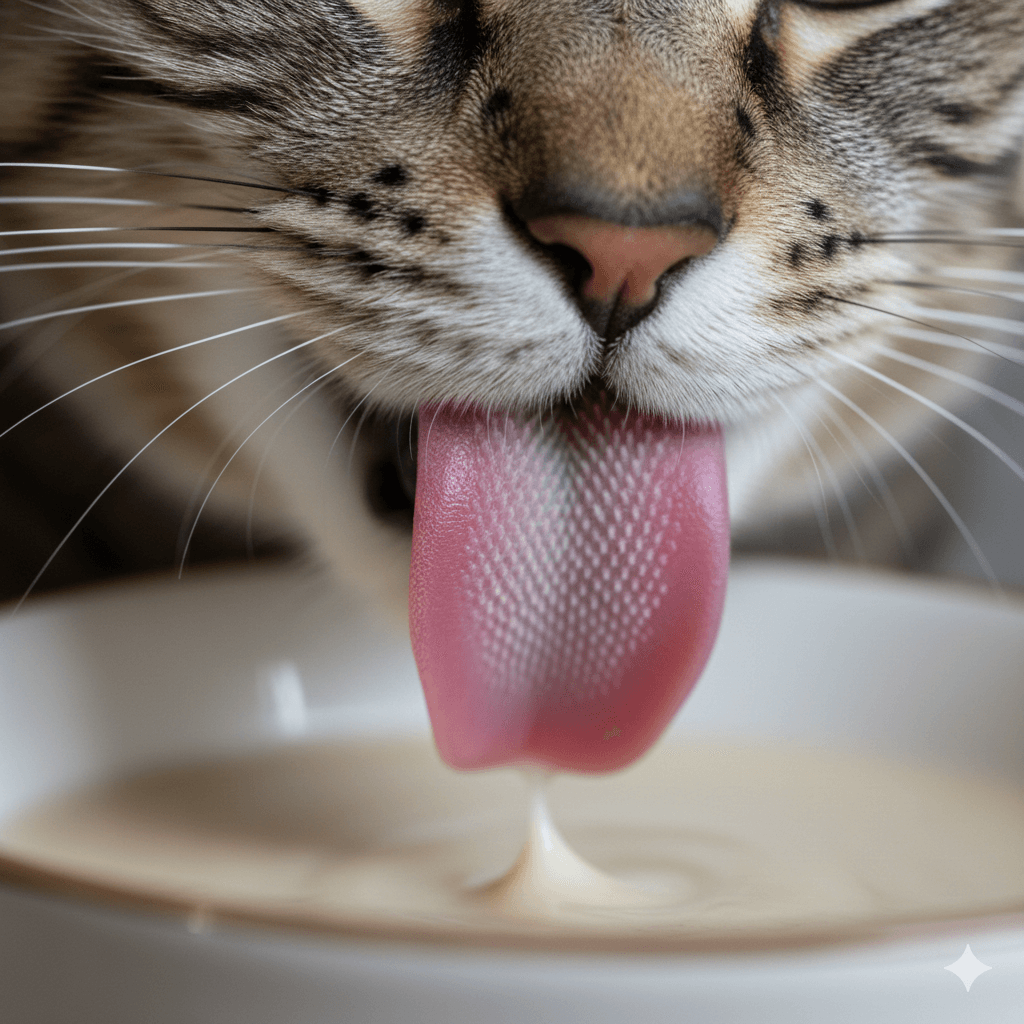
Do Cats Have Taste Buds? Best 7 Expert Tips! – Discover how cats experience flavors and why their taste is so unique.

Do Dogs Have Taste Buds? Best 7 Expert Tips! – Discover how dogs experience taste, their preferences, and what it means for their diet and health.

Can Cats Taste Sweet? Best 7 Expert Tips! – Discover why cats can’t taste sweetness, how it affects their diet, and tips to keep them healthy and happy.

Can Dogs Taste Sweet? Best 7 Expert Tips! – Discover how dogs perceive sweetness, which foods are safe, and tips to manage their sweet cravings responsibly.