
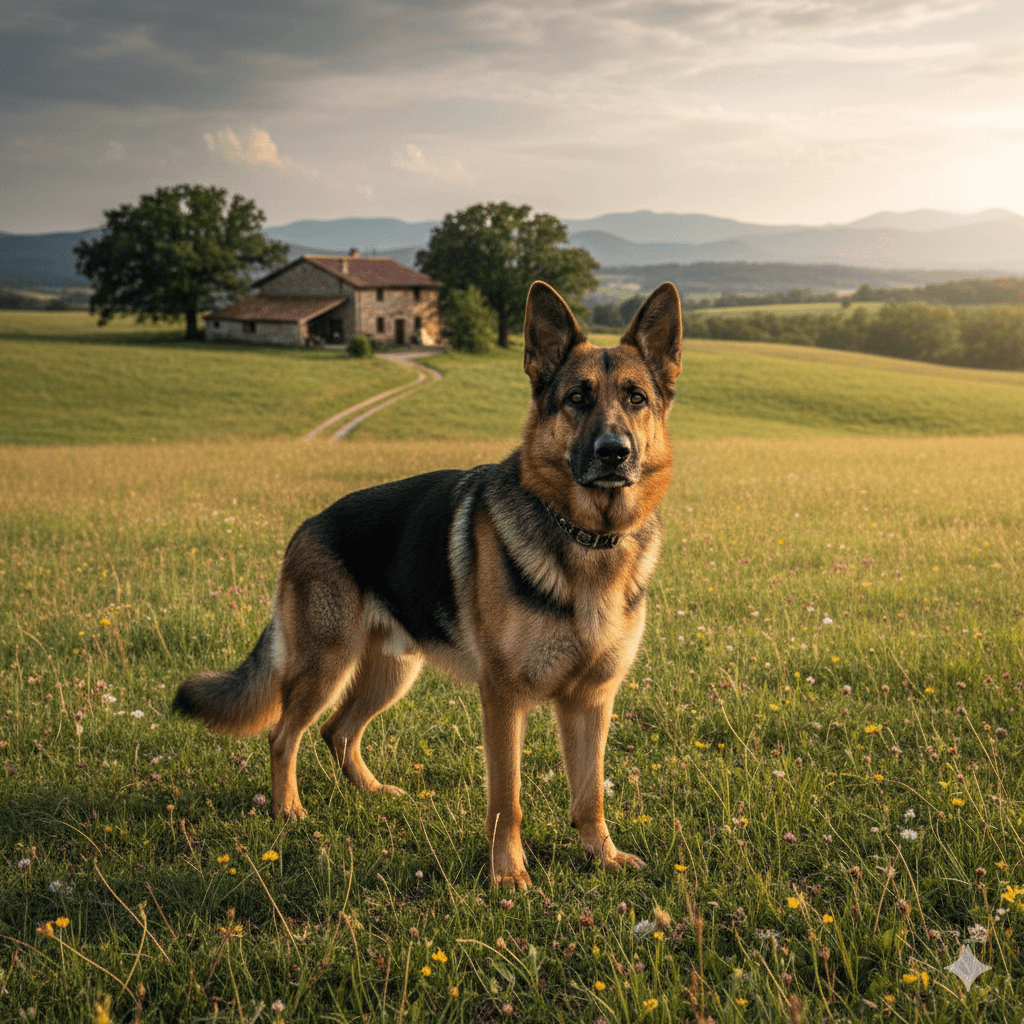
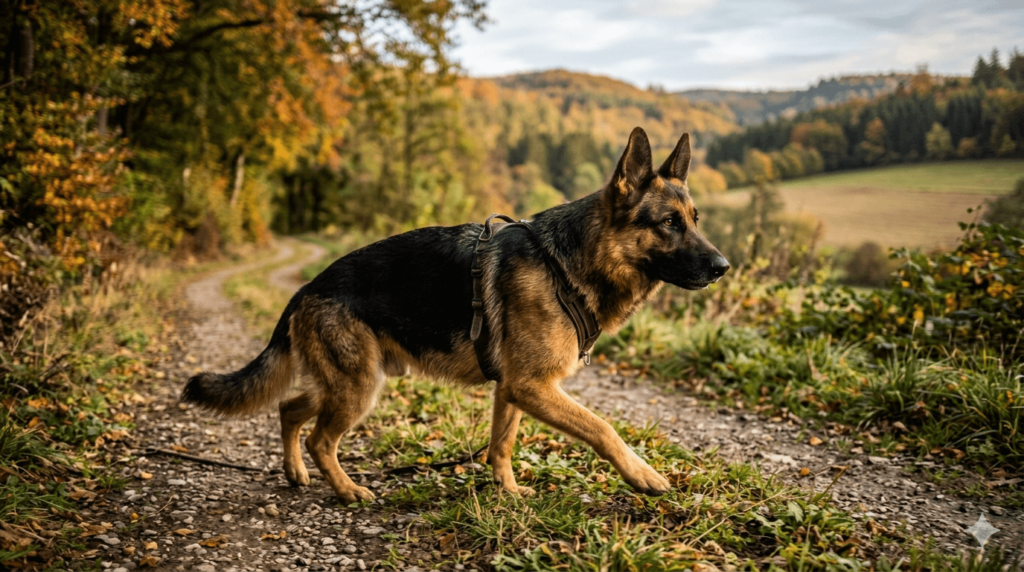
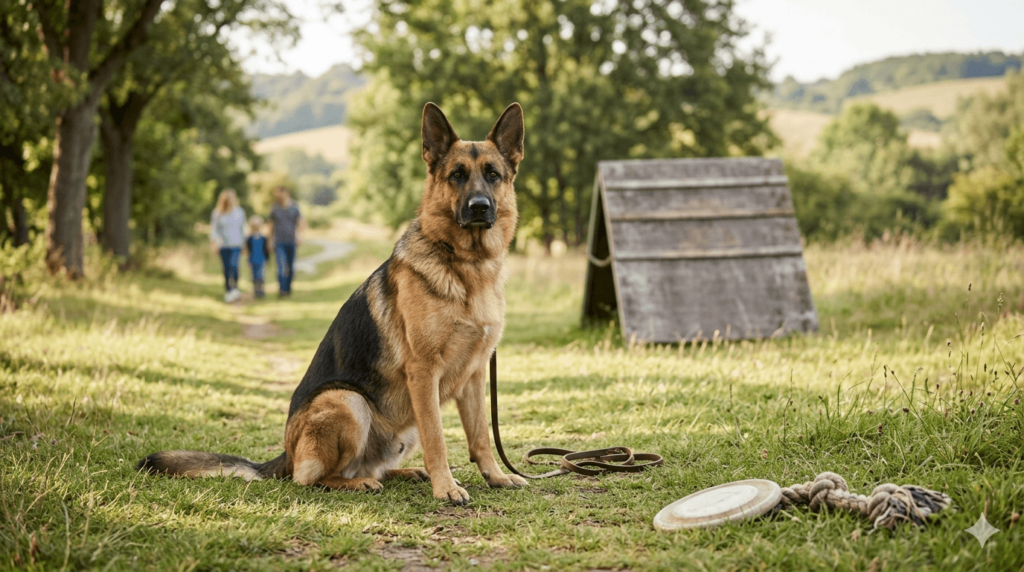

What is an Alsatian Dog?
- Herding Heritage:
The Alsatian’s origins trace back to 19th-century Germany, where it was selectively bred by Max von Stephanitz to be the ultimate herding dog. Its keen instincts, agility, and stamina made it indispensable on farms. - Transition to Working Roles:
As industrialization reduced the need for herding dogs, the Alsatian found new purpose in military, police, and search-and-rescue operations. Its trainability and courage made it a natural fit for demanding tasks. - Physical Attributes for Work:
Standing 22–26 inches tall and weighing 50–90 pounds, the Alsatian boasts a muscular build, double coat, and erect ears that enhance its alertness and endurance. - Temperament Traits:
Known for unwavering loyalty, the Alsatian forms strong bonds with its family while remaining reserved with strangers—a trait that underscores its protective nature. - Global Popularity:
Today, the Alsatian ranks among the top dog breeds worldwide, celebrated not only for its working abilities but also for its adaptability as a loving family pet.
Distinctive Physical Traits of the Alsatian Dog
- Athletic Build:
The Alsatian’s lean yet muscular frame allows for speed, agility, and endurance, making it ideal for high-energy tasks like tracking or patrolling. - Double Coat for Protection:
Its dense outer coat shields against harsh weather, while the soft undercoat provides insulation—essential for outdoor work in varying climates. - Signature Saddle Markings:
Many Alsatians feature a distinctive saddle-shaped pattern on their backs, which adds to their recognizable and regal appearance. - Erect Ears and Alert Expression:
The breed’s upright ears and attentive gaze enhance its ability to detect sounds and movements, reinforcing its role as a vigilant guardian. - Color Variations:
While black and tan are most common, Alsatians can also appear in solid black, sable, or even white, each variation maintaining the breed’s noble aesthetic.
Check this guide 👉 Kintamani Dutch Shepherd Mix: Best 7 Expert Tips!
Check this guide 👉 Telomian Dutch Shepherd Mix: Best 7 Expert Tips!
Check this guide 👉 Bergamasco Australian Shepherd Mix: Best 7 Expert Tips!
Key Traits of the Alsatian Dog | Care Requirements for Alsatians |
|---|---|
Intelligent and highly trainable | Daily exercise (1–2 hours) to prevent boredom |
Loyal and protective of family | Regular brushing to manage shedding |
Versatile in roles (family pet, police work, etc.) | Early socialization to ensure balanced behavior |
Strong prey drive and alertness | Dental care to prevent periodontal disease |
Prone to hip dysplasia and bloat | Supervision in extreme weather due to sensitivity |
Personality and Temperament of the Alsatian Dog
- Unwavering Loyalty:
Alsatians are deeply devoted to their families, often forming unbreakable bonds that make them exceptional protectors and companions. - Highly Trainable:
Their sharp minds and eagerness to please enable them to excel in obedience training, advanced commands, and specialized tasks like scent detection. - Confident and Calm:
Despite their imposing presence, Alsatians are typically calm and composed, rarely showing aggression unless provoked or sensing danger. - Protective Instincts:
Naturally wary of strangers, they act as excellent watchdogs, alerting owners to potential threats with barks or defensive postures. - Playful Yet Serious:
While playful with family members, especially children, Alsatians maintain a serious demeanor when performing duties or assessing unfamiliar situations.
Training and Socialization Tips for Alsatian Owners
- Start Early:
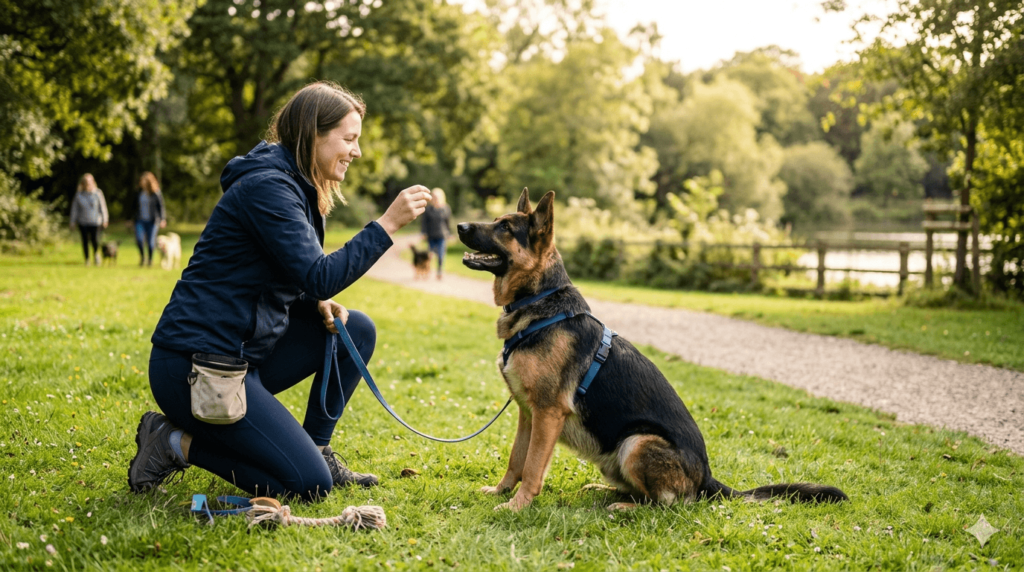
Begin training and socialization during puppyhood to prevent fear-based aggression and foster confidence in new environments. - Positive Reinforcement Works Best:
Reward-based methods using treats, praise, or toys motivate Alsatians without causing frustration or resistance. - Mental Stimulation Matters:
Incorporate puzzle toys, scent games, and advanced commands to challenge their intellect and prevent boredom-related behaviors. - Focus on Obedience First:
Teach foundational commands like “sit,” “stay,” and “come” before progressing to specialized skills such as agility or protection work. - Address Separation Anxiety:
Alsatians form strong attachments; gradual desensitization helps them cope with alone time without developing destructive habits.
Health Considerations for Alsatian Dogs
- Hip and Elbow Dysplasia:
These joint disorders are common in larger breeds; maintaining a healthy weight and avoiding strenuous exercise during growth phases reduces risk. - Degenerative Myelopathy:
A progressive spinal condition affecting mobility; genetic testing can identify predispositions early in life. - Bloat (Gastric Torsion): Alsatians are susceptible to this life-threatening condition; feeding smaller meals and avoiding vigorous activity after eating mitigates risks.
- Allergies and Skin Issues:
Environmental or food allergies may cause itching or irritation; hypoallergenic diets and regular grooming help manage symptoms. - Regular Veterinary Check-Ups:
Annual exams and vaccinations ensure early detection of illnesses and keep your Alsatian in peak condition.
Living with an Alsatian: Ideal Home and Lifestyle Fit
- Space Requirements:
While adaptable to apartments, Alsatians prefer homes with yards where they can run, play, and burn off excess energy safely. - Active Lifestyles Suit Them Best:
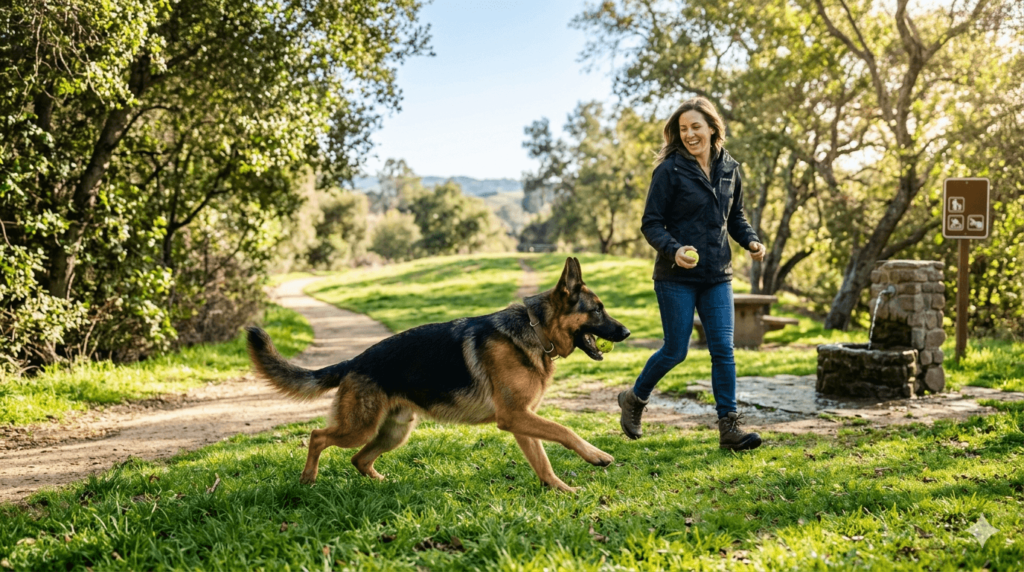
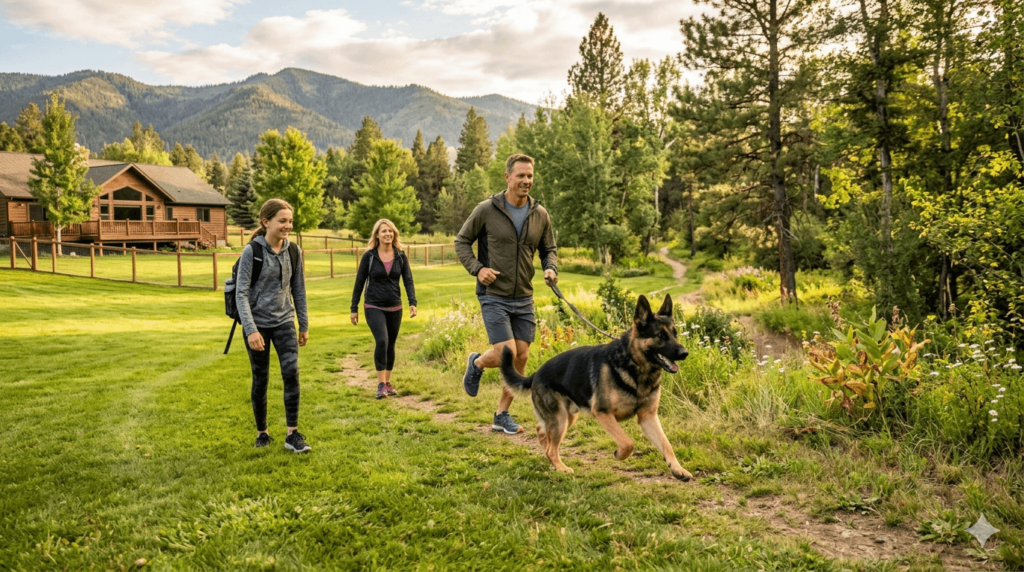
Owners who enjoy hiking, jogging, or outdoor activities find Alsatians to be enthusiastic and tireless companions. - Time Commitment Needed:
This breed demands significant attention, including daily exercise, training sessions, and quality bonding time to prevent loneliness or behavioral issues. - Families with Older Children Are Ideal:
Alsatians are gentle with respectful kids but may accidentally knock over toddlers due to their size and enthusiasm. - Not Suited for Neglectful Owners:
Left alone for extended periods, they may develop separation anxiety or resort to destructive chewing and barking.
Potential Challenges of Owning an Alsatian Dog
- High Energy Levels:
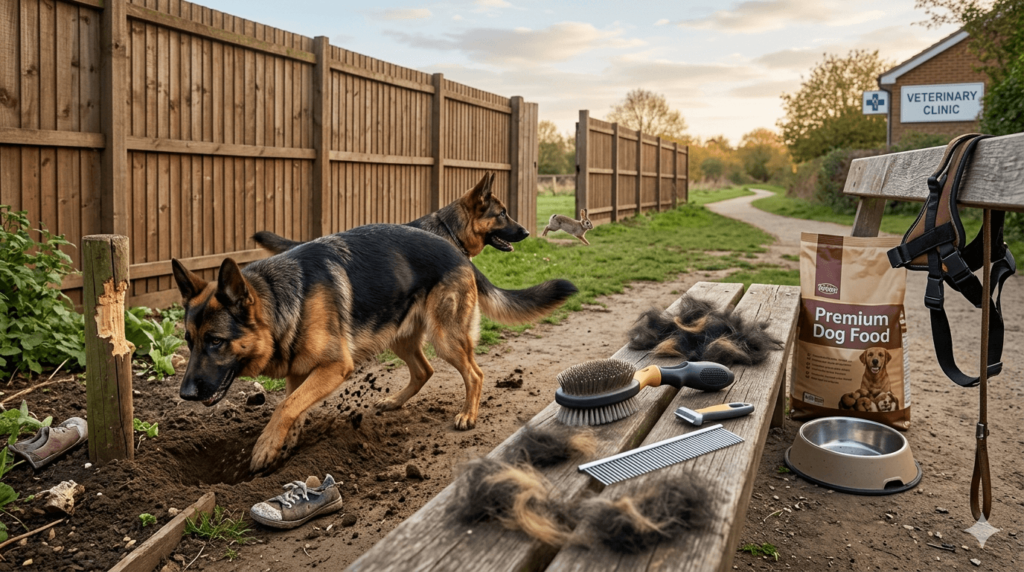
Without sufficient exercise and mental stimulation, Alsatians may exhibit destructive behaviors like chewing furniture or digging holes. - Strong Prey Drive:
Their hunting instincts can lead them to chase small animals; secure fencing and leash training are essential precautions. - Grooming Needs:
The Alsatian’s thick double coat sheds heavily twice a year and requires weekly brushing to minimize hair around the house. - Cost of Ownership:
From high-quality food to veterinary care and training classes, owning an Alsatian involves significant financial investment over its lifetime. - Short Lifespan Compared to Smaller Breeds:
With an average lifespan of 9–13 years, saying goodbye sooner than expected can be emotionally challenging for devoted owners.
“They are among the most popular dog breeds… thanks in large part to their ability to be great family dogs”
– The Spruce Pets
Frequently Asked Questions About the Alsatian Dog
What is the difference between an Alsatian and a German Shepherd?
The terms “Alsatian” and “German Shepherd” refer to the same breed. “Alsatian” was coined during World War I to avoid anti-German sentiment, but both names describe this versatile working dog.
Are Alsatians good family dogs?
Yes, Alsatians are loyal, protective, and gentle with their families. However, their strong guarding instincts mean early socialization is crucial for harmonious interactions with children and strangers.
How much exercise does an Alsatian need daily?
Alsatians require at least 1–2 hours of exercise daily, including walks, playtime, and mental stimulation, to stay physically and mentally fit.
Do Alsatians shed a lot?
Yes, Alsatians have a thick double coat that sheds moderately year-round and heavily twice a year during shedding seasons. Regular grooming helps manage loose fur.
Are Alsatians easy to train?
Alsatians are highly intelligent and eager to please, making them relatively easy to train. However, their independent nature may require patience and consistency during training sessions.
A Breed Like No Other: The Alsatian’s Legacy
Is Rawhide Bad for Cats? Best 7 Expert Tips! – Discover the risks, safe alternatives, and expert advice to keep your feline friend healthy and happy.

Is Rawhide Bad for Dogs? Best 7 Expert Tips! – Discover the risks, benefits, and safer alternatives to rawhides for your dog’s chewing needs.

Understanding Anorexia in Cats: Best 7 Expert Tips! – Learn why cats stop eating, spot warning signs, and discover how to help your feline regain appetite safely.

Understanding Anorexia in Dogs: Best 7 Expert Tips! – Learn causes, symptoms, and solutions to help your dog regain appetite and stay healthy.