
Can a Dog Be Tested for Rabies?
Understanding Rabies Testing in Dogs
- Post-Mortem Testing Only:
Rabies testing in dogs is typically conducted post-mortem through a procedure called the direct fluorescent antibody (DFA) test, which examines brain tissue for the presence of the virus. This method is considered the gold standard due to its reliability and accuracy. - Why Living Dogs Aren’t Tested:
Testing for rabies in living dogs is not feasible because the DFA test requires brain tissue samples, making it invasive and fatal. Alternative diagnostic methods are being researched but are not yet widely available or reliable. - Legal and Safety Implications:
In most regions, rabies testing is mandated by law if a dog bites a person or is suspected of exposure to the virus. This ensures public safety and helps prevent the spread of rabies to humans and other animals. - Quarantine as an Alternative:
If a dog is healthy and vaccinated, quarantine may be recommended instead of immediate euthanasia and testing. During this period, the dog is observed for signs of rabies, such as aggression, disorientation, or paralysis. - Importance of Vaccination Records:
Up-to-date rabies vaccination records can often prevent the need for testing or euthanasia. Proof of vaccination provides legal protection and reassures authorities that the dog is unlikely to carry the virus.
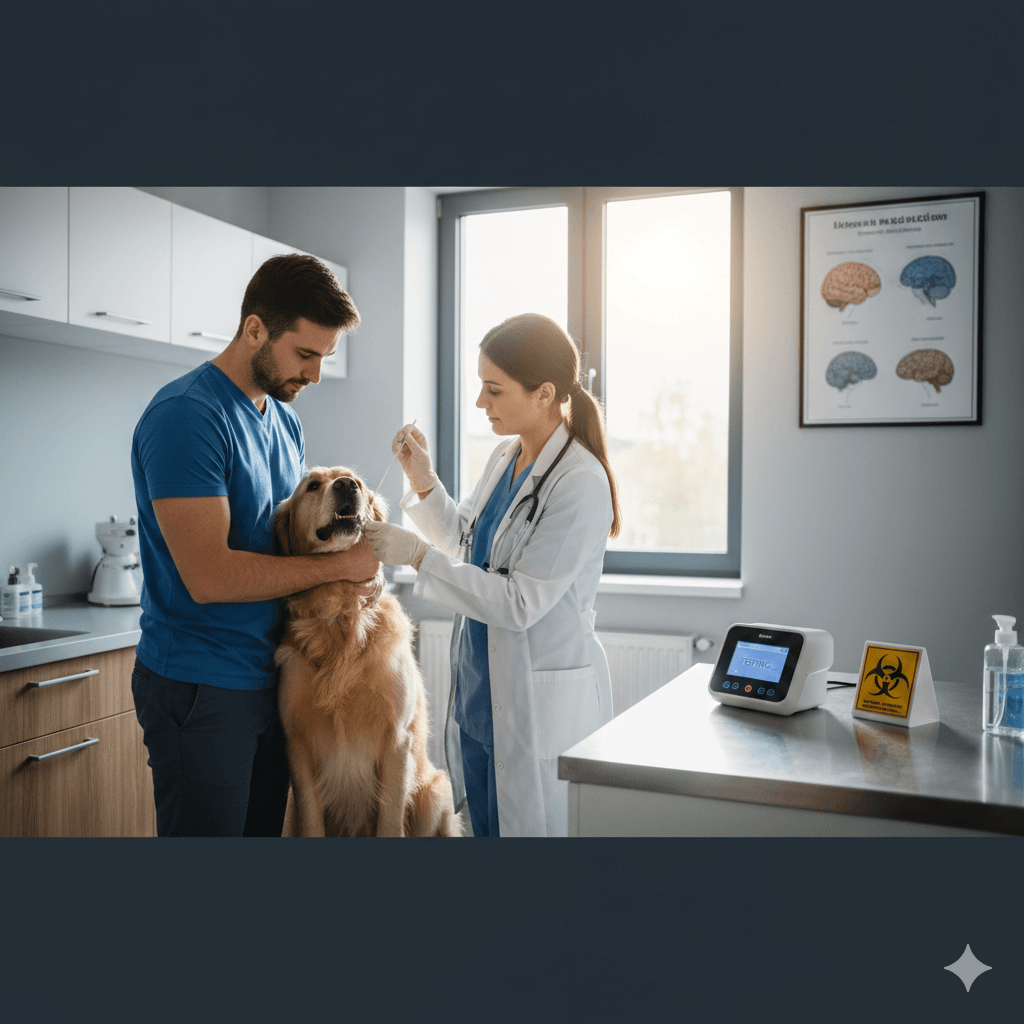
The Science Behind Rabies Testing
- Direct Fluorescent Antibody Test (DFA):
The DFA test is the primary method used for rabies diagnosis. It involves taking brain tissue samples and applying fluorescent-labeled antibodies that bind to the virus, making it visible under a microscope. - Sensitivity and Specificity:
The DFA test is highly sensitive and specific, meaning it accurately identifies rabies in nearly all cases. However, improper sample collection or delays in testing can compromise results. - Alternative Diagnostic Methods:
While DFA remains the standard, researchers are exploring alternatives like PCR (polymerase chain reaction) tests, which detect viral RNA. These methods are less invasive but not yet widely adopted for routine use. - Challenges in Sample Collection:
Collecting brain tissue requires euthanizing the animal, which raises ethical concerns. This is why rabies testing is reserved for high-risk situations, such as unvaccinated dogs with bite histories. - Role of Veterinary Pathologists:
Veterinary pathologists play a crucial role in interpreting test results. Their expertise ensures accurate diagnosis and helps guide public health decisions regarding rabies control.
Check this guide 👉 How Do Dogs Get Rabies? Best 7 Expert Tips!
Check this guide 👉 Rabies Symptoms in Dogs: Best 7 Expert Tips!
Check this guide 👉 Rabies Vaccine Side Effects in Dogs: Best 7 Expert Tips!
Key Facts About Rabies Testing | Prevention Tips for Dog Owners |
|---|---|
Post-mortem testing is required for rabies diagnosis | Keep your dog’s rabies vaccinations up to date |
Brain tissue samples are analyzed using the DFA test | Avoid contact between your dog and wildlife |
Results are typically available within 1–2 days | Report any bite incidents to authorities immediately |
Unvaccinated dogs may face euthanasia or quarantine | Educate yourself about rabies laws in your area |
Live testing for rabies in dogs is not yet available | Supervise outdoor activities to minimize exposure risks |
Legal and Ethical Considerations of Rabies Testing
- Public Health Priorities:
Rabies is a zoonotic disease, meaning it can transmit from animals to humans. Testing is prioritized in cases involving human exposure to prevent outbreaks and fatalities. - Euthanasia Requirements:
Since rabies testing requires brain tissue, euthanasia is necessary. This raises ethical questions about balancing public safety with animal welfare. - Quarantine Laws:
In many areas, vaccinated dogs involved in biting incidents may be quarantined instead of tested. Quarantine periods typically last 10 days, during which the dog is monitored for symptoms. - Owner Consent and Rights:
Dog owners must consent to euthanasia and testing in most cases. However, laws may override consent if public safety is at risk, such as in unvaccinated or stray dogs. - Impact on Shelter Policies:
Animal shelters often face difficult decisions when handling unvaccinated or stray dogs suspected of rabies. Testing may be required to protect staff and adopters.
Preventing the Need for Rabies Testing
- Importance of Vaccination:
Regular rabies vaccinations are the most effective way to prevent infection. Most regions require dogs to be vaccinated by a certain age and maintain booster shots throughout their lives. - Avoiding Wildlife Contact:
Dogs should be kept away from wildlife, such as raccoons, bats, and skunks, which are common carriers of the rabies virus. Supervised outdoor time and secure fencing help minimize risks. - Recognizing Exposure Risks:
Bite wounds, scratches, or saliva contact from unknown animals should be treated as potential exposures. Immediate veterinary consultation is essential in these cases. - Educating the Public:
Community awareness campaigns about rabies prevention save lives. Teaching people to recognize signs of rabies and report suspicious animals improves public safety. - Travel and Import Regulations:
When traveling with pets, ensure compliance with rabies vaccination and testing requirements. Some countries mandate additional blood tests or quarantine periods for imported animals.
Signs of Rabies in Dogs
- Prodromal Stage:
During the initial phase, dogs may exhibit behavioral changes such as anxiety, restlessness, or withdrawal. They might also lick or chew at the site of infection excessively. - Furious Stage:
This stage is characterized by aggression, hyperactivity, and excessive salivation. Infected dogs may attack without provocation and display erratic behavior. - Paralytic Stage:
As the virus progresses, muscle weakness and paralysis set in. Dogs lose the ability to swallow, leading to drooling and difficulty breathing. Death typically follows shortly after. - Atypical Presentations:
Some dogs skip the furious stage and go directly into paralysis. These atypical cases can delay diagnosis and increase exposure risks. - No Cure Once Symptoms Appear:
Once clinical signs emerge, rabies is almost always fatal. This underscores the importance of prevention and prompt reporting of suspected cases.
Global Impact of Rabies and Testing Protocols
- High-Risk Regions:
Countries in Asia and Africa bear the brunt of rabies cases due to inadequate vaccination programs and widespread stray dog populations. These areas rely heavily on post-exposure prophylaxis for humans. - World Health Organization Initiatives:
The WHO promotes mass dog vaccination campaigns as a cost-effective way to eliminate rabies. Targeted efforts have successfully reduced cases in several countries. - Role of Laboratory Networks:
Global laboratory networks facilitate rabies testing and surveillance, ensuring consistent standards and rapid response to outbreaks. Collaboration between countries enhances data sharing and resource allocation. - Challenges in Rural Areas:
Remote regions often lack infrastructure for timely testing and vaccination. Mobile clinics and community outreach programs help bridge these gaps. - One Health Approach:
Addressing rabies requires collaboration between veterinary, medical, and environmental sectors. The One Health model emphasizes interconnectedness and shared responsibility.
Emotional and Practical Support for Dog Owners
- Counseling Services:
Veterinarians and shelters often offer grief counseling or referrals to pet loss support groups. These services help owners process emotions related to euthanasia and testing. - Financial Assistance Programs:
Testing and quarantine costs can burden owners financially. Nonprofits and government programs may provide aid to cover expenses associated with rabies prevention and management. - Education on Prevention:
Teaching owners about rabies risks and prevention empowers them to make informed decisions. Workshops, online resources, and community events raise awareness effectively. - Advocacy for Research:
Supporting research into non-lethal rabies testing methods gives hope for future advancements. Advocacy groups lobby for increased funding and innovation in this field. - Building Stronger Bonds:
Despite the challenges, focusing on the bond between humans and dogs fosters resilience. Celebrating the joy pets bring reminds us why prevention and care matter so deeply.
Frequently Asked Questions About Rabies Testing in Dogs
Can a dog be tested for rabies while alive?
No, rabies testing in dogs typically requires brain tissue samples, which means the test is performed post-mortem. There are currently no reliable live tests for rabies in dogs.
How long does it take to get rabies test results?
Results from the direct fluorescent antibody (DFA) test are usually available within 1–2 days after sample submission to a certified laboratory.
What happens if my dog bites someone and isn’t vaccinated?
In most cases, unvaccinated dogs that bite humans are either euthanized for testing or placed under strict quarantine for 10 days to monitor for symptoms.
Can a vaccinated dog still get rabies?
While extremely rare, vaccine failure can occur. However, up-to-date vaccinations provide strong protection and legal proof that your dog is unlikely to carry rabies.
Is rabies testing mandatory for all dogs?
No, rabies testing is only required in specific situations, such as bite incidents, suspected exposure, or when importing dogs into certain countries.
A Lifeline in Every Moment of Crisis

Can a Cat Be Tested for Rabies? Best 7 Expert Tips! – Learn if testing is possible, understand the process, and discover prevention tips to keep your cat safe from rabies.
Can a Dog Be Tested for Rabies? Best 7 Expert Tips! – Learn how rabies testing works, why it’s critical, and what every dog owner needs to know.

Best Vegetables for Cat Food: Best 7 Expert Tips! – Discover safe, nutritious veggies to boost your cat’s diet, support digestion, and enhance overall health naturally.

Best Vegetables for Dog Food: Best 7 Expert Tips! – Discover safe, nutritious veggies to boost your dog’s diet, support digestion, and enhance overall health naturally.