
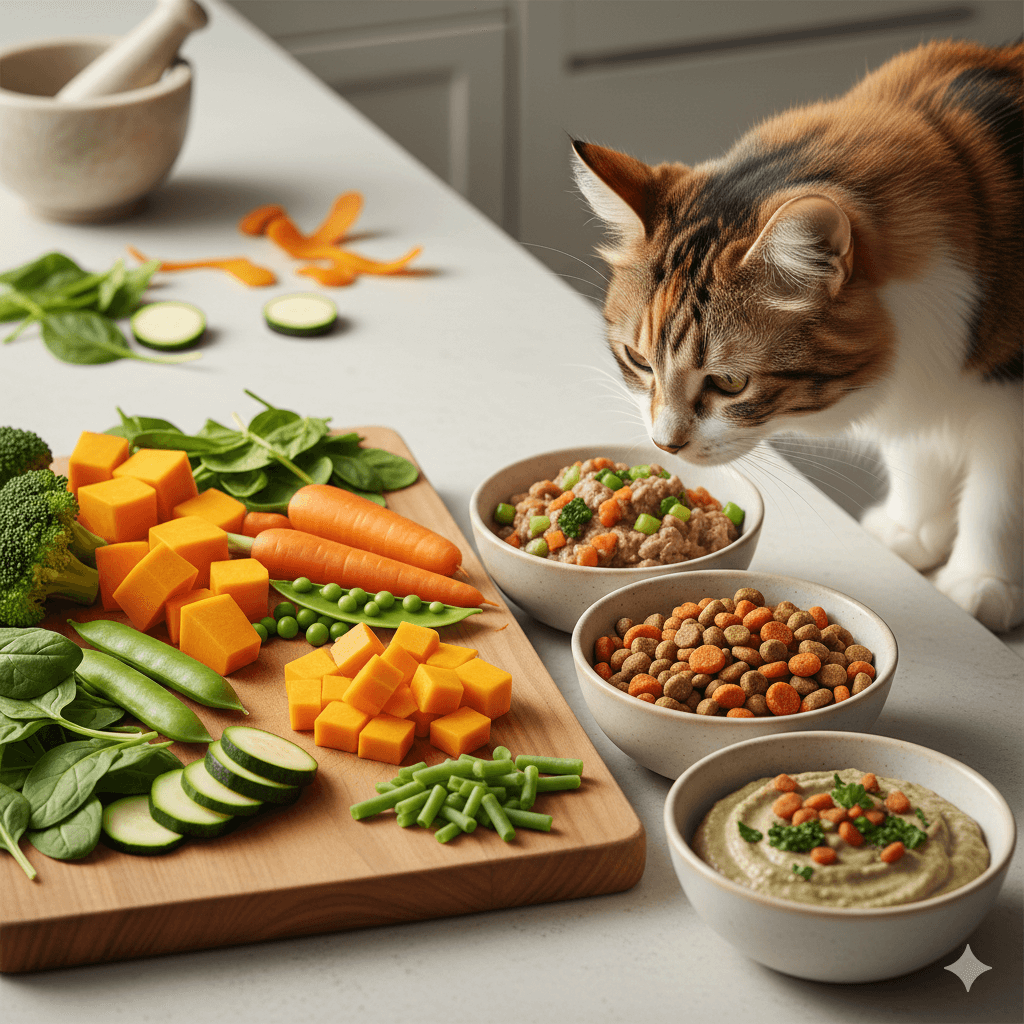

Best Vegetables for Cat Food: Best 7 Expert Tips!

Best Vegetables for Cat Food: Best 7 Expert Tips!

Best Vegetables for Cat Food: Nutritious Additions to Your Feline’s Diet

While cats are obligate carnivores, certain vegetables can provide valuable nutrients and fiber to complement their primarily meat-based diet. Adding the right veggies not only enhances flavor but also supports digestion, hydration, and overall health. Discover which vegetables are safe, nutritious, and most beneficial for your cat’s unique dietary needs.

Why Vegetables Can Benefit Cats

While cats thrive on animal protein, small amounts of vegetables can offer vitamins, minerals, and antioxidants that enhance their diet. These additions are particularly useful for homemade cat food or as low-calorie treats.
 
  • Rich in Vitamins:
    Vegetables like carrots and pumpkin provide beta-carotene and vitamin A, which support vision, skin health, and immune function. Beta-carotene is safe for cats and converted to vitamin A as needed.
     
  • High Fiber Content:
    Fiber-rich veggies such as green beans and squash aid digestion, prevent constipation, and help manage hairballs by promoting healthy gut motility.
     
  • Low-Calorie Treats:
    Vegetables are an excellent alternative to high-calorie snacks, helping maintain a healthy weight while satisfying your cat’s occasional craving for variety.
     
  • Hydration Boost:
    Many vegetables, like cucumber and zucchini, have high water content, contributing to your cat’s daily fluid intake and supporting urinary tract health.
     
  • Antioxidant Properties:
    Leafy greens such as spinach and kale contain antioxidants that combat free radicals, reducing inflammation and supporting long-term wellness.
 
Incorporating vegetables into your cat’s diet requires careful preparation and portion control to ensure they complement rather than disrupt nutritional balance.
Best Vegetables for Cat Food: Best 7 Expert Tips!

Safe Vegetables for Cats and Their Benefits

Not all vegetables are safe for cats, but several options are both nutritious and feline-friendly. Understanding their benefits helps you make informed choices about dietary additions.
 
  • Pumpkin:
    Plain, cooked pumpkin is rich in fiber and helps regulate digestion, making it ideal for cats with diarrhea or constipation. It also supports bladder health by promoting proper hydration.
     
  • Carrots:
    Steamed or boiled carrots are packed with beta-carotene and vitamin A, supporting eye health and immune function without overloading your cat’s system.
     
  • Green Beans:
    Low in calories and high in fiber, green beans make excellent treats for overweight cats, aiding digestion while keeping calorie intake in check.
     
  • Zucchini:
    This mild vegetable is hydrating and easy to digest, offering vitamins C and B6 to boost immunity and energy metabolism in cats.
     
  • Peas:
    Cooked peas provide protein, fiber, and vitamins A, C, and K, but should be given sparingly due to their higher carbohydrate content.
 
Always introduce new vegetables gradually and monitor your cat for any adverse reactions, such as vomiting or diarrhea.
Safe Vegetables for Cats
Preparation Tips
Pumpkin (plain, cooked)
Steam or puree; mix with wet food for digestive support
Carrots (steamed or boiled)
Chop into small pieces or mash for easy digestion
Green Beans (cooked)
Serve plain, chopped, or pureed as a low-calorie treat
Zucchini (raw or steamed)
Slice thinly or blend for added hydration
Peas (cooked)
Mash lightly or mix with kibble for variety

How to Prepare Vegetables for Cats

Proper preparation ensures vegetables are safe and palatable for cats, minimizing choking hazards and digestive upset. Raw vegetables are often too hard for cats to chew, so cooking or pureeing is essential.
 
  • Steaming or Boiling:
    Steaming preserves nutrients better than boiling, which can leach water-soluble vitamins; avoid adding salt, spices, or oils during preparation.
     
  • Pureeing for Digestibility:
    Blending vegetables into a smooth puree makes them easier to mix with wet food or serve as standalone treats, especially for picky eaters.
     
  • Avoiding Harmful Additives:
    Never add garlic, onions, or seasoning to vegetables, as these ingredients are toxic to cats and can cause serious health issues.
     
  • Portion Control:
    Vegetables should constitute no more than 10% of your cat’s daily diet; excessive amounts may lead to nutrient imbalances or gastrointestinal distress.
     
  • Freezing for Convenience:
    Prepared vegetables can be frozen in small portions for later use, ensuring freshness and reducing waste.
 
By following these guidelines, you can safely incorporate vegetables into your cat’s meals without compromising their health or taste preferences.

Vegetables to Avoid Feeding Cats

While some vegetables are beneficial, others pose significant risks to cats and should be avoided entirely. Knowing which vegetables are unsafe prevents accidental poisoning and ensures your cat’s safety.
 
  • Onions and Garlic:
    These contain thiosulfates, which damage red blood cells and cause anemia; even small amounts can be toxic if ingested repeatedly.
     
  • Raw Potatoes:
    Uncooked potatoes contain solanine, a compound toxic to cats that can cause vomiting, diarrhea, and neurological symptoms.
     
  • Tomatoes (Especially Green Ones):
    Green tomatoes and leaves contain solanine and tomatine, which irritate the digestive system and may lead to toxicity.
     
  • Mushrooms:
    Wild mushrooms can be highly toxic, causing liver failure or neurological damage; even store-bought varieties should be avoided unless vet-approved.
     
  • Avocado:
    The pit and skin of avocados are choking hazards, and the fruit itself contains persin, which can upset your cat’s stomach in large quantities.
 
Educating yourself about harmful vegetables protects your cat from unnecessary risks and promotes a safer diet.
 

Creative Ways to Introduce Vegetables to Cats

Some cats are hesitant to try new foods, but creativity can encourage them to accept vegetables as part of their diet. Experimenting with textures, flavors, and presentation increases the likelihood of success.
 
  • Mixing with Wet Food:
    Chopping or pureeing vegetables and blending them with wet food masks their taste while adding nutritional value to each meal.
     
  • Freeze-Dried Treats:
    Freeze-dried vegetable bits mixed with commercial cat treats create a crunchy snack that appeals to curious felines.
     
  • Homemade Veggie Broth:
    Simmering vegetables in water creates a flavorful broth that can be poured over dry kibble or used as a hydrating drink.
     
  • Stuffing Toys:
    Using puzzle feeders or treat balls filled with mashed vegetables challenges your cat mentally and physically during mealtime.
     
  • Dehydrated Chips:
    Thinly sliced and dehydrated veggies like sweet potatoes or carrots make crunchy, low-calorie snacks perfect for training rewards.
 
With patience and persistence, most cats will come to enjoy the occasional vegetable treat as part of their routine.


Addressing Common Concerns About Vegetables in Cat Food

Many pet owners worry about introducing vegetables to their cat’s diet, fearing potential side effects or nutritional imbalances. Addressing these concerns helps alleviate doubts and encourages informed decision-making.
 
  • Nutritional Adequacy:
    Vegetables should supplement—not replace—meat-based proteins; consult your vet to ensure your cat’s diet remains balanced and complete.
     
  • Allergic Reactions:
    Though rare, some cats may develop sensitivities to specific vegetables; watch for signs like itching, swelling, or digestive upset after introduction.
     
  • Digestive Tolerance:
    Start with small amounts to test your cat’s tolerance; sudden changes in diet can cause gas, bloating, or diarrhea.
     
  • Commercial Cat Foods with Veggies:
    Many commercial diets include vegetables as fillers; focus on high-quality brands that prioritize animal protein over plant-based ingredients.
     
  • Veterinary Guidance:
    Before making significant dietary changes, seek advice from your veterinarian to tailor recommendations to your cat’s unique needs.
 
Understanding these factors ensures a smooth transition and minimizes potential complications.
 

Long-Term Benefits of Including Vegetables in Your Cat’s Diet

Incorporating vegetables into your cat’s diet offers lasting benefits that extend beyond immediate nutrition. Over time, these additions contribute to improved health, vitality, and quality of life.
 
  • Weight Management:
    Low-calorie vegetables help maintain a healthy weight, reducing the risk of obesity-related conditions like diabetes and arthritis.
     
  • Improved Digestion:
    The fiber in vegetables supports regular bowel movements, preventing constipation and promoting a healthy gut microbiome.
     
  • Enhanced Immunity:
    Antioxidants and vitamins strengthen the immune system, protecting against infections and chronic diseases as your cat ages.
     
  • Joint and Skin Health:
    Vegetables rich in anti-inflammatory compounds, like spinach and kale, support joint flexibility and maintain a shiny, healthy coat.
     
  • Environmental Enrichment:
    Offering varied textures and flavors enriches your cat’s eating experience, stimulating curiosity and engagement during meals.
 
By embracing vegetables as a dietary component, you invest in your cat’s long-term well-being and happiness.

Frequently Asked Questions About the Best Vegetables for Cat Food

Can cats eat vegetables every day?

While small amounts of safe vegetables can be included daily, they should complement—not replace—meat-based proteins. Always prioritize a balanced diet.

Raw vegetables are generally hard to digest for cats. Steaming or pureeing makes them easier to consume and reduces choking hazards.

Vegetables should make up no more than 10% of your cat’s daily diet. Overfeeding can lead to nutrient imbalances or gastrointestinal upset.

Avoid onions, garlic, raw potatoes, tomatoes, mushrooms, and avocados, as these are toxic or harmful to cats.

Kittens have sensitive digestive systems and higher protein needs. Consult your vet before introducing vegetables to their diet.
 

A Tiny Step Toward Big Health

Incorporating the best vegetables into your cat’s diet is a simple yet impactful way to enhance their nutrition and overall well-being. While cats are obligate carnivores, these carefully chosen veggies provide fiber, hydration, and essential nutrients that support digestion, immunity, and vitality. By understanding what works best for your feline friend and preparing vegetables safely, you’re not just feeding them—you’re nurturing their health with love and care.
Can a Cat Be Tested for Rabies? Best 7 Expert Tips!

Can a Cat Be Tested for Rabies? Best 7 Expert Tips! – Learn if testing is possible, understand the process, and discover prevention tips to keep your cat safe from rabies.

Can a Dog Be Tested for Rabies? Best 7 Expert Tips!

Can a Dog Be Tested for Rabies? Best 7 Expert Tips! – Learn how rabies testing works, why it’s critical, and what every dog owner needs to know.

Best Vegetables for Cat Food: Best 7 Expert Tips!

Best Vegetables for Cat Food: Best 7 Expert Tips! – Discover safe, nutritious veggies to boost your cat’s diet, support digestion, and enhance overall health naturally.

Best Vegetables for Dog Food: Best 7 Expert Tips!

Best Vegetables for Dog Food: Best 7 Expert Tips! – Discover safe, nutritious veggies to boost your dog’s diet, support digestion, and enhance overall health naturally.

Leave a Reply

Your email address will not be published. Required fields are marked *

Post Category