
Best Vegetables for Dog Food: Nutritious Additions to Your Pup’s Diet
Leafy Greens: Power-Packed Nutrition for Dogs
- Spinach:
Spinach is rich in iron, calcium, and vitamins A, C, and K, which support bone health and boost the immune system. However, it contains oxalates, so moderation is key to avoid kidney stress. - Kale:
Kale is a superfood loaded with fiber, antioxidants, and anti-inflammatory properties. It helps detoxify the body and supports heart health, but excessive amounts may cause gas or digestive upset. - Swiss Chard:
This leafy green is high in magnesium, potassium, and vitamin E, promoting muscle function and hydration. Its mild flavor makes it an easy addition to homemade dog food recipes. - Collard Greens:
Collard greens are low in calories but high in fiber and nutrients like vitamin K, which supports blood clotting and bone density. They’re also gentle on the stomach when cooked. - Bok Choy:
Bok choy provides vitamins A, C, and K, along with folic acid and calcium. It’s a hydrating vegetable that adds crunch and nutrition to your dog’s meal without overwhelming their palate.
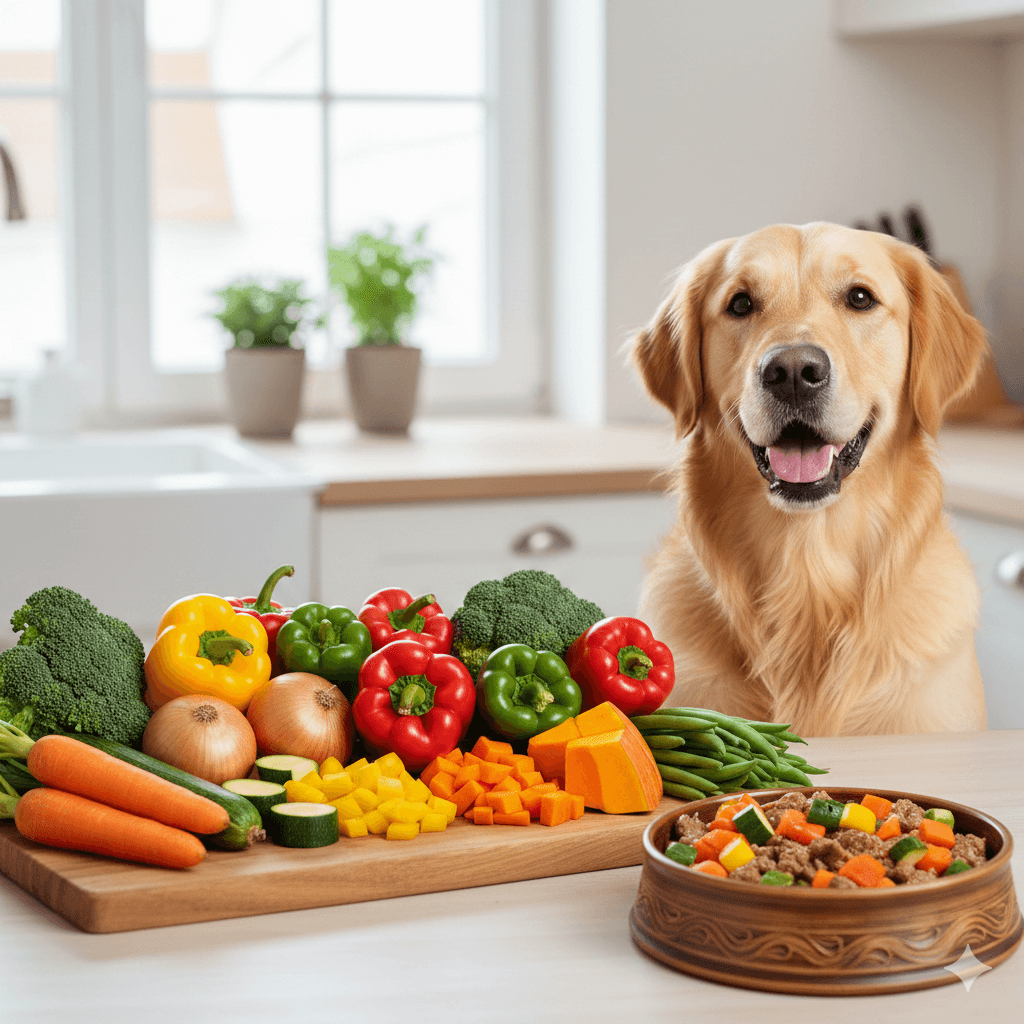
Root Vegetables: Energy and Digestive Support
- Sweet Potatoes:
Sweet potatoes are rich in dietary fiber, vitamin A, and antioxidants, promoting healthy vision, skin, and digestion. They’re also gluten-free and hypoallergenic, making them suitable for sensitive dogs. - Carrots:
Carrots are crunchy, low-calorie snacks that clean teeth naturally while providing vitamin A for eye health. Frozen carrot sticks are a refreshing treat for teething puppies. - Parsnips:
Parsnips contain potassium, vitamin C, and folate, supporting heart health and reducing inflammation. Their slightly sweet flavor appeals to most dogs and complements savory meals. - Beets:
Beets are packed with nitrates, fiber, and manganese, improving blood flow and joint mobility. However, they should be served sparingly due to their sugar content. - Turnips:
Turnips are low in calories but high in vitamin C and fiber, aiding digestion and boosting immunity. They’re best served cooked to soften their tough texture.
Check this guide 👉 Can Dogs Eat Chives? Best 7 Expert Tips!
Check this guide 👉 Can Dogs Eat Pear? Best 7 Expert Tips!
Check this guide 👉 Can Dogs Eat Apple Skin? Best 7 Expert Tips!
Vegetable Benefits | Feeding Tips |
|---|---|
Rich in fiber for healthy digestion | Steam or puree tough veggies for easier digestion |
Packed with antioxidants to boost immunity | Serve in moderation to avoid overwhelming their system |
Low-calorie snacks for weight management | Avoid seasoning—serve plain to maintain nutritional value |
Hydrating options for active or senior dogs | Freeze small pieces for a refreshing summer treat |
Supports skin, coat, and joint health | Rotate vegetables seasonally for variety and balance |
Cruciferous Vegetables: Detoxifying and Anti-Inflammatory Benefits
- Broccoli:
Broccoli is rich in fiber, vitamin C, and sulforaphane, a compound that fights cancer cells and reduces inflammation. Serve only the florets, as stems can pose choking hazards. - Cauliflower:
Cauliflower supports detoxification and aids digestion thanks to its high fiber and glucosinolate content. It’s also a great source of choline, which promotes brain health. - Brussels Sprouts:
These mini cabbages are loaded with antioxidants, vitamins K and C, and omega-3 fatty acids, supporting joint and cardiovascular health. Start with small amounts to prevent gas. - Cabbage:
Cabbage is affordable, nutrient-dense, and rich in glutamine, an amino acid that heals the gut lining. Red cabbage contains additional anthocyanins for added antioxidant power. - Arugula:
Arugula is a peppery green packed with calcium, potassium, and folate. Its mild diuretic properties help flush toxins from the kidneys.
Squash Varieties: Hydration and Gut Health
- Pumpkin:
Pumpkin is a natural remedy for both diarrhea and constipation due to its soluble and insoluble fiber content. Canned pumpkin (unsweetened) is convenient and highly palatable. - Butternut Squash:
Butternut squash is rich in beta-carotene, magnesium, and potassium, supporting eye health, muscle function, and electrolyte balance. Its sweetness appeals to picky eaters. - Zucchini:
Zucchini is low in calories but high in water content, making it a hydrating snack for overweight or senior dogs. It’s also rich in vitamin B6 and folate. - Acorn Squash:
Acorn squash provides vitamins A and C, along with fiber, promoting healthy skin, coat, and digestion. Roasting enhances its natural sweetness. - Spaghetti Squash:
This unique squash mimics pasta strands, offering a fun and nutritious alternative to traditional treats. It’s light, hydrating, and easy to digest.
Nightshade Vegetables: Caution and Moderation
- Bell Peppers:
Bell peppers are rich in vitamins A, C, and E, as well as beta-carotene, supporting immune function and skin health. Remove seeds and chop finely before serving. - Tomatoes:
Tomatoes provide lycopene, an antioxidant that protects against cellular damage. Only ripe tomatoes should be fed, as green parts contain toxic solanine. - Eggplant:
Eggplant is a good source of fiber, manganese, and nasunin, an antioxidant that protects brain cells. Serve cooked and in small portions to avoid digestive upset. - Cherry Tomatoes:
While small, cherry tomatoes carry the same risks as larger tomatoes. Always supervise consumption and remove stems and leaves. - Potatoes:
Plain, cooked potatoes (without seasoning) are safe in moderation. Avoid raw potatoes, as they contain harmful solanine compounds.
Allium-Free Options: Safe Alternatives to Onions and Garlic
- Celery:
Celery is a crunchy, hydrating vegetable that mimics the texture of onions without toxicity. It’s also rich in vitamin K and antioxidants. - Green Beans:
Green beans are a safe, low-calorie option that adds bulk and nutrients to meals. They’re high in fiber, vitamin C, and manganese. - Cucumbers:
Cucumbers are refreshing, hydrating snacks that replace the crispness of onions. They’re also low in calories and packed with silica for joint health. - Fennel:
Fennel has a mild licorice flavor similar to garlic but is completely safe for dogs. It aids digestion and reduces bad breath naturally. - Radishes:
Radishes offer a peppery crunch without the dangers of alliums. They’re rich in vitamin C and promote dental hygiene through chewing.
Seasonal Vegetables: Rotating for Optimal Nutrition
- Spring Vegetables:
Asparagus, peas, and radishes are abundant in spring. Asparagus supports urinary health, while peas provide protein and fiber. - Summer Vegetables:
Zucchini, cucumbers, and bell peppers thrive in summer. These hydrating veggies combat heat stress and keep dogs cool during warmer months. - Fall Vegetables:
Pumpkins, sweet potatoes, and Brussels sprouts dominate fall harvests. They’re perfect for boosting immunity and preparing dogs for colder weather. - Winter Vegetables:
Kale, turnips, and winter squash store well and provide dense nutrition during colder months. They help maintain energy levels and warmth. - Year-Round Staples:
Carrots, green beans, and spinach are available year-round, offering consistent nutrition regardless of seasonality.
Frequently Asked Questions About the Best Vegetables for Dog Food
Can dogs eat raw vegetables?
Yes, many vegetables like carrots and celery can be served raw, but cooking or pureeing them often makes digestion easier and enhances nutrient absorption.
How much vegetable should I add to my dog’s diet?
Vegetables should make up no more than 10–20% of your dog’s total diet. Always introduce new foods gradually to avoid digestive upset.
Are frozen vegetables safe for dogs?
Yes, frozen vegetables like peas or green beans are safe and convenient. Avoid those with added salt, spices, or sauces.
What vegetables should I avoid feeding my dog?
Avoid onions, garlic, mushrooms, and avocado, as they are toxic to dogs and can cause serious health issues.
Can puppies eat vegetables?
Yes, puppies can eat vegetables in moderation. Ensure they are finely chopped or cooked to prevent choking hazards and aid digestion.
A Nutrient-Packed Boost for Your Dog’s Health

Can a Cat Be Tested for Rabies? Best 7 Expert Tips! – Learn if testing is possible, understand the process, and discover prevention tips to keep your cat safe from rabies.

Can a Dog Be Tested for Rabies? Best 7 Expert Tips! – Learn how rabies testing works, why it’s critical, and what every dog owner needs to know.
Best Vegetables for Cat Food: Best 7 Expert Tips! – Discover safe, nutritious veggies to boost your cat’s diet, support digestion, and enhance overall health naturally.
Best Vegetables for Dog Food: Best 7 Expert Tips! – Discover safe, nutritious veggies to boost your dog’s diet, support digestion, and enhance overall health naturally.