
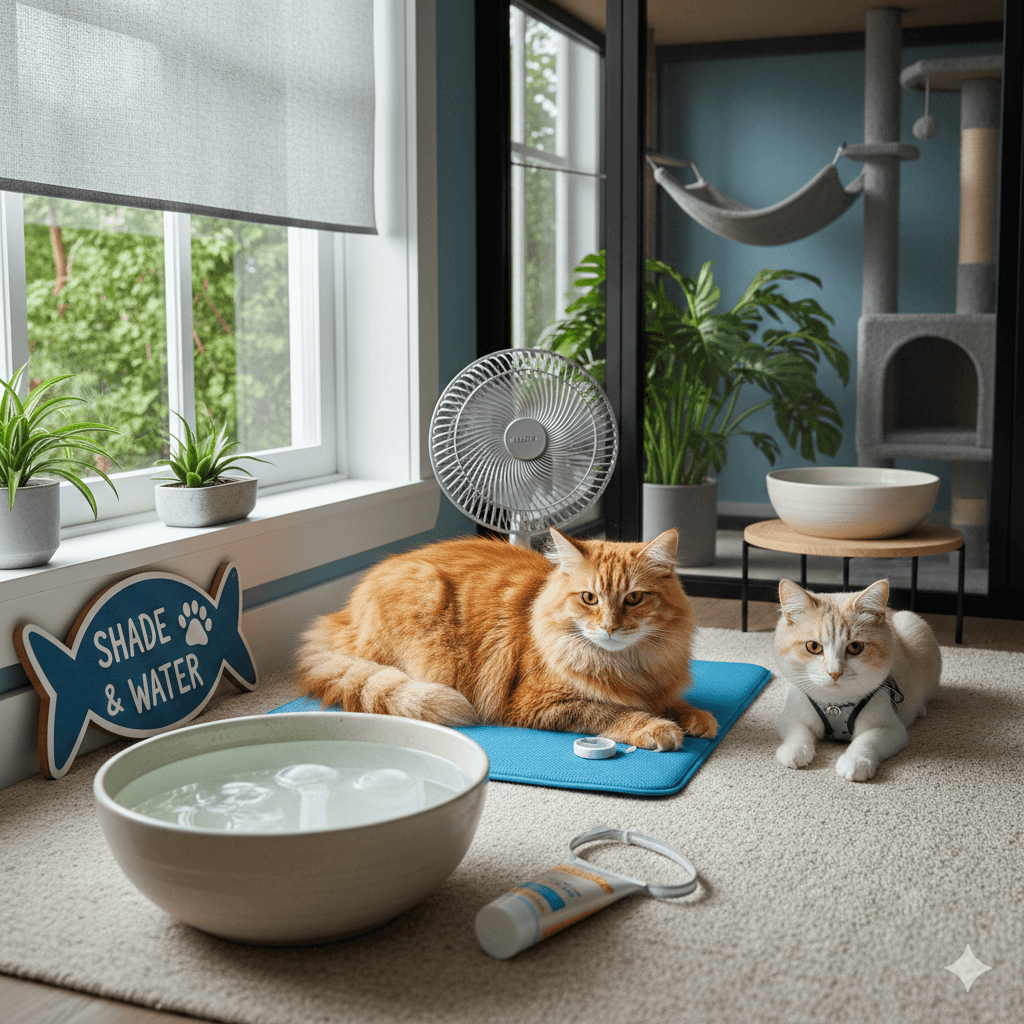

Keeping Your Cat Safe This Summer: Best 7 Expert Tips!

Keeping Your Cat Safe This Summer: Best 7 Expert Tips!

Keeping Your Cat Safe This Summer: Essential Tips for Every Pet Parent

As the temperatures rise, summer brings unique challenges for our feline friends. From dehydration risks to outdoor hazards, it’s crucial to take proactive steps to ensure your cat stays cool, hydrated, and protected. With a little preparation and care, you can help your cat enjoy the season safely while avoiding common warm-weather pitfalls.

Hydration Strategies to Prevent Dehydration

Cats are notoriously poor drinkers, making hydration a top priority during hot weather. Ensuring they have constant access to fresh water and encouraging fluid intake can prevent heat-related illnesses.

  • Provide Multiple Water Stations:
    Place water bowls in various locations around your home to encourage drinking; some cats prefer certain spots or bowls over others.
     
  • Switch to Wet Food:
    Wet food contains up to 80% water, making it an excellent way to boost hydration without forcing your cat to drink more.
     
  • Invest in a Cat Water Fountain:
    Many cats are attracted to running water; a fountain can entice them to drink more frequently and stay hydrated.
     
  • Monitor Water Intake:
    Track how much water your cat consumes daily—if you notice a significant drop, consult your veterinarian promptly.
     
  • Offer Ice Cubes or Chilled Treats:
    Some cats enjoy licking ice cubes or frozen broth cubes, which provide hydration and a fun summer activity.
 
By prioritizing hydration, you reduce the risk of urinary tract issues and heatstroke, ensuring your cat remains healthy throughout the summer.
Keeping Your Cat Safe This Summer: Best 7 Expert Tips!

Protecting Your Cat from Sunburn and Heatstroke

While cats are naturally drawn to sunny spots, excessive sun exposure can lead to sunburns or even skin cancer. Additionally, high temperatures pose a serious risk of heatstroke, especially for indoor-outdoor cats.

  • Limit Outdoor Time During Peak Heat:
    Keep your cat indoors between 10 a.m. and 4 p.m., when temperatures are highest and UV rays are strongest.
     
  • Apply Pet-Safe Sunscreen:
    Use sunscreen specifically formulated for pets on areas with thin fur, such as ears, nose, and belly, to prevent sunburn.
     
  • Create Cool Indoor Spaces:
    Set up fans, air conditioning, or damp towels in shaded areas to give your cat a respite from the heat.
     
  • Watch for Heatstroke Symptoms:
    Signs include panting, drooling, vomiting, lethargy, or bright red gums—seek immediate veterinary care if observed.
     
  • Avoid Hot Surfaces:
    Pavements and metal surfaces can burn your cat’s paws; test surfaces with your hand before allowing outdoor exploration.
 
Taking these precautions minimizes risks and keeps your cat comfortable even on the hottest days.
 
Summer Hazards for Cats
Prevention Tips
Dehydration and heatstroke
Provide multiple water stations and limit outdoor time during peak heat
Sunburn and skin damage
Apply pet-safe sunscreen to vulnerable areas like ears and nose
Fleas, ticks, and mosquitoes
Use vet-approved preventatives and inspect your cat regularly
Toxic plants and chemicals
Remove poisonous plants and store cleaning products out of reach
Hot surfaces and burns
Test pavements and metal surfaces before allowing outdoor exploration

Safe Outdoor Exploration for Curious Cats

For cats that enjoy outdoor adventures, safety measures are essential to prevent accidents or exposure to hazards like toxic plants or predators. Supervised outings or secure enclosures allow them to explore safely.

  • Use a Cat Harness and Leash:
    Train your cat to walk on a harness for controlled outdoor time, avoiding busy streets or unsafe areas.
     
  • Build a Catio:
    Enclosed outdoor spaces, known as “catios,” let your cat enjoy fresh air and sunshine without encountering dangers.
     
  • Check for Toxic Plants:
    Remove poisonous plants like lilies or oleander from your yard, as ingestion can be fatal to cats.
     
  • Supervise Interactions with Wildlife:
    Prevent encounters with snakes, birds, or rodents that could harm or stress your cat.
     
  • Carry Identification:
    Ensure your cat wears a collar with ID tags or has a microchip in case they wander off during outdoor play.
 
These strategies balance your cat’s curiosity with their safety, fostering a harmonious outdoor experience.
 

Managing Fleas, Ticks, and Summer Pests

Summer brings an influx of pests like fleas, ticks, and mosquitoes, which can transmit diseases or cause discomfort. A proactive approach to pest control keeps your cat healthy and itch-free.

  • Use Vet-Approved Preventatives:
    Monthly topical treatments or oral medications effectively repel fleas, ticks, and heartworm-carrying mosquitoes.
     
  • Inspect for Ticks After Outings:
    Check your cat’s fur, especially around ears and neck, after outdoor excursions; remove any ticks promptly with tweezers.
     
  • Wash Bedding Regularly:
    Flea eggs and larvae often hide in bedding; wash it weekly in hot water to eliminate infestations.
     
  • Vacuum Frequently:
    Vacuum carpets, rugs, and furniture to remove flea eggs and adult pests from your home environment.
     
  • Consult Your Vet for Persistent Issues:
    If you notice excessive scratching, hair loss, or visible parasites, seek professional advice for tailored solutions.
 
By staying vigilant, you protect your cat from the nuisance and health risks associated with summer pests.
 

Traveling Safely with Your Cat in Summer

Whether heading to the vet or embarking on a road trip, traveling with your cat in summer requires careful planning to avoid overheating or stress. Preparation ensures a smooth journey for both you and your feline companion.

  • Choose a Well-Ventilated Carrier:
    Opt for carriers with mesh windows to allow airflow while keeping your cat secure during transit.
     
  • Pack Cooling Accessories:
    Include items like cooling mats, frozen gel packs (wrapped in fabric), or portable fans to regulate temperature.
     
  • Plan Trips During Cooler Hours:
    Schedule travel early morning or late evening to avoid midday heat and minimize discomfort.
     
  • Bring Fresh Water and Snacks:
    Keep a collapsible bowl and bottled water handy to hydrate your cat during breaks.
     
  • Monitor Stress Levels:
    Watch for signs of anxiety, such as panting or vocalization, and take steps to calm your cat with familiar scents or toys.
 
Thoughtful preparation makes summer travel safer and less stressful for your cat.
 

Recognizing and Responding to Heatstroke in Cats

Heatstroke is a life-threatening condition that requires immediate action. Understanding its causes, symptoms, and treatment options empowers you to act swiftly in emergencies.

  • Identify Common Causes:
    Trapped in hot cars, locked in poorly ventilated rooms, or left outside in direct sunlight can quickly lead to heatstroke.
     
  • Recognize Early Warning Signs:
    Excessive panting, drooling, rapid heartbeat, weakness, or collapse indicate overheating—act fast to cool your cat down.
     
  • Move to a Cool Area Immediately:
    Relocate your cat to shade or indoors, using fans or wet towels to lower body temperature gradually.
     
  • Offer Small Amounts of Water:
    Encourage sips of cool (not cold) water to rehydrate, but don’t force drinking if your cat refuses.
     
  • Seek Emergency Veterinary Care:
    Even if symptoms improve, internal damage may occur—professional evaluation is crucial for full recovery.
 
Quick intervention saves lives, so always prioritize cooling and medical attention for suspected heatstroke cases.
 

Creating a Cat-Friendly Summer Environment

Transforming your home into a summer haven for your cat involves thoughtful adjustments that cater to their comfort and instincts. Simple changes make a big difference in their well-being.

  • Install Window Perches:
    Cats love observing the outdoors; window perches offer entertainment while keeping them cool indoors.
     
  • Freeze Treats for Fun:
    Make frozen treats by mixing water with tuna juice or catnip in ice cube trays—perfect for beating the heat.
     
  • Adjust Blinds and Curtains:
    Block harsh sunlight during peak hours to maintain cooler indoor temperatures and reduce glare.
     
  • Provide Hiding Spots:
    Cardboard boxes or cozy blankets create retreats where your cat can relax away from the heat.
     
  • Play Calming Music:
    Soft music or white noise machines soothe anxious cats during thunderstorms or noisy summer events.
 
A cat-friendly environment enhances your pet’s happiness and helps them thrive despite rising temperatures.
 

Frequently Asked Questions About Summer Safety Tips for Cats

How can I keep my cat cool during summer?

Provide shaded areas, fresh water, and cooling accessories like damp towels or frozen treats to help your cat beat the heat.

Yes, but only under supervision or in secure enclosures like a catio to avoid heatstroke, dehydration, or encounters with wildlife.

Panting, drooling, rapid heartbeat, lethargy, or vomiting indicate overheating—seek immediate veterinary care if observed.

Yes, especially on areas with thin fur like ears and nose. Use pet-safe sunscreen to protect their skin during peak sunlight hours.

Brush long-haired cats daily to prevent matting and overheating; short-haired cats need less frequent grooming but still benefit from regular checks.

A Safe and Happy Summer for Your Feline Friend

Summer doesn’t have to be stressful for you or your cat—with the right precautions, you can ensure they stay cool, hydrated, and protected. From providing fresh water and shaded retreats to safeguarding against pests and sunburn, every small step makes a big difference. By staying vigilant and proactive, you’ll create a summer haven where your cat can thrive. Remember, their comfort and well-being are a reflection of your love and care—a bond that grows stronger with every thoughtful gesture.
Can a Cat Be Tested for Rabies? Best 7 Expert Tips!

Can a Cat Be Tested for Rabies? Best 7 Expert Tips! – Learn if testing is possible, understand the process, and discover prevention tips to keep your cat safe from rabies.

Can a Dog Be Tested for Rabies? Best 7 Expert Tips!

Can a Dog Be Tested for Rabies? Best 7 Expert Tips! – Learn how rabies testing works, why it’s critical, and what every dog owner needs to know.

Best Vegetables for Cat Food: Best 7 Expert Tips!

Best Vegetables for Cat Food: Best 7 Expert Tips! – Discover safe, nutritious veggies to boost your cat’s diet, support digestion, and enhance overall health naturally.

Best Vegetables for Dog Food: Best 7 Expert Tips!

Best Vegetables for Dog Food: Best 7 Expert Tips! – Discover safe, nutritious veggies to boost your dog’s diet, support digestion, and enhance overall health naturally.

Leave a Reply

Your email address will not be published. Required fields are marked *

Post Category