
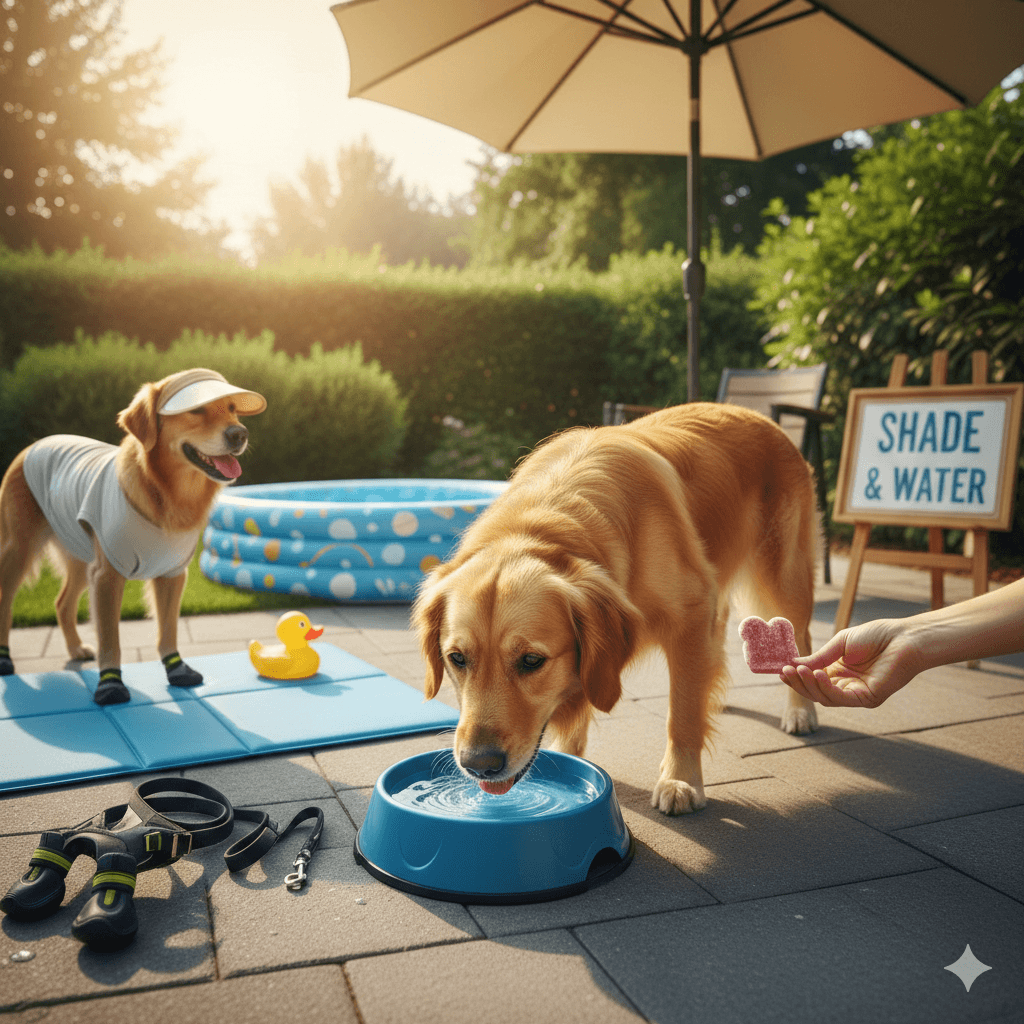
Keeping Your Dog Safe This Summer: Best 7 Expert Tips!

Keeping Your Dog Safe This Summer: Best 7 Expert Tips!

Keeping Your Dog Safe This Summer: Essential Tips for a Happy Season

As the temperatures rise, so do the risks for your furry companion—heatstroke, dehydration, and paw burns are just a few hazards to watch out for. With proper planning and precautions, you can ensure your dog stays cool, comfortable, and safe all summer long. These expert tips will help you create a season full of fun and adventure while prioritizing your pup’s well-being.

Hydration: The Cornerstone of Summer Safety

Proper hydration is essential for dogs to regulate body temperature and maintain energy levels during hot weather. Without access to fresh water, dehydration can set in quickly, leading to serious health issues.
 
  • Provide Constant Access to Fresh Water:
    Dogs lose water through panting and sweating through their paws; always keep a clean bowl filled with cool water indoors and outdoors.
     
  • Carry Portable Water Bottles on Walks:
    Invest in a dog-friendly travel bottle or collapsible bowl to ensure hydration during outdoor adventures, especially on hikes or at the park.
     
  • Monitor Water Intake:
    Track how much your dog drinks daily—sudden decreases may indicate illness or disinterest due to warm water temperatures.
     
  • Add Electrolytes (If Needed):
    For active dogs, specially formulated electrolyte solutions can replenish lost minerals without harming their digestive system.
     
  • Recognize Dehydration Symptoms:
    Signs include dry gums, sunken eyes, lethargy, and loss of skin elasticity; pinch the scruff of their neck—if it doesn’t snap back, they may be dehydrated.
 
Hydration isn’t just about convenience—it’s a lifeline that keeps your dog safe and energized throughout the summer.
Keeping Your Dog Safe This Summer: Best 7 Expert Tips!

Protecting Paws from Hot Surfaces

Hot asphalt, sand, or concrete can burn your dog’s sensitive paw pads, causing pain and potential infections. Understanding how to safeguard their paws ensures safe walks and playtime.
 
  • Test Pavement Temperature with Your Hand:
    Place the back of your hand on the ground for 7 seconds—if it’s too hot for you, it’s unsafe for your dog’s paws.
     
  • Use Protective Paw Wax or Booties:
    Products like Musher’s Secret or dog booties shield paws from heat while providing traction on slippery surfaces.
     
  • Walk During Cooler Hours:
    Plan outings for early mornings or late evenings when surfaces are cooler and the sun’s intensity is lower.
     
  • Inspect Paws After Walks:
    Check for redness, blisters, or foreign objects lodged between toes; clean gently with lukewarm water if needed.
     
  • Moisturize Dry Pads:
    Harsh conditions can dry out paw pads; use vet-approved moisturizers to keep them soft and resilient.
 
Paw protection is a simple yet crucial step in preventing discomfort and injury during summer activities.
Summer Hazards for Dogs Preventive Measures
Heatstroke from high temperatures Ensure access to shade and fresh water; avoid midday walks
Burned paws on hot surfaces Walk dogs during cooler hours or use protective paw wax
Dehydration Carry portable water bottles and bowls during outings
Sunburn on exposed skin Apply pet-safe sunscreen to sensitive areas like noses and ears
Fireworks-induced anxiety Create a calm, enclosed space and use calming aids like pheromone sprays

Preventing Heatstroke in Dogs

Heatstroke is a life-threatening condition that occurs when a dog’s body temperature rises above 104°F (40°C). Recognizing risk factors and symptoms helps you act swiftly to avoid tragedy.
 
  • Avoid Leaving Dogs in Cars:
    Even on mild days, car interiors can reach deadly temperatures within minutes; never leave your dog unattended.
     
  • Provide Shade and Ventilation:
    Outdoor spaces should have ample shade, and indoor areas must remain well-ventilated to prevent overheating.
     
  • Watch for Early Warning Signs:
    Excessive panting, drooling, vomiting, or collapse indicate heat distress; move your dog to a cool area immediately.
     
  • Cool Down Safely:
    Wet towels, fans, or shallow baths help lower body temperature—but avoid ice-cold water, which can cause shock.
     
  • Know Breeds at Higher Risk:
    Brachycephalic breeds like Bulldogs or Pugs struggle to regulate heat and require extra precautions during summer.
 
Preventing heatstroke saves lives—vigilance and quick action are key to keeping your dog safe.

Safe Outdoor Activities for Summer Fun

Summer offers countless opportunities for outdoor adventures, but not all activities are equally safe for dogs. Choosing appropriate exercises ensures fun without compromising their well-being.
 
  • Swimming as Low-Impact Exercise:
    Many dogs love swimming—it’s refreshing and easy on joints; supervise closely and rinse off chlorine or saltwater afterward.
     
  • Limit High-Intensity Play:
    Fetch or agility training should be shorter and less frequent to avoid overexertion in the heat.
     
  • Explore Dog-Friendly Beaches or Parks:
    These locations often provide shade, water access, and socialization opportunities for a fulfilling day out.
     
  • Use Cooling Gear:
    Vests, mats, or bandanas designed to retain cold water help regulate body temperature during extended outings.
     
  • Adjust Activity Levels Based on Weather:
    On extremely hot days, opt for mentally stimulating indoor games instead of physically demanding outdoor sessions.
 
Tailoring activities to your dog’s needs maximizes enjoyment while minimizing risks associated with summer heat.

Grooming for Comfort in Warm Weather

Proper grooming plays a vital role in helping dogs stay cool and comfortable during summer. Regular maintenance prevents matting, reduces shedding, and minimizes overheating.
 
  • Brush Frequently to Remove Loose Fur:
    Daily brushing removes dead hair, improving airflow through the coat and reducing insulation.
     
  • Trim Long-Haired Breeds Carefully:
    Avoid shaving double-coated breeds; instead, thin their undercoat to preserve natural temperature regulation.
     
  • Clean Ears and Skin Folds:
    Increased humidity raises infection risks; inspect and clean ears, wrinkles, or other vulnerable areas regularly.
     
  • Bathe Only When Necessary:
    Over-bathing strips natural oils; use a gentle, hydrating shampoo to maintain skin and coat health.
     
  • Apply Pet-Safe Sunscreen:
    Hairless breeds or those with thin coats need UV protection on exposed skin to prevent burns.
 
Grooming isn’t just cosmetic—it’s a proactive measure to enhance comfort and prevent heat-related issues.
 

Traveling Safely with Your Dog in Summer

Whether road trips or weekend getaways, traveling with your dog in summer requires special considerations to ensure safety and happiness. Planning ahead makes all the difference.
 
  • Pack Essentials for Comfort:
    Include portable water bowls, cooling mats, and familiar toys to create a stress-free environment.
     
  • Ensure Proper Rest Breaks:
    Frequent stops allow your dog to stretch, hydrate, and relieve themselves during long journeys.
     
  • Secure Them in the Vehicle:
    Use harnesses or crates to prevent injury in case of sudden stops; never let them ride unrestrained.
     
  • Avoid Direct Sunlight in Cars:
    Use window shades to block UV rays and keep the interior cool, even with air conditioning running.
     
  • Research Pet-Friendly Destinations:
    Choose hotels, parks, or restaurants that welcome dogs, ensuring a smooth and enjoyable trip for everyone.
 
Traveling with your dog in summer can be rewarding—with preparation, both of you can enjoy new experiences together.

Summer-Specific Risks for Dogs: What Every Owner Should Know

Summer brings unique challenges for dog owners, from scorching temperatures to seasonal hazards like fireworks and outdoor pests. Understanding these risks ensures you can proactively protect your dog and keep them safe all season long.
 
  • Heatstroke Prevention:
    Dogs cannot sweat like humans; they rely on panting to cool down, making them highly susceptible to heatstroke in high temperatures or enclosed spaces.
     
  • Fireworks and Noise Anxiety:
    Loud celebrations can terrify dogs, leading to escape attempts, destructive behavior, or extreme stress; create a safe, quiet space during fireworks.
     
  • Sunburn and UV Exposure:
    Hairless breeds or those with thin coats are prone to sunburn; apply pet-safe sunscreen to exposed areas like noses and ears.
     
  • Seasonal Allergies:
    Pollen, grass, and insect bites can trigger allergic reactions; watch for itching, swelling, or respiratory issues and consult your vet if needed.
     
  • Water Safety Awareness:
    Not all dogs are natural swimmers; supervise water activities closely and invest in a life jacket for weaker swimmers or boating trips.
 
By addressing these summer-specific risks, you ensure your dog enjoys the season safely while minimizing potential health concerns.
 

Frequently Asked Questions About Summer Safety for Dogs

How do I know if my dog is overheating?

Signs include excessive panting, drooling, lethargy, vomiting, or collapse; seek immediate veterinary care if suspected.

No—shaving disrupts their natural cooling system; consult a groomer for safe alternatives like thinning the undercoat.

If pavement exceeds 85°F (29°C) or ambient temps rise above 90°F (32°C), it’s best to skip walks or choose cooler times.

Yes—they help regulate body temperature by retaining cold water, though supervision is still necessary in extreme heat.

Create a quiet space, use calming aids like pheromone sprays, and distract them with toys or treats during thunderstorms.

A Season of Joy and Caution

Summer brings endless opportunities for bonding with your dog, but it also demands heightened awareness of their unique needs. By prioritizing hydration, protecting paws, preventing heatstroke, and tailoring activities to their abilities, you create a season full of joy and adventure. Remember, your vigilance ensures that every sunny day is a safe one—and every wagging tail reflects a happy, healthy companion.
Keeping Your Dog Safe This Summer: Best 7 Expert Tips!

Keeping Your Dog Safe This Summer: Best 7 Expert Tips! – Learn how to protect your pup from heatstroke, dehydration, and more this summer. Stay safe!

When Was Cat Food Invented? Best 7 Expert Tips!

When Was Cat Food Invented? Best 7 Expert Tips! – Discover the history, key milestones, and evolution of cat food from scraps to scientifically balanced diets.

When Was Dog Food Invented? Best 7 Expert Tips!

When Was Dog Food Invented? Best 7 Expert Tips! – Discover the origins, evolution, and milestones of dog food, and how it transformed pet nutrition over time.
Kintamani Dutch Shepherd Mix: Best 7 Expert Tips!

Kintamani Dutch Shepherd Mix: Best 7 Expert Tips! – Discover the perfect blend of loyalty, agility, and charm with this unique hybrid. Learn expert care tips now!

Leave a Reply

Your email address will not be published. Required fields are marked *

Post Category