
When Was Cat Food Invented?
Early Beginnings: The Origins of Commercial Cat Food
- Shift from Natural Diets:
Cats historically relied on hunting rodents and birds, but urban environments limited access to prey, necessitating alternative food sources. - First Recorded Cat Food:
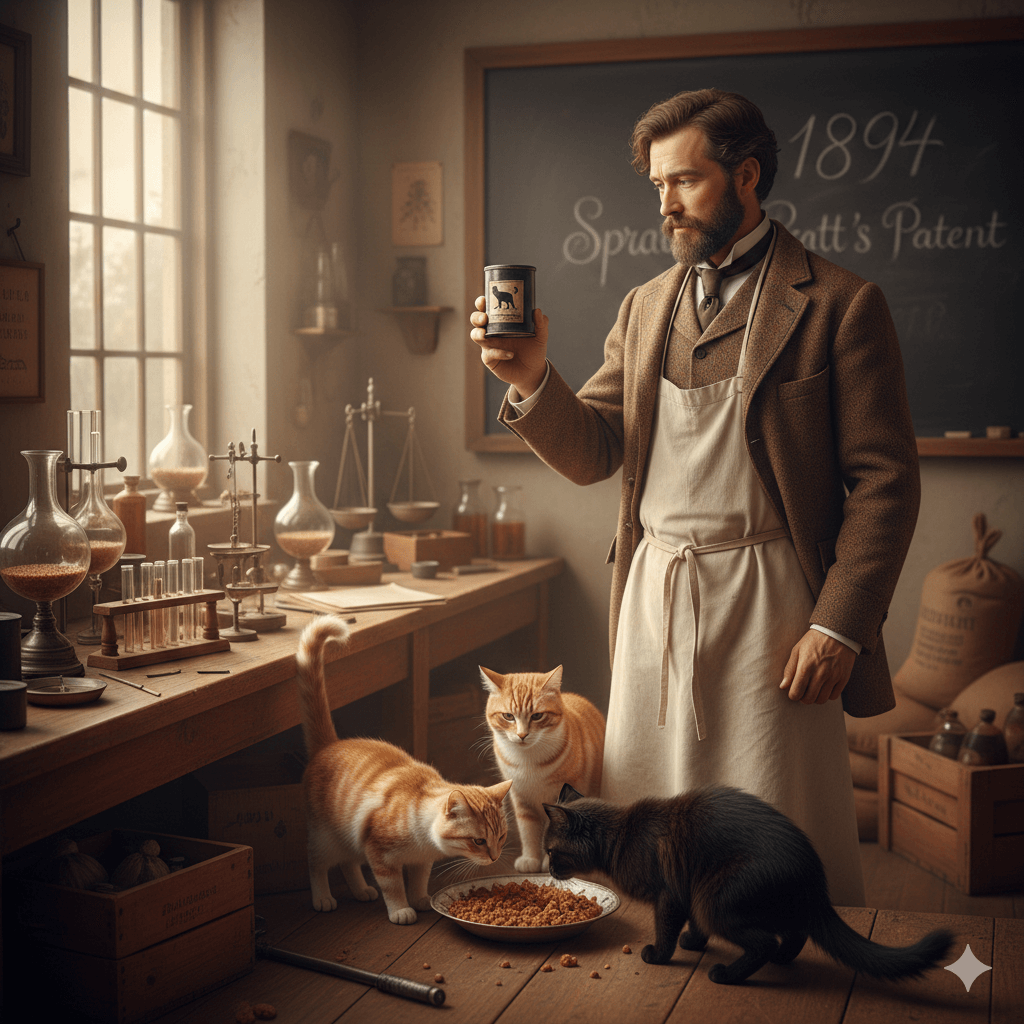
In 1860, James Spratt, an American entrepreneur, introduced the first commercial dog biscuit, which inspired similar products for cats. His “Spratt’s Patent Meat Fibrine Dog Cake” paved the way for feline nutrition innovation. - Canned Cat Food Emergence:
By the early 20th century, canned meat products specifically marketed for cats appeared, offering a more palatable and convenient option than dry biscuits. - World War II Impact:
During wartime, rationing forced manufacturers to experiment with plant-based proteins and grains, leading to the development of cost-effective yet nutritious formulas. - Post-War Innovations:
After World War II, advancements in food preservation and packaging allowed cat food to become widely available, solidifying its place in households worldwide.
The Science Behind Modern Cat Food Formulations
- Essential Nutrients Identified:
Studies revealed that cats are obligate carnivores, requiring high levels of protein, taurine, and specific amino acids like arginine to thrive. - Balanced Diets Developed:
Manufacturers began formulating foods that mimic a cat’s natural diet, ensuring all essential nutrients are included in proper proportions. - Wet vs. Dry Food Debate:
Wet food mimics prey moisture content (around 70%), while dry kibble offers dental health benefits through crunching action—both cater to different preferences. - Grain-Free and Specialized Diets:
Recent trends focus on grain-free options, hypoallergenic formulas, and life-stage-specific diets tailored to kittens, adults, or seniors. - Sustainability Efforts:
With growing environmental concerns, some brands now use sustainable ingredients and eco-friendly packaging to reduce their carbon footprint.
Check this guide 👉 Is Milk in Cat Food Safe? Best 7 Expert Tips!
Check this guide 👉 Homemade Cat Food Serving Sizes: Best 7 Expert Tips!
Check this guide 👉 Organic Dry Cat Food: Best 7 Expert Tips!
Key Milestones in Cat Food History | Impact on Modern Cat Food |
|---|---|
1860s: James Spratt’s Dog Biscuit Inspired Early Pet Food | Laid the foundation for commercial pet food production, including cats. |
Early 20th Century: Introduction of Canned Cat Food | Made feeding cats more convenient and palatable, replacing table scraps. |
Post-WWII: Rise of Dry Kibble | Enabled longer shelf life and affordability, becoming a staple in cat diets. |
1950s–1960s: Discovery of Taurine’s Importance | Led to scientifically balanced formulas, preventing nutritional deficiencies. |
21st Century: Premium and Specialized Diets | Focused on grain-free, hypoallergenic, and life-stage-specific formulations. |
Key Milestones in Cat Food History
- Introduction of Kibble:
Dry cat food emerged in the mid-20th century, offering affordability and longer shelf life compared to canned alternatives. - Rise of Premium Brands:
In the 1980s, premium brands like Hill’s Science Diet and Royal Canin introduced veterinary-recommended formulas targeting specific health issues. - Humanization Trend:
As pets became family members, gourmet and artisanal cat foods gained popularity, featuring exotic proteins like duck, venison, or salmon. - Regulatory Standards Established:
Organizations like AAFCO (Association of American Feed Control Officials) set guidelines to ensure cat food meets minimum nutritional requirements. - Global Expansion:
Cat food production expanded globally, adapting recipes to regional tastes and dietary habits while maintaining core nutritional principles.
Cultural Influences on Cat Food Development
- Urbanization and Convenience:
As cities grew, busy lifestyles demanded ready-to-serve options, driving demand for prepackaged cat food solutions. - Pet Humanization Movement:
Treating pets as family members led to increased spending on premium products, including organic and ethically sourced cat food. - Health-Conscious Consumers:
Growing awareness of allergies, obesity, and chronic illnesses prompted demand for healthier, vet-approved formulations. - Marketing Strategies Evolve:
Advertisements shifted from functional appeals (“feeds your cat”) to emotional connections (“nourish your best friend”), resonating with pet parents’ sentiments. - Digital Age Impact:
Online shopping platforms and social media influencers now shape purchasing decisions, promoting niche brands and innovative products directly to consumers.
Challenges in Cat Food Manufacturing
- Ingredient Sourcing Issues:
Securing consistent supplies of high-quality proteins and grains can be difficult due to fluctuating market prices and supply chain disruptions. - Balancing Nutrition and Taste:
Formulators must create palatable products that also meet strict nutritional guidelines, which can sometimes conflict with flavor preferences. - Food Safety Concerns:
Contamination risks require rigorous testing protocols to prevent recalls and protect consumer trust in the brand. - Environmental Impact:
Producing large quantities of cat food generates waste and greenhouse gases, prompting calls for more sustainable practices across the industry. - Consumer Education Gap:
Many pet owners lack knowledge about feline dietary needs, leading to improper feeding habits that manufacturers aim to address through education campaigns.
Future Trends in Cat Food Innovation
- Personalized Nutrition Plans:
Advances in genetic testing allow companies to develop customized diets based on individual cats’ unique health profiles and preferences. - Lab-Grown Proteins:
Synthetic meats grown in labs offer a cruelty-free, sustainable alternative to traditional animal proteins without compromising taste or nutrition. - Smart Feeding Solutions:
IoT-enabled feeders track consumption patterns, dispense precise portions, and even reorder supplies automatically via smartphone apps. - Functional Ingredients Added:
Probiotics, omega-3 fatty acids, and joint-support supplements are increasingly incorporated into formulas to promote overall wellness beyond basic nutrition. - Eco-Friendly Packaging Innovations:
Biodegradable materials and refillable containers reduce plastic waste, aligning with eco-conscious consumer demands.
The Invention of Cat Food: A Historical Perspective
- 19th Century Beginnings:
The concept of commercial pet food began in the mid-1800s when James Spratt, an American entrepreneur, introduced the first dog biscuit in 1860. This innovation inspired similar products for cats, marking the birth of commercial cat food. - Canned Cat Food Emergence:
By the early 20th century, canned meat products specifically marketed for cats appeared. These early formulations were often made from horse meat or other inexpensive proteins, offering a convenient alternative to table scraps. - Post-War Innovations:
After World War II, advancements in food preservation and packaging allowed cat food to become more widely available. Dehydrated and dry kibble options emerged, catering to busy households seeking convenience. - Scientific Advancements in Nutrition:
In the 1950s and 1960s, research into feline biology revealed the importance of taurine, protein, and specific amino acids in a cat’s diet. This led to the development of nutritionally balanced formulas that mimicked a cat’s natural dietary needs. - Modern-Day Specialization:
Today, cat food is tailored to life stages, health conditions, and even breed-specific requirements. From grain-free options to gourmet recipes, the industry continues to evolve, reflecting humanity’s deepening bond with cats.
Frequently Asked Questions About Cat Food History
When was the first commercial cat food invented?
The first commercial cat food appeared in the late 19th century, inspired by James Spratt’s dog biscuit innovations.
Who invented dry cat food (kibble)?
Why do cats need taurine in their diet?
Taurine is essential for heart health, vision, and reproductive function; deficiencies can lead to serious health problems in cats.
Are grain-free diets better for cats?
How has cat food changed over the years?
A Legacy of Love and Innovation

Keeping Your Dog Safe This Summer: Best 7 Expert Tips! – Learn how to protect your pup from heatstroke, dehydration, and more this summer. Stay safe!
When Was Cat Food Invented? Best 7 Expert Tips! – Discover the history, key milestones, and evolution of cat food from scraps to scientifically balanced diets.

When Was Dog Food Invented? Best 7 Expert Tips! – Discover the origins, evolution, and milestones of dog food, and how it transformed pet nutrition over time.

Kintamani Dutch Shepherd Mix: Best 7 Expert Tips! – Discover the perfect blend of loyalty, agility, and charm with this unique hybrid. Learn expert care tips now!