
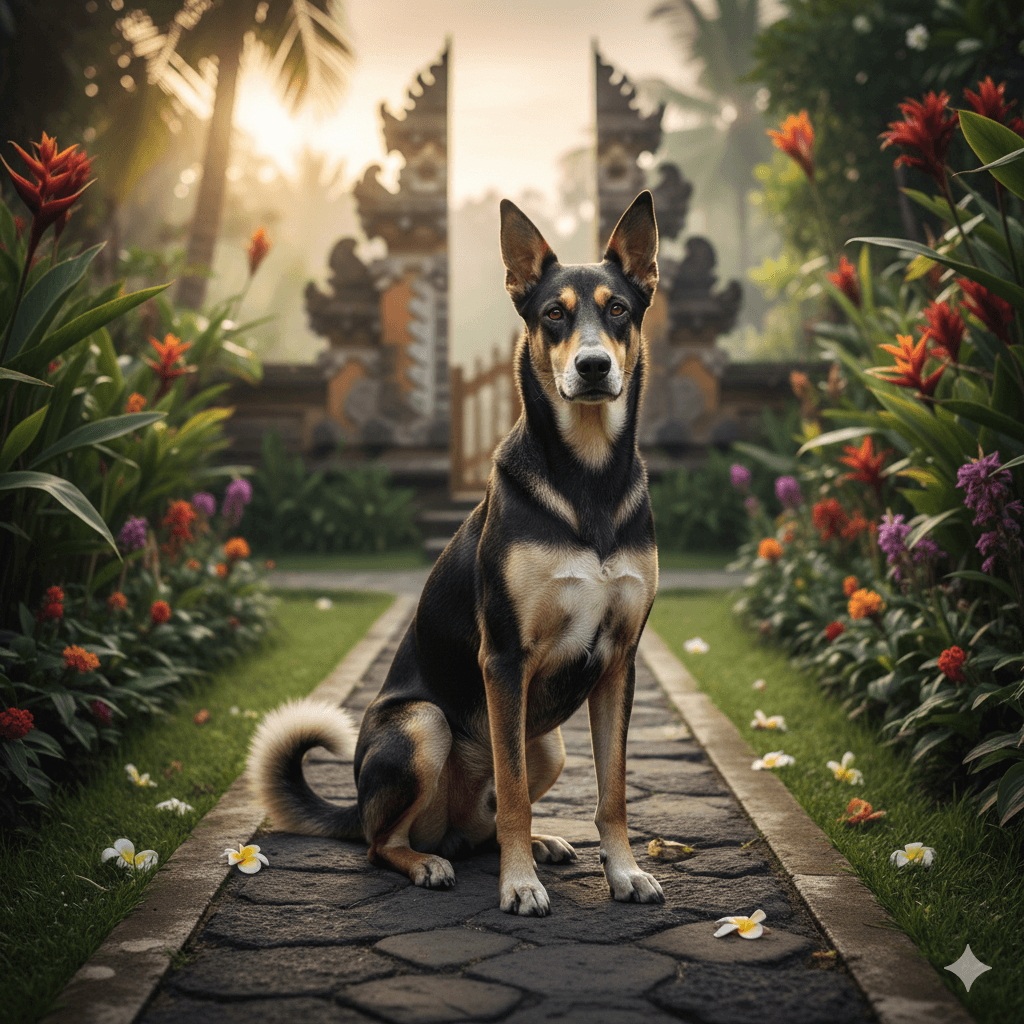
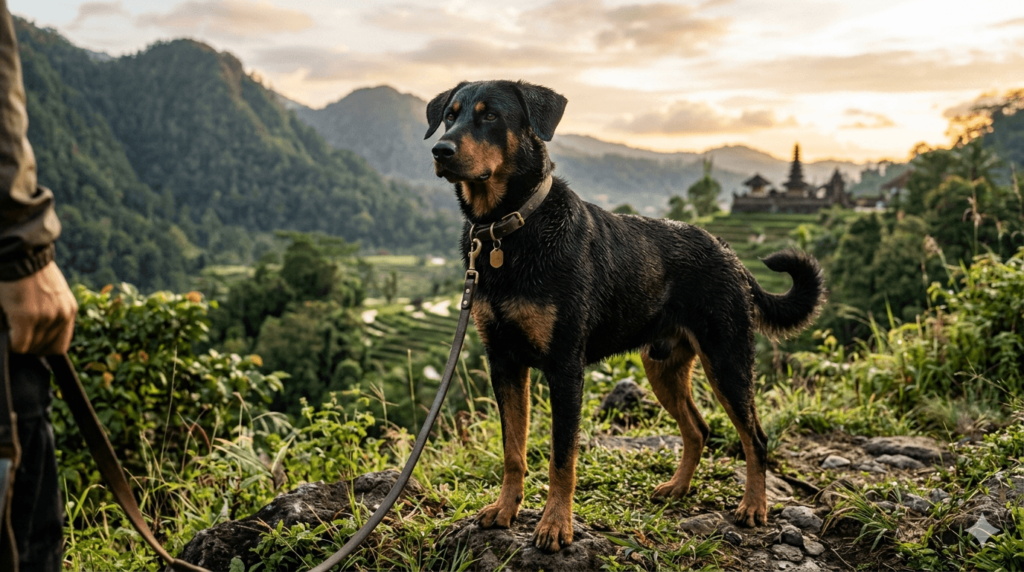
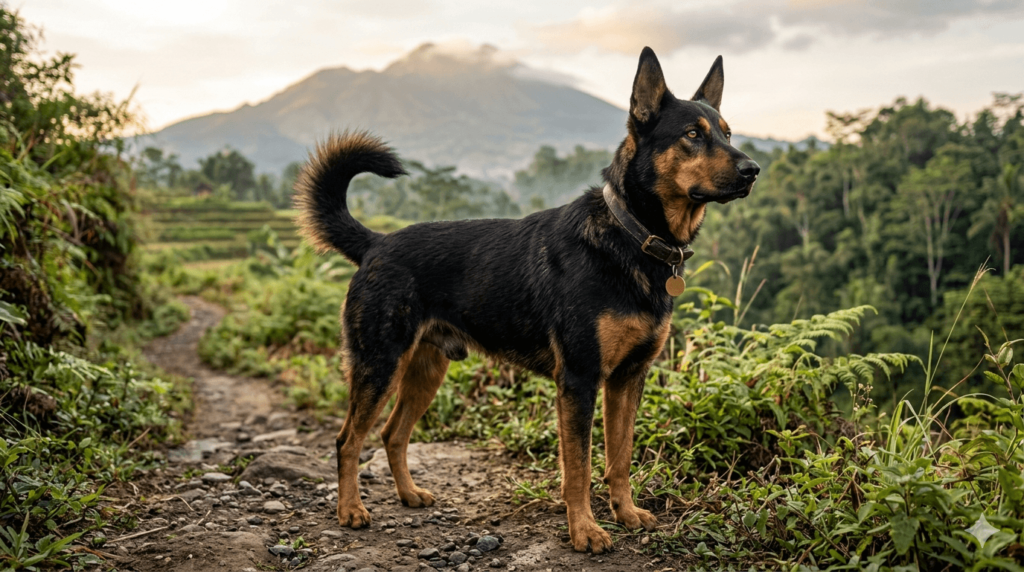
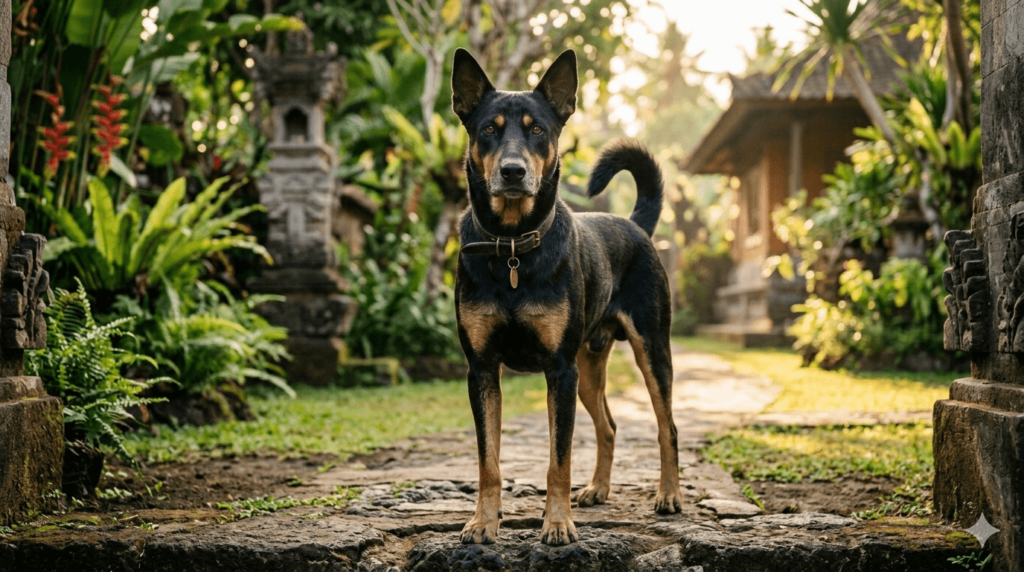

The Kintamani Doberman Mix: A Unique Blend of Strength and Spirit
- Origins of the Kintamani:
The Kintamani dog hails from Bali, Indonesia, where it evolved as a semi-wild guardian breed known for its loyalty and adaptability to harsh climates. - Doberman Heritage:
The Doberman Pinscher, originally bred by Karl Friedrich Louis Dobermann in Germany, was designed to be a fearless protector and loyal companion. - Hybrid Appeal:
This mix brings together the Doberman’s sleek athleticism and the Kintamani’s rustic resilience, creating a versatile and visually striking dog. - Temperament Balance:
While the Doberman contributes intelligence and trainability, the Kintamani adds an independent streak and natural guarding instincts. - Growing Popularity:
Though still rare, this mix is gaining attention among enthusiasts seeking a unique blend of traits for work, companionship, or protection.
Physical Traits of the Kintamani Doberman Mix
- Size and Build:
Standing 18–26 inches tall and weighing 40–80 pounds, this mix has a medium-to-large frame with a lean, athletic build suited for agility and endurance. - Coat Variations:
The coat may range from the Kintamani’s thick, weather-resistant fur to the Doberman’s short, sleek coat, often in black, brown, or fawn with occasional markings. - Distinctive Features:
The Kintamani’s bushy tail and expressive eyes combine with the Doberman’s sleek lines and alert ears, creating a unique and memorable silhouette. - Color Patterns:
Common colors include black-and-tan, solid black, or brindle, with some mixes inheriting the Kintamani’s lighter undercoat for added depth. - Adaptability to Climate:
Thanks to the Kintamani’s cold-resistant fur and the Doberman’s heat tolerance, this mix thrives in diverse environments.
Check this guide 👉 Kintamani Rottweiler Mix: Best 7 Expert Tips!
Check this guide 👉 Kintamani Chow Chow Mix: Best 7 Expert Tips!
Check this guide 👉 Kintamani Labrador Mix: Best 7 Expert Tips!
Temperament Highlights | Care Considerations |
|---|---|
Fearless and protective by nature | Weekly brushing to maintain coat health |
Loyal and deeply attached to family | Regular nail trimming and ear cleaning |
Intelligent and quick to learn | High exercise needs (at least 60 mins/day) |
Independent thinker with a stubborn streak | Sensitive to extreme heat and cold |
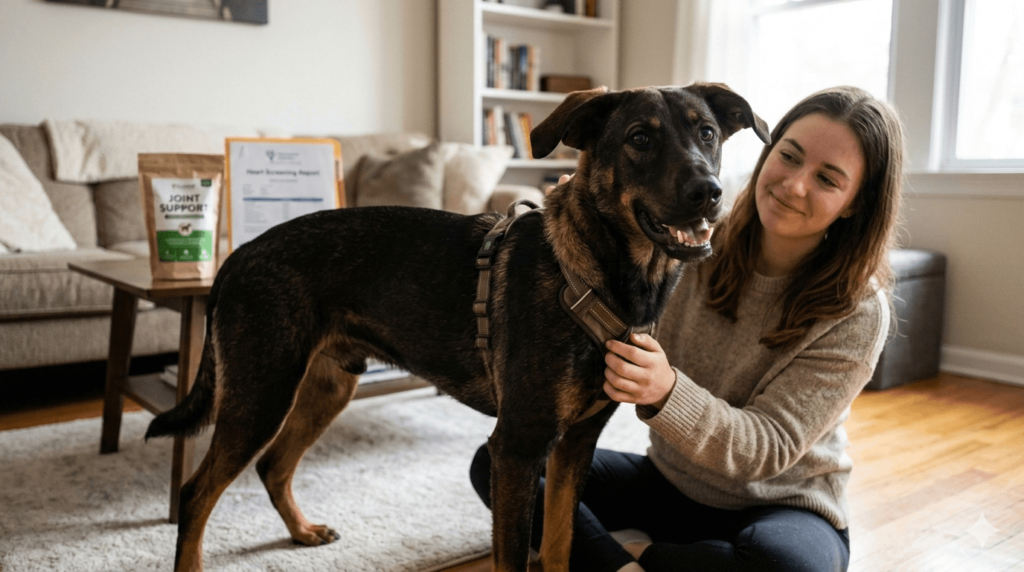
Excellent watchdog with alert instincts | Prone to joint issues; joint supplements recommended |
Temperament and Personality Traits
- Loyalty and Devotion:
Like the Doberman, this mix forms deep bonds with its family, often shadowing them around the house and offering unwavering protection. - Guardian Instincts:
The Kintamani’s natural wariness of strangers pairs with the Doberman’s alertness, making this mix an excellent watchdog. - Playful Energy:
Despite its serious demeanor, the Kintamani Doberman Mix loves to play, especially games that challenge its intelligence and athleticism. - Stubborn Streak:
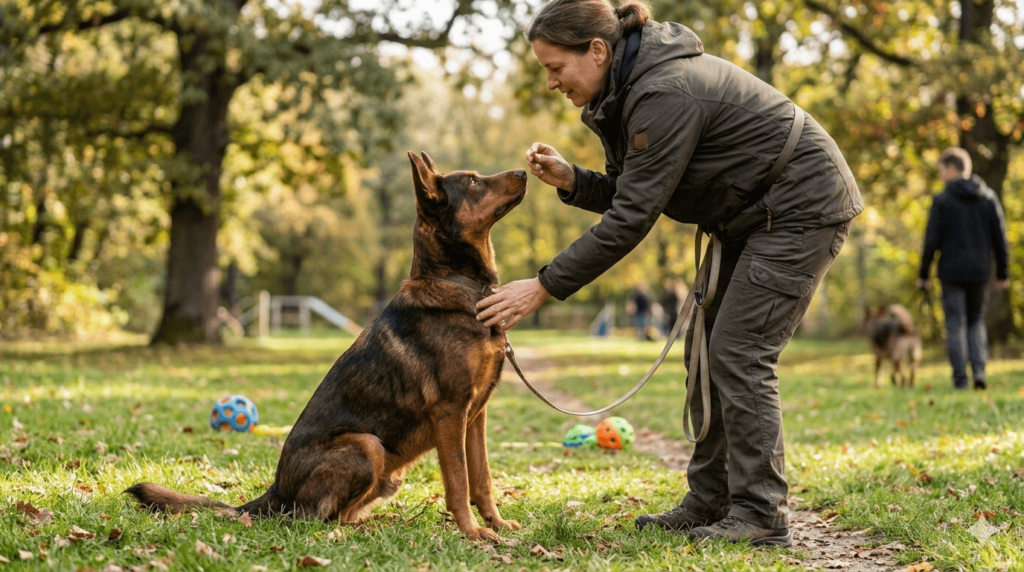
The Kintamani’s independence can lead to stubbornness during training, requiring consistent leadership and positive reinforcement. - Socialization Needs:
Early exposure to people, animals, and environments ensures this mix grows into a confident, well-rounded adult.
Training and Socialization Challenges
- Positive Reinforcement:
Reward-based methods work best, as harsh corrections can damage trust and exacerbate stubborn tendencies. - Consistency Is Key:
Establishing clear rules and routines prevents confusion and reinforces desired behaviors over time. - Mental Stimulation:
Puzzle toys, obedience drills, and scent work engage this mix’s sharp mind and prevent boredom-related mischief. - Physical Exercise:
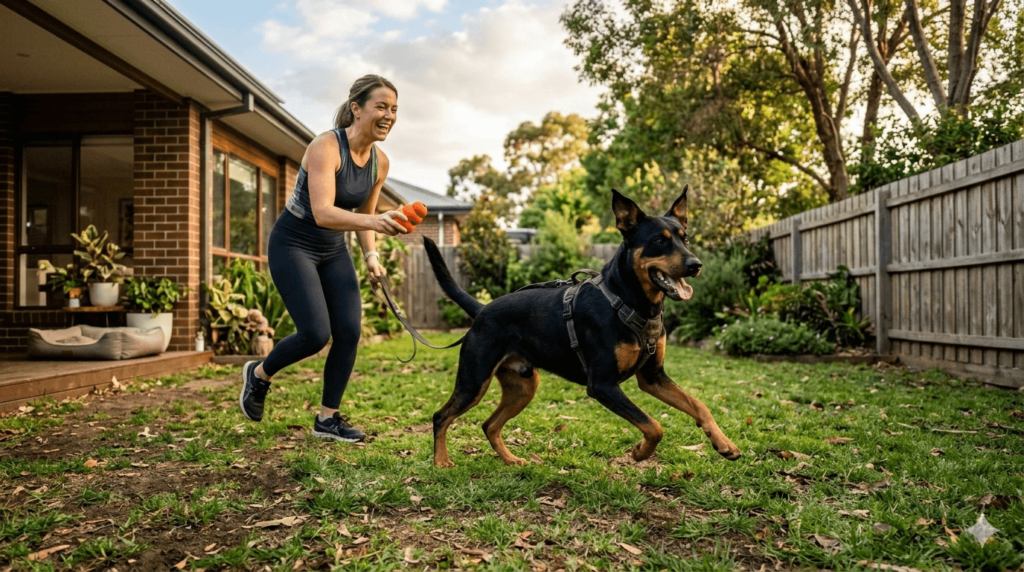
Daily walks, runs, or play sessions channel its energy constructively, reducing the risk of destructive behavior. - Socialization Early On:
Introducing this mix to new experiences before 16 weeks builds confidence and minimizes fear-based aggression.
Health Considerations for the Kintamani Doberman Mix
- Hip Dysplasia Risk:
Both breeds are susceptible to hip dysplasia; regular vet check-ups and joint supplements can mitigate symptoms. - Heart Conditions:
The Doberman’s predisposition to dilated cardiomyopathy (DCM) means cardiac screenings should be part of routine care. - Skin Sensitivities:
The Kintamani’s thick coat may trap moisture, leading to skin infections if not dried thoroughly after baths. - Dental Care Importance:
Regular teeth brushing prevents periodontal disease, which affects many medium-to-large breeds. - Lifespan Expectancy:
With proper care, this mix typically lives 10–14 years, maintaining vitality well into its senior years.
Living Arrangements and Lifestyle Fit
- Space Requirements:
While adaptable to apartments, this mix prefers homes with yards where it can roam and play freely. - Exercise Needs:
At least 60 minutes of daily activity—split between walks, runs, and interactive play—keeps this mix physically and mentally satisfied. - Companionship Expectations:
Highly social, this mix dislikes being left alone for long periods; separation anxiety can lead to destructive behaviors. - Climate Adaptability:
Its mixed coat makes it resilient to varying temperatures, though extreme heat or cold should be avoided. - Compatibility with Kids:
When raised together, this mix is gentle and protective, though supervision is advised due to its size and energy.
Grooming and Maintenance Needs
- Coat Care Routine:
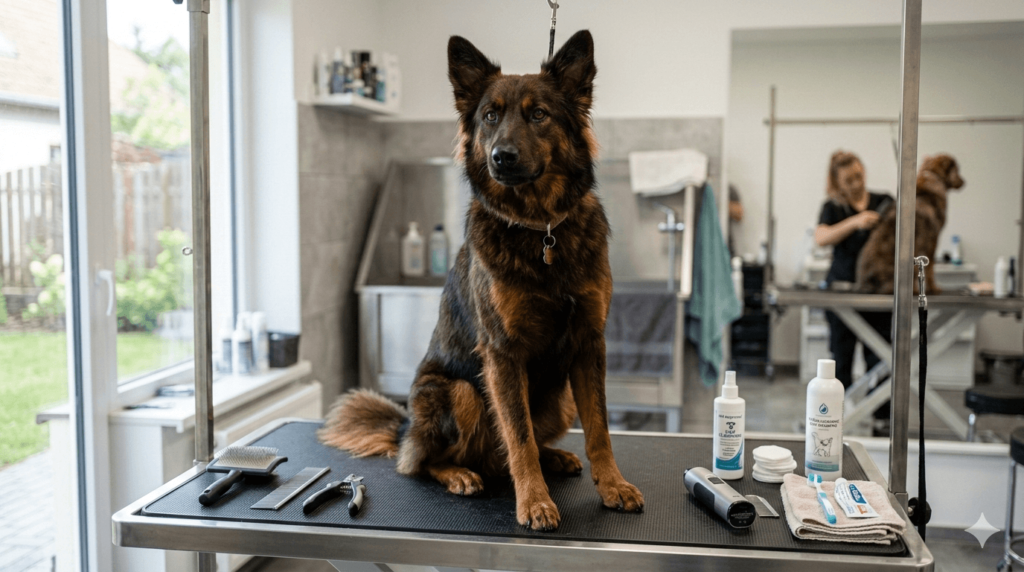
If the Kintamani’s thick fur dominates, weekly brushing is essential; shorter coats need less frequent maintenance but still benefit from monthly grooming. - Bath Frequency:
Bathe every 4–6 weeks using a mild shampoo to avoid stripping natural oils from the skin and coat. - Nail Trimming:
Trim nails every 3–4 weeks to prevent overgrowth, splitting, or discomfort during movement. - Ear Cleaning:
Check ears weekly for dirt, wax buildup, or signs of infection, cleaning them gently with a vet-approved solution. - Dental Hygiene:
Daily teeth brushing and annual professional cleanings prevent tartar buildup and gum disease.
Frequently Asked Questions About the Kintamani Doberman Mix
Is the Kintamani Doberman Mix suitable for first-time dog owners?
This mix requires experienced handling due to its intelligence, independence, and protective instincts—making it better suited for seasoned dog owners.
How much exercise does a Kintamani Doberman Mix need daily?
At least 60 minutes of physical activity is recommended, including walks, runs, or interactive play sessions to meet its high energy levels.
Are Kintamani Doberman Mixes good with children?
Yes, but supervision is advised. Their size and energy may unintentionally overwhelm younger kids, so they’re better suited for families with older, respectful children.
Do Kintamani Doberman Mixes bark a lot?
They are alert watchdogs and may bark at strangers or unusual sounds, though proper training can help manage excessive vocalization.
Where can I find a reputable breeder for this mix?
Look for breeders who specialize in both parent breeds, conduct health screenings, and provide detailed information about temperament and lineage.
A Unique Blend of Strength, Loyalty, and Spirit
The Kintamani German Shepherd Mix: A Unique Blend of Strength and Loyalty The Kintamani German Shepherd Mix combines the striking appearance and …
Kintamani Doberman Mix: Best 7 Expert Tips! – Discover the perfect blend of loyalty, strength, and spirit in this unique hybrid. Learn care, training, and health tips now!
Kintamani Rottweiler Mix: Best 7 Expert Tips! – Discover the perfect blend of loyalty, strength, and spirit with this unique hybrid companion.
Kintamani Chow Chow Mix: Best 7 Expert Tips! – Discover the perfect blend of loyalty and independence with this unique hybrid. Learn care, training, and health tips now!


