
Understanding Hypothyroidism and Its Impact on Dog Skin
Common Skin Symptoms of Hypothyroidism in Dogs
- Hair Loss (Alopecia):
Hair thinning or bald patches typically appear on the flanks, tail, or back but can spread across the body. Unlike other conditions, this hair loss is symmetrical and non-itchy, making it a hallmark of hypothyroidism. - Dry, Flaky Skin:
The skin becomes excessively dry and may develop dandruff-like flakes due to reduced sebum production. This dryness exacerbates discomfort and increases susceptibility to secondary infections. - Dull, Brittle Coat:
A lack of thyroid hormones impairs keratin production, leaving the coat dull, brittle, and prone to breakage. Owners often notice their dog’s once-shiny fur becoming lifeless and rough to the touch. - Hyperpigmentation:
Darkening or thickening of the skin occurs in chronic cases as the body attempts to compensate for prolonged inflammation. These patches are often most noticeable around the groin, armpits, or neck. - Recurrent Skin Infections:
Hypothyroid dogs frequently suffer from bacterial or fungal infections due to weakened skin barriers and immune function. Symptoms include redness, odor, and persistent scratching despite treatment.
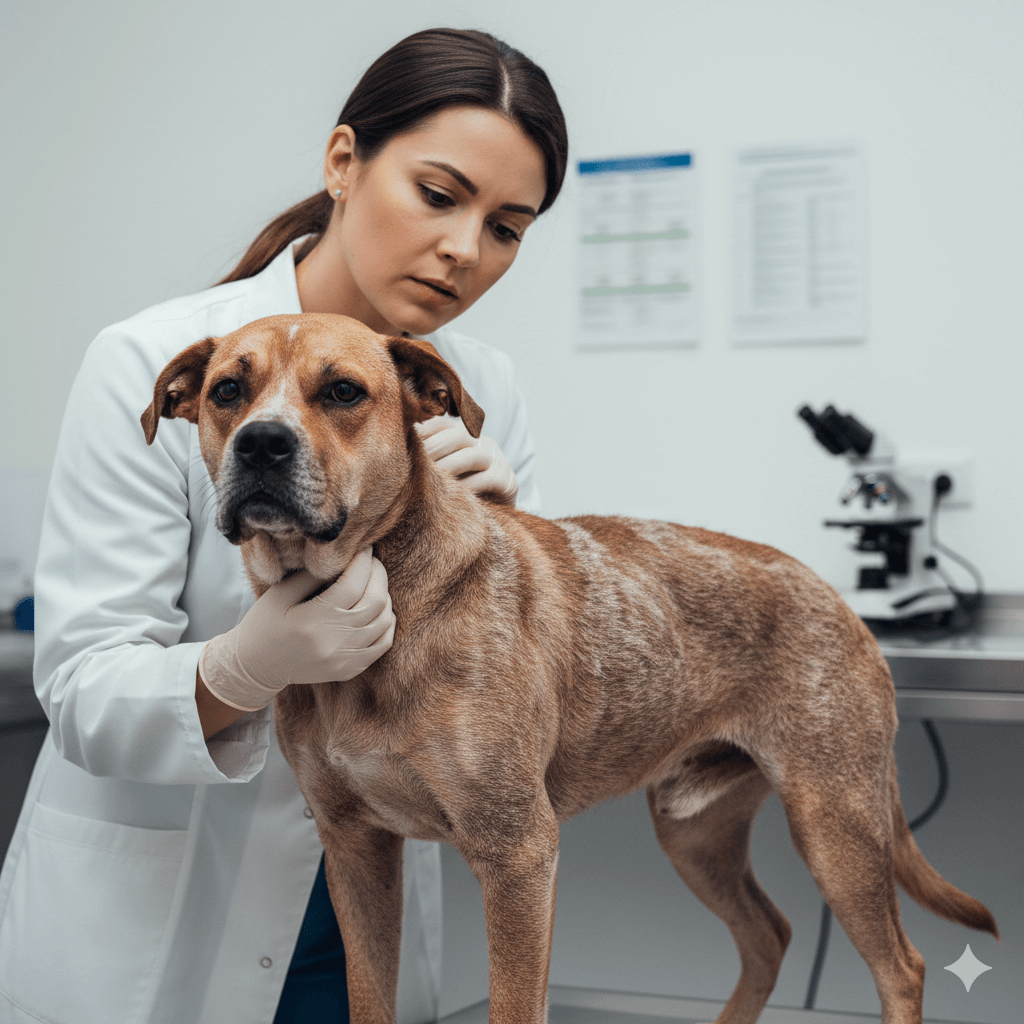
How Hypothyroidism Affects a Dog’s Skin Health
- Reduced Cell Turnover:
Thyroid hormones stimulate skin cell regeneration; without them, old cells accumulate, causing flakiness and clogged pores that trap bacteria. - Impaired Oil Production:
Sebaceous glands rely on thyroid hormones to produce natural oils. Hypothyroidism reduces oil secretion, leaving the skin parched and prone to cracking. - Weakened Immune Response:
Low thyroid levels compromise the immune system, making dogs more vulnerable to parasites, allergens, and pathogens that attack the skin. - Altered Hair Growth Cycle:
Hair follicles depend on thyroid hormones to transition between growth and rest phases. Hypothyroidism stalls this cycle, resulting in patchy, slow-growing fur. - Increased Susceptibility to Environmental Stressors:
Cold weather, humidity changes, or irritants like pollen affect hypothyroid dogs more severely due to their already-compromised skin barrier.
Check this guide 👉Understanding Dog Skin Colors: Best 7 Expert Tips!
Check this guide 👉Dog Skin Infection Home Remedy: Best 7 Expert Tips!
Check this guide 👉Worm Under Dog Skin: Best 7 Expert Tips!
| Common Skin Symptoms | Treatment Options |
|---|---|
| Hair loss (alopecia), especially on flanks and tail | Daily synthetic thyroid hormone replacement (e.g., levothyroxine) |
| Dry, flaky skin and dandruff | Medicated shampoos and topical moisturizers |
| Dull, brittle coat prone to breakage | Omega-3 supplements and high-protein diets |
| Hyperpigmentation or thickened skin | Antibiotics or antifungals for secondary infections |
| Recurrent skin infections | Regular grooming and environmental adjustments |
Diagnosing Hypothyroidism Through Skin Symptoms
- Physical Examination:
Vets inspect the skin and coat for telltale signs like alopecia, hyperpigmentation, or excessive dryness, correlating findings with known hypothyroid patterns. - Blood Tests for Hormone Levels:
Measuring total thyroxine (T4) and thyroid-stimulating hormone (TSH) provides insight into thyroid function, though additional tests may be needed for accuracy. - Skin Biopsy Analysis:
In ambiguous cases, biopsies reveal microscopic changes consistent with hypothyroidism, such as thickened epidermis or abnormal hair follicle activity. - Exclusion of Other Conditions:
Allergies, mange, or Cushing’s disease can mimic hypothyroid symptoms; vets perform differential diagnostics to pinpoint the true cause. - Response to Trial Treatment:
Sometimes, vets prescribe synthetic thyroid hormones temporarily to observe improvements in skin and coat health before finalizing the diagnosis.
Treating Skin Issues Caused by Hypothyroidism
- Synthetic Thyroid Hormone Replacement:
Daily oral medications like levothyroxine replenish deficient hormones, gradually reversing skin and coat abnormalities. - Topical Moisturizers and Shampoos:
Medicated shampoos and leave-in conditioners hydrate dry skin, reduce flakiness, and soothe irritation while promoting healthier fur regrowth. - Antibiotics for Secondary Infections:
If bacterial or fungal infections occur, antibiotics or antifungals address these complications, preventing further skin damage. - Dietary Adjustments:
Omega-3 fatty acids and high-quality proteins support skin repair and enhance coat shine, complementing medical treatments. - Regular Grooming Practices:
Frequent brushing removes loose hair and debris, stimulating circulation and encouraging new growth while monitoring ongoing skin health.
Preventing Skin Complications in Hypothyroid Dogs
- Consistent Medication Adherence:
Administer prescribed thyroid medications daily at the same time to maintain stable hormone levels and prevent symptom flare-ups. - Routine Vet Check-Ups:
Regular bloodwork ensures medication dosages remain appropriate and identifies emerging skin issues before they worsen. - Environmental Modifications:
Minimize exposure to harsh weather, chemicals, or allergens that could aggravate sensitive skin already compromised by hypothyroidism. - Stress Reduction Techniques:
Anxiety exacerbates hormonal imbalances; calming activities like walks, playtime, or pheromone diffusers promote relaxation. - Early Intervention for Symptoms:
Address minor skin changes promptly to prevent escalation into severe dermatological problems requiring intensive treatment.
Long-Term Management of Hypothyroidism and Skin Health
- Monitoring Progress Regularly:
Track changes in skin texture, coat thickness, and energy levels to assess treatment efficacy and adjust plans as needed. - Adjusting Medication Dosages:
As dogs age or experience weight fluctuations, their thyroid needs may change, necessitating periodic dosage recalibrations. - Supplementing Nutritional Gaps:
Incorporate vitamins, minerals, and omega-rich foods to bolster skin resilience and support metabolic functions. - Educating Family Members:
Ensure everyone involved in your dog’s care understands the importance of medication schedules and dietary restrictions. - Celebrating Small Wins:
Acknowledge incremental improvements in skin and coat health, reinforcing motivation to continue long-term care efforts.
Special Considerations for Breeds Prone to Hypothyroidism
- Golden Retrievers:
Known for their sensitivity to autoimmune diseases, Goldens frequently develop hypothyroidism alongside severe skin complications. - Doberman Pinschers:
This breed’s genetic predisposition leads to rapid onset of alopecia and recurrent infections if untreated. - Boxers:
Boxers often display hyperpigmentation and chronic itchiness linked to underlying thyroid dysfunction. - Irish Setters:
Their thick coats mask early signs of hair loss, delaying diagnosis unless owners remain vigilant. - Cocker Spaniels:
Spaniels commonly experience ear infections and oily skin as part of their hypothyroid symptom profile.
“Alterations in the skin and coat are common. Dryness, excessive shedding, and retarded regrowth of hair are early dermatological changes. Nonpruritic hair thinning or alopecia (usually bilaterally symmetric) of the ventral and lateral trunk, caudal surfaces of the thighs, dorsum of the tail, ventral neck, and the dorsum of the nose is observed in approximately two-thirds of dogs with hypothyroidism.” — Johanna Heseltine, DVM
Frequently Asked Questions About Hypothyroidism and Dog Skin
What are the first signs of hypothyroidism in dogs?
Can hypothyroidism cause itchy skin in dogs?
How long does it take for a dog’s skin to improve after starting treatment?
Most dogs show noticeable improvements in skin and coat health within 4–8 weeks of consistent thyroid hormone replacement therapy.
Are certain breeds more prone to hypothyroidism?
Yes, breeds like Golden Retrievers, Doberman Pinschers, and Cocker Spaniels have higher risks due to genetic predispositions.
Can diet help manage hypothyroidism-related skin issues?
A balanced diet rich in omega-3 fatty acids and high-quality proteins supports skin repair and complements medical treatments effectively.
Supporting Your Dog Through Hypothyroidism

Is Rawhide Bad for Cats? Best 7 Expert Tips! – Discover the risks, safe alternatives, and expert advice to keep your feline friend healthy and happy.

Is Rawhide Bad for Dogs? Best 7 Expert Tips! – Discover the risks, benefits, and safer alternatives to rawhides for your dog’s chewing needs.

Understanding Anorexia in Cats: Best 7 Expert Tips! – Learn why cats stop eating, spot warning signs, and discover how to help your feline regain appetite safely.

Understanding Anorexia in Dogs: Best 7 Expert Tips! – Learn causes, symptoms, and solutions to help your dog regain appetite and stay healthy.