
Understanding Prednisone and Cat Panting: What You Need to Know
Common Causes of Panting in Cats on Prednisone
- Increased Thirst and Dehydration:
Prednisone often causes excessive thirst (polydipsia), leading to frequent urination and potential dehydration. Dehydrated cats may pant as their bodies attempt to regulate temperature or compensate for electrolyte imbalances. - Elevated Body Temperature:
Corticosteroids can raise a cat’s metabolic rate, causing overheating. Panting may occur as a cooling mechanism, similar to how dogs regulate body temperature. - Stress or Anxiety:
The physical changes caused by prednisone, such as restlessness or discomfort, may induce stress. Cats under stress sometimes pant as a coping mechanism, even if they are otherwise healthy. - Respiratory Side Effects:
Prednisone can cause mild inflammation in the airways or throat, making breathing slightly more difficult. Cats may pant to compensate for reduced airflow or irritation. - Underlying Health Issues:
If your cat has preexisting conditions like heart disease, asthma, or obesity, prednisone may exacerbate these issues, leading to panting as a secondary symptom.
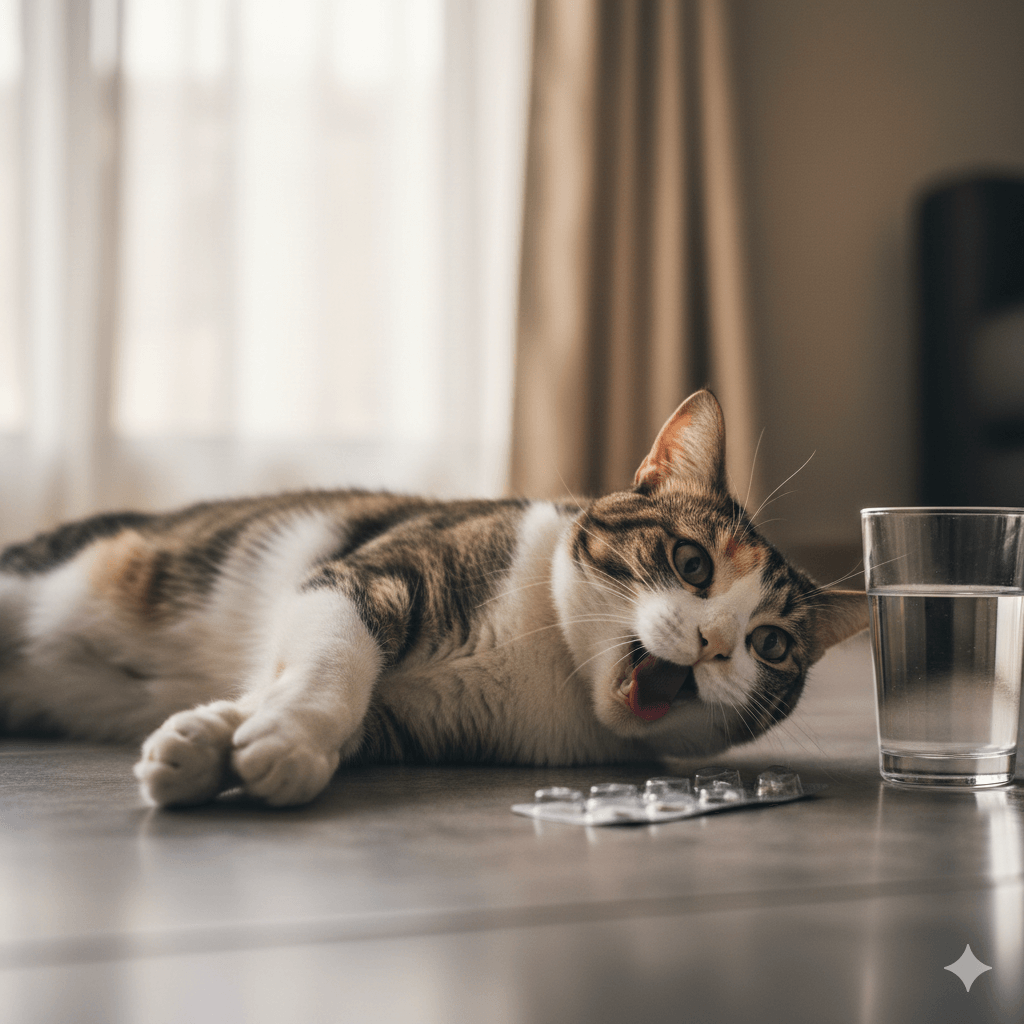
Recognizing Normal vs. Abnormal Panting in Cats
- Normal Panting Triggers:
Short-term panting after exercise, excitement, or exposure to high temperatures is usually harmless. Cats may also pant briefly during car rides or vet visits due to stress. - Abnormal Panting Patterns:
Frequent or prolonged panting without an obvious trigger suggests discomfort or illness. Cats on prednisone may pant due to medication-induced side effects like fluid retention or respiratory changes. - Accompanying Symptoms to Watch For:
Panting alongside lethargy, vomiting, diarrhea, or loss of appetite indicates systemic distress. These symptoms could signal adverse reactions to prednisone or worsening health conditions. - Behavioral Changes:
Cats in pain or discomfort may exhibit altered behaviors, such as hiding, vocalizing, or refusing food. Panting combined with these signs requires urgent attention. - When to Contact Your Vet:
If panting persists for more than a few minutes, occurs repeatedly, or is accompanied by other concerning symptoms, consult your veterinarian promptly.
Check this guide 👉Why Is My Cat Panting After Playing? Best 7 Expert Care Tips
Check this guide 👉Anxious Cat Body Language: Best 7 Expert Tips!
Check this guide 👉105 Fever in Cats: Best 7 Expert Tips!
| Signs of Prednisone Side Effects | Steps to Take |
|---|---|
| Panting or rapid breathing | Monitor for persistence and consult your vet. |
| Increased thirst and urination | Ensure fresh water is always available. |
| Lethargy or weakness | Limit activity and provide restful spaces. |
| Loss of appetite | Offer moist food or treats to encourage eating. |
| Vomiting or diarrhea | Contact your vet immediately for guidance. |
How Prednisone Affects Your Cat’s Respiratory System
- Fluid Retention in the Lungs:
Prednisone can cause fluid buildup in the lungs or airways, making breathing more difficult. Cats may pant as they struggle to compensate for reduced oxygen intake. - Increased Heart Rate:
Corticosteroids elevate heart rate and blood pressure, putting additional strain on the cardiovascular system. This can lead to panting as the body works harder to circulate oxygen. - Thinning of Mucous Membranes:
Prednisone may thin the mucosal lining of the respiratory tract, increasing sensitivity to allergens or irritants. Irritated airways can trigger panting as a reflexive response. - Suppression of Immune Function:
By suppressing the immune system, prednisone increases vulnerability to infections like pneumonia, which can cause panting as a symptom of respiratory distress. - Metabolic Changes:
Prednisone alters metabolism, potentially raising body temperature and causing overheating. Cats may pant to cool down, especially in warm environments.
Managing Prednisone Side Effects in Cats
- Gradual Dosage Adjustments:
Starting with a low dose and gradually increasing it minimizes shock to your cat’s system. Sudden high doses are more likely to cause severe side effects like panting. - Hydration Support:
Encourage water intake to combat dehydration caused by increased thirst and urination. Providing fresh water or using a pet fountain can help. - Environmental Comfort:
Keep your home cool and well-ventilated to reduce overheating risks. Avoid exposing your cat to direct sunlight or hot surfaces. - Regular Vet Check-Ups:
Frequent monitoring allows your vet to adjust the dosage or switch medications if side effects become unmanageable. Blood tests can detect early signs of complications. - Alternative Treatments:
In some cases, non-steroidal anti-inflammatory drugs (NSAIDs) or natural supplements may replace prednisone, reducing reliance on corticosteroids.
Long-Term Risks of Prednisone Use in Cats
- Adrenal Gland Suppression:
Prolonged prednisone use disrupts adrenal gland function, leading to hormonal imbalances. Cats may experience fatigue, weight loss, or panting as a result. - Diabetes Risk:
Corticosteroids increase blood sugar levels, potentially triggering diabetes in predisposed cats. Symptoms include excessive thirst, panting, and weight changes. - Muscle Weakness:
Prednisone can cause muscle atrophy, particularly in older cats. Weakness may contribute to labored breathing and panting during activity. - Immune System Weakening:
Long-term suppression of the immune system makes cats more susceptible to infections, which can worsen respiratory symptoms like panting. - Bone Density Loss:
Chronic prednisone use accelerates bone loss, increasing fracture risk. Pain from fractures or joint issues may indirectly cause panting as a stress response.
Alternative Solutions for Cats Experiencing Panting
- Switching to Lower-Dose Steroids:
Medications like dexamethasone offer similar benefits to prednisone but at lower doses, potentially reducing side effects like panting. - Natural Anti-Inflammatories:
Supplements like omega-3 fatty acids, turmeric, or CBD oil provide anti-inflammatory benefits without the harsh side effects of steroids. - Behavioral Modifications:
Reducing stress through environmental enrichment, calming pheromones, or interactive play can decrease panting episodes linked to anxiety. - Hydration and Nutrition Support:
Feeding moisture-rich foods and ensuring proper hydration combats dehydration-related panting caused by prednisone’s diuretic effects. - Holistic Veterinary Care:
Acupuncture, chiropractic adjustments, or herbal remedies may complement traditional treatments, offering gentler alternatives for managing symptoms.
Preventing Panting Episodes in Cats on Prednisone
- Maintaining a Cool Environment:
Keep your home temperature regulated, especially during warmer months. Fans, air conditioning, or cooling mats can help prevent overheating. - Monitoring Activity Levels:
Limit strenuous activity to avoid overexertion, which can trigger panting. Provide quiet spaces for rest and relaxation. - Dietary Adjustments:
Feed hypoallergenic or easily digestible foods to minimize gastrointestinal upset, which can indirectly contribute to panting. - Regular Hydration Checks:
Ensure your cat drinks enough water by monitoring bowl levels or using a pet water fountain to encourage intake. - Stress Reduction Techniques:
Use calming aids like pheromone diffusers, soft music, or routine schedules to create a peaceful environment that reduces panting triggers.
Frequently Asked Questions About Prednisone and Cat Panting
Why is my cat panting after starting prednisone?
Panting can occur due to side effects like increased body temperature, dehydration, or respiratory irritation caused by prednisone. Monitor your cat closely and consult your vet if it persists.
Is panting always a sign of danger in cats on prednisone?
Not always. Occasional panting may be harmless, but frequent or severe panting could indicate complications such as overheating, stress, or underlying health issues.
How long does panting last after starting prednisone?
Panting typically subsides as your cat adjusts to the medication, usually within a few days. If it continues beyond a week, contact your veterinarian for further evaluation.
Can I stop giving my cat prednisone if they start panting?
Never stop prednisone abruptly, as this can cause withdrawal symptoms or adrenal gland issues. Always consult your vet before making any changes to the dosage.
Are there alternatives to prednisone for my cat?
Yes, alternatives like NSAIDs, natural anti-inflammatories, or lower-dose steroids may be considered. Discuss these options with your vet to find the best solution for your cat.
Supporting Your Cat Through Prednisone Treatment
How to Taper Off Prednisone for Cats: Best 7 Expert Tips! – Safely reduce prednisone with vet guidance. Learn now!
How to Taper Off Prednisone Schedule for Dogs: Best 7 Tips! – Learn the safe way to reduce prednisone, recognize withdrawal signs, and keep your dog healthy during the process.

Can a Cat Scratch Give You Rabies? Best 7 Expert Tips! – Learn how rabies spreads, assess risks from cat scratches, and know when to seek medical help. Stay safe!

Can a Dog Scratch Give You Rabies? Best 7 Expert Tips! – Learn the risks, symptoms, and steps to take if scratched by a dog. Stay informed and protect yourself from rabies exposure.