
Understanding Prednisone and Dog Panting: What You Need to Know
Common Side Effects of Prednisone in Dogs
- Increased Thirst and Urination:
Prednisone often leads to polydipsia (excessive thirst) and polyuria (frequent urination). This occurs because the drug alters kidney function and water balance in the body. Owners may notice their dog drinking more water than usual and needing more frequent bathroom breaks. - Excessive Panting:
One of the most noticeable side effects, panting, is linked to prednisone’s impact on metabolism and body temperature regulation. Dogs on this medication may pant even when resting or in cool environments, which can be alarming for owners unfamiliar with this reaction. - Increased Appetite:
Prednisone stimulates hunger hormones, causing many dogs to develop an insatiable appetite. This can lead to weight gain if food intake isn’t carefully monitored, further complicating health management. - Behavioral Changes:
Some dogs become restless, anxious, or irritable while on prednisone. These mood shifts are often tied to hormonal imbalances caused by the drug, making it essential to provide a calm and supportive environment. - Gastrointestinal Upset:
Though less common, prednisone can irritate the stomach lining, leading to vomiting or diarrhea. If these symptoms persist, consult your vet about adjusting the dosage or adding protective medications like antacids.
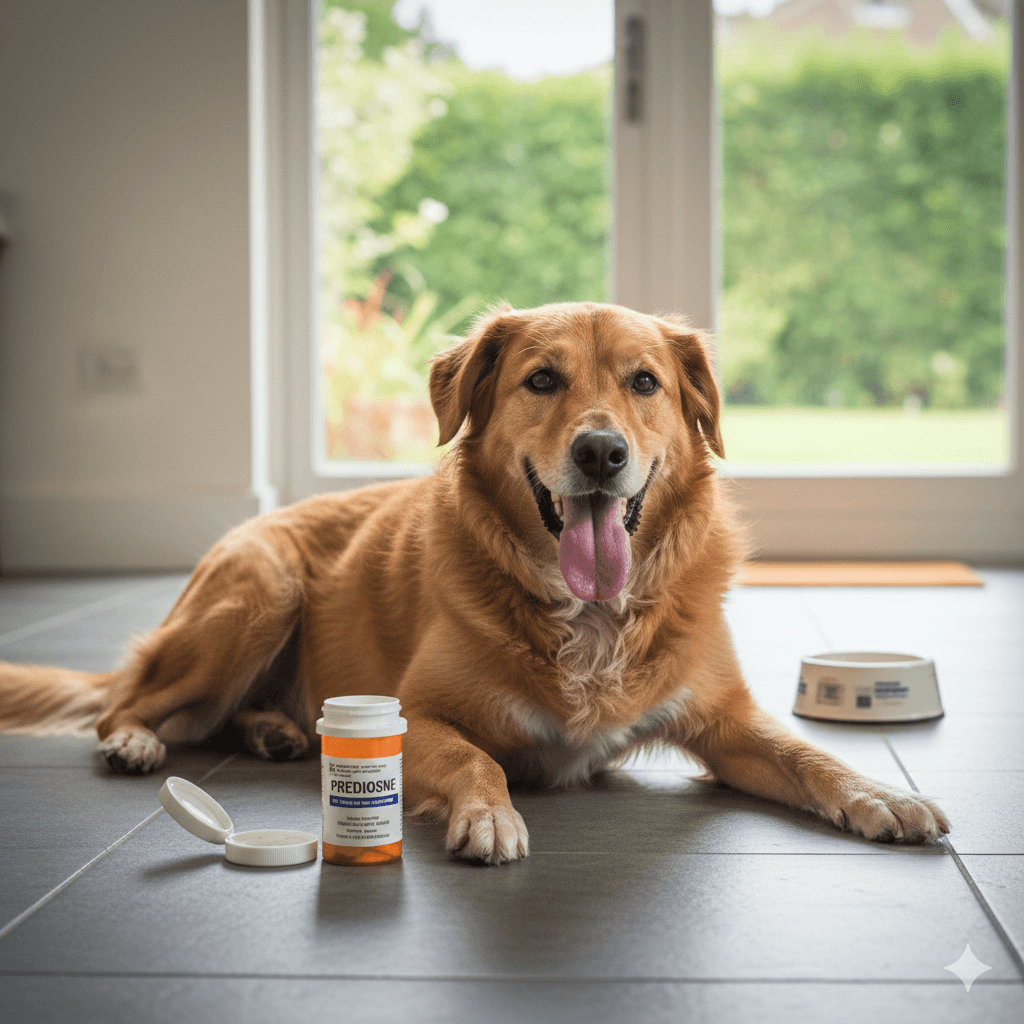
Why Does Prednisone Cause Panting in Dogs?
- Elevated Body Temperature:
Prednisone increases metabolic activity, raising your dog’s internal body temperature. As a result, panting becomes a natural cooling mechanism to regulate heat, even in comfortable environments. - Hormonal Imbalance:
Corticosteroids like prednisone mimic cortisol, a stress hormone that affects respiratory patterns. Elevated cortisol levels can trigger panting as part of the body’s “fight or flight” response. - Electrolyte Fluctuations:
The drug disrupts electrolyte balance, potentially affecting muscle function and nerve signaling. This imbalance may contribute to restlessness and increased respiratory effort. - Stress Response Activation:
Prednisone can heighten sensitivity to environmental stimuli, making dogs more prone to anxiety-related behaviors such as panting. This is especially true for noise-sensitive or nervous breeds. - Underlying Health Conditions:
In some cases, panting may indicate an underlying issue exacerbated by prednisone, such as heart disease or respiratory disorders. A thorough veterinary evaluation ensures accurate diagnosis and treatment.
Check this guide 👉Understanding Dog Panting After Surgery: Best 7 Tips!
Check this guide 👉Why Is My Dog Panting at Night? Best 7 Tips for Calm Rest!
Check this guide 👉Why Wont My Dog Stop Panting? Best 7 Expert Tips!
| Common Prednisone Side Effects | Tips for Management |
|---|---|
| Excessive panting | Keep your home cool, provide fresh water, and avoid strenuous activities. |
| Increased thirst and urination | Ensure constant access to water and schedule frequent bathroom breaks. |
| Weight gain | Monitor food portions, switch to low-calorie diets, and encourage light exercise. |
| Gastrointestinal upset | Feed bland meals, consider antacids, and report persistent symptoms to your vet. |
| Behavioral changes | Create a calm environment, minimize stressors, and maintain a predictable routine. |
How Long Does Prednisone-Induced Panting Last?
- Short-Term Use (Days to Weeks):
For short courses, panting typically subsides once the body adjusts to the medication, usually within a few days. However, some dogs remain more vocal or restless throughout treatment. - Long-Term Use (Months or More):
Chronic prednisone therapy increases the likelihood of persistent panting. Over time, the body struggles to maintain equilibrium, amplifying side effects like restlessness and overheating. - Gradual Tapering Off:
Abruptly stopping prednisone can worsen symptoms, including panting, due to withdrawal effects. Veterinarians recommend tapering doses slowly to minimize rebound reactions. - Individual Variability:
Each dog responds differently based on age, breed, and overall health. Older dogs or those with preexisting conditions may experience prolonged or exaggerated panting compared to younger, healthier counterparts. - Monitoring Progress:
Track changes in panting frequency, intensity, and accompanying symptoms. Consistent documentation aids veterinarians in assessing whether adjustments are necessary.
Managing Excessive Panting in Dogs on Prednisone
- Provide a Cool Environment:
Keep your home at a comfortable temperature and offer shaded areas outdoors. Fans or air conditioning help regulate your dog’s body temperature and reduce panting episodes. - Limit Physical Activity:
Exercise can exacerbate panting, especially in warm weather. Opt for gentle walks during cooler parts of the day and avoid strenuous activities until symptoms improve. - Monitor Hydration Levels:
Ensure constant access to fresh water to prevent dehydration caused by increased panting and urination. Consider adding electrolyte supplements if recommended by your vet. - Create a Calm Space:
Minimize stressors like loud noises or unfamiliar visitors. Providing a quiet, cozy area reduces anxiety-related panting and promotes relaxation. - Consult Your Veterinarian:
If panting persists despite lifestyle adjustments, discuss alternative treatments or dosage modifications with your vet. They may recommend complementary therapies to ease side effects.
Potential Risks of Prolonged Prednisone Use
- Immune System Suppression:
Prolonged corticosteroid use weakens immune defenses, increasing susceptibility to infections and illnesses. Regular check-ups monitor for early warning signs. - Adrenal Gland Dysfunction:
Extended prednisone exposure disrupts adrenal gland function, potentially leading to Addison’s disease or Cushing’s syndrome. Hormone testing evaluates gland health periodically. - Weight Gain and Obesity:
Increased appetite and reduced activity contribute to weight gain, straining joints and organs. Portion control and low-calorie diets mitigate this risk. - Muscle Weakness and Atrophy:
Chronic steroid use accelerates muscle breakdown, particularly in senior dogs. Physical therapy or joint-support supplements counteract degeneration. - Diabetes Risk:
Prednisone interferes with insulin production and glucose metabolism, raising the likelihood of diabetes mellitus in predisposed individuals. Blood sugar monitoring detects abnormalities early.
Alternatives to Prednisone for Treating Inflammation
- Non-Steroidal Anti-Inflammatory Drugs (NSAIDs):
Medications like carprofen or meloxicam target inflammation without the systemic effects of steroids. However, they carry their own risks, such as gastrointestinal irritation. - Natural Supplements:
Turmeric, omega-3 fatty acids, and CBD oil possess anti-inflammatory properties that complement conventional therapies. Always consult your vet before introducing supplements. - Dietary Adjustments:
Hypoallergenic or grain-free diets reduce inflammatory triggers in sensitive dogs. Nutrient-rich formulas support skin, coat, and joint health simultaneously. - Physical Therapy and Rehabilitation:
Low-impact exercises, hydrotherapy, and massage improve mobility and reduce pain without reliance on medications. Certified therapists design personalized programs for optimal results. - Acupuncture and Laser Therapy:
These holistic modalities stimulate healing and reduce inflammation through non-invasive techniques. Many dogs respond positively to these integrative approaches.
When to Seek Veterinary Care for Prednisone Side Effects
- Severe or Persistent Panting:
If panting escalates dramatically or continues despite environmental adjustments, seek professional advice to rule out underlying issues. - Signs of Respiratory Distress:
Labored breathing, wheezing, or cyanosis (blue gums) indicates compromised lung function requiring urgent evaluation. - Sudden Behavioral Changes:
Aggression, lethargy, or confusion may reflect neurological disturbances triggered by prednisone toxicity or interactions with other drugs. - Vomiting or Diarrhea:
Gastrointestinal distress lasting more than 24 hours signals potential ulcers or secondary infections needing medical management. - Unexplained Weight Loss or Gain:
Rapid fluctuations in body weight suggest metabolic imbalances or organ dysfunction necessitating diagnostic testing.
Frequently Asked Questions About Prednisone and Dog Panting
Why is my dog panting so much on prednisone?
Excessive panting is a common side effect of prednisone due to its impact on metabolism, body temperature regulation, and hormonal balance. It’s usually not harmful but should be monitored closely.
How can I reduce my dog’s panting while on prednisone?
Provide a cool environment, limit physical activity, and ensure proper hydration. If panting persists, consult your vet about adjusting the dosage or exploring alternative treatments.
Is panting a sign of prednisone overdose?
While panting alone isn’t necessarily a sign of overdose, it could indicate discomfort or stress caused by high doses. Look for additional symptoms like vomiting, diarrhea, or lethargy, and contact your vet immediately if concerned.
Can I stop giving my dog prednisone if panting becomes severe?
Never stop prednisone abruptly, as this can cause withdrawal effects. Instead, consult your veterinarian to discuss tapering the dose safely or switching to another medication.
Are there alternatives to prednisone that don’t cause panting?
Yes, alternatives like NSAIDs, natural supplements (e.g., turmeric or omega-3s), or therapies such as acupuncture may help manage inflammation without the same side effects. Always consult your vet before making changes.
Supporting Your Dog Through Prednisone Treatment
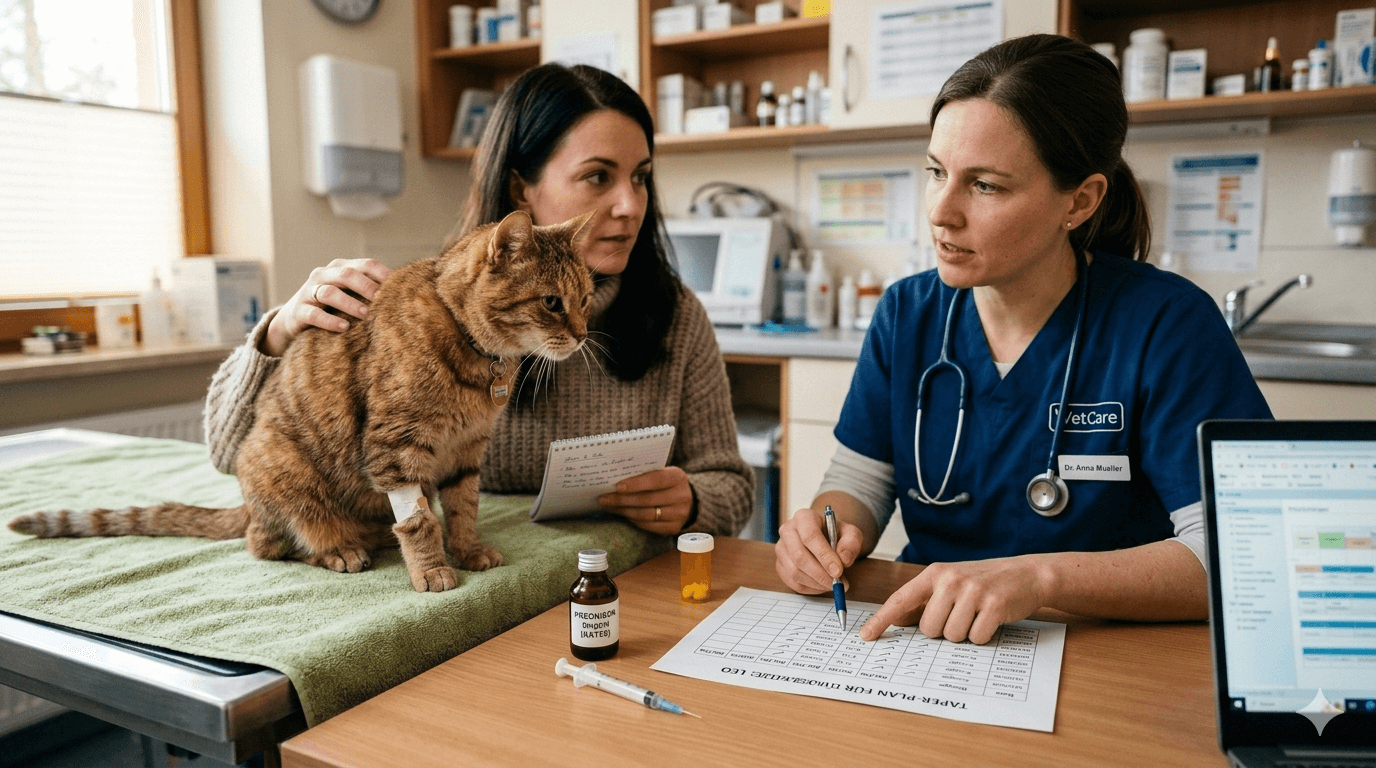
How to Taper Off Prednisone for Cats: Best 7 Expert Tips! – Safely reduce prednisone with vet guidance. Learn now!
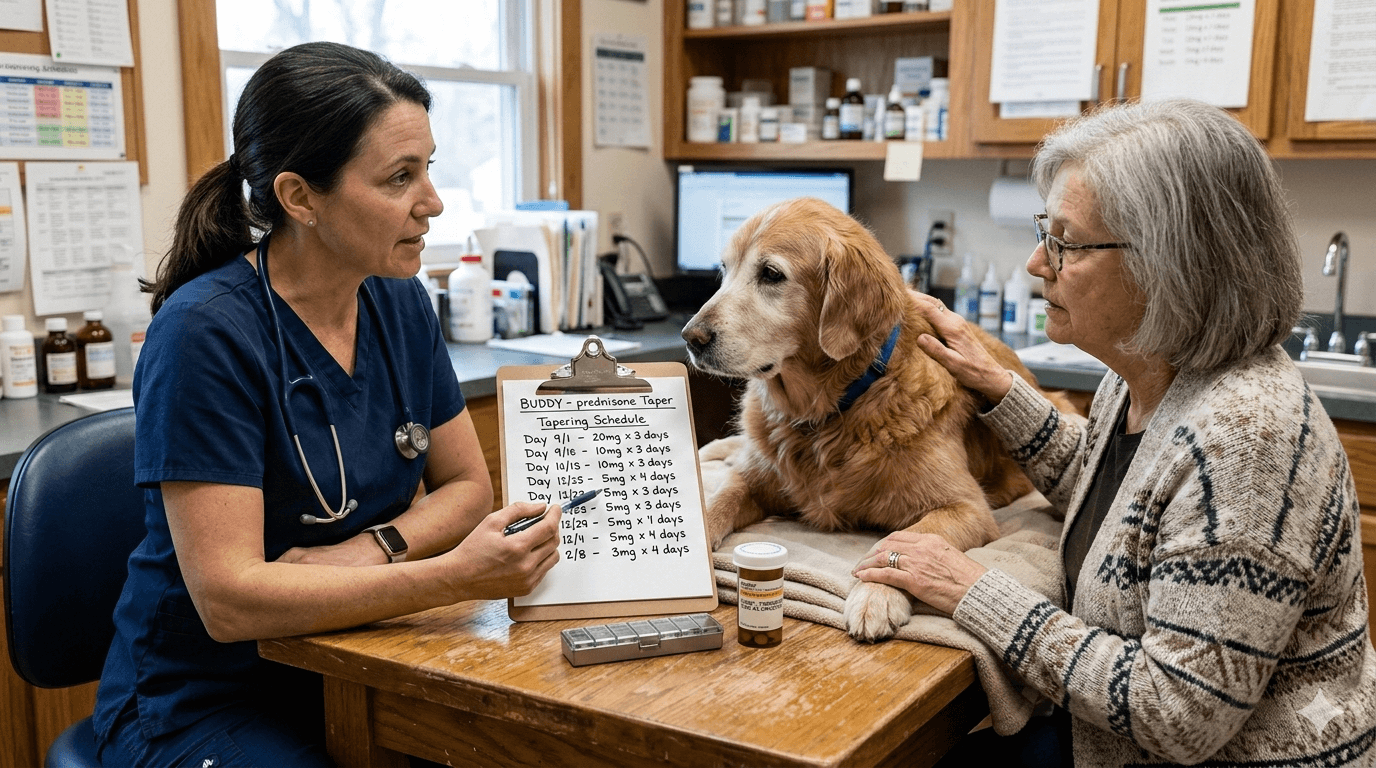
How to Taper Off Prednisone Schedule for Dogs: Best 7 Tips! – Learn the safe way to reduce prednisone, recognize withdrawal signs, and keep your dog healthy during the process.

Can a Cat Scratch Give You Rabies? Best 7 Expert Tips! – Learn how rabies spreads, assess risks from cat scratches, and know when to seek medical help. Stay safe!

Can a Dog Scratch Give You Rabies? Best 7 Expert Tips! – Learn the risks, symptoms, and steps to take if scratched by a dog. Stay informed and protect yourself from rabies exposure.