
Understanding a 105 Fever in Cats: What You Need to Know
Causes of a 105 Fever in Cats
- Bacterial Infections:
Bacterial infections like abscesses, urinary tract infections, or pneumonia can trigger a high fever as the body attempts to fight off harmful pathogens. These infections often require antibiotics for effective treatment. - Viral Diseases:
Viruses such as feline leukemia (FeLV), feline immunodeficiency virus (FIV), or panleukopenia can lead to severe fevers. These conditions weaken the immune system, making cats more susceptible to complications. - Parasitic Infestations:
Fleas, ticks, or internal parasites like worms may cause systemic inflammation, leading to elevated body temperatures. Tick-borne diseases like Lyme disease or ehrlichiosis are particularly concerning. - Inflammatory Conditions:
Conditions like pancreatitis, inflammatory bowel disease (IBD), or arthritis can provoke fevers due to widespread inflammation in the body. Chronic inflammation places significant stress on your cat’s system. - Toxins or Poisoning:
Exposure to toxic substances, such as antifreeze, certain plants, or household chemicals, can cause a fever as part of the body’s reaction to poisoning. Immediate vet care is critical in these cases.
Symptoms of a High Fever in Cats
- Lethargy and Weakness:
A cat with a high fever may appear unusually tired, unwilling to move, or uninterested in their surroundings. This lack of energy reflects the strain on their body. - Loss of Appetite:
Fever often suppresses appetite, causing your cat to skip meals or refuse treats they normally enjoy. Prolonged refusal to eat can lead to further health issues. - Shivering or Panting:
Cats rarely pant, so seeing this behavior alongside shivering could indicate a fever as their body struggles to regulate temperature. - Warm Ears and Paws:
Touching your cat’s ears or paw pads can help detect warmth, a potential sign of elevated body temperature. However, this method isn’t always reliable without confirmation via a thermometer. - Dehydration Signs:
Sunken eyes, dry gums, or reduced skin elasticity signal dehydration, which often accompanies fevers due to increased water loss from panting or sweating.
Check this guide 👉Medicine for Cat Fever: Best 7 Expert Tips!
Check this guide 👉Fever After a Cat Bite: Best 7 Expert Tips!
Check this guide 👉What Causes Fever in Cats? Best 7 Expert Tips!
Immediate Actions to Take | |
|---|---|
Lethargy or weakness | Call your veterinarian immediately |
Loss of appetite or refusal to eat | Monitor hydration and offer fresh water |
Shivering or panting excessively | Keep your cat cool with damp towels |
Warm ears or paws | Avoid ice baths; use gradual cooling methods |
Dehydration signs (dry gums, sunken eyes) | Transport your cat to the vet for fluids |
How to Check Your Cat’s Temperature Accurately
- Use a Digital Rectal Thermometer:
Digital thermometers provide quick, precise readings compared to mercury-based alternatives. They’re safer and easier to use for pets. - Prepare the Environment:
Choose a quiet, calm space where your cat feels secure. Have all necessary supplies ready before starting the process. - Lubricate the Thermometer Tip:
Apply petroleum jelly or water-based lubricant to the thermometer tip to make insertion smoother and less uncomfortable for your cat. - Secure Your Cat Safely:
Gently restrain your cat by wrapping them in a towel or having someone assist you. Ensure their hindquarters are accessible but avoid forcing them into position. - Insert the Thermometer Carefully:
Gently insert the thermometer about one inch into the rectum while keeping your cat still. Wait for the beep indicating the reading is complete.
Immediate Steps to Take When Your Cat Has a Fever
- Keep Your Cat Cool:
Place damp towels over their paws or under their armpits to gradually lower their body temperature. Avoid ice baths, as they can cause shock. - Offer Fresh Water:
Encourage hydration by providing fresh, cool water. You can also offer diluted chicken broth if your cat refuses plain water. - Create a Quiet Space:
Minimize noise and activity around your cat to reduce stress and allow them to rest comfortably. - Monitor Vital Signs:
Track changes in breathing rate, gum color, and overall demeanor. Note any worsening symptoms to report to your vet. - Avoid Self-Medicating:
Never give human medications like ibuprofen or acetaminophen to cats—these drugs are toxic and can worsen their condition.
Veterinary Diagnosis and Treatment Options
- Physical Examination:
The vet checks vital signs, palpates the abdomen, and inspects gums and eyes for abnormalities indicative of infection or inflammation. - Blood Tests:
Complete blood counts (CBC) and serum biochemistry panels reveal signs of infection, anemia, or organ dysfunction contributing to the fever. - Urinalysis:
Testing urine samples helps identify urinary tract infections, kidney issues, or dehydration—all potential fever triggers. - Imaging Studies:
X-rays or ultrasounds visualize internal structures, detecting abscesses, tumors, or foreign objects causing systemic reactions. - Fluid Therapy and Medications:
IV fluids combat dehydration, while antibiotics, anti-inflammatories, or antipyretics address specific causes of the fever based on test results.
Preventing High Fevers in Cats
- Regular Vet Check-Ups:
Annual exams catch early signs of illness before they escalate into emergencies requiring intensive treatment. - Vaccinations and Parasite Control:
Keeping vaccinations up-to-date and using flea/tick preventatives protects against diseases that could cause fevers. - Safe Indoor Environment:
Minimizing access to toxins, small objects, or hazardous plants prevents accidental poisonings or injuries. - Balanced Nutrition:
A diet rich in essential nutrients supports immune function, reducing susceptibility to infections and fevers. - Stress Reduction:
Creating a stable, predictable environment lowers cortisol levels, indirectly strengthening immunity and resilience against illness.
Long-Term Effects of Untreated High Fevers
- Organ Damage:
Prolonged high temperatures harm vital organs like the kidneys, liver, and heart, potentially leading to chronic failure. - Neurological Issues:
Extreme fevers may cause seizures, cognitive decline, or other neurological problems affecting quality of life. - Weakened Immune System:
Untreated fevers exhaust the immune system, leaving cats vulnerable to secondary infections or recurring illnesses. - Chronic Fatigue or Weakness:
Even after recovery, some cats experience lingering fatigue or muscle weakness due to the toll of sustained fever. - Increased Risk of Future Illnesses:
Recurrent fevers suggest an underlying condition that needs addressing to prevent future episodes.
„A cat or dog is considered to have a true fever if their body temperature ranges from 103 to 106°F (39.5 to 41.1°C). For temperatures above 104.5°F (40.3°C), seek immediate veterinary attention.”
— Animal Medical Center
Frequently Asked Questions About a 105 Fever in Cats
What is considered a high fever for a cat?
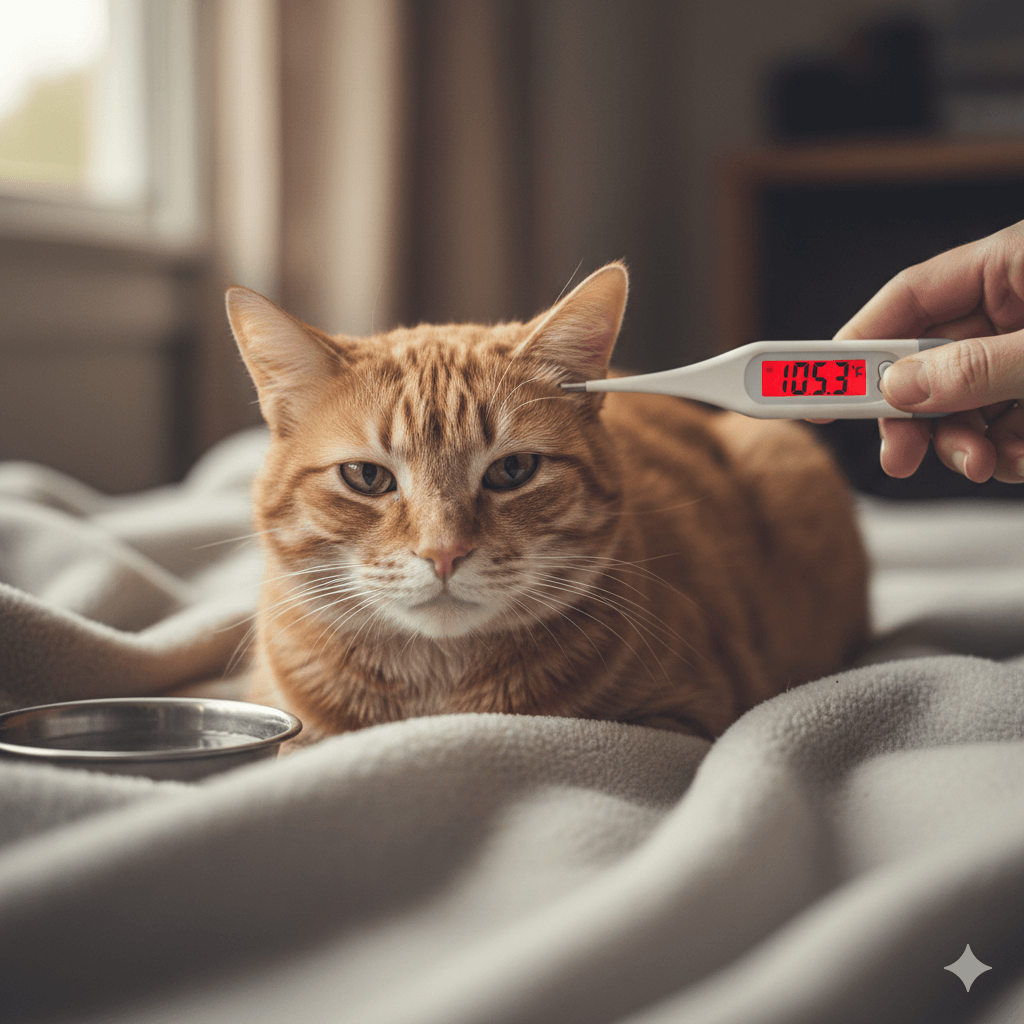
A temperature above 103°F is considered a fever, and anything reaching 105°F is dangerously high, requiring immediate veterinary attention.
How can I tell if my cat has a fever without a thermometer?
Signs like lethargy, warm ears, shivering, or loss of appetite may suggest a fever, but only a rectal thermometer provides an accurate reading.
Can stress cause a fever in cats?
Yes, extreme stress or anxiety can elevate body temperature temporarily, though it rarely reaches 105°F unless compounded by illness.
Is it safe to give my cat human fever medicine?
No—human medications like ibuprofen or acetaminophen are toxic to cats and can worsen their condition. Always consult your vet before administering any drugs.
How long does it take for a cat’s fever to go down with treatment?
With proper treatment, fevers typically subside within 24–48 hours, though some underlying conditions may require longer recovery times.
Supporting Your Cat Through Recovery

Is Rawhide Bad for Cats? Best 7 Expert Tips! – Discover the risks, safe alternatives, and expert advice to keep your feline friend healthy and happy.

Is Rawhide Bad for Dogs? Best 7 Expert Tips! – Discover the risks, benefits, and safer alternatives to rawhides for your dog’s chewing needs.

Understanding Anorexia in Cats: Best 7 Expert Tips! – Learn why cats stop eating, spot warning signs, and discover how to help your feline regain appetite safely.

Understanding Anorexia in Dogs: Best 7 Expert Tips! – Learn causes, symptoms, and solutions to help your dog regain appetite and stay healthy.