
Understanding Types of Dog Eye Infections: Causes and Symptoms
Common Types of Dog Eye Infections
- Conjunctivitis (Pink Eye):
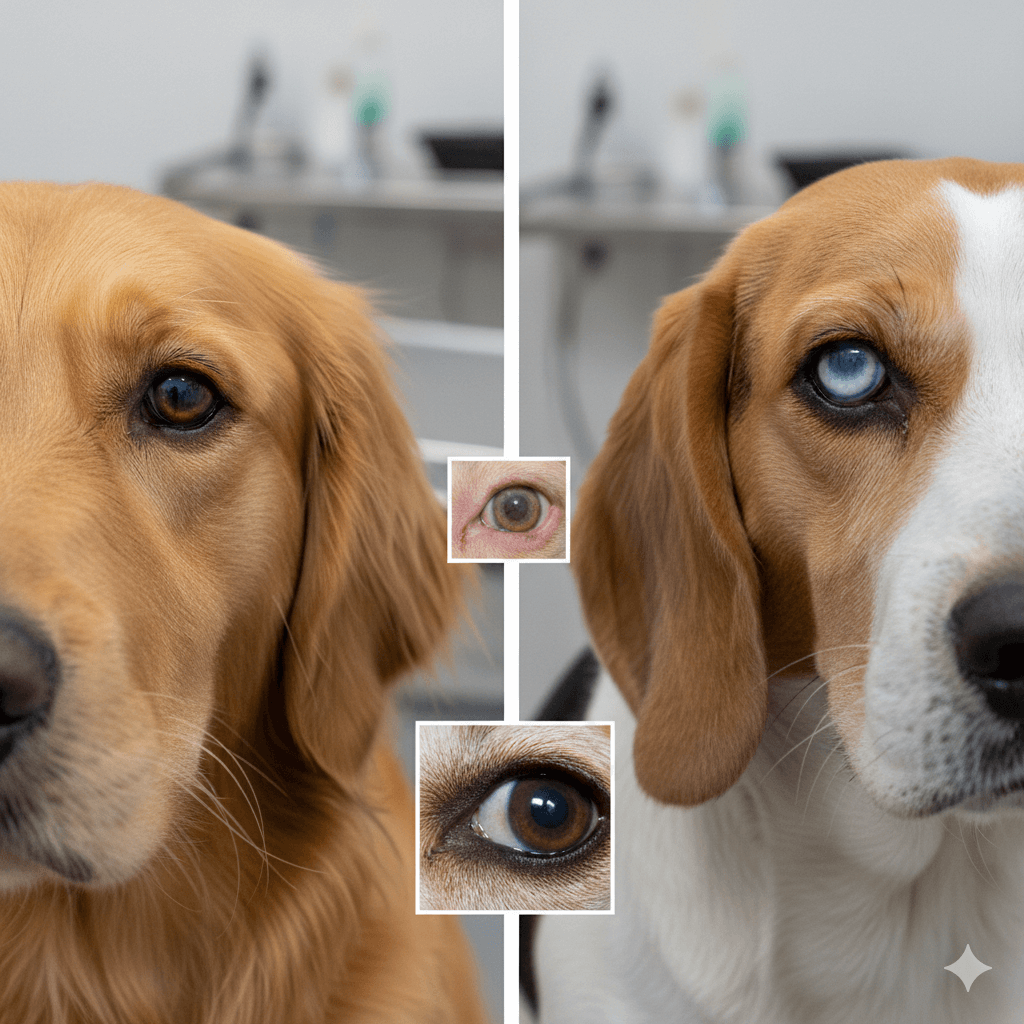
This is one of the most common eye infections in dogs, characterized by inflammation of the conjunctiva—the thin membrane covering the eye and inner eyelids. Conjunctivitis often results from bacterial or viral infections, allergies, or foreign objects. Symptoms include redness, swelling, and a watery or pus-like discharge. - Keratitis:
Keratitis refers to inflammation of the cornea, the clear outer layer of the eye. It can be caused by trauma, infections, or underlying conditions like dry eye syndrome. Ulcerative keratitis, where the cornea develops open sores, is particularly concerning as it compromises vision if untreated. Signs include cloudiness, squinting, and sensitivity to light. - Uveitis:
Uveitis involves inflammation of the uvea, the middle layer of the eye that includes the iris. This condition is often linked to systemic diseases such as autoimmune disorders, infections, or tumors. Symptoms include excessive tearing, bloodshot eyes, and changes in pupil size. Uveitis requires prompt treatment to prevent complications like glaucoma or blindness. - Blepharitis:
Blepharitis is an infection or inflammation of the eyelids, often caused by bacterial infections, allergies, or parasitic mites like Demodex. Dogs with blepharitis may experience crusty eyelids, hair loss around the eyes, and frequent blinking due to irritation. If left untreated, it can lead to secondary issues like corneal ulcers. - Dacryocystitis:
This condition involves infection or blockage of the tear ducts, leading to excessive tearing and discharge. Dacryocystitis is often caused by bacterial infections or congenital abnormalities in the tear drainage system. Chronic cases may require surgical intervention to restore proper tear flow and prevent recurrent infections.
Causes of Dog Eye Infections
- Bacterial Infections:
Bacteria like Staphylococcus or Streptococcus are common culprits behind eye infections. They thrive in moist environments and can enter through minor scratches or irritated tissue. Bacterial infections often produce thick, yellow-green discharge and require antibiotic treatments. - Viral Infections:
Viruses such as canine distemper or herpesvirus weaken the immune system, making dogs more susceptible to secondary eye infections. Viral conjunctivitis is particularly prevalent among unvaccinated puppies and immunocompromised adults. Symptoms include watery eyes and frequent blinking. - Fungal Infections:
Fungi like Aspergillus or Candida rarely cause eye infections but pose risks in humid climates or for dogs with weakened immunity. Fungal keratitis, though uncommon, is challenging to treat and may require prolonged antifungal therapy. - Allergies:
Environmental allergens like pollen, dust, or mold can irritate a dog’s eyes, leading to allergic conjunctivitis. Unlike infectious causes, allergy-related symptoms typically include clear discharge and itching rather than pus-like secretions. - Trauma or Foreign Objects:
Scratches from thorns, dirt particles, or even rough play can introduce pathogens into the eye. Trauma-induced infections often present with sudden redness, swelling, and discomfort, requiring immediate vet evaluation.
Check this guide 👉Dog Ear Infection Spread to Brain: Best 7 Expert Tips!
Check this guide 👉Bacterial Eye Infections in Dogs: Best 7 Expert Tips!
Check this guide 👉Yeast Infection on Dog Belly: Best 7 Expert Tips!
Common Symptoms | Immediate Actions to Take |
|---|---|
Redness and swelling | Call your vet or monitor closely for worsening signs |
Watery or pus-like discharge | Avoid wiping excessively; use a clean, damp cloth |
Squinting or excessive blinking | Check for foreign objects and schedule a vet visit |
Cloudiness or opacity in the eye | Seek immediate veterinary care to rule out ulcers |
Rubbing or pawing at the eyes | Prevent further irritation by fitting your dog with an Elizabethan collar |
Symptoms of Dog Eye Infections
- Redness and Swelling:
The whites of the eyes may appear bloodshot, while the surrounding tissues swell due to inflammation. Persistent redness signals irritation or infection that needs veterinary assessment. - Discharge:
Watery, mucoid, or purulent discharge indicates different types of infections. Clear discharge suggests allergies, while yellow-green pus points to bacterial involvement. - Squinting or Blinking Excessively:
Dogs with painful or irritated eyes often squint or blink frequently to shield their eyes from light or further irritation. This behavior shouldn’t be ignored. - Cloudiness or Opacity:
A hazy appearance over the cornea could signify keratitis or uveitis. Cloudiness may also accompany corneal ulcers, which compromise vision if untreated. - Rubbing or Pawing at Eyes:
Dogs instinctively rub their eyes when they feel discomfort. However, this habit can worsen infections by introducing additional bacteria or causing scratches.
How to Diagnose Dog Eye Infections
- Physical Examination:
The vet inspects the eye for visible signs of redness, swelling, discharge, or structural abnormalities. They also assess the dog’s overall demeanor and pain levels. - Fluorescein Stain Test:
This test identifies corneal ulcers by applying a dye that highlights damaged areas under ultraviolet light. It’s especially useful for diagnosing ulcerative keratitis. - Schirmer Tear Test:
This measures tear production to evaluate conditions like dry eye syndrome, which predisposes dogs to recurrent infections. Low tear production indicates inadequate lubrication. - Intraocular Pressure Measurement:
High pressure within the eye suggests glaucoma, while low pressure may indicate uveitis. Tonometry provides accurate readings to guide diagnosis. - Culture and Sensitivity Testing:
For persistent or severe infections, a sample of discharge is cultured to identify the specific pathogen and determine its susceptibility to antibiotics or antifungals.
Treatment Options for Dog Eye Infections
- Antibiotic Eye Drops or Ointments:
Prescribed for bacterial infections, these medications directly target pathogens on the eye’s surface. They’re applied multiple times daily for optimal effectiveness. - Anti-Inflammatory Medications:
Steroids or nonsteroidal anti-inflammatory drugs (NSAIDs) reduce swelling and discomfort associated with inflammatory conditions like uveitis or blepharitis. - Antifungal Treatments:
In rare cases of fungal infections, oral or topical antifungals are necessary. These treatments often span weeks to ensure complete eradication of the fungus. - Tear Stimulation Therapy:
For dogs with dry eye syndrome, medications like cyclosporine stimulate tear production, reducing the risk of secondary infections. - Surgical Intervention:
Severe cases, such as blocked tear ducts or deep corneal ulcers, may require surgery to restore function or prevent vision loss. Procedures depend on the specific condition.
Preventing Dog Eye Infections
- Regular Cleaning:
Gently wipe your dog’s eyes with a damp cloth to remove debris and prevent buildup of irritants. Use pet-safe cleaners specifically designed for eye hygiene. - Protect During Outdoor Activities:
Use protective goggles during hikes or walks in wooded areas to shield eyes from branches, dirt, or insects. Always supervise playtime to avoid accidental injuries. - Maintain a Clean Environment:
Keep your home free of dust, mold, and allergens that could irritate your dog’s eyes. Regularly wash bedding and toys to minimize bacterial or fungal growth. - Stay Up-to-Date on Vaccinations:
Core vaccines protect against viral diseases like distemper, which can weaken the immune system and increase infection risks. - Monitor for Early Signs:
Regularly check your dog’s eyes for redness, swelling, or unusual discharge. Addressing minor issues promptly prevents them from escalating into serious problems.
When to Seek Veterinary Care for Dog Eye Infections
- Persistent Symptoms:
If redness, swelling, or discharge continues despite home care, consult your vet to rule out underlying conditions like chronic infections or immune disorders. - Vision Changes:
Signs of impaired vision, such as bumping into objects or reluctance to navigate familiar spaces, indicate potential damage to the eye’s structure. - Severe Pain or Discomfort:
Excessive pawing, whining, or refusal to open the affected eye suggests significant pain that warrants urgent evaluation. - Cloudiness or Bulging Eyes:
These symptoms may point to advanced conditions like glaucoma or severe uveitis, both of which require immediate treatment to preserve vision. - Trauma History:
If your dog has recently experienced an eye injury, such as being poked or scratched, schedule a vet visit to assess for hidden damage or infection.
“Conjunctivitis, also known as pink eye, is inflammation of the conjunctiva and is common in dogs. The causes vary from infections to environmental irritants.” – Kirk N. Gelatt, VMD, DACVO
Frequently Asked Questions About Dog Eye Infections
What causes redness in my dog’s eyes?
How do I clean my dog’s eyes safely?
Use a soft, damp cloth or pet-safe wipes to gently remove discharge or debris around the eyes. Avoid using human products like hydrogen peroxide or alcohol.
Can I use over-the-counter eye drops for my dog?
No—human eye drops often contain ingredients that may harm dogs. Always consult your vet before applying any medication.
How long does it take for an eye infection to heal?
Mild infections typically resolve within 7–10 days with proper treatment, but severe cases may take weeks and require ongoing care.
What should I do if my dog has a swollen eyelid?
Swollen eyelids indicate possible blepharitis or injury. Clean the area gently and seek veterinary advice to determine the cause and treatment.
A Lifeline for Your Dog’s Vision

Is Rawhide Bad for Cats? Best 7 Expert Tips! – Discover the risks, safe alternatives, and expert advice to keep your feline friend healthy and happy.

Is Rawhide Bad for Dogs? Best 7 Expert Tips! – Discover the risks, benefits, and safer alternatives to rawhides for your dog’s chewing needs.

Understanding Anorexia in Cats: Best 7 Expert Tips! – Learn why cats stop eating, spot warning signs, and discover how to help your feline regain appetite safely.

Understanding Anorexia in Dogs: Best 7 Expert Tips! – Learn causes, symptoms, and solutions to help your dog regain appetite and stay healthy.