
Understanding Bacterial Eye Infections in Dogs
Common Causes of Bacterial Eye Infections in Dogs
- Foreign Objects or Debris:
Dust, dirt, or plant material lodged in the eye creates an environment where bacteria can thrive, leading to infection. - Trauma or Injury:
Scratches, punctures, or abrasions on the cornea expose sensitive tissues to bacterial invasion, especially in active or outdoor dogs. - Underlying Allergies:
Allergic reactions cause excessive tearing and inflammation, weakening the eye’s protective barriers and making it vulnerable to bacterial colonization. - Conjunctivitis (Pink Eye):
Viral or allergic conjunctivitis often progresses to bacterial infections if left untreated, as the inflamed tissue becomes a breeding ground for pathogens. - Immune System Weakness:
Dogs with weakened immune systems due to age, illness, or medications are more prone to recurrent or severe bacterial eye infections.
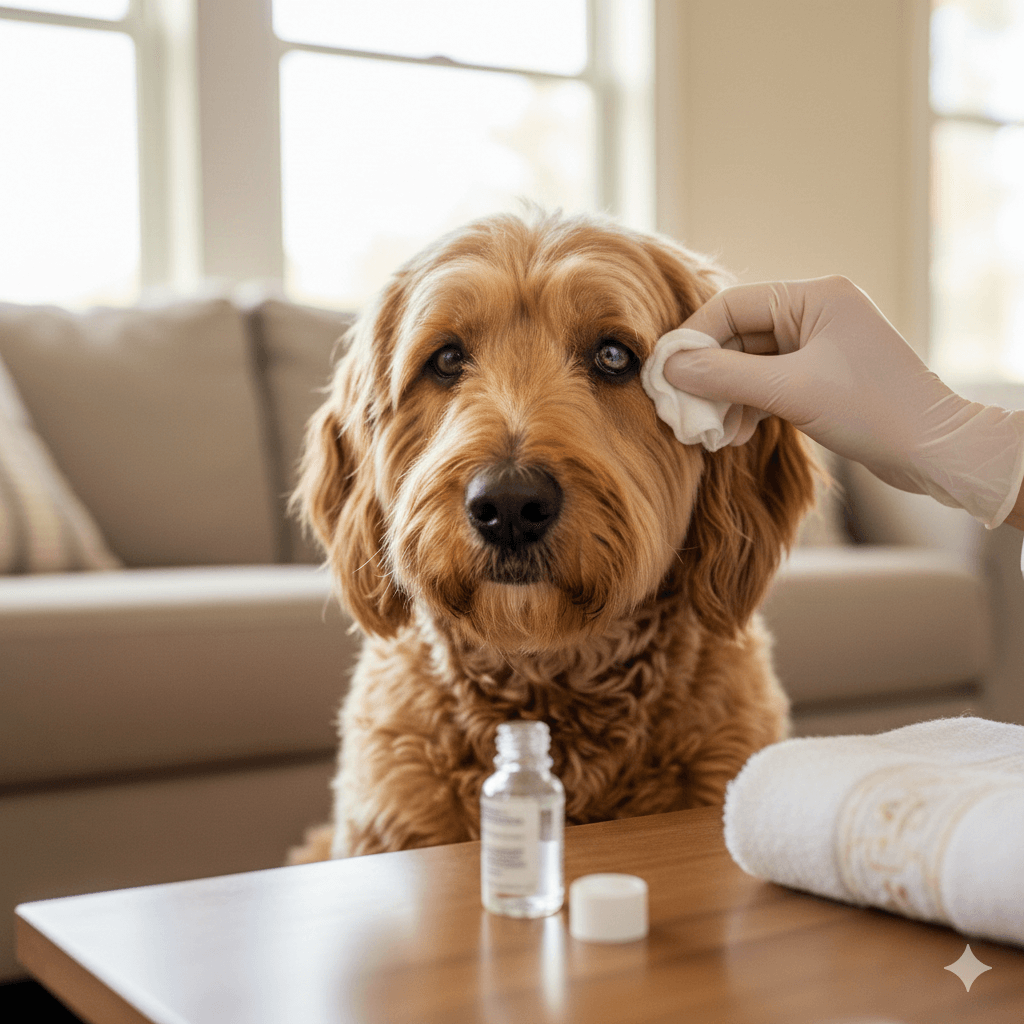
Symptoms of Bacterial Eye Infections in Dogs
- Redness and Swelling:
The conjunctiva (the lining of the eyelid) becomes inflamed, causing noticeable redness and puffiness around the eye. - Discharge or Pus:
Thick, yellow, or green discharge indicates a bacterial infection, distinguishing it from clear tears caused by allergies or irritation. - Excessive Blinking or Squinting:
Dogs with infections often blink frequently or squint due to pain and sensitivity to light. - Cloudy or Hazy Cornea:
A cloudy appearance in the normally clear cornea suggests deeper infection or ulceration requiring immediate veterinary care. - Rubbing or Pawing at the Eye:
Dogs may rub their eyes against surfaces or paw at them in an attempt to relieve discomfort, worsening the condition.
Check this guide 👉How Long Do Dog Eye Infections Last? Best 7 Expert Tips!
Check this guide 👉Dog Eye Injury Treatment: Best 7 Expert Tips!
Check this guide 👉Dog Eye Watering: Best 7 Expert Tips!
| Preventive Measures | Signs to Watch For |
|---|---|
| Regular eye cleaning with a damp cloth. | Redness or swelling around the eye. |
| Trimming hair around the eyes to prevent irritation. | Yellow or green discharge from the eye. |
| Using protective eyewear during outdoor activities. | Excessive blinking or squinting. |
| Avoiding exposure to smoke or strong chemicals. | Rubbing or pawing at the affected eye. |
| Scheduling routine vet check-ups for early detection. | Cloudy or hazy appearance of the cornea. |
Diagnosis Process for Bacterial Eye Infections
- Physical Examination of the Eye:
The vet inspects the eye for redness, swelling, discharge, and any visible foreign objects or injuries. - Fluorescein Stain Test:
This test uses a special dye to detect corneal ulcers or scratches, which are common entry points for bacteria. - Schirmer Tear Test:
Measuring tear production helps determine if dry eye (keratoconjunctivitis sicca) is contributing to the infection. - Culture and Sensitivity Testing:
A sample of discharge is cultured to identify the specific bacteria and determine which antibiotics will be most effective. - Blood Tests or Imaging:
In severe cases, blood work or imaging may be performed to check for systemic illnesses or deeper infections.
Treatment Options for Bacterial Eye Infections
- Antibiotic Eye Drops or Ointments:
Topical antibiotics directly target the infection, reducing bacterial load and speeding up healing. - Oral Antibiotics:
In severe cases, systemic antibiotics are prescribed to address widespread or deep-seated infections. - Anti-Inflammatory Medications:
Steroids or nonsteroidal anti-inflammatory drugs (NSAIDs) reduce swelling and discomfort, improving your dog’s quality of life. - Warm Compresses:
Applying warm compresses loosens crusty discharge and soothes irritated tissues, aiding the healing process. - Protective Collars (E-Collars):
Preventing your dog from rubbing or scratching their eyes avoids further damage and promotes faster recovery.
Preventing Bacterial Eye Infections in Dogs
- Regular Eye Cleaning:
Gently wiping around the eyes with a damp cloth removes debris and prevents buildup that could harbor bacteria. - Trimming Facial Hair:
Long-haired breeds benefit from trimmed fur around the eyes, reducing irritation and trapping of dirt or moisture. - Avoiding Exposure to Irritants:
Keep your dog away from smoke, strong chemicals, or dusty environments that can irritate the eyes. - Routine Vet Check-Ups:
Regular exams catch early signs of eye problems before they progress into full-blown infections. - Monitoring for Recurrence:
If your dog has a history of eye infections, stay vigilant for returning symptoms and seek prompt care.
Complications of Untreated Bacterial Eye Infections
- Corneal Ulcers:
Prolonged infections weaken the cornea, leading to ulcers that compromise vision and require extensive treatment. - Chronic Conjunctivitis:
Recurrent or untreated infections result in persistent inflammation, making the eyes more susceptible to future flare-ups. - Vision Loss or Blindness:
Severe infections or untreated ulcers can scar the cornea, impairing vision or causing permanent blindness. - Systemic Spread of Infection:
In rare cases, bacteria enter the bloodstream, causing septicemia or affecting other organs. - Behavioral Changes:
Chronic pain or discomfort alters your dog’s personality, making them less active or more irritable.
Long-Term Management for Dogs Prone to Eye Issues
- Customized Care Plans:
Work with your vet to develop a tailored regimen involving regular cleaning, supplements, or preventive medications. - Specialized Diets or Supplements:
Omega-3 fatty acids support eye health by reducing inflammation and strengthening the tear film. - Environmental Modifications:
Use humidifiers, air purifiers, or protective eyewear to minimize irritants and protect sensitive eyes. - Frequent Monitoring:
Check your dog’s eyes daily for redness, discharge, or other warning signs, acting quickly if abnormalities appear. - Genetic Testing for Breeds:
Certain breeds, like brachycephalic dogs (e.g., Pugs, Bulldogs), benefit from genetic testing to identify predispositions to eye problems.
“Bacterial infections such as Staphylococci may be primary or secondary causes of conjunctivitis in dogs, often presenting with yellow or greenish ocular discharge.” – Courtney Barnes, BSc, DVM
Frequently Asked Questions About Bacterial Eye Infections in Dogs
What should I do if my dog has a bacterial eye infection?
How long does it take for a bacterial eye infection to heal?
With proper treatment, most infections improve within 7–10 days, though severe cases may take longer to fully resolve.
Can I use human eye drops for my dog’s infection?
No—human eye drops often contain ingredients that can irritate or harm your dog’s eyes. Always use vet-prescribed medications.
Is a bacterial eye infection contagious to other dogs?
Some infections, like those caused by certain bacteria, can spread between dogs. Isolate your pet until the vet confirms it’s safe to reintroduce them.
What if my dog keeps getting eye infections?
Recurrent infections may indicate underlying issues like allergies, dry eye, or structural abnormalities. Consult your vet for a comprehensive evaluation.
Supporting Your Dog Through Eye Health Challenges

Is Rawhide Bad for Cats? Best 7 Expert Tips! – Discover the risks, safe alternatives, and expert advice to keep your feline friend healthy and happy.

Is Rawhide Bad for Dogs? Best 7 Expert Tips! – Discover the risks, benefits, and safer alternatives to rawhides for your dog’s chewing needs.

Understanding Anorexia in Cats: Best 7 Expert Tips! – Learn why cats stop eating, spot warning signs, and discover how to help your feline regain appetite safely.

Understanding Anorexia in Dogs: Best 7 Expert Tips! – Learn causes, symptoms, and solutions to help your dog regain appetite and stay healthy.