
Understanding the Pyrenees Dog Size: A Majestic and Impressive Breed
Growth Stages of the Pyrenees Dog: From Puppy to Adult
- Newborn Stage (0–8 Weeks):
At birth, Pyrenees puppies weigh around 1–2 pounds and grow rapidly under their mother’s care. During this time, they rely entirely on milk for nourishment while developing basic motor skills. - Adolescent Growth (3–6 Months):
Between three and six months, Pyrenees dogs experience rapid weight gain, often reaching 40–50 pounds. This is a critical period for socialization and training as their physical strength begins to emerge. - Juvenile Phase (7–12 Months):
By their first birthday, most Pyrenees dogs reach about 70–90% of their adult height but continue filling out in muscle mass. Owners should focus on low-impact exercise to avoid straining developing joints. - Maturity (1–2 Years):
Full physical maturity typically occurs between 18 and 24 months. Males usually stand 27–32 inches tall at the shoulder, while females range from 25–29 inches. Their weight stabilizes at approximately 85–100 pounds for females and up to 150 pounds for males. - Senior Years (7+ Years):
In their senior years, Pyrenees dogs may lose some muscle mass or develop arthritis due to their large frame. Regular vet check-ups help manage age-related changes effectively.
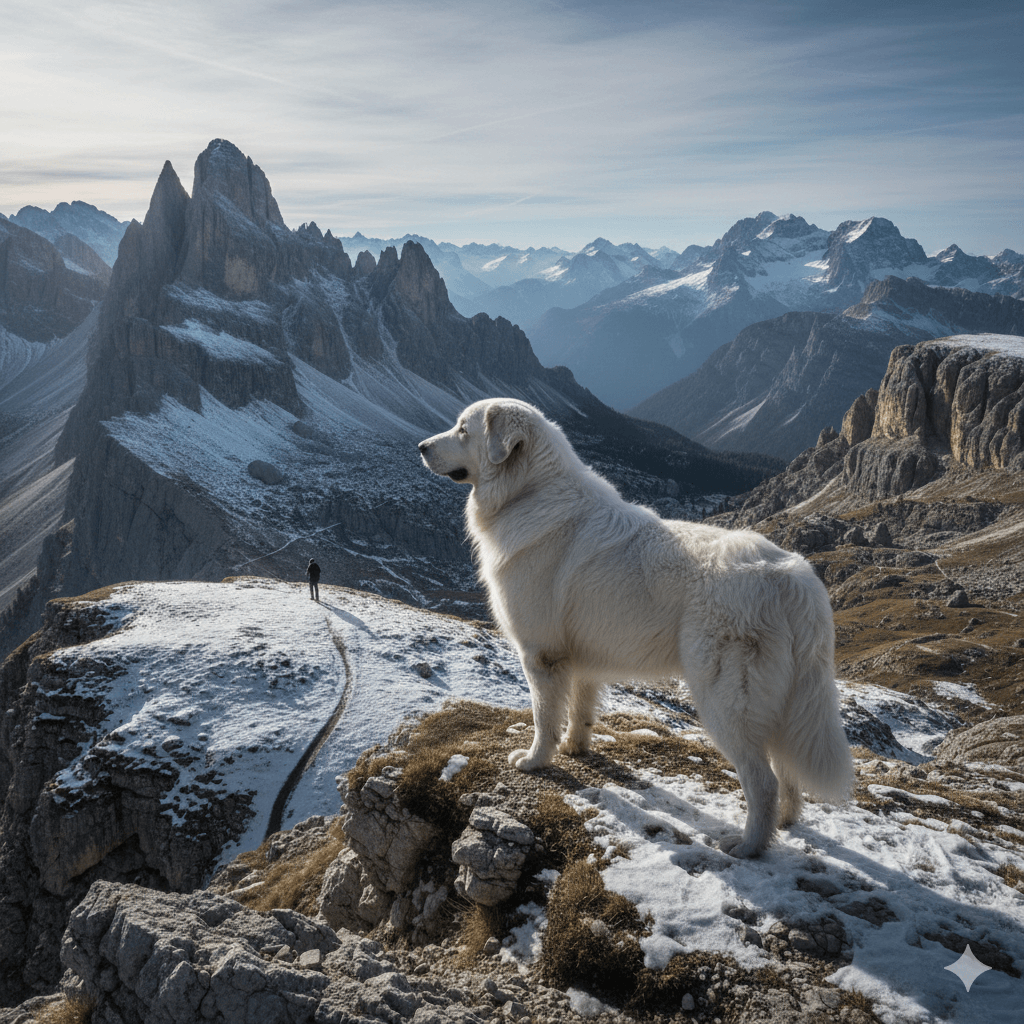
Physical Characteristics of the Pyrenees Dog: Size Matters
- Height and Proportions:
Male Pyrenees dogs stand 27–32 inches tall at the shoulder, while females measure slightly shorter at 25–29 inches. Their rectangular body shape emphasizes strength and balance. - Weight Distribution:
These dogs weigh between 85–150 pounds, depending on gender and genetics. Proper weight distribution ensures agility despite their bulk, though obesity can hinder mobility. - Bone Structure and Density:
Their robust skeletal system supports their large frame, with thick bones designed for endurance. However, this also makes them prone to joint issues if overexerted during growth. - Coat Length and Insulation:
Their dense double coat adds to their perceived size, providing insulation against harsh weather conditions. Regular grooming prevents matting and maintains their majestic appearance. - Facial Features and Expression:
A broad skull, dark eyes, and a calm expression enhance their regal demeanor. Their size amplifies their presence, whether lounging at home or patrolling property boundaries.
Check this guide 👉Bernese Mountain Dog Size: Best 7 Expert Tips!
Check this guide 👉Shar Pei Dog Size: Best 7 Expert Tips!
Check this guide 👉Saint Bernard Dog Size: Best 7 Expert Tips!
Growth and Size Characteristics | Owner Tips and Considerations |
|---|---|
Newborn: 1–2 inches tall, 1–2 pounds | Provide warmth and monitor feeding closely during early weeks |
Adolescent (3–6 months): 15–20 inches, 40–50 pounds | Focus on socialization and light exercise to support healthy development |
Juvenile (7–12 months): 20–28 inches, 70–90 pounds | Avoid strenuous activities to protect growing joints and bones |
Adult (1–2 years): 25–32 inches, 85–150 pounds | Maintain a balanced diet and schedule regular vet check-ups for long-term health |
Senior (7+ years): Height may decrease, weight varies | Prioritize joint care, comfort, and address age-related health concerns promptly |
Factors Influencing the Pyrenees Dog’s Size
- Genetic Heritage:
Size is largely determined by lineage—puppies from larger parents tend to inherit similar proportions. Responsible breeding minimizes extreme variations in size. - Nutrition During Growth:
A balanced diet rich in protein, calcium, and essential nutrients supports healthy bone and muscle development. Overfeeding or poor-quality food can lead to excessive weight gain. - Exercise Levels:
Moderate exercise strengthens muscles without straining growing joints. Excessive activity too early can stunt growth or cause long-term damage. - Health Conditions:
Illnesses like hypothyroidism or hormonal imbalances may impact growth rates or overall size. Regular vet visits catch issues early to prevent complications. - Living Environment:
Dogs raised in spacious environments with ample room to move often grow healthier than those confined to small spaces. Mental stimulation also plays a role in overall development.
Comparing the Pyrenees Dog to Other Large Breeds
- Great Dane vs. Pyrenees:
Great Danes are taller, often exceeding 32 inches, but lighter in build compared to the stockier Pyrenees dog. Both require vigilant joint care during growth. - Bernese Mountain Dog Comparison:
Bernese dogs are slightly shorter and heavier, averaging 70–115 pounds. Their shorter lifespan contrasts with the Pyrenees’ hardy constitution. - Irish Wolfhound Traits:
Irish Wolfhounds rival the Pyrenees in height but have leaner frames. Their hunting heritage gives them a more energetic disposition. - Newfoundland Similarities:
Newfoundlands share the Pyrenees’ gentle nature and protective instincts but are broader and denser, weighing up to 150 pounds consistently. - Saint Bernard Differences:
Saint Bernards are heavier and more prone to obesity, while Pyrenees dogs maintain a sleeker profile despite their large size.
Challenges of Owning a Large Pyrenees Dog
- Space Requirements:
These dogs need ample indoor and outdoor space to thrive. Apartments or small homes may feel cramped unless adequately adapted. - Food Costs and Portions:
Feeding a Pyrenees dog requires high-quality food in large quantities, which can become costly over time. Budgeting for meals is essential. - Furniture Durability:
Their size means accidental damage to furniture or belongings is common. Reinforced items and designated areas reduce wear and tear. - Transportation Logistics:
Traveling with a Pyrenees dog poses challenges due to their size. Specialized crates and vehicles are necessary for safe transportation. - Veterinary Expenses:
Larger breeds often face higher medical costs for surgeries, medications, or treatments tailored to their size and specific health concerns.
Exercise Needs for a Pyrenees Dog Based on Size
- Daily Walks:
Short to moderate walks (20–30 minutes) twice daily suffice for adults. Puppies should have shorter sessions to avoid overexertion. - Low-Impact Activities:
Swimming or gentle hikes provide excellent cardiovascular workouts without stressing joints. Avoid high-impact sports like jumping or sprinting. - Mental Stimulation:
Interactive toys and puzzle feeders engage their minds, compensating for limited physical activity during growth phases. - Guardian Instincts:
Their natural inclination to patrol property satisfies mental exercise needs. Providing secure fenced areas lets them fulfill this instinct safely. - Rest Periods:
Due to their size, Pyrenees dogs benefit from ample downtime to recover from physical exertion and conserve energy.
Health Concerns Related to the Pyrenees Dog’s Size
- Hip Dysplasia:
This genetic condition affects many large breeds, causing pain and mobility issues. Regular vet screenings help diagnose and manage symptoms early. - Elbow Dysplasia:
Similar to hip dysplasia, elbow issues stem from abnormal joint development exacerbated by rapid growth. Weight management reduces strain on affected joints. - Bloat (Gastric Torsion):
Large, deep-chested breeds like the Pyrenees are prone to bloat, a life-threatening condition requiring immediate veterinary intervention. - Arthritis:
Joint inflammation becomes more common with age, especially given their weight. Supplements like glucosamine support joint health proactively. - Heart Conditions:
Cardiomyopathy or other heart issues may arise due to their size. Annual cardiac evaluations detect abnormalities before they worsen.
“A 27 inch dog weighs about 100 pounds and a 25 inch bitch weighs about 85 pounds. Weight is in proportion to the overall size and structure.”
– Great Pyrenees Club of America
Frequently Asked Questions About Pyrenees Dog Size
How big do Pyrenees dogs get?
When is a Pyrenees dog fully grown?
Pyrenees dogs reach full height by 12–18 months but continue filling out in muscle mass until they’re about 2 years old.
Do Pyrenees dogs require special care due to their size?
Yes, their large size demands attention to joint health, diet, and exercise to prevent obesity and strain on their bones.
Are Pyrenees dogs good for small homes or apartments?
While adaptable, their size makes them better suited for homes with ample space to move comfortably.
How much food does a Pyrenees dog need daily?
Adult Pyrenees dogs require 4–6 cups of high-quality dog food per day, divided into two meals to support their energy needs.
A Lifeline in Every Moment of Care

Is Rawhide Bad for Cats? Best 7 Expert Tips! – Discover the risks, safe alternatives, and expert advice to keep your feline friend healthy and happy.

Is Rawhide Bad for Dogs? Best 7 Expert Tips! – Discover the risks, benefits, and safer alternatives to rawhides for your dog’s chewing needs.

Understanding Anorexia in Cats: Best 7 Expert Tips! – Learn why cats stop eating, spot warning signs, and discover how to help your feline regain appetite safely.

Understanding Anorexia in Dogs: Best 7 Expert Tips! – Learn causes, symptoms, and solutions to help your dog regain appetite and stay healthy.