
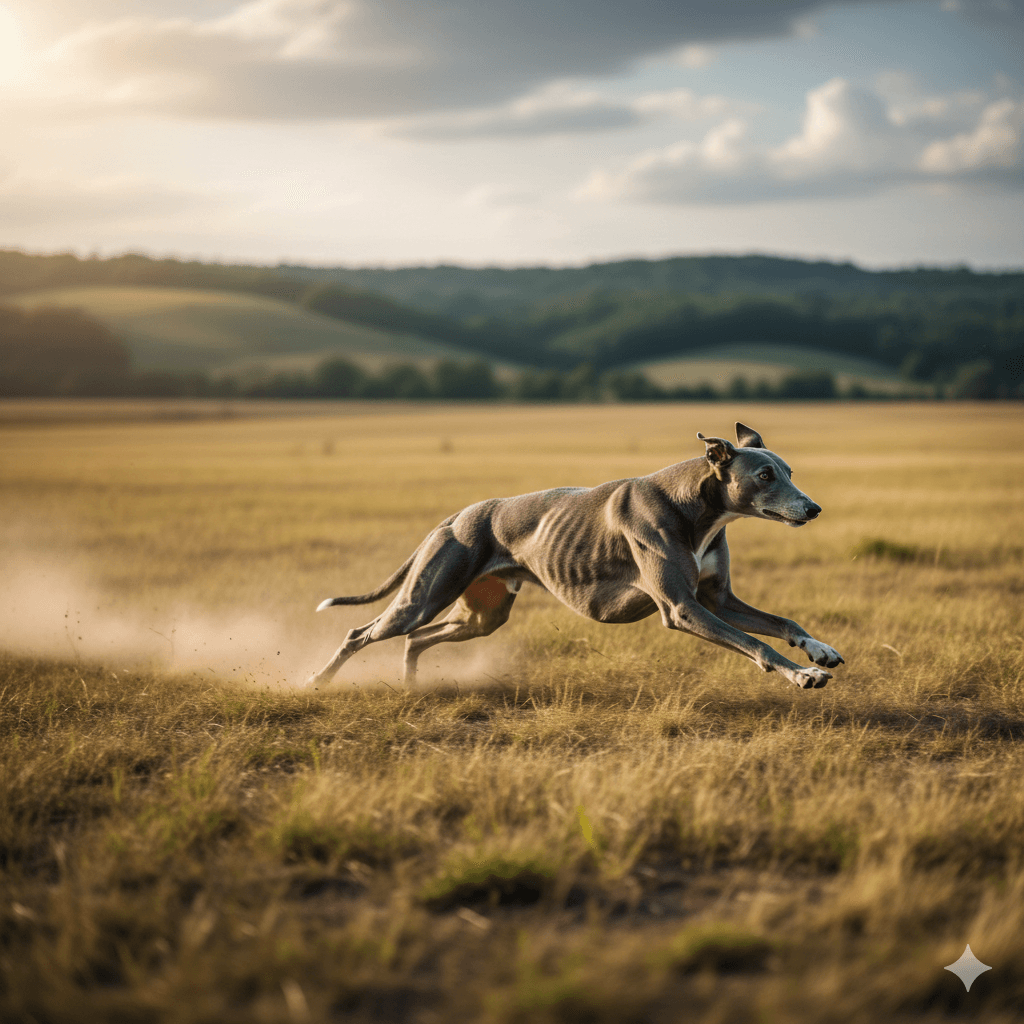

Speed of Greyhound Dogs: Best 7 Expert Tips!

Speed of Greyhound Dogs: Best 7 Expert Tips!

Understanding the Incredible Speed of Greyhound Dogs

Greyhounds are renowned for their breathtaking speed, often reaching up to 45 miles per hour in just a few strides. As one of the fastest dog breeds in the world, their unique physiology and athleticism make them exceptional sprinters. Whether you’re a fan of racing or simply curious about these swift canines, understanding what powers their speed is truly fascinating.

The Anatomy Behind Greyhound Speed

Greyhounds are built for speed, with a body perfectly engineered for sprinting. Their unique physical traits allow them to accelerate faster than most other dog breeds, making them exceptional athletes. Understanding their anatomy provides insight into why they dominate the racing world and excel in high-speed activities.
 
  • Long, Powerful Legs:
    Greyhounds have elongated limbs that provide an extended stride length, allowing them to cover more ground with each step. Their muscular thighs generate explosive power during acceleration.
     
  • Streamlined Body Shape:
    Their slim, aerodynamic build reduces air resistance, enabling smoother and faster movement. This sleek design is crucial for maintaining top speeds over short distances.
     
  • Flexible Spine:
    A highly flexible spine acts like a spring, storing and releasing energy with each stride. This flexibility enhances their ability to extend their legs fully during sprints.
     
  • Large Heart and Lungs:
    Greyhounds possess a larger-than-average heart and highly efficient lungs, delivering oxygen-rich blood to muscles at an incredible rate. This cardiovascular advantage supports sustained bursts of speed.
     
  • Lightweight Frame:
    Weighing between 50–85 pounds on average, greyhounds are lightweight for their size. This low body mass reduces the energy required to propel themselves forward.
 
The combination of these anatomical features makes greyhounds unparalleled sprinters. Their bodies are a testament to evolution’s precision in creating a breed designed for speed and agility.
Speed of Greyhound Dogs: Best 7 Expert Tips!

How Fast Can Greyhounds Run?

Greyhounds hold the title of one of the fastest land animals, second only to the cheetah among mammals. Their ability to reach incredible speeds has fascinated scientists, trainers, and dog lovers alike. Understanding their velocity helps explain their dominance in racing and their role as working dogs throughout history.
 
  • Top Speeds of Up to 45 MPH:
    Greyhounds can achieve speeds of 40–45 miles per hour within seconds, making them faster than many racehorses over short distances.
     
  • Acceleration Abilities:
    They can go from 0 to 30 miles per hour in just three strides, showcasing their explosive acceleration capabilities.
     
  • Short-Distance Specialists:
    While greyhounds excel in sprinting, they lack endurance due to their reliance on anaerobic energy systems. Races typically last only 30–40 seconds.
     
  • Comparison to Other Breeds:
    Most dogs run at speeds of 15–20 miles per hour, while greyhounds nearly double that figure, highlighting their extraordinary athleticism.
     
  • Historical Racing Records:
    In professional races, greyhounds consistently complete tracks in under 30 seconds, with records often set around 28–29 seconds for standard 5/16-mile courses.
 
These impressive stats underscore why greyhounds remain a symbol of speed and grace in both competitive sports and everyday admiration.
Greyhound Speed Facts
Comparison to Other Breeds
Top speed: 45 mph
Most dogs run 15–20 mph
Accelerates to 30 mph in 3 strides
Whippets reach 35 mph max
Built for short sprints, not endurance
Salukis excel in long-distance runs
Flexible spine enhances stride length
Borzois match speed but lack acceleration
Lightweight frame reduces drag
Irish Wolfhounds prioritize power over speed

Training Techniques to Enhance Greyhound Speed

Training plays a vital role in maximizing a greyhound’s natural speed potential. Proper conditioning not only improves performance but also ensures the dog’s health and longevity. Whether preparing for races or simply enhancing fitness, these techniques focus on building strength, stamina, and agility.
 
  • Sprint Interval Training:
    Short bursts of intense running followed by rest periods mimic race conditions, improving muscle memory and recovery efficiency.
     
  • Strength Exercises:
    Activities like hill runs or resistance training strengthen leg muscles, enhancing propulsion during sprints.
     
  • Agility Drills:
    Courses with hurdles or cones improve coordination and reflexes, ensuring smooth turns during races.
     
  • Nutritional Support:
    A balanced diet rich in protein, carbohydrates, and essential fats fuels energy needs and promotes muscle repair after workouts.
     
  • Mental Stimulation:
    Engaging games and puzzles prevent boredom and sharpen focus, which is critical during high-pressure competitions.
 
With consistent training tailored to their unique needs, greyhounds can maintain peak performance levels and thrive in any environment.

Health Considerations for High-Speed Greyhounds

While greyhounds are built for speed, their athleticism comes with specific health considerations. Owners must prioritize preventive care to avoid injuries and ensure long-term well-being. Addressing these concerns proactively keeps greyhounds healthy and active throughout their lives.
 
  • Joint and Muscle Injuries:
    High-speed movements put stress on joints and ligaments, increasing the risk of strains or tears. Regular vet check-ups monitor joint health.
     
  • Overheating Risks:
    Due to their thin coats and lean frames, greyhounds struggle to regulate body temperature in extreme heat or cold. Hydration and climate control are essential.
     
  • Dental Health Issues:
    Poor dental hygiene can lead to infections that affect overall health. Daily brushing and professional cleanings prevent complications.
     
  • Heart Conditions:
    Some greyhounds may develop cardiomyopathy or other heart-related issues. Routine screenings detect problems early for timely intervention.
     
  • Skin Sensitivities:
    Their short fur offers little protection against cuts, scrapes, or insect bites. Protective clothing and regular grooming minimize risks.
 
By staying vigilant about these health aspects, owners can enjoy years of companionship with their speedy greyhounds.

Greyhound Racing: A Celebration of Speed

Greyhound racing showcases the breed’s remarkable speed and agility, captivating audiences worldwide. While controversial in some regions, it remains a popular sport where these dogs demonstrate their natural talents. Understanding its history and dynamics highlights the cultural significance of this tradition.
 
  • Origins in Ancient Times:
    Greyhound racing dates back thousands of years, with roots in ancient Egypt and Rome, where they were prized for hunting and competitions.
     
  • Modern Racing Formats:
    Today’s races involve oval tracks ranging from 300–600 meters, with electronic lures simulating prey to motivate the dogs.
     
  • Betting and Entertainment Value:
    Racing attracts large crowds and significant wagers, contributing to local economies in regions where it’s legal.
     
  • Ethical Concerns:
    Critics argue that racing poses welfare risks, prompting stricter regulations and bans in several countries. Adoption programs now save retired racers.
     
  • Transition to Companion Life:
    Many former racers adapt beautifully to family life, proving that their speed doesn’t define their temperament—they’re gentle, affectionate pets too.
 
Despite controversies, greyhound racing celebrates the breed’s unmatched athleticism and continues to inspire awe among enthusiasts.
 

Comparing Greyhounds to Other Sighthounds

While greyhounds are the most famous sighthound breed, others share similar traits and purposes. Comparing them sheds light on what sets greyhounds apart and how they relate to their cousins. Each breed brings unique qualities to the table, but all share a passion for speed.
 
  • Saluki: Graceful and Enduring:
    Salukis rival greyhounds in elegance and speed but excel in endurance, capable of running longer distances across harsh terrains.
     
  • Whippet: Compact and Agile:
    Smaller than greyhounds, whippets are nicknamed “miniature greyhounds” and shine in shorter, tighter races or agility events.
     
  • Afghan Hound: Regal and Independent:
    Known for their luxurious coats, afghans combine speed with a strong hunting instinct, though they lack the same acceleration as greyhounds.
     
  • Borzoi: Majestic and Versatile:
    Borzois match greyhounds in speed but prefer open fields for chasing game, reflecting their Russian heritage.
     
  • Irish Wolfhound: Gentle Giants:
    Though slower than greyhounds, Irish wolfhounds were bred for power and size rather than pure velocity, excelling in different roles.
 
Each sighthound breed contributes uniquely to the group’s legacy, but greyhounds remain unmatched in sheer speed and popularity.

“Greyhounds can get up to 45 mph generally within three or four strides,”

 -Anne Soeder

Frequently Asked Questions About Greyhound Speed

How fast can a greyhound run?

Greyhounds can reach speeds of up to 45 miles per hour, making them one of the fastest dog breeds in the world.

Absolutely! Despite their racing background, greyhounds are calm, affectionate, and make excellent family companions.

Surprisingly, no. While they’re built for speed, greyhounds are sprinters, not marathon runners, and are content with short daily walks and plenty of rest.

Yes, their quiet, low-energy lifestyle makes them well-suited for apartment living as long as they get regular outdoor time.

Greyhounds typically live 10–14 years, maintaining their playful and loving nature throughout their lives.

A Legacy of Speed and Grace

The greyhound’s incredible speed is more than just a physical marvel—it’s a testament to their unique blend of athleticism, elegance, and adaptability. Whether on the racetrack or lounging at home, these dogs embody both power and gentleness, leaving an indelible mark on those fortunate enough to know them. By understanding their needs and celebrating their talents, we honor the legacy of this extraordinary breed. Whether you admire them from afar or share your life with one, greyhounds remind us that true beauty lies in the harmony of strength and serenity.
Is Rawhide Bad for Cats? Best 7 Expert Tips!

Is Rawhide Bad for Cats? Best 7 Expert Tips! – Discover the risks, safe alternatives, and expert advice to keep your feline friend healthy and happy.

Is Rawhide Bad for Dogs? Best 7 Expert Tips!

Is Rawhide Bad for Dogs? Best 7 Expert Tips! – Discover the risks, benefits, and safer alternatives to rawhides for your dog’s chewing needs.

Understanding Anorexia in Cats: Best 7 Expert Tips!

Understanding Anorexia in Cats: Best 7 Expert Tips! – Learn why cats stop eating, spot warning signs, and discover how to help your feline regain appetite safely.

Understanding Anorexia in Dogs: Best 7 Expert Tips!

Understanding Anorexia in Dogs: Best 7 Expert Tips! – Learn causes, symptoms, and solutions to help your dog regain appetite and stay healthy.

Leave a Reply

Your email address will not be published. Required fields are marked *