
Understanding Entropion in Cats: A Guide for Concerned Cat Owners
Causes of Entropion in Cats
- Genetic Predisposition:
Certain breeds, such as Persian, Himalayan, or Burmese cats, are more prone to entropion due to their facial structure. Flat-faced or brachycephalic breeds often have shallow eye sockets, increasing the likelihood of eyelid malformations. - Congenital Abnormalities:
Some kittens are born with entropion as a developmental issue. This is often linked to incomplete growth of the facial bones or abnormalities in eyelid formation during fetal development. - Trauma or Injury:
Physical injuries to the eye or surrounding tissues, such as scratches, bites, or blunt force trauma, can lead to scarring that pulls the eyelid inward. These cases are typically acquired rather than inherited. - Chronic Eye Infections:
Repeated or untreated eye infections, such as conjunctivitis, can cause inflammation and tissue changes that result in entropion. Chronic irritation weakens the eyelid muscles and alters their alignment. - Age-Related Changes:
As cats grow older, their skin and connective tissues lose elasticity. This natural aging process can cause the eyelids to sag or roll inward, especially in senior cats with preexisting eye issues.
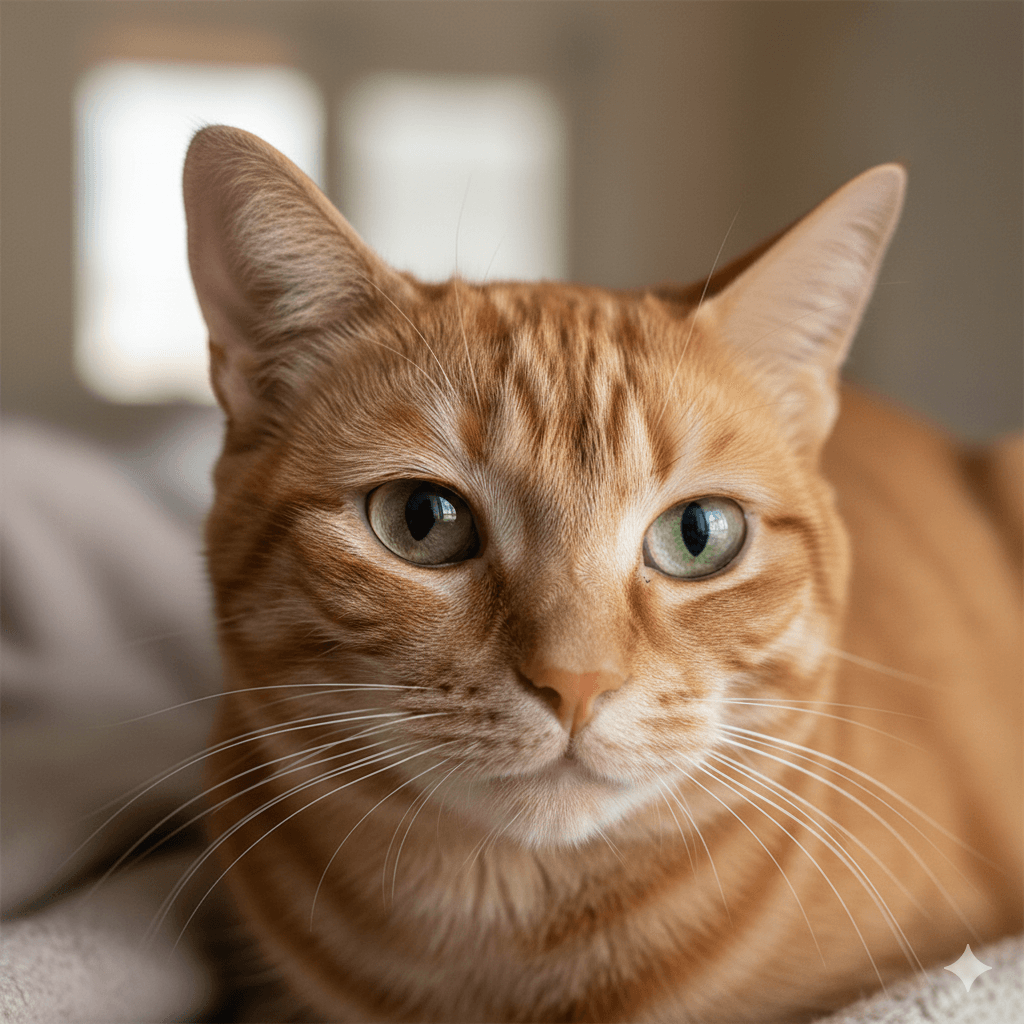
Symptoms of Entropion in Cats
- Excessive Tearing (Epiphora):
Cats with entropion often produce excessive tears due to constant irritation of the cornea by inward-turned eyelashes. This can lead to dampness around the eyes and staining of the fur. - Squinting or Blinking Frequently:
Affected cats frequently squint or blink in an attempt to protect their eyes from discomfort caused by the inward-rolling eyelid. This behavior may become more noticeable over time. - Redness or Swelling Around the Eyes:
Inflammation of the conjunctiva or surrounding tissues is a common sign of entropion. The affected area may appear red, swollen, or tender to the touch. - Pawing at the Eyes:
Cats with entropion may paw at their eyes repeatedly in an effort to relieve irritation. Unfortunately, this can worsen the condition or introduce secondary infections. - Corneal Damage or Ulcers:
Prolonged entropion can lead to corneal abrasions, ulcers, or scarring. These changes may impair vision and require urgent veterinary attention to prevent permanent damage.
Check this guide 👉Amoxicillin Side Effects in Cats: Best 7 Expert Tips!
Check this guide 👉Vacuolar Hepatopathy in Cats: Best 7 Expert Tips!
Check this guide 👉Pemphigus Erythematosus in Cats: Best 7 Expert Tips!
Signs of Entropion in Cats | Treatment Options |
|---|---|
Excessive tearing (epiphora) | Temporary sutures for mild cases |
Squinting or frequent blinking | Surgical correction (blepharoplasty) |
Redness or swelling around the eyes | Antibiotic eye drops for infections |
Pawing at the eyes | Anti-inflammatory medications for discomfort |
Corneal ulcers or abrasions | Post-surgical care and monitoring |
Diagnosis Process for Entropion in Cats
- Physical Examination of the Eyes:
The vet will visually inspect the cat’s eyes, checking for inward-rolling eyelids, redness, swelling, or signs of corneal damage. They may also assess tear production levels using specialized tests. - Fluorescein Staining Test:
This test uses a harmless dye to detect corneal ulcers or abrasions caused by entropion. The dye highlights areas of damage under a special light, guiding treatment decisions. - Palpation of Eyelids:
Gently feeling the eyelids helps determine whether structural abnormalities or muscle weakness contribute to the condition. This step is particularly important in congenital cases. - Review of Medical History:
The vet will ask about the cat’s breed, age, previous eye issues, or recent injuries to identify potential causes of entropion. This information aids in tailoring the treatment plan. - Ruling Out Other Conditions:
Conditions like conjunctivitis, blepharitis, or foreign body irritation mimic entropion symptoms. Differential diagnosis ensures accurate identification and avoids unnecessary treatments.
Treatment Options for Entropion in Cats
- Temporary Sutures (Tacking Procedure):
For young cats with mild entropion, temporary sutures can hold the eyelids in place until they mature. This non-invasive method allows time for natural improvement. - Surgical Correction (Blepharoplasty):
Severe or persistent entropion typically requires surgery to reshape the eyelids permanently. This procedure removes excess tissue and repositions the lid to prevent further irritation. - Antibiotic Eye Drops:
If corneal ulcers or infections are present, antibiotic drops help prevent secondary complications and promote healing of damaged tissues. - Anti-Inflammatory Medications:
Topical or oral anti-inflammatory drugs reduce swelling and discomfort associated with entropion, improving the cat’s quality of life during recovery. - Post-Surgical Care Instructions:
After surgery, strict adherence to aftercare protocols—such as wearing an Elizabethan collar and applying prescribed medications—is essential for optimal outcomes.
Long-Term Management of Entropion
- Regular Vet Check-Ups:
Frequent eye exams allow vets to monitor healing progress and detect early signs of relapse or new issues. Routine visits are especially critical for senior cats or those with chronic conditions. - Protective Measures Against Trauma:
Minimizing exposure to potential hazards, such as rough play or sharp objects, prevents injuries that could trigger entropion recurrence. Supervised outdoor activities are recommended. - Maintaining Good Hygiene:
Cleaning your cat’s face regularly removes debris and reduces the risk of infections that might exacerbate entropion symptoms. Use a soft, damp cloth for gentle wiping. - Monitoring Behavior Changes:
Subtle shifts in behavior, such as increased pawing at the eyes or reluctance to engage in playful activities, signal possible discomfort or worsening conditions. - Dietary Support for Eye Health:
Incorporating omega-3 fatty acids or antioxidant-rich foods into your cat’s diet promotes overall eye health and strengthens tissues vulnerable to entropion-related stress.
Preventing Entropion in Cats
- Choosing Breeds Wisely:
If adopting a purebred cat, research breeds known for structural vulnerabilities, such as Persians or Himalayans, and consider mixed-breed alternatives if concerned about entropion risks. - Providing Safe Environments:
Creating a hazard-free space minimizes the likelihood of eye injuries that could lead to entropion. Avoid exposing cats to sharp objects or aggressive playmates. - Addressing Eye Issues Promptly:
Treating minor eye irritations or infections early prevents them from progressing into more serious conditions like entropion. Regular cleaning and observation are key. - Avoiding Excessive Sun Exposure:
Prolonged sun exposure increases the risk of eye irritation and dryness, which can strain delicate eyelid tissues. Provide shaded areas for outdoor cats. - Educating Family Members:
Ensure everyone in the household understands the importance of monitoring your cat’s eye health and avoiding actions that might harm their eyes.
Special Considerations for High-Risk Breeds
- Brachycephalic Breeds:
Flat-faced cats like Persians or Himalayans have shallow orbits that increase the likelihood of eyelid malformations. Regular eye exams are essential for early detection. - Large-Eyed Breeds:
Breeds with prominent eyes, such as Siamese or Ragdolls, are more susceptible to injuries that could lead to entropion. Protective measures are vital for these cats. - Senior Cats:
Older cats experience age-related tissue laxity, making them prone to developing entropion later in life. Monitoring seniors closely helps catch issues early. - Outdoor Cats:
Cats allowed outdoors face higher risks of trauma-related entropion. Limit unsupervised outdoor time or provide safe enclosures to reduce dangers. - Cats with Preexisting Eye Conditions:
Chronic eye problems weaken tissues and heighten susceptibility to entropion. Managing these conditions effectively lowers overall risk.
“Entropion is an uncomfortable or painful condition in which the eyelids roll inward, allowing the eyelashes (or other hair) to rub against the cornea and irritate it.” – Becky Lundgren, DVM
Frequently Asked Questions About Entropion in Cats
Is entropion painful for cats?
Yes, entropion causes significant discomfort due to constant irritation of the cornea by inward-turned eyelashes or skin. Early treatment alleviates pain.
Can entropion heal on its own?
Mild cases in young kittens may improve as they grow, but most cases require veterinary intervention to prevent complications like corneal ulcers.
How much does surgery for entropion cost?
The cost varies depending on location and severity but typically ranges from $300 to $1,500 per eye. Consult your vet for a detailed estimate.
Are certain breeds more prone to entropion?
Yes, brachycephalic breeds like Persians and Himalayans are at higher risk due to their facial structure and shallow eye sockets.
What happens if entropion is left untreated?
Untreated entropion can lead to severe complications, including corneal ulcers, vision loss, and chronic eye infections, significantly impacting your cat’s quality of life.
Supporting Your Cat Through Entropion Recovery

Is Rawhide Bad for Cats? Best 7 Expert Tips! – Discover the risks, safe alternatives, and expert advice to keep your feline friend healthy and happy.

Is Rawhide Bad for Dogs? Best 7 Expert Tips! – Discover the risks, benefits, and safer alternatives to rawhides for your dog’s chewing needs.

Understanding Anorexia in Cats: Best 7 Expert Tips! – Learn why cats stop eating, spot warning signs, and discover how to help your feline regain appetite safely.

Understanding Anorexia in Dogs: Best 7 Expert Tips! – Learn causes, symptoms, and solutions to help your dog regain appetite and stay healthy.