
What Can I Give My Dog for a Swollen Leg?
Common Causes of Swollen Legs in Dogs
- Trauma or Injury:
Accidents like sprains, fractures, or cuts often lead to localized swelling as the body attempts to heal damaged tissues. Even minor injuries can cause significant inflammation if left untreated. - Infections:
Bacterial infections from wounds, insect bites, or embedded foreign objects can result in abscesses or cellulitis, leading to painful swelling. These infections may worsen without antibiotics or proper wound care. - Allergic Reactions:
Dogs with allergies to insect stings, plants, or medications may experience sudden swelling due to an immune response. This type of swelling is often accompanied by redness and warmth in the affected area. - Joint or Ligament Issues:
Conditions like arthritis, cruciate ligament tears, or luxating patellas can cause chronic swelling in the legs. These issues are particularly common in older or large-breed dogs. - Tumors or Growths:
Benign or malignant growths can develop in the legs, causing visible swelling. Early detection through veterinary evaluation ensures timely intervention and treatment.
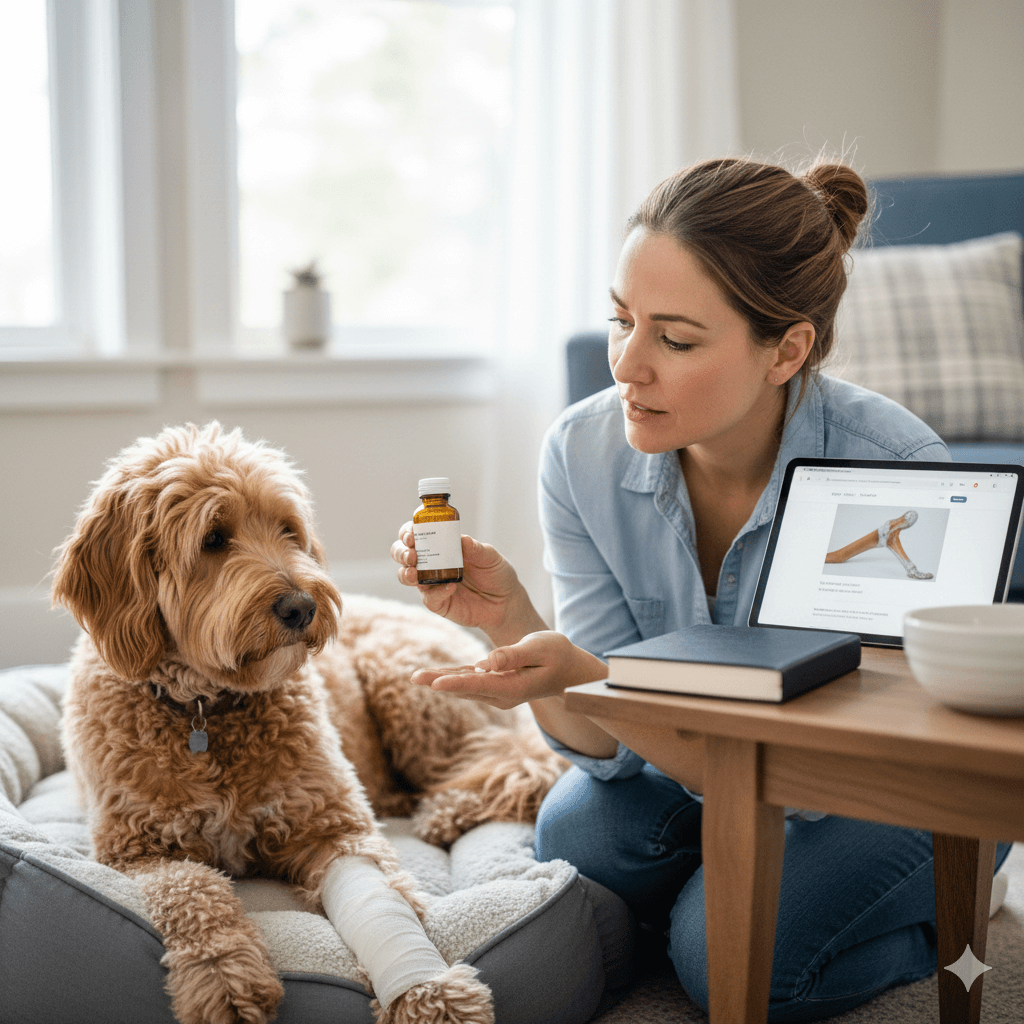
Home Remedies for Mild Swelling in Dogs
- Cold Compress Application:
Apply a cold compress wrapped in a towel to the swollen area for 10–15 minutes several times daily. This reduces inflammation and numbs pain temporarily. - Rest and Restricted Activity:
Limit your dog’s movement by confining them to a small space or using a crate. Rest allows the body to heal without further strain on the injured leg. - Elevating the Leg:
If possible, elevate the swollen leg slightly above heart level while your dog rests. This encourages fluid drainage and reduces puffiness. - Warm Compress for Chronic Swelling:
For long-term issues like arthritis, warm compresses improve blood flow and relax stiff muscles. Use this method after consulting your vet. - Turmeric Paste (Natural Anti-Inflammatory):
Mix turmeric powder with water to create a paste and apply it to the swollen area. Turmeric contains curcumin, which has natural anti-inflammatory properties.
Check this guide 👉Dog Mosquito Bite Swelling: Best 7 Expert Tips!
Check this guide 👉Can You Put Ice on a Dog for Swelling? Best 7 Tips!
Check this guide 👉When Your Dogs Face Swells: Best 7 Expert Tips!
| Home Remedies for Mild Swelling | Veterinary Treatments for Severe Cases |
|---|---|
| Cold compress application | Antibiotics for infections |
| Rest and restricted activity | Pain medications (NSAIDs) |
| Elevating the leg | Surgical repair for fractures |
| Turmeric paste for inflammation | Drainage of abscesses or fluid pockets |
| Warm compress for chronic conditions | Physical therapy for joint issues |
Over-the-Counter Medications for Dog Leg Swelling
- Diphenhydramine (Benadryl):
This antihistamine reduces swelling caused by allergic reactions. Administer only the recommended dosage based on your dog’s weight and consult your vet first. - Topical Hydrocortisone Creams:
These creams reduce localized inflammation and itching. Apply sparingly and ensure your dog doesn’t lick the treated area afterward. - Omega-3 Fatty Acid Supplements:
Fish oil supplements support joint health and reduce inflammation over time. They’re particularly beneficial for chronic conditions like arthritis. - Glucosamine and Chondroitin:
These joint supplements promote cartilage repair and reduce swelling associated with degenerative joint diseases. Start supplementation early for best results. - Probiotics for Immune Support:
Probiotics strengthen the immune system, helping the body fight off infections that might contribute to swelling. Choose dog-specific formulas for safety.
When to Seek Veterinary Care for Swollen Legs
- Severe Pain or Limping:
If your dog cries out in pain or refuses to put weight on the leg, it could indicate a fracture, dislocation, or severe injury requiring X-rays. - Visible Deformity or Open Wounds:
Deformities, puncture wounds, or exposed bones necessitate emergency care to prevent infection and stabilize the leg. - Fever or Lethargy:
Systemic symptoms like fever, loss of appetite, or extreme lethargy suggest a spreading infection or inflammatory disease needing antibiotics. - Rapid Swelling or Enlargement:
Sudden, dramatic swelling within hours may indicate an allergic reaction, abscess, or tumor requiring urgent diagnosis and treatment. - No Improvement After Home Care:
If swelling persists despite rest, cold compresses, or other remedies, seek veterinary advice to identify hidden causes like tumors or joint disorders.
Diagnostic Tests for Swollen Dog Legs
- Physical Examination:
The vet checks for pain, heat, tenderness, and range of motion in the affected leg. Palpation helps identify fractures, soft tissue injuries, or masses. - X-Rays (Radiographs):
X-rays reveal fractures, joint abnormalities, or bone tumors contributing to swelling. They’re essential for diagnosing structural issues accurately. - Ultrasound Imaging:
Ultrasounds assess soft tissues, identifying fluid buildup, abscesses, or ligament tears not visible on X-rays. - Blood Tests:
Complete blood counts and chemistry panels detect infections, inflammation, or underlying diseases affecting the leg. - Biopsy or Fine Needle Aspiration:
If a mass or growth is present, a biopsy determines whether it’s benign or malignant, guiding surgical or medical interventions.
Treatment Options for Swollen Dog Legs
- Antibiotics for Infections:
Oral or injectable antibiotics combat bacterial infections causing abscesses or cellulitis. Follow the full course to prevent recurrence. - Pain Management Medications:
Non-steroidal anti-inflammatory drugs (NSAIDs) like carprofen reduce pain and inflammation. Use only under veterinary supervision due to potential side effects. - Surgical Intervention:
Fractures, dislocations, or tumors may require surgery to stabilize the leg or remove abnormal growths. Post-operative care includes restricted activity and physical therapy. - Drainage of Abscesses or Fluid Pockets:
Lancing and draining abscesses relieve pressure and promote healing. Antibiotics are typically prescribed afterward to clear residual infection. - Physical Therapy for Joint Issues:
Controlled exercises and hydrotherapy improve mobility and reduce swelling in dogs with chronic joint problems. Consistency yields the best outcomes.
Preventing Future Leg Swelling in Dogs
- Regular Exercise and Weight Management:
Maintain a healthy weight through balanced nutrition and consistent exercise to reduce strain on joints and muscles. Obesity increases the risk of injuries and arthritis. - Safe Play Environments:
Supervise outdoor play to prevent accidents. Remove sharp objects, uneven surfaces, or hazards that could injure your dog’s legs. - Routine Health Check-Ups:
Annual exams allow early detection of joint issues, tumors, or other conditions before they escalate into serious problems. - Protective Gear During Activities:
Use booties or braces during hikes or strenuous activities to shield your dog’s legs from abrasions, thorns, or impact injuries. - Monitor for Allergies or Irritants:
Identify and eliminate exposure to allergens like insect stings, plants, or chemicals that could trigger swelling.
“If your dog has swelling that could be associated with a sprain, bruise, or tendonitis, apply ice packs to the area for 15 minutes and consult your veterinarian for further recommendations.”
— Malcolm Weir, DVM, MSc, MPH
Frequently Asked Questions About Swollen Dog Legs
What should I do if my dog’s leg is swollen after a fall?
Check for limping, deformities, or open wounds. Apply a cold compress and restrict movement, then consult your vet to rule out fractures or sprains.
Can I use human painkillers like ibuprofen for my dog’s swollen leg?
No—ibuprofen and other human NSAIDs are toxic to dogs. Always consult your vet before giving any medication.
How long does it take for a swollen leg to heal?
Mild cases may improve within a few days with rest and care, while severe injuries or infections could take weeks to months depending on treatment.
Is swelling always a sign of an injury?
Not always—swelling can also result from infections, allergic reactions, tumors, or joint disorders. A vet visit is essential for accurate diagnosis.
What if my dog keeps licking the swollen area?
Excessive licking can worsen swelling or cause infections. Use an Elizabethan collar (cone) to prevent access until the issue resolves.
Supporting Your Dog Through Recovery

Is Rawhide Bad for Cats? Best 7 Expert Tips! – Discover the risks, safe alternatives, and expert advice to keep your feline friend healthy and happy.

Is Rawhide Bad for Dogs? Best 7 Expert Tips! – Discover the risks, benefits, and safer alternatives to rawhides for your dog’s chewing needs.

Understanding Anorexia in Cats: Best 7 Expert Tips! – Learn why cats stop eating, spot warning signs, and discover how to help your feline regain appetite safely.

Understanding Anorexia in Dogs: Best 7 Expert Tips! – Learn causes, symptoms, and solutions to help your dog regain appetite and stay healthy.