
Can Cats Eat Rib Bones?
Risks of Feeding Rib Bones to Cats
- Choking Hazards:
Rib bones, especially cooked ones, can splinter into sharp fragments that lodge in a cat’s throat. These fragments may cause choking or block the airway entirely, requiring immediate veterinary intervention. - Tooth Damage:
Cats have delicate teeth compared to dogs, and chewing on hard rib bones can crack or fracture their teeth. This not only causes pain but also leads to costly dental procedures to repair or extract damaged teeth. - Intestinal Blockages:
Small bone fragments can travel through the digestive tract and cause obstructions. These blockages prevent food from passing normally, leading to vomiting, lethargy, and severe discomfort that often requires surgical removal. - Perforation of the Digestive Tract:
Sharp bone splinters can pierce the stomach or intestinal walls, causing internal bleeding and infections like peritonitis. This is a life-threatening condition that demands urgent medical attention. - Nutritional Imbalance:
Feeding rib bones as a regular part of your cat’s diet can lead to nutritional deficiencies. Cats require a balanced diet rich in taurine, vitamins, and minerals, which bones alone cannot provide.
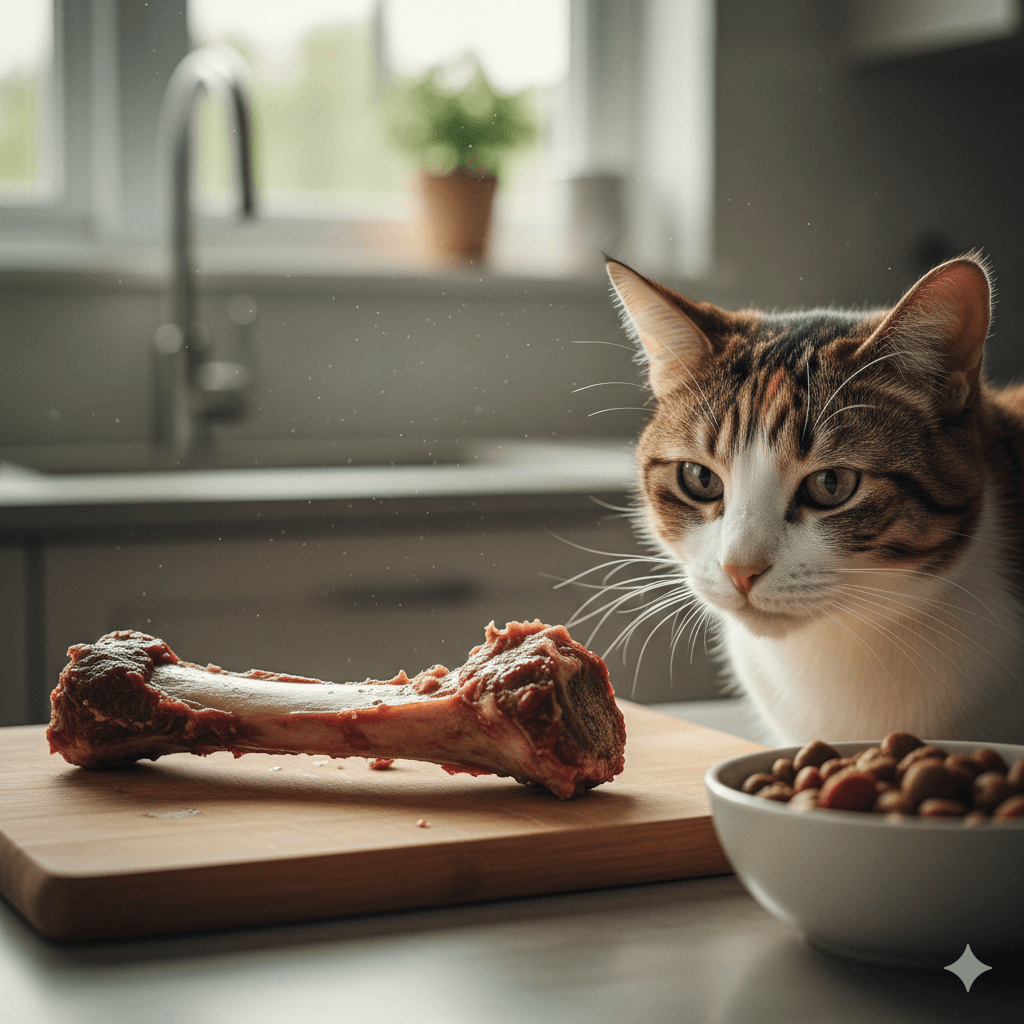
Why Cooked Rib Bones Are Especially Dangerous
- Increased Splintering Risk:
Cooking removes moisture from bones, leaving them dry and fragile. When cats chew on these bones, they easily break into sharp shards that can cause internal damage. - Higher Fat Content:
Cooked rib bones often retain fat from the meat, which can upset a cat’s sensitive digestive system. Excessive fat consumption may lead to pancreatitis, a painful and potentially fatal condition. - Added Seasonings and Spices:
Many cooked rib bones are seasoned with salt, garlic, onions, or other spices that are toxic to cats. Even small amounts can cause poisoning or gastrointestinal distress. - Larger Bone Fragments:
Cooked bones tend to break into larger, sharper pieces that are harder for cats to digest. These fragments can become lodged in the throat, stomach, or intestines. - Misleading Appearance of Safety:
Some pet owners mistakenly believe cooked bones are softer and safer than raw ones. However, this misconception can lead to tragic consequences if cats ingest them.
Check this guide 👉Can Cats Eat Chives? Best 7 Expert Tips!
Check this guide 👉Can Cats Eat Banana Peel? Best 7 Expert Tips!
Check this guide 👉Can Cats Eat Raw Meat? Best 7 Expert Tips!
Risks of Rib Bones for Cats | Safe Alternatives for Cats |
|---|---|
Choking hazards from sharp splinters | Dental chews approved by veterinarians |
Tooth fractures or damage | Raw meaty bones (only under supervision) |
Intestinal blockages or perforations | Frozen broth cubes or tuna water treats |
Toxicity from added seasonings or spices | Interactive puzzle feeders with treats |
Nutritional imbalance and deficiencies | Homemade cat-safe snacks like plain chicken |
Alternatives to Rib Bones for Cats
- Dental Chews:
Specially formulated dental chews clean your cat’s teeth and gums while satisfying their urge to chew. Look for products approved by veterinarians for feline use. - Raw Meaty Bones (Under Supervision):
Some experts suggest raw chicken wings or necks as safer alternatives to rib bones. These are less likely to splinter but should only be given under strict supervision. - Frozen Treats:
Freeze small portions of plain, unseasoned broth or tuna water in ice cube trays. These make refreshing, edible toys that cats love to lick and chew. - Interactive Toys:
Puzzle feeders or toys stuffed with wet food engage your cat’s hunting instincts and provide mental stimulation without any health risks. - Homemade Cat-Safe Snacks:
Prepare treats using ingredients like cooked, unseasoned chicken or pumpkin puree. These mimic the texture and taste cats enjoy without harmful additives.
Symptoms of Rib Bone Ingestion in Cats
- Persistent Vomiting:
Frequent vomiting signals that bone fragments may be irritating the stomach lining or causing blockages in the digestive tract. - Difficulty Swallowing:
Bone splinters stuck in the throat can cause drooling, gagging, or reluctance to eat. Your cat may paw at its mouth or appear uncomfortable. - Lethargy and Weakness:
Internal injuries or infections from perforated organs sap your cat’s energy, leaving them unusually tired or unresponsive. - Bloody Stool or Urine:
Blood in feces or urine indicates potential internal bleeding caused by sharp bone fragments piercing the digestive or urinary systems. - Abdominal Pain:
Your cat may yowl, hide, or resist being touched around the belly area, signaling discomfort from blockages or perforations.
How to Prevent Your Cat from Eating Rib Bones
- Secure Trash Cans:
Use dog-proof bins with tight lids to prevent curious cats from scavenging leftover bones or food scraps. - Supervise Outdoor Time:
Outdoor cats may encounter discarded bones in alleys or parks. Keep them leashed or monitor their activities closely during outdoor playtime. - Educate Family Members:
Ensure everyone in the household knows not to feed table scraps or bones to pets, emphasizing the dangers of rib bones specifically. - Provide Safe Chew Options:
Offer plenty of cat-safe toys and treats to redirect your cat’s chewing behavior away from potentially harmful items. - Store Food Safely:
Keep raw or cooked meats, including bones, out of reach in sealed containers or high cabinets where cats cannot access them.
What to Do If Your Cat Eats a Rib Bone
- Assess the Situation:
Determine how much of the bone was consumed and whether your cat shows immediate signs of distress, such as gagging or vomiting. - Do Not Induce Vomiting Without Advice:
Forcing your cat to vomit can worsen injuries if bone fragments are lodged in the throat or esophagus. Contact a vet before taking this step. - Monitor Closely for Symptoms:
Watch for signs of choking, difficulty swallowing, vomiting, or abdominal pain over the next 24–48 hours. Note any changes in behavior or appetite. - Call a Pet Poison Helpline:
Experts can provide tailored advice based on your cat’s size, breed, and the amount of bone ingested. Have details ready when you call. - Visit the Vet Immediately:
Even if no symptoms appear right away, schedule a check-up to rule out internal injuries or blockages. Bring any remaining bone fragments for analysis.
Long-Term Effects of Rib Bone Ingestion
- Chronic Digestive Issues:
Damage to the stomach or intestines may result in recurring vomiting, diarrhea, or sensitivity to certain foods. A specialized diet may be necessary. - Dental Problems:
Fractured teeth from chewing on hard bones may require extractions or root canals, impacting your cat’s ability to eat comfortably. - Behavioral Changes:
Traumatic experiences like choking or surgery can make cats more anxious or cautious around new foods or objects. - Increased Veterinary Visits:
Regular check-ups help monitor for delayed complications, such as slow-healing wounds or lingering infections. - Dietary Restrictions:
To prevent future incidents, your vet may recommend avoiding all types of bones and sticking to species-appropriate diets exclusively.
“Cooked animal bones tend to splinter, so there is risk for esophageal damage if emesis is induced. Therefore, it is recommended to increase the fiber in the patient’s diet and monitor the passage of bones through the gastrointestinal tract.”
Frequently Asked Questions About Rib Bones and Cats
Can cats eat raw rib bones?
Raw rib bones are less likely to splinter than cooked ones, but they still pose risks like choking or tooth damage. Always supervise your cat closely if offering raw bones.
Are small amounts of rib bones safe for cats?
No—there is no “safe” amount. Even small fragments can cause choking, internal injuries, or blockages, so it’s best to avoid them entirely.
What should I do if my cat swallows a rib bone?
Monitor your cat for symptoms like vomiting, difficulty swallowing, or lethargy, and contact your veterinarian immediately for advice.
What should I do if my cat swallows a rib bone?
Rib bones lack essential nutrients like taurine and vitamins that cats need. A balanced commercial diet is a far better option for their health.
Are there safer alternatives to rib bones for cats?
Yes—dental chews, interactive toys, and frozen treats are excellent alternatives that satisfy chewing instincts without posing health risks.
A Lifeline in Every Moment of Crisis

Is Rawhide Bad for Cats? Best 7 Expert Tips! – Discover the risks, safe alternatives, and expert advice to keep your feline friend healthy and happy.

Is Rawhide Bad for Dogs? Best 7 Expert Tips! – Discover the risks, benefits, and safer alternatives to rawhides for your dog’s chewing needs.

Understanding Anorexia in Cats: Best 7 Expert Tips! – Learn why cats stop eating, spot warning signs, and discover how to help your feline regain appetite safely.

Understanding Anorexia in Dogs: Best 7 Expert Tips! – Learn causes, symptoms, and solutions to help your dog regain appetite and stay healthy.