
Understanding Amoxicillin Side Effects in Dogs
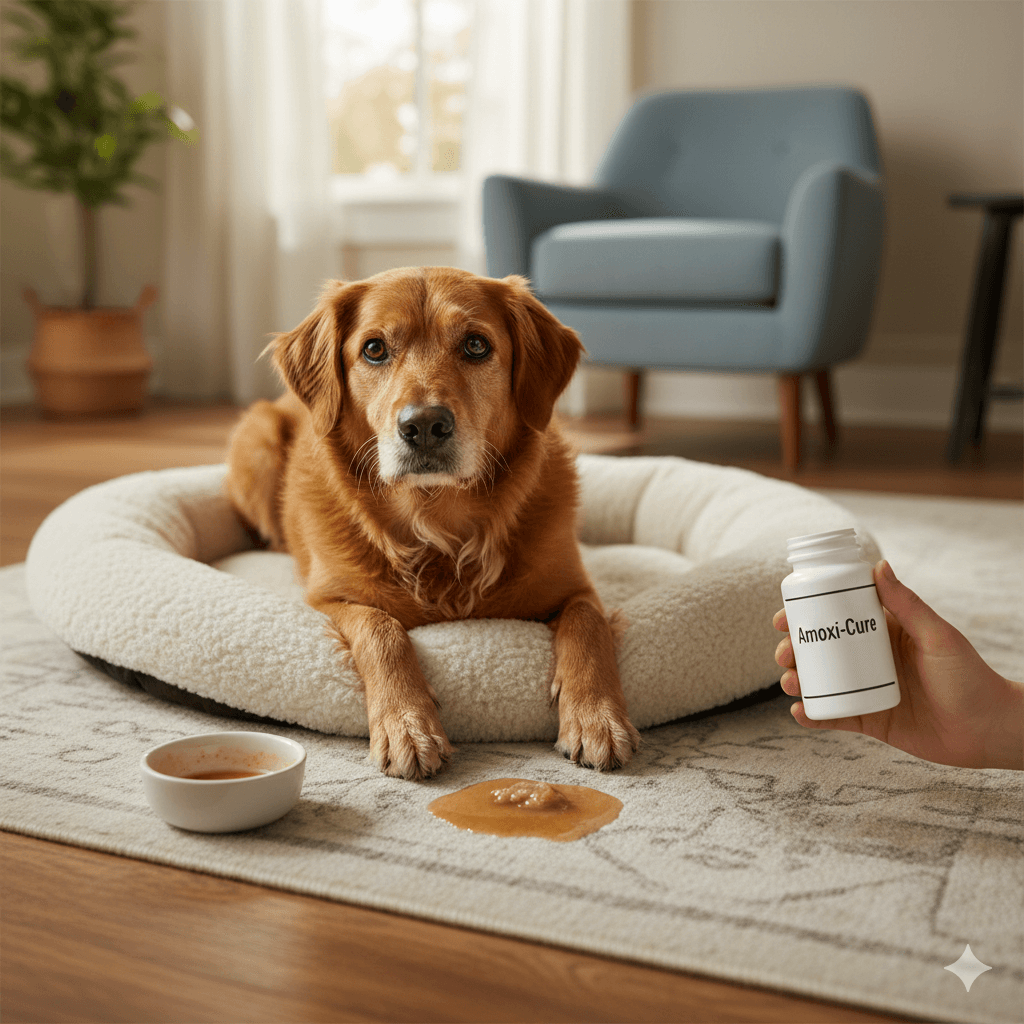
Common Side Effects of Amoxicillin in Dogs
- Gastrointestinal Upset:
Vomiting and diarrhea are among the most frequent side effects, as amoxicillin can irritate the stomach lining or disrupt the natural balance of gut bacteria. - Loss of Appetite:
Some dogs may refuse food or treats due to nausea or discomfort caused by the antibiotic’s impact on their digestive system. - Lethargy or Fatigue:
Dogs on amoxicillin may appear unusually tired or less active, as their body works to metabolize the drug while fighting infection. - Excessive Drooling:
Increased salivation is another sign of gastrointestinal irritation and may occur alongside vomiting or nausea. - Mild Allergic Reactions:
Itching, redness, or swelling at the site of administration (if injected) can occur in sensitive dogs but usually resolves without intervention.
Severe Side Effects of Amoxicillin in Dogs
- Severe Vomiting or Diarrhea:
Frequent episodes of vomiting or bloody diarrhea may signal intestinal damage or ulceration caused by the antibiotic. - Difficulty Breathing:
Labored breathing, wheezing, or coughing indicates a potentially life-threatening allergic reaction requiring emergency intervention. - Swelling of the Face or Throat:
Facial puffiness, especially around the muzzle or eyes, suggests anaphylaxis—a critical condition demanding urgent care. - Jaundice or Yellowing of Gums:
Yellowish gums or skin point to liver dysfunction, which can occur if the dog’s liver struggles to process the medication. - Collapse or Seizures:
Sudden weakness, collapse, or seizures reflect neurological involvement and necessitate immediate veterinary evaluation.
Check this guide 👉Meloxicam Dog Side Effects: Best 7 Expert Tips!
Check this guide 👉DAPP Dog Vaccine Side Effects: Best 7 Expert Tips!
Check this guide 👉Dog Antibiotics Side Effects: Best 7 Expert Tips!
Managing Mild Side Effects | Recognizing Severe Reactions |
|---|---|
Offer bland food (e.g., boiled chicken and rice) | Watch for facial swelling or hives |
Provide fresh water frequently | Monitor for labored breathing or wheezing |
Administer vet-approved probiotics | Check gums for paleness or yellowing |
Give medication with a small meal | Act quickly if seizures or collapse occur |
Track daily symptoms for vet updates | Contact emergency care immediately |
How Amoxicillin Affects Your Dog’s Digestive System
- Disruption of Gut Microbiome:
The antibiotic kills both good and bad bacteria, reducing the population of beneficial microbes that aid digestion and immune function. - Increased Risk of Yeast Infections:
A disrupted microbiome creates opportunities for yeast overgrowth, resulting in symptoms like excessive gas, bloating, or even oral thrush. - Soft or Watery Stools:
Changes in stool consistency are common as the digestive system adjusts to the loss of healthy bacteria. - Abdominal Pain or Cramping:
Dogs may exhibit signs of discomfort, such as whining, restlessness, or reluctance to be touched around the belly area. - Dehydration from Diarrhea:
Frequent loose stools increase the risk of dehydration, particularly in small or young dogs who lose fluids more rapidly.
Managing Mild Side Effects at Home
- Offer Probiotics:
Supplementing with vet-approved probiotics restores beneficial gut bacteria and reduces gastrointestinal upset. - Provide Bland Food Options:
Boiled chicken and rice or a prescription bland diet help settle the stomach and encourage eating despite nausea. - Ensure Adequate Hydration:
Encourage water intake by offering fresh bowls frequently or using flavored electrolyte solutions designed for pets. - Administer Medication with Food:
Giving amoxicillin with a small meal protects the stomach lining and reduces irritation during digestion. - Monitor Closely for Worsening Symptoms:
Keep a daily log of your dog’s behavior, appetite, and stool quality to share with your vet if needed.
Signs That Your Dog May Be Allergic to Amoxicillin
- Hives or Skin Rash:
Raised, itchy bumps on the skin indicate an allergic response and may spread across the body quickly. - Facial Swelling:
Puffiness around the eyes, lips, or throat reflects localized inflammation triggered by the immune system. - Persistent Itching:
Excessive scratching, licking, or biting at the skin signals discomfort caused by histamine release during an allergic reaction. - Respiratory Distress:
Wheezing, coughing, or difficulty breathing occurs when airways constrict due to systemic inflammation. - Anaphylactic Shock:
Collapse, pale gums, or unresponsiveness indicate a severe reaction requiring immediate epinephrine and oxygen therapy.
Long-Term Risks of Amoxicillin Use in Dogs
- Antibiotic Resistance:
Overuse of amoxicillin contributes to the development of resistant bacterial strains, making future infections harder to treat. - Chronic Digestive Issues:
Repeated disruption of gut flora increases susceptibility to conditions like inflammatory bowel disease or recurring yeast infections. - Liver or Kidney Damage:
Long-term use strains these organs responsible for metabolizing and excreting the drug, potentially leading to reduced function over time. - Weakened Immune System:
Killing beneficial bacteria weakens the immune system’s ability to fight off new infections effectively. - Secondary Infections:
Imbalances in the microbiome create opportunities for opportunistic pathogens to thrive, causing additional health problems.
Preventing and Minimizing Side Effects of Amoxicillin
- Follow Dosage Instructions Precisely:
Administer only the prescribed amount and frequency to avoid overdosing or underdosing, both of which can harm your dog. - Avoid Mixing with Unsafe Foods:
Never give amoxicillin with dairy products or high-fat foods, as these interfere with absorption and effectiveness. - Complete the Full Course of Treatment:
Stopping antibiotics early increases the risk of incomplete eradication of infection and resistance development. - Watch for Drug Interactions:
Inform your vet about any other medications or supplements your dog is taking to prevent harmful interactions. - Schedule Follow-Up Appointments:
Post-treatment check-ups confirm resolution of the infection and allow vets to address lingering side effects promptly.
“Common side effects include gastrointestinal effects, such as lack of appetite, vomiting, and diarrhea.” – Lauren R. Forsythe, PharmD, MBA, DICVP
Frequently Asked Questions About Amoxicillin Side Effects in Dogs
What should I do if my dog vomits after taking amoxicillin?
If vomiting occurs once, try giving the next dose with a small amount of food. If it persists, contact your vet to discuss alternative options.
Can I stop giving amoxicillin if my dog seems better?
No—always complete the prescribed course to ensure the infection is fully eradicated and to prevent antibiotic resistance.
How can I tell if my dog is having an allergic reaction?
Signs include hives, facial swelling, difficulty breathing, or collapse. Seek emergency care immediately if these occur.
Is it safe to give amoxicillin with other medications?
Consult your vet before combining amoxicillin with other drugs, as some interactions may reduce effectiveness or increase side effects.
What can I do to protect my dog’s gut during treatment?
Supplementing with vet-approved probiotics helps restore beneficial bacteria and minimizes digestive upset caused by antibiotics.
Supporting Your Dog Through Antibiotic Treatment

Is Rawhide Bad for Cats? Best 7 Expert Tips! – Discover the risks, safe alternatives, and expert advice to keep your feline friend healthy and happy.

Is Rawhide Bad for Dogs? Best 7 Expert Tips! – Discover the risks, benefits, and safer alternatives to rawhides for your dog’s chewing needs.

Understanding Anorexia in Cats: Best 7 Expert Tips! – Learn why cats stop eating, spot warning signs, and discover how to help your feline regain appetite safely.

Understanding Anorexia in Dogs: Best 7 Expert Tips! – Learn causes, symptoms, and solutions to help your dog regain appetite and stay healthy.